Newsletters


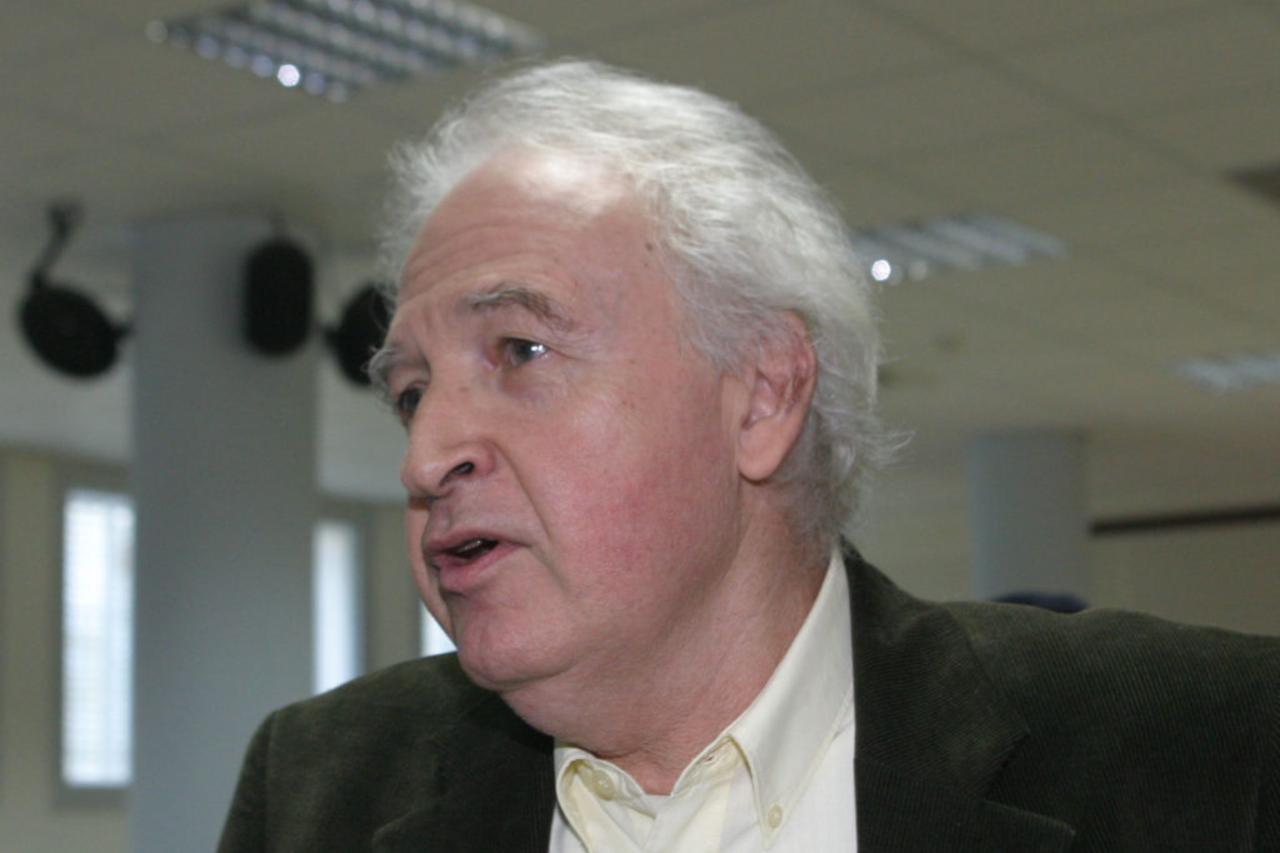


The leader of the defunct Greek terrorist group November 17, convicted over a decadeslong campaign of assassinations that included the killings of two Turkish diplomats, has been released from prison after Greek authorities approved his conditional release.
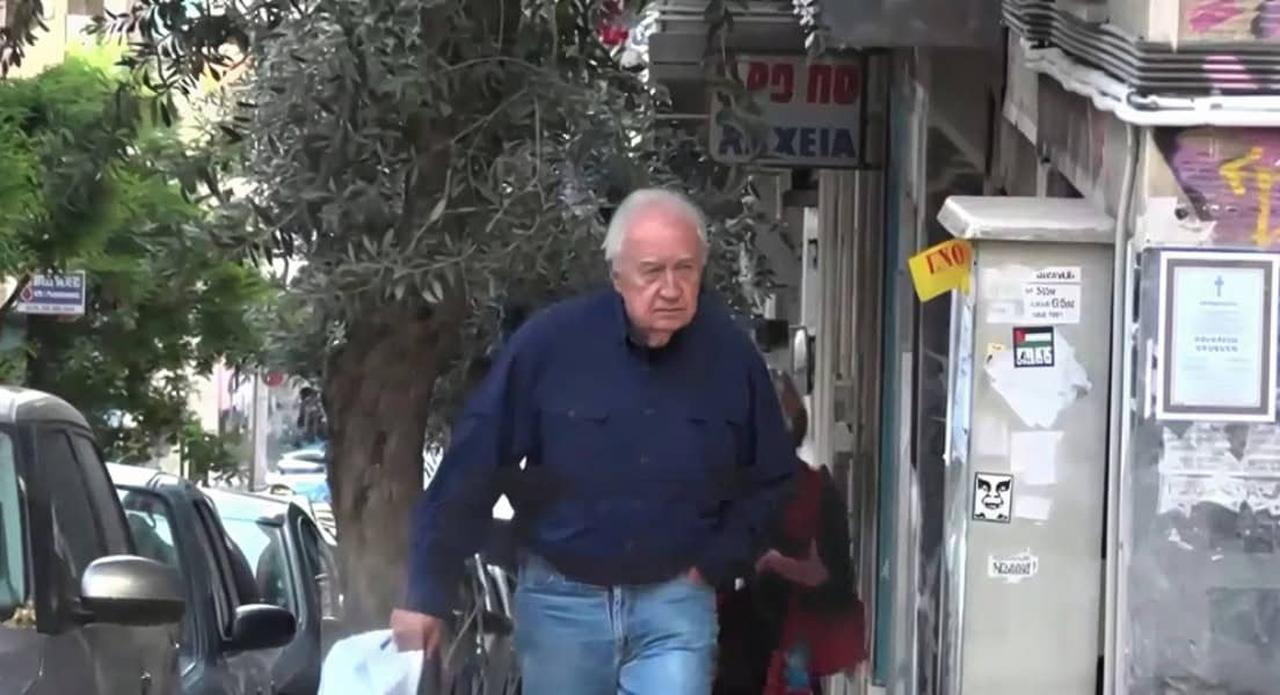
Alexandros Giotopoulos, the alleged mastermind of the Greece-based Marxist-Leninist November 17 organization, was released Thursday from Korydallos high-security prison in Athens after a judicial panel approved his request, reportedly citing his age and health condition.
Giotopoulos, now 82, was arrested in 2002 after Greek authorities dismantled the group and was later convicted in 2003. An appeals court in 2007 sentenced him to 17 life terms plus an additional 25 years in prison.
An appeal against the release decision has since been filed before Greece’s Supreme Court, with a final ruling expected in the coming days.
November 17 carried out a campaign of assassinations and attacks spanning nearly three decades.
The group was responsible for 23 killings beginning with the 1975 assassination of CIA station chief Richard Welch in Athens. It later targeted diplomats, military officials and public figures, including a U.S. Navy captain and British defense attache Stephen Saunders, who was killed in 2000.
The organization also targeted Turkish diplomats in Greece.
According to Türkiye’s Foreign Ministry, Giotopoulos orchestrated the 1991 killing of Turkish Embassy press attache Cetin Gorgu, the attempted assassination the same year of embassy counselor Deniz Bolukbasi, and the 1994 killing of counselor Haluk Sipahioglu.
The group took its name from Nov. 17, 1973, when Greece’s military junta violently suppressed a student uprising.
While initially focusing on Greek and foreign officials, November 17 later expanded into bombings and bank robberies during the 1980s.

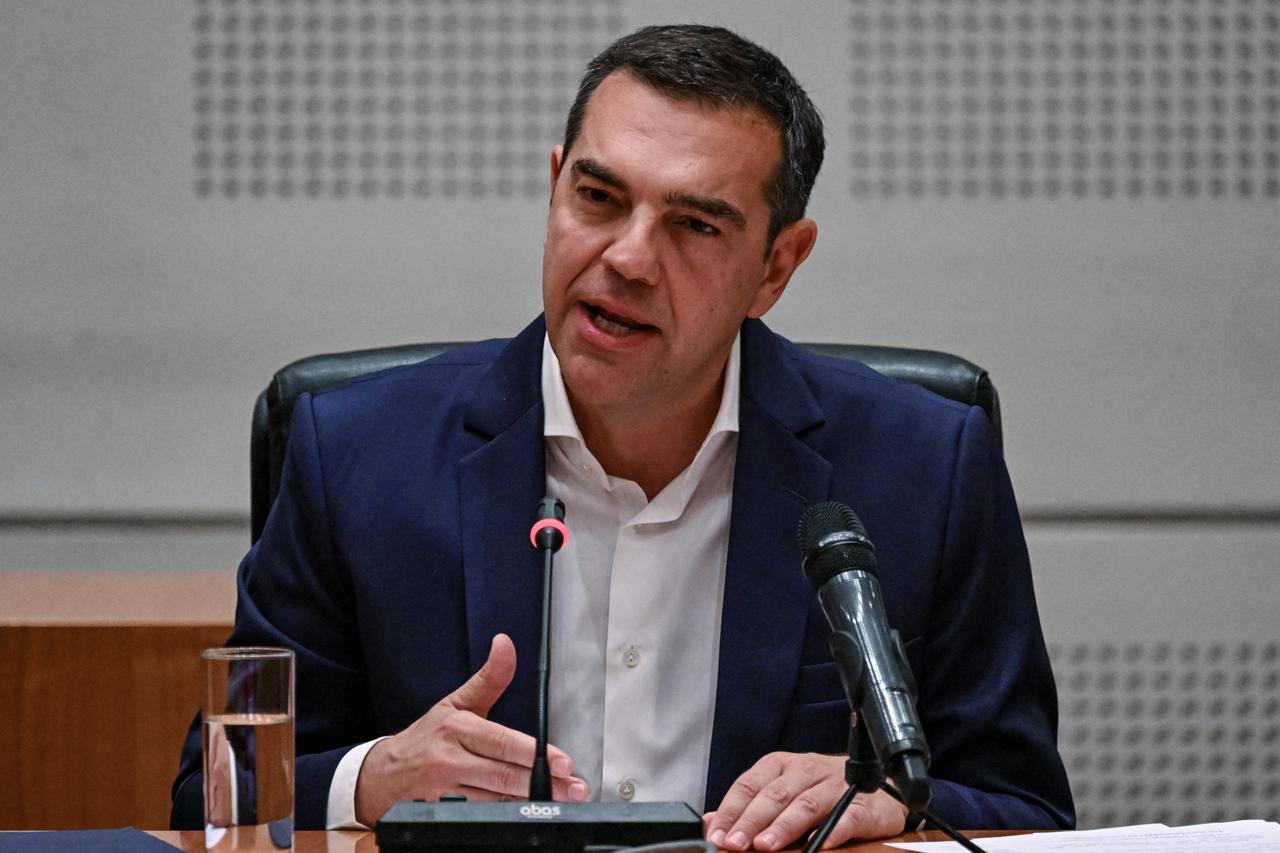
Türkiye strongly criticized the decision.
“We strongly condemn the release on May 21, 2026, of November 17 terror organization leader Alexandros Giotopoulos,” the Foreign Ministry said Friday, describing him as the instigator of attacks against Turkish diplomats in Athens.
The ministry said releasing a figure sentenced to 17 life terms and an additional 25 years represented “an unacceptable display of tolerance” and “a grave disrespect to the memory of our martyred diplomats and their families.”
Ankara also urged Greece to avoid steps that could weaken international counterterrorism efforts and to uphold responsibilities regarding convicted terrorists.
The release has also revived debate over Greece’s legal framework governing life sentences.
Under Greek law, prisoners serving multiple life terms may become eligible for release after an effective imprisonment period of 25 years.
Giotopoulos’ release came after roughly 24 years in prison.
He remains subject to restrictions, including remaining in Greece, residing at an address approved by authorities and regularly reporting to police.


 Set as preferred source
 Set as preferred source


 1 min read
 1 min read