Newsletters


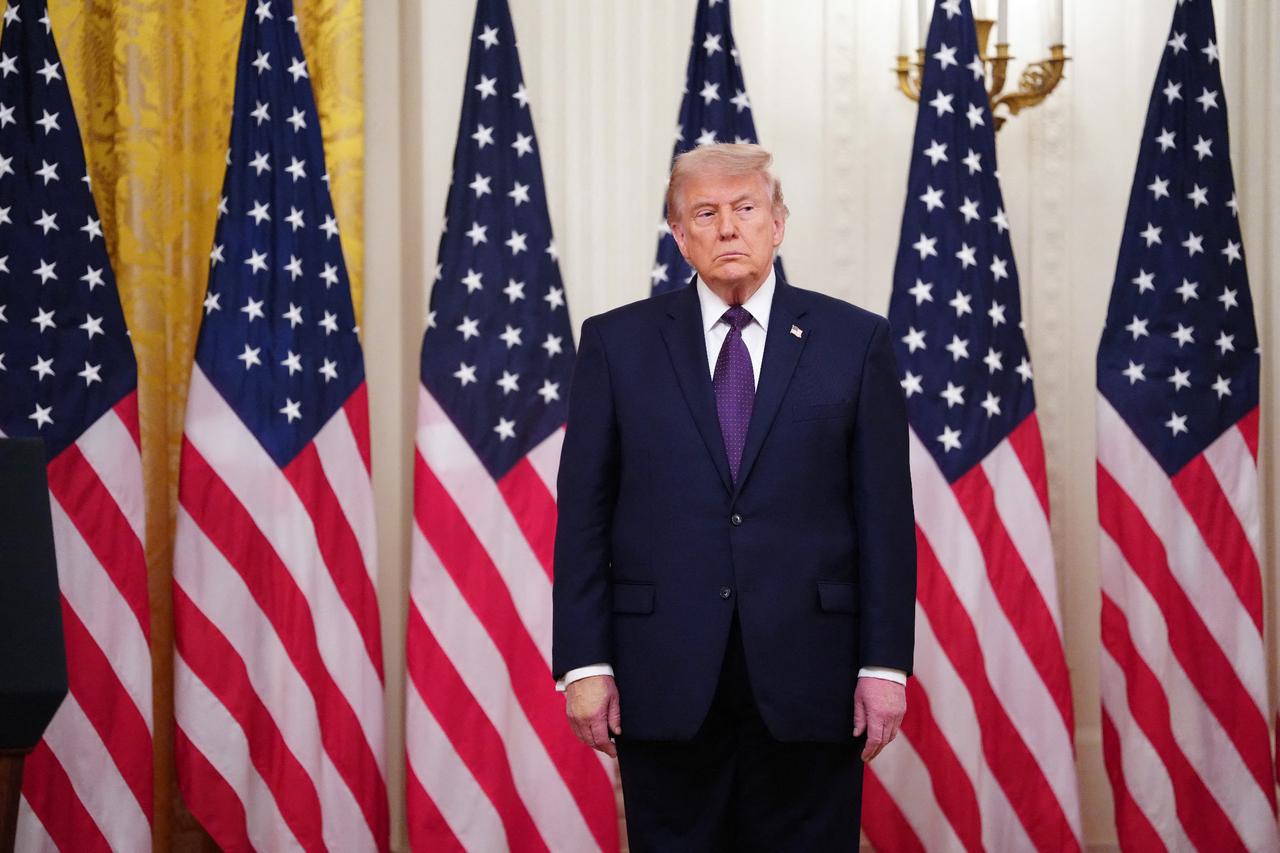


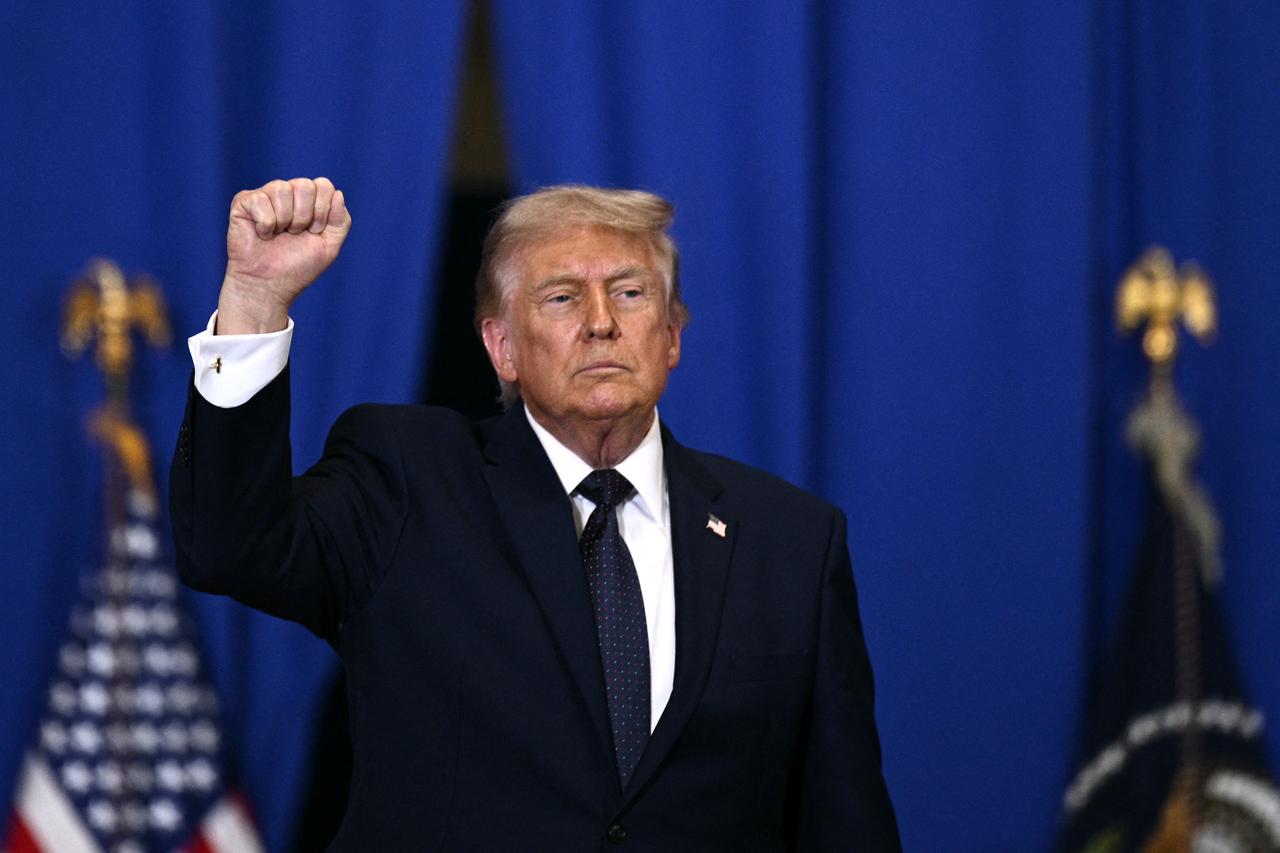
Iran's Defense Ministry spokesman Reza Talaei-Nik stated Saturday that "failing to recognize Iran's legitimate rights would lead to further defeats for U.S. President Donald Trump."
He said that Trump "had no option but to accept the Iranian people's demands," Iran's semi-official Tasnim and Fars news agencies reported.
"Trump has no choice but to accept the demands of the Iranian people and the legitimate rights of our country," Talaei-Nik said.
He said meeting Iran's legitimate demands was the only way for what he described as "the American-Zionist enemy" to exit what he called the third imposed war, both on the battlefield and in diplomacy.
Talaei-Nik also warned that continuing the war would cause greater harm to the American people and the international community, and called on Trump to accept Iran's proposal and work to prevent further losses.
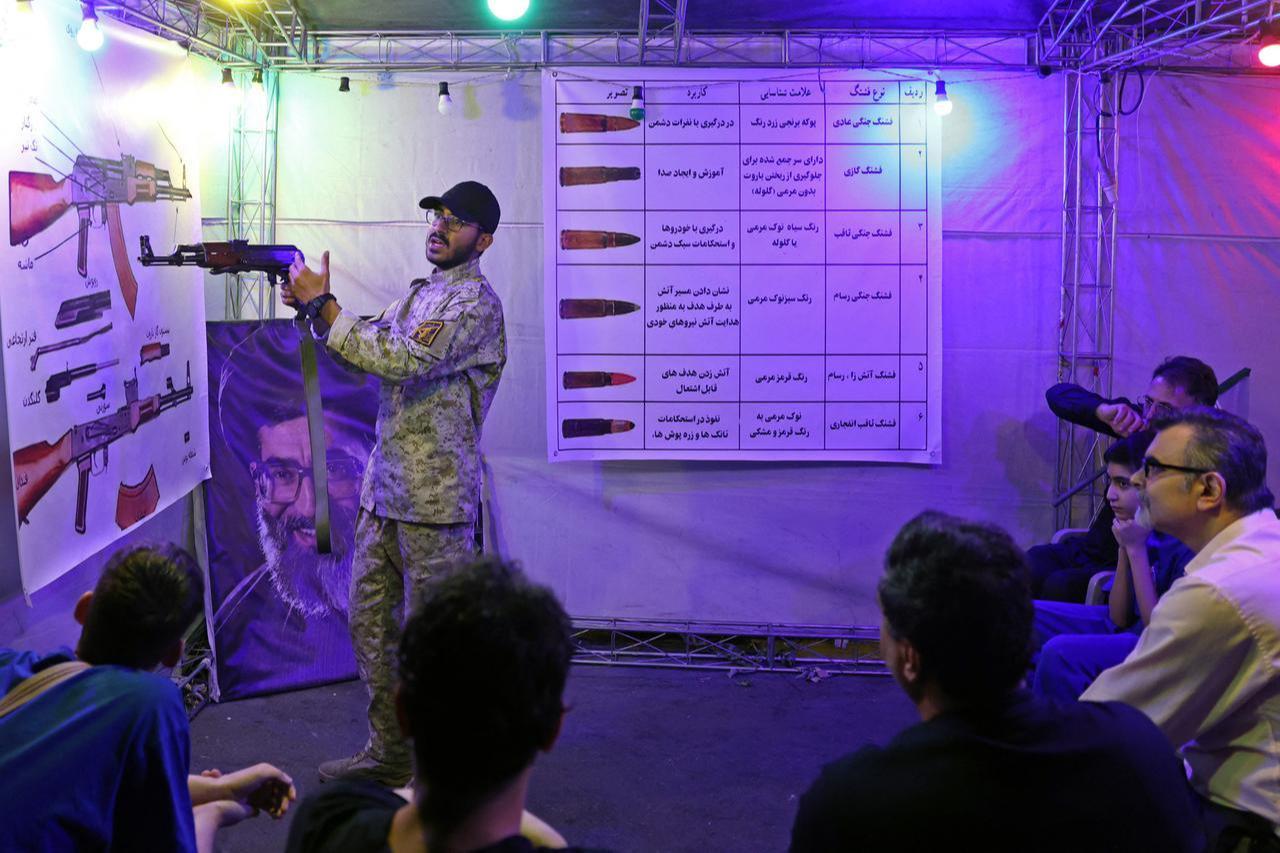

In a letter sent Friday to the U.N. secretary-general and the Security Council president, Iran's Permanent Representative to the United Nations Amir Saeid Iravani held the Gulf states of Qatar, Bahrain, Kuwait, Saudi Arabia and the UAE, along with Jordan, internationally responsible for what he described as "their participation in and facilitation of aggression against Iran."
According to Tasnim, Iravani's letter stated that these states, as responsible governments, are obligated to provide "full compensation to Iran for all material and moral damages resulting from their internationally wrongful acts."
The letter also responded to recent statements by U.S. officials, including the president and U.S. Central Command (CENTCOM), and addressed recent correspondence from southern Gulf states containing what Iravani described as baseless claims.
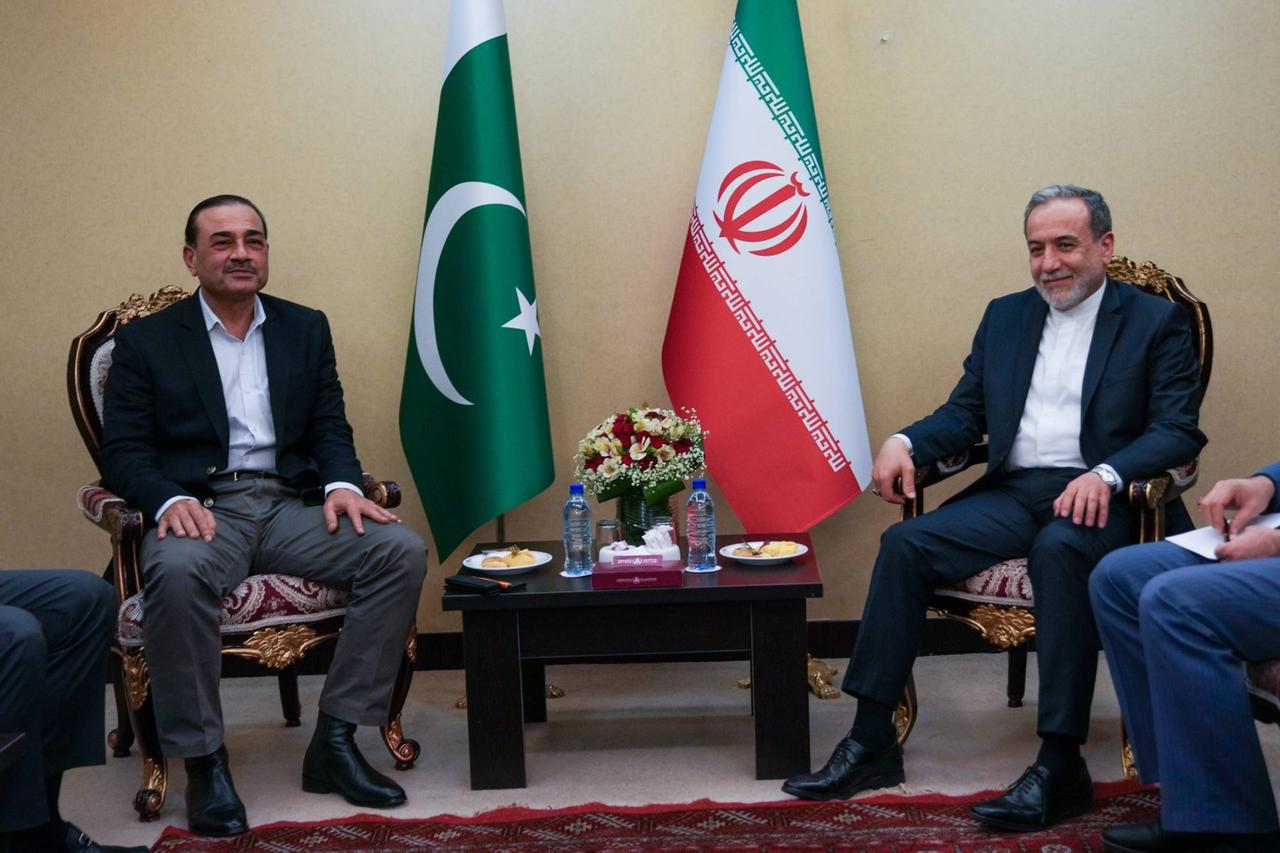
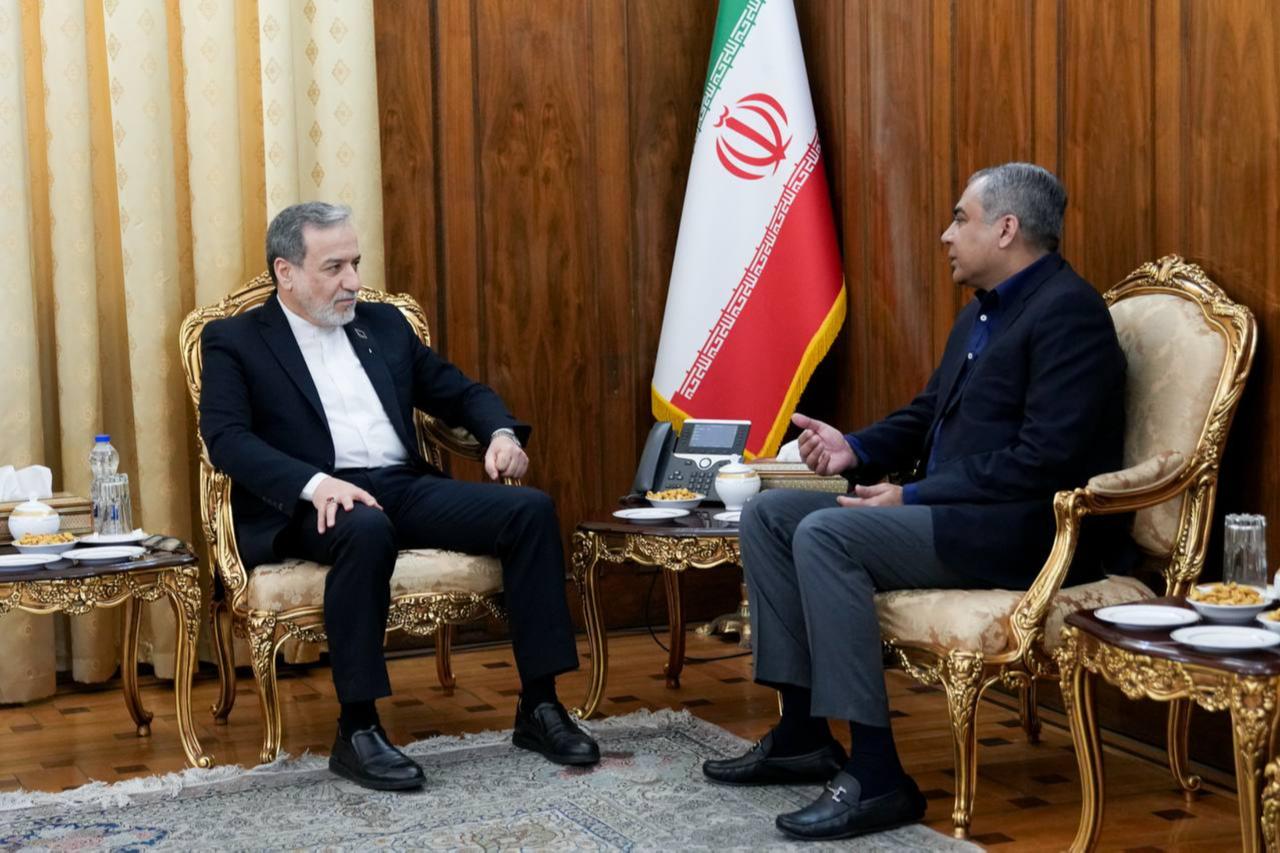
Iranian Foreign Minister Abbas Araghchi met with Pakistani army chief Field Marshal Asim Munir in Tehran to exchange views on diplomatic efforts to end the war between Iran and the U.S. and Israel, Iran's Foreign Ministry announced on its official social media account.
The two discussed diplomatic initiatives aimed at ending the war alongside regional stability and security issues.
Araghchi also spoke by phone Saturday morning with Omani Foreign Minister Sayyid Badr al-Busaidi on the latest regional developments and existing diplomatic efforts to prevent escalation and end the war, according to Iran's Foreign Ministry.


 Set as preferred source
 Set as preferred source


 1 min read
 1 min read