Newsletters


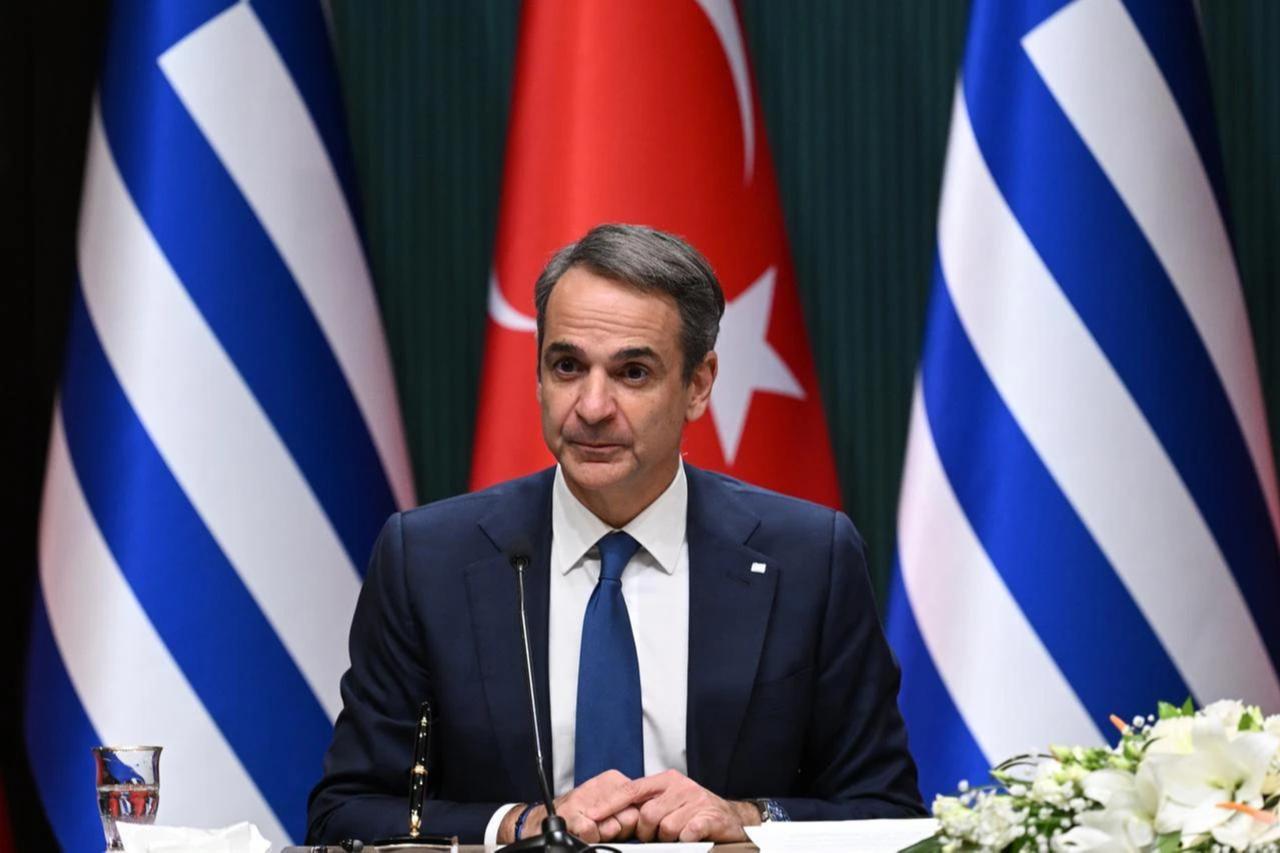


Greek Prime Minister Kyriakos Mitsotakis acknowledged this week that Greece too often reduces sweeping alliance decisions to the prism of its bilateral relationship with Türkiye, offering a rare moment of self-criticism from a sitting head of government still on the grounds of a NATO summit hosted in Ankara by his country's most consequential neighbor.
"Sometimes in Greece I think we take a very narrow-minded approach when it comes to these broader issues," Mitsotakis said following the two-day gathering, which concluded Wednesday.
He added that Greek-Turkish matters are handled between the two governments directly, and that collapsing the entire significance of a major NATO summit into that single relationship fails to capture what was actually at stake.
He then extended the critique to the press, saying he is "always sort of surprised" by how parts of the Greek media cover such events "with a great degree of exaggeration and an inability to really understand the complex dynamics that we're facing."
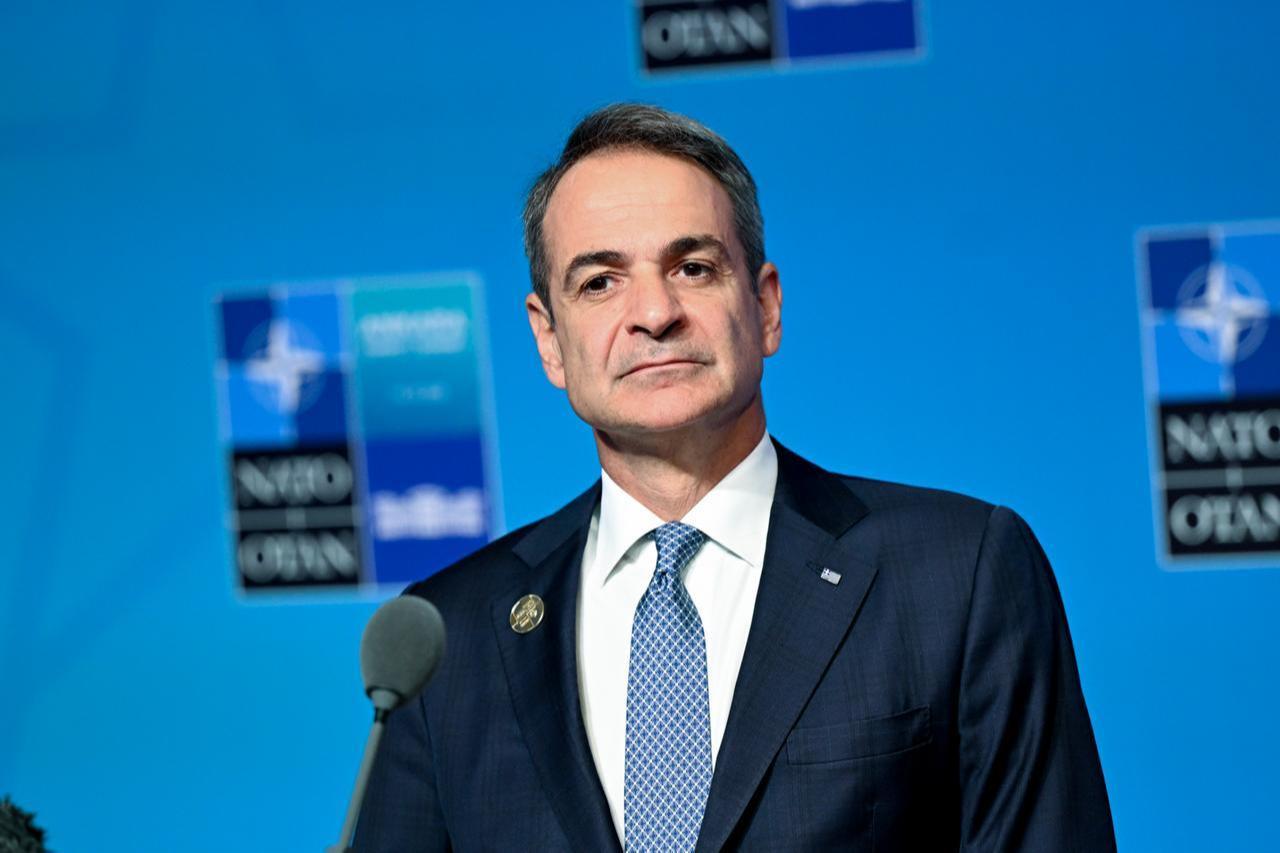

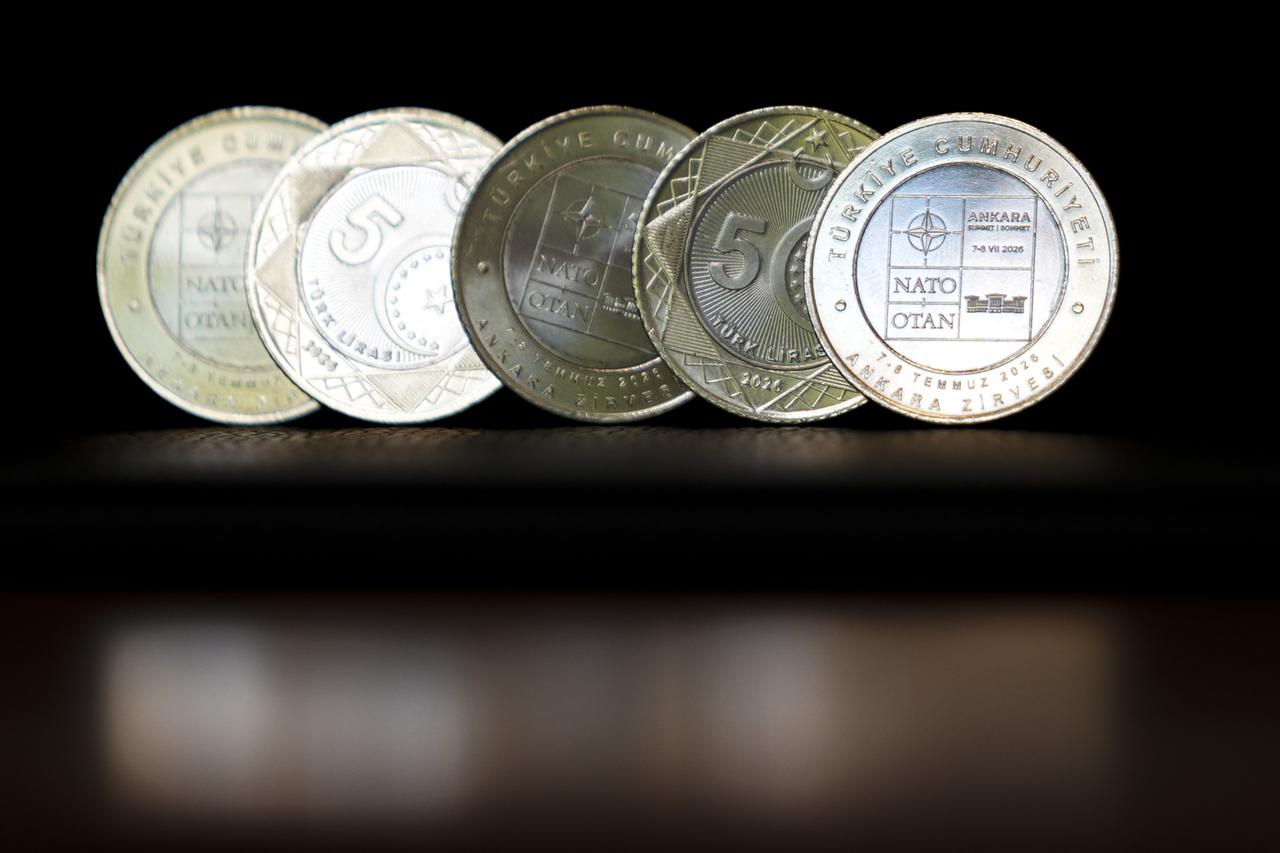
The Ankara meeting, NATO's 36th summit, was centered on defense spending commitments, support for Ukraine, and the question of how European members can assume a greater share of collective security responsibilities.
Greece arrived having already met the alliance's 3.5 percent of GDP military spending target, with purely military expenditure projected at 3.6 percent for 2026, placing Athens among the top five spenders in the alliance.
Greece is also in the midst of a 25 billion euro military modernization program.
Mitsotakis argued that reducing post-summit commentary to a scorecard of Greek-Turkish tensions does a disservice to the weight of the decisions taken.
"I don't think we do justice to the importance of the decisions taken at the summit when we just limit the public debate in Greece around issues related to the Greek-Turkish relationship," he said.
 1 min read
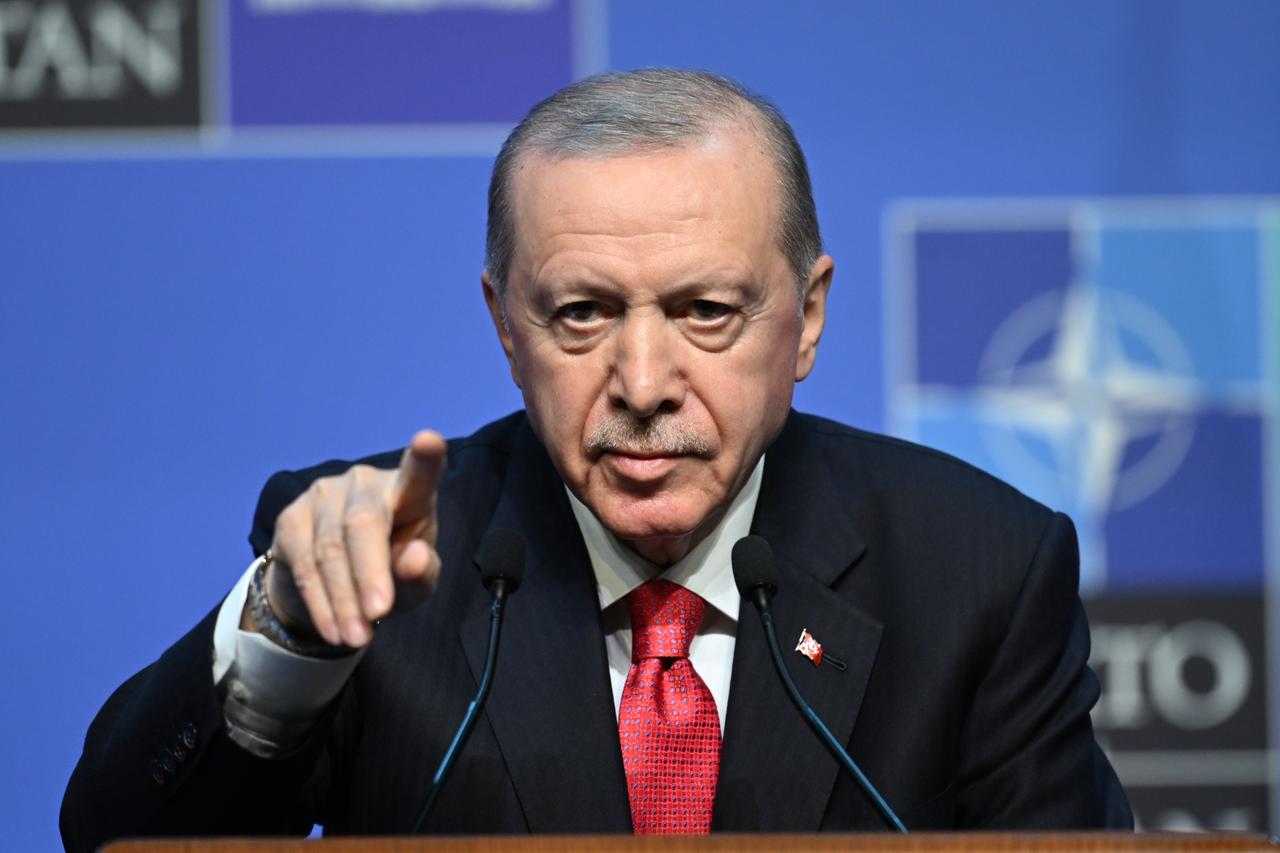
The backdrop to Mitsotakis's remarks was nonetheless shaped in part by pointed exchanges involving Türkiye.
Turkish President Recep Tayyip Erdogan, speaking at the summit's close, called for Aegean disputes to be settled directly between the two countries' leaders and dismissed Greek objections to Türkiye's pursuit of F-35 fighter jets, saying Mitsotakis "should not have fallen into such an error."
Erdogan declared that such objections "have no place in my world."
Mitsotakis, for his part, reiterated that Greece continues to face a standing threat of war from Türkiye, referring to a longstanding Turkish parliamentary resolution, and maintained that the core bilateral dispute, namely the delimitation of maritime zones in the Aegean and Eastern Mediterranean, must be resolved through adherence to international law and the United Nations Convention on the Law of the Sea.
He also noted that even absent a resolution to that long-running dispute, the two countries can still "live in peace and work on other aspects of the agenda."
No bilateral meeting between the two leaders was held on the summit's sidelines, though they exchanged a handshake at an opening reception.


 Set as preferred source
 Set as preferred source


 1 min read