Newsletters


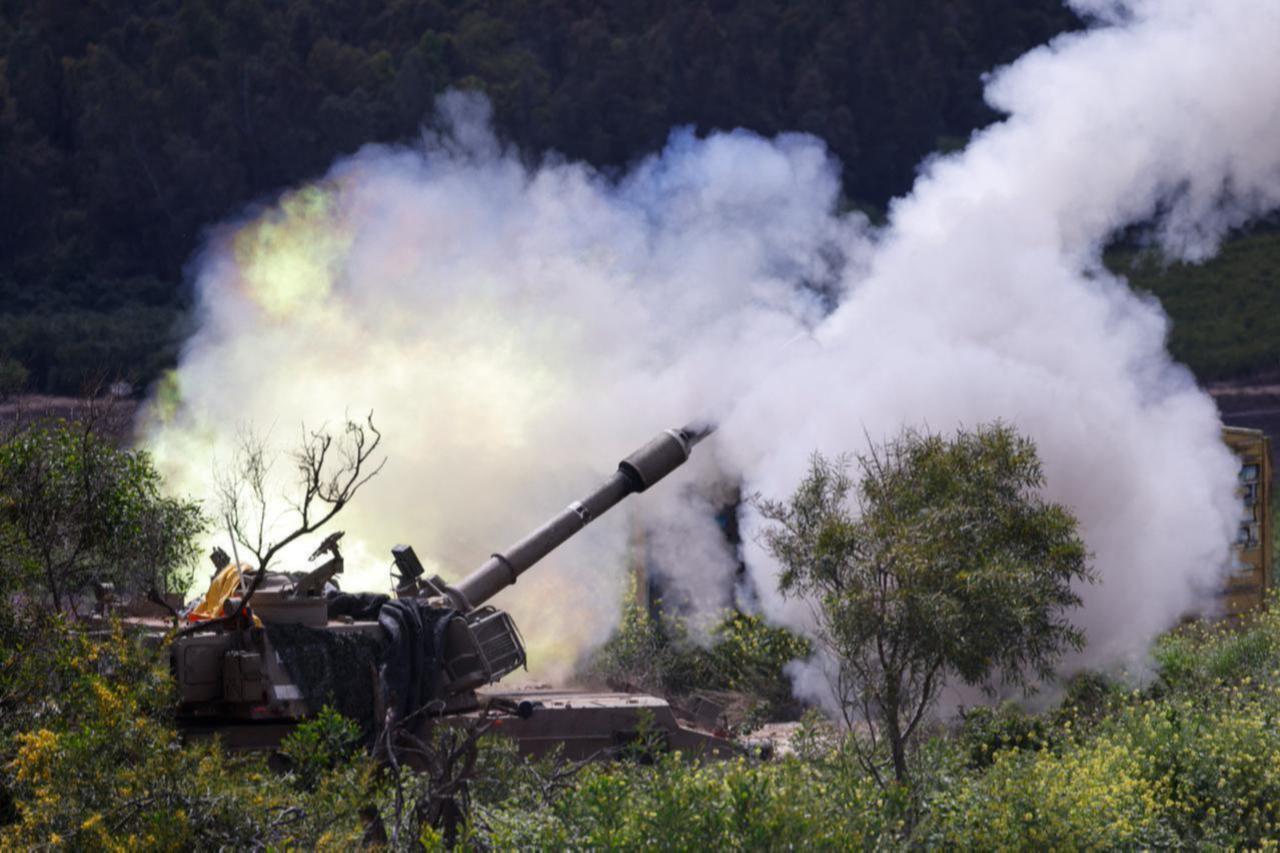


Gunfire rang out across Beirut's southern suburbs as a 10-day ceasefire between Israel and Lebanon came into effect at midnight local time Friday, even as Lebanese state media reported continued Israeli strikes in at least two towns around 30 minutes after the truce was meant to begin.
The halt in hostilities, brokered by the United States and announced by President Donald Trump, follows a conflict that has killed more than 2,000 people in Lebanon, displaced upwards of a million, and seen Israeli ground forces push into the country's south.
An Israeli strike on the southern Lebanese town of Ghazieh killed at least seven people and wounded 33 in the final hours before the truce took hold, according to Lebanon's health ministry. Three more people were injured in Israel shortly before midnight, according to an Israeli hospital spokesman.
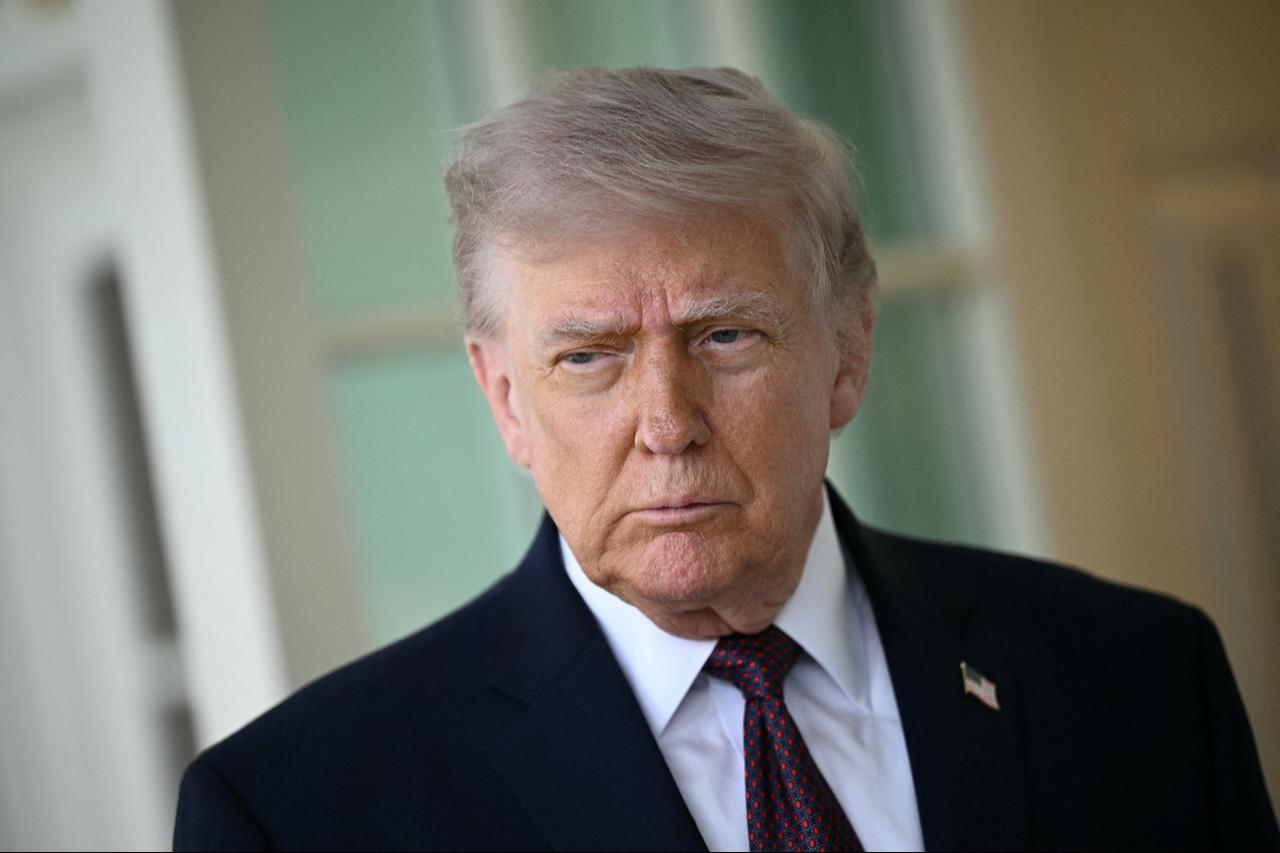

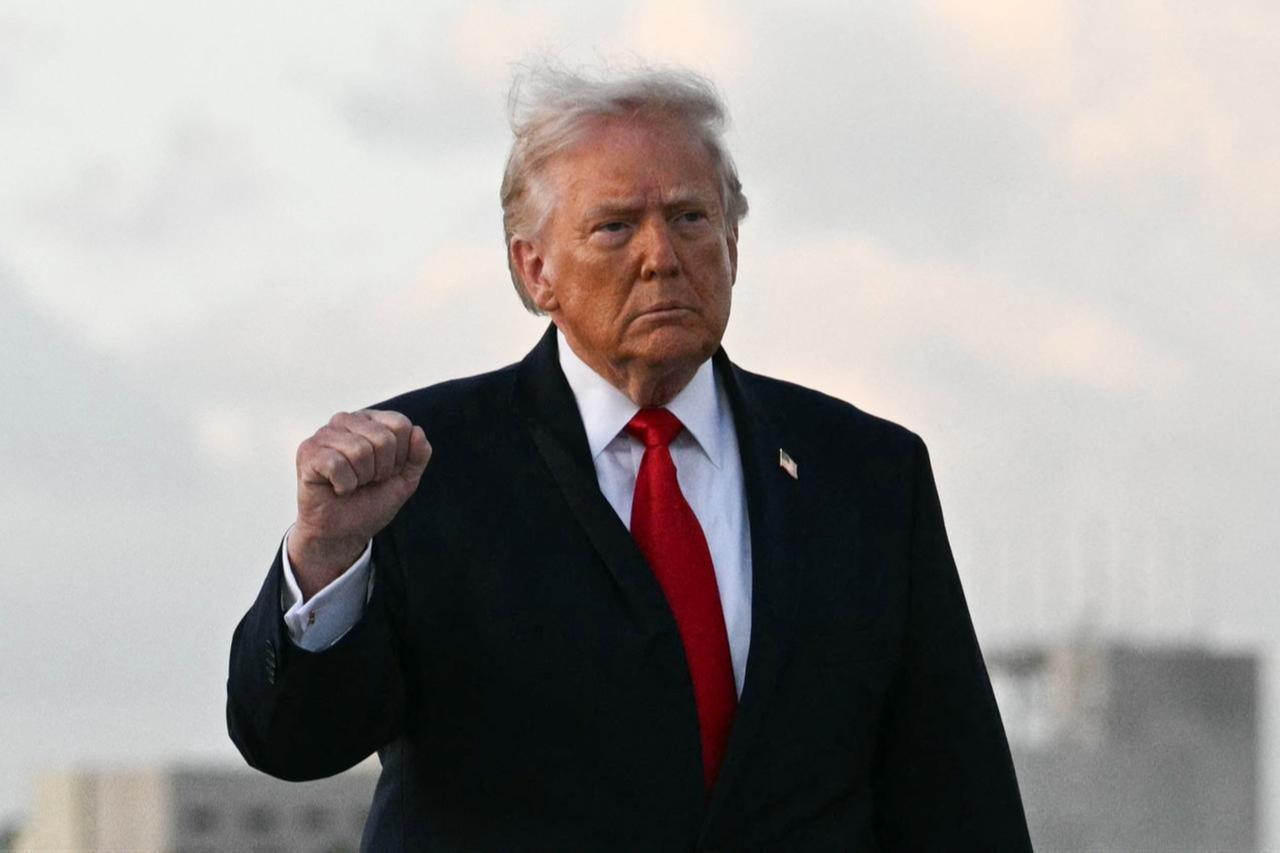
Trump said the agreement came after what he described as "excellent" phone calls with Israeli Prime Minister Benjamin Netanyahu and Lebanese President Joseph Aoun, announcing on his Truth Social platform that both leaders had agreed to a formal ceasefire beginning at 5 p.m. EST (2100 GMT).
He later indicated he expected Netanyahu and Aoun to visit the White House within four or five days, a meeting that would be the first ever between sitting leaders of the two countries.
The ceasefire is unfolding against the broader backdrop of Washington's diplomatic push to reach a deal with Iran, which has insisted that any agreement over its nuclear program must be linked to a halt in the Lebanon fighting.
The Middle East war began when the United States and Israel struck Iran on February 28; Hezbollah, the Iran-backed militant group, entered the conflict when it fired rockets at Israel on March 2, drawing Lebanon into the war.
 1 min read
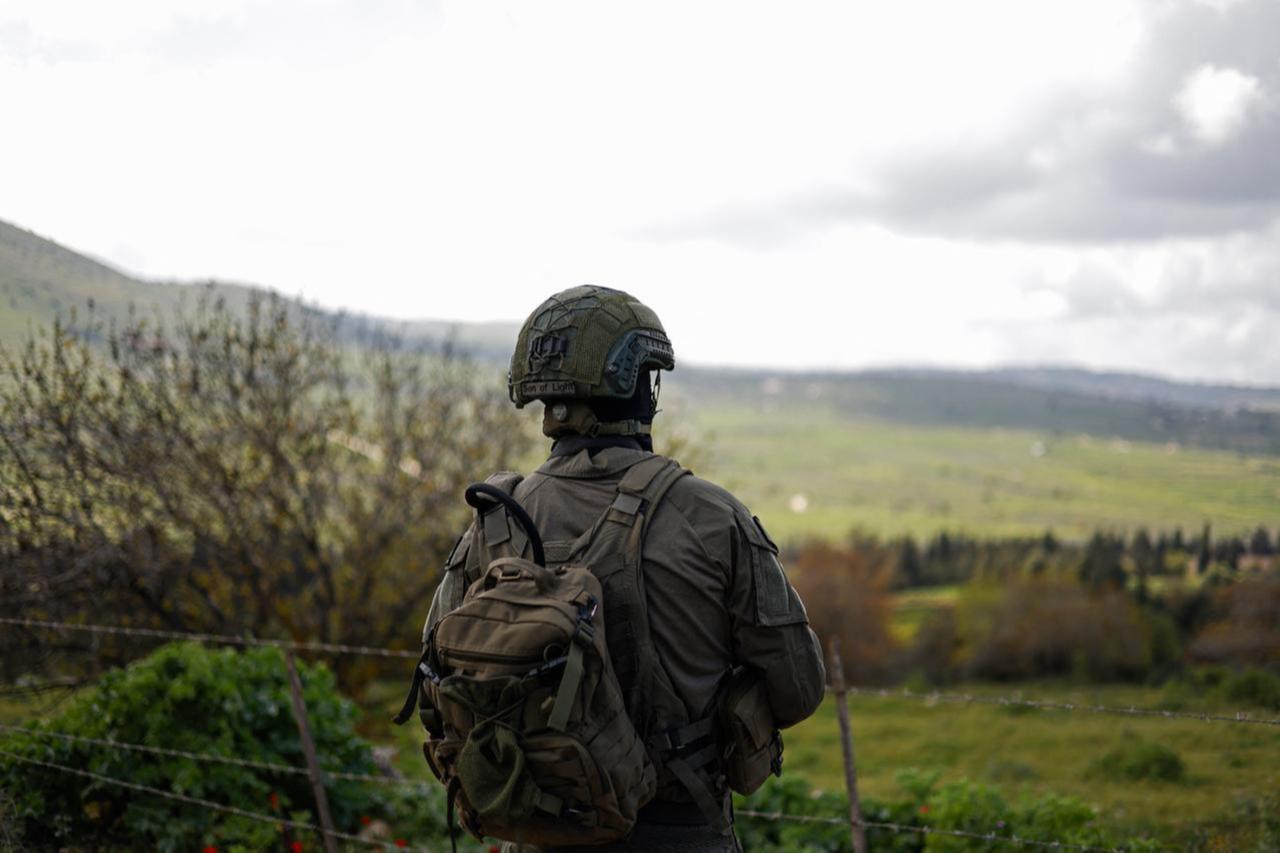
The terms of the truce have already drawn diverging interpretations. Netanyahu said the ceasefire presented an opportunity for a "historic peace agreement" with Beirut, but he maintained that disarmament of Hezbollah remained a precondition for any lasting deal.
Trump said Hezbollah was included in the ceasefire agreement, while the U.S. State Department indicated the truce required Lebanon itself to dismantle the group, a commitment that could prove deeply contentious given Hezbollah's entrenched political and military role in the country.
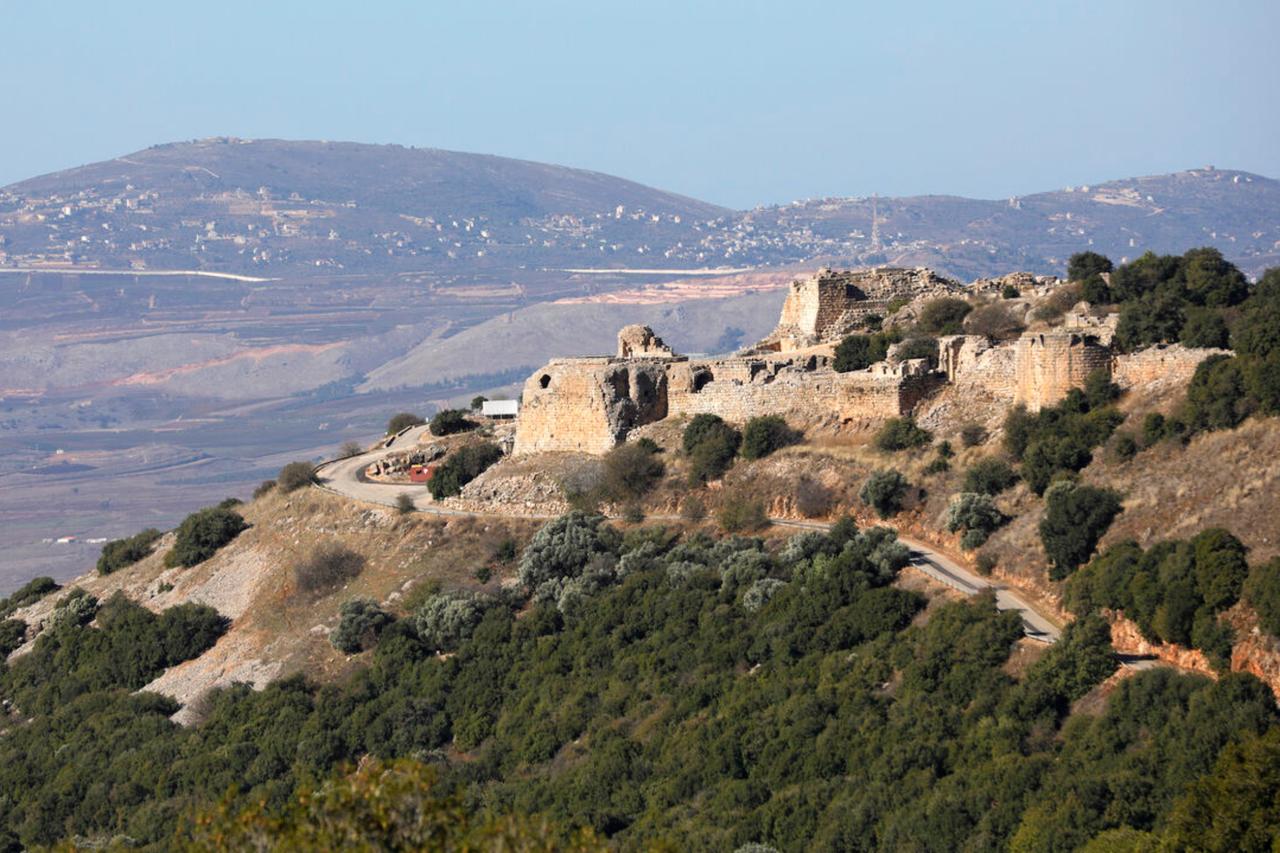
Despite the agreement, Lebanese state media reported "heavy gunfire" at midnight and said Israeli attacks continued in the towns of Khiam and Dibbin well past the ceasefire's designated start time.


 Set as preferred source
 Set as preferred source


 1 min read