Newsletters


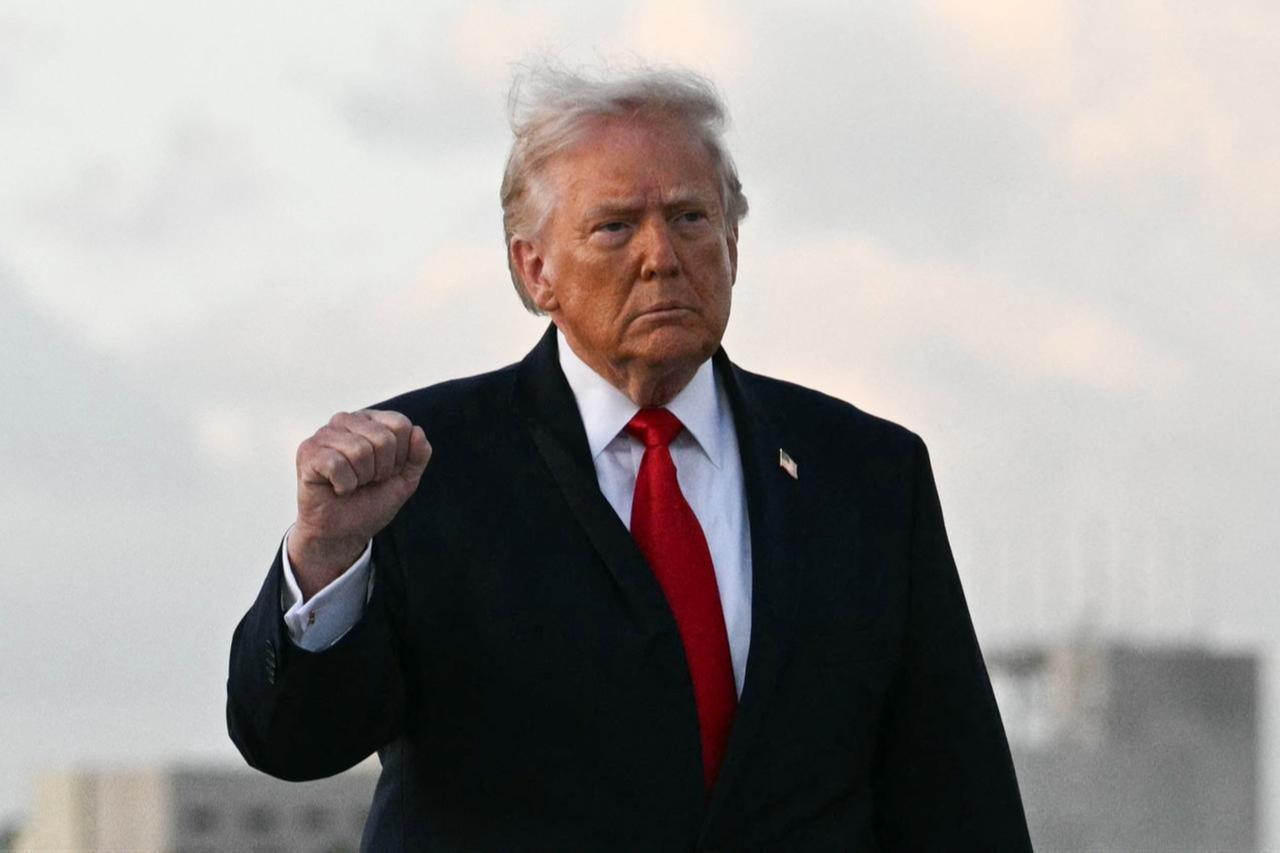


U.S. President Donald Trump announced Thursday that Israel and Lebanon have agreed to a 10-day ceasefire beginning at 5 p.m. EST, following phone calls with Israeli Prime Minister Benjamin Netanyahu and Lebanese President Joseph Aoun, and pledged to host both leaders at the White House for peace talks he described as the most significant direct engagement between the two countries since 1983.
The announcement came two days after Lebanon and Israel's ambassadors to the United States met in Washington on Tuesday in the first talks between the two countries in 34 years, convened by Secretary of State Marco Rubio. Trump said he had directed Vice President JD Vance, Rubio and Joint Chiefs Chairman Gen. Dan Caine to work with both sides toward what he called "a lasting peace."
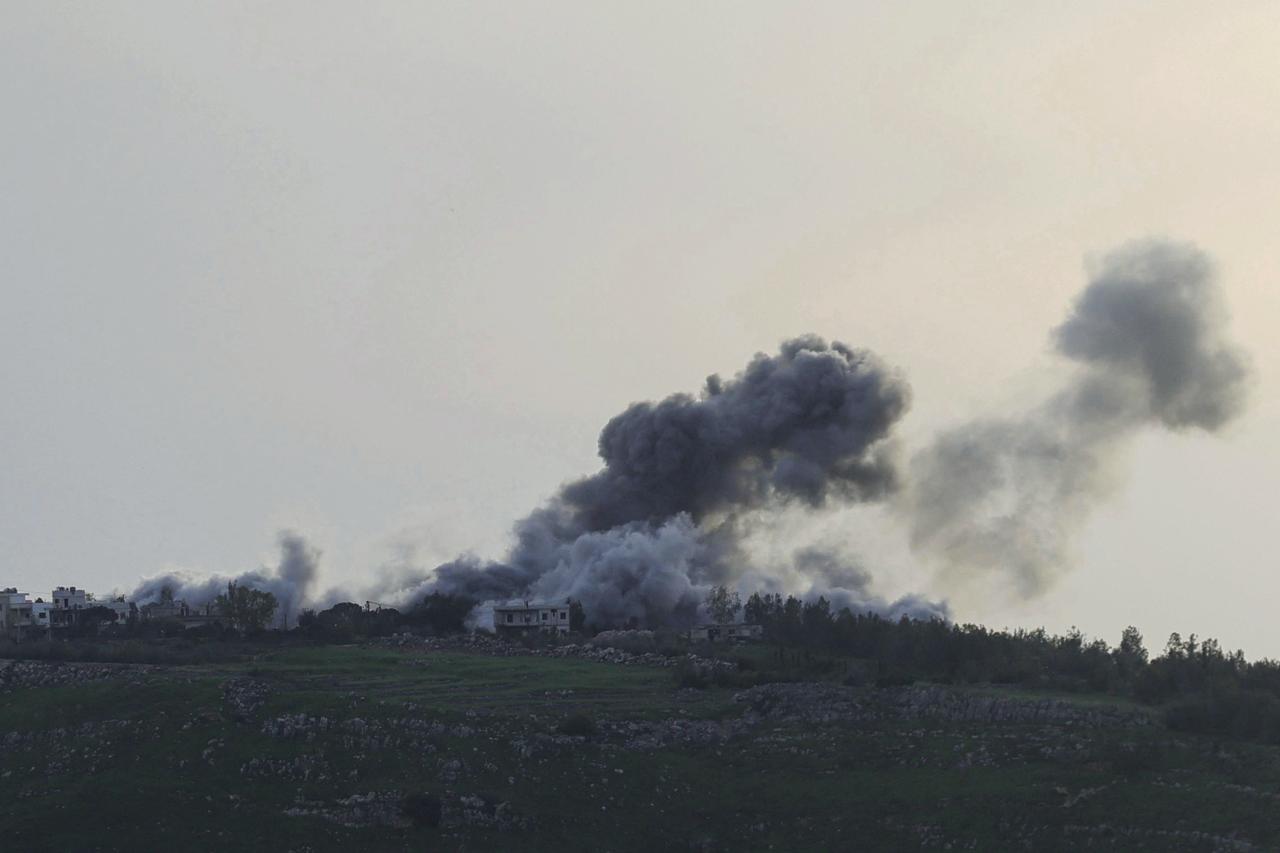
The ceasefire push comes amid an active and intensifying conflict. Fighting between Israel and Hezbollah, the Iran-backed Lebanese militant group, resumed in early March 2026 after Hezbollah launched rocket strikes on northern Israel following the U.S.-Israel military campaign against Iran that began in late February. Israel responded with airstrikes across Lebanon, including strikes on Beirut, and launched a ground operation in southern Lebanon.
The current conflict is a resumption of major fighting that first escalated in late 2023 and led to a U.S.-brokered ceasefire in November 2024. That agreement, which called for Israeli troop withdrawal from southern Lebanon and Hezbollah's disarmament and pullback north of the Litani River, was never fully implemented. After months of near-daily Israeli strikes and continued Hezbollah violations, full hostilities resumed in the spring.
Lebanon and Israel have no formal diplomatic relations and remain technically in a state of war. A 1955 Lebanese law prohibits Lebanese citizens from any contact with Israelis, though it is selectively enforced. The two countries last engaged in meaningful direct diplomacy at the 1991 Madrid Conference, a U.S. and Soviet-sponsored multilateral peace effort.
Tuesday's ambassador-level meeting in Washington came as a break from that decades-long estrangement. Lebanese President Aoun, a former commander of the Lebanese Armed Forces who took office in early 2025 after more than two years of political deadlock, had earlier offered direct negotiations with Israel in exchange for a cessation of hostilities.
Netanyahu agreed to direct talks on April 8, after Israel launched a wave of strikes across Lebanon including in central Beirut that killed more than 350 people.
Hezbollah and its supporters opposed the move, accusing Beirut of offering what they characterized as unilateral concessions to an enemy state. Lebanon's government, which took office on a platform that included disarming non-state actors, has moved to criminalize Hezbollah's military activities and declared Iran's ambassador persona non grata.
Trump cast the prospective agreement in sweeping personal terms, writing on X that it had been "my Honor to solve 9 Wars across the World, and this will be my 10th." He said both Netanyahu and Aoun had agreed to the 10-day ceasefire as a foundation for broader peace negotiations, and expressed confidence the outcome would come "quickly."
No date was announced for the White House summit.


 Set as preferred source
 Set as preferred source


 1 min read

 1 min read