Newsletters


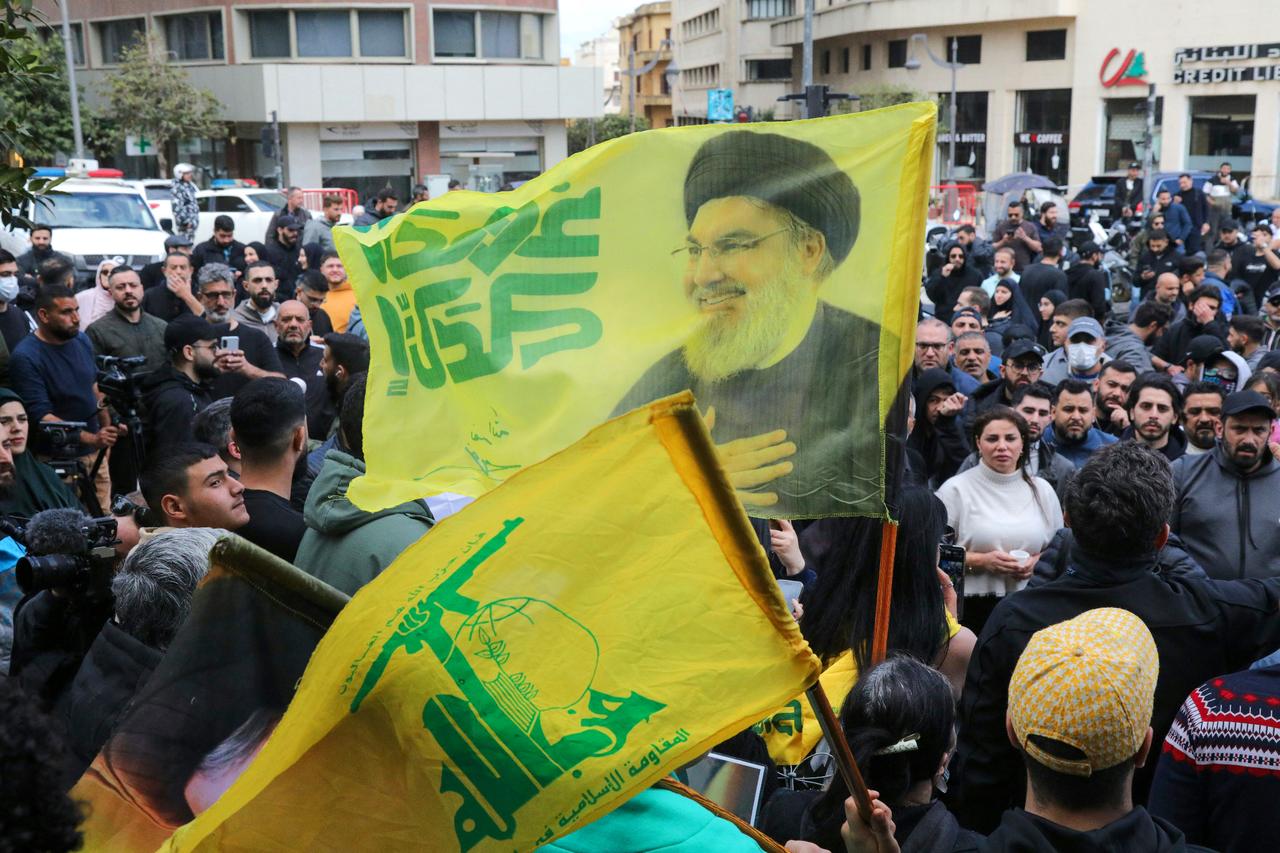


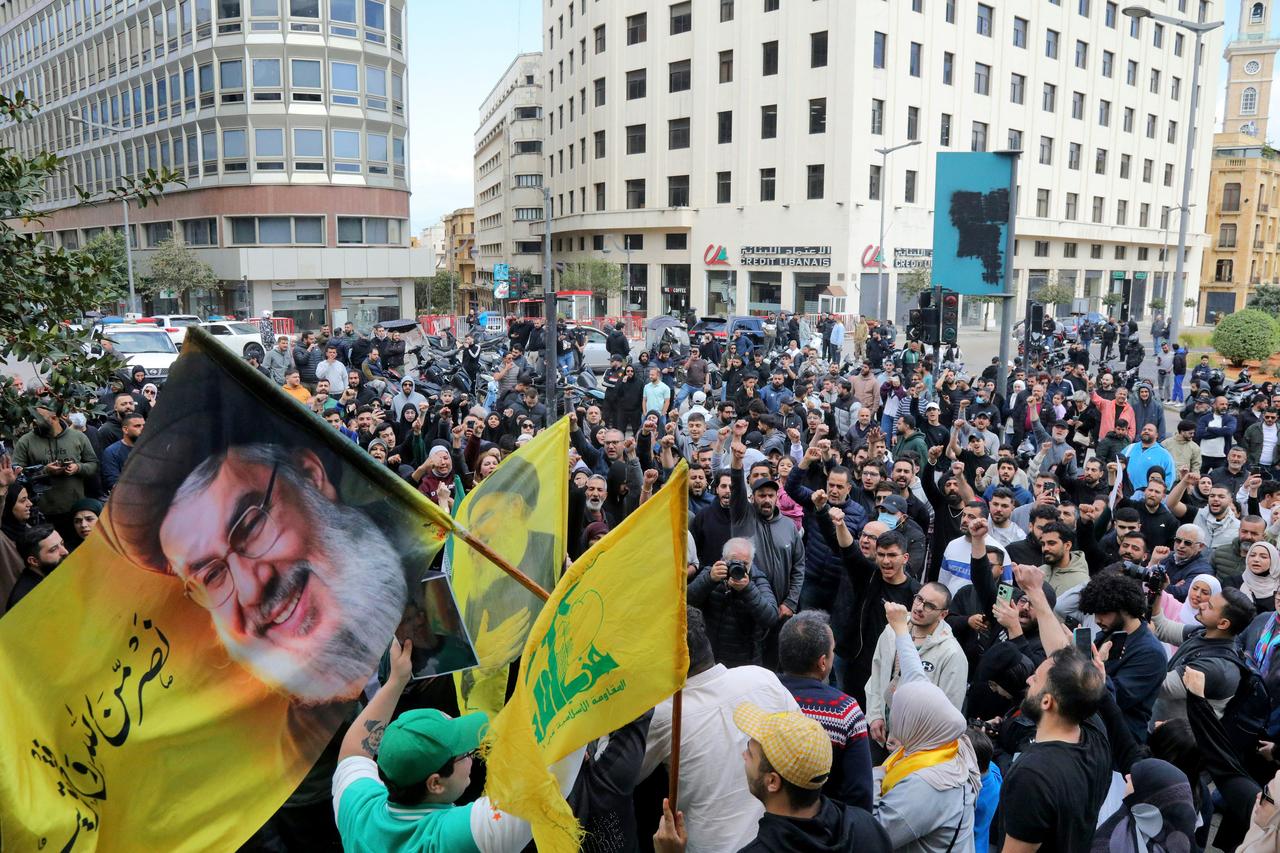
Hezbollah Secretary-General Naim Qassem vowed Friday to fight Israel "until the last breath" and urged Lebanese officials to stop making "gratuitous concessions."
The group claimed to fire missiles at Israel's Ashdod naval base in retaliation for Wednesday's strikes that killed more than 300 people.
The United Nations Children's Fund (UNICEF) also reported that nearly 600 children have been killed or wounded in Lebanon since the conflict began on March 2.

Qassem's statement was read on air on Hezbollah's Al-Manar TV and published on the group's Al-Ahed news website.
"We will not accept a return to the previous situation, and we call on officials to stop offering free concessions," Qassem said.
"Together as a state, army, people, and resistance, we protect our country, restore its sovereignty, and expel the occupier," he added, vowing to continue the resistance until the "last breath."
Qassem said the Israeli army had failed on the ground and had been unable to prevent "rockets, shells, and drones from reaching its settlements near and far, up to Haifa and beyond."
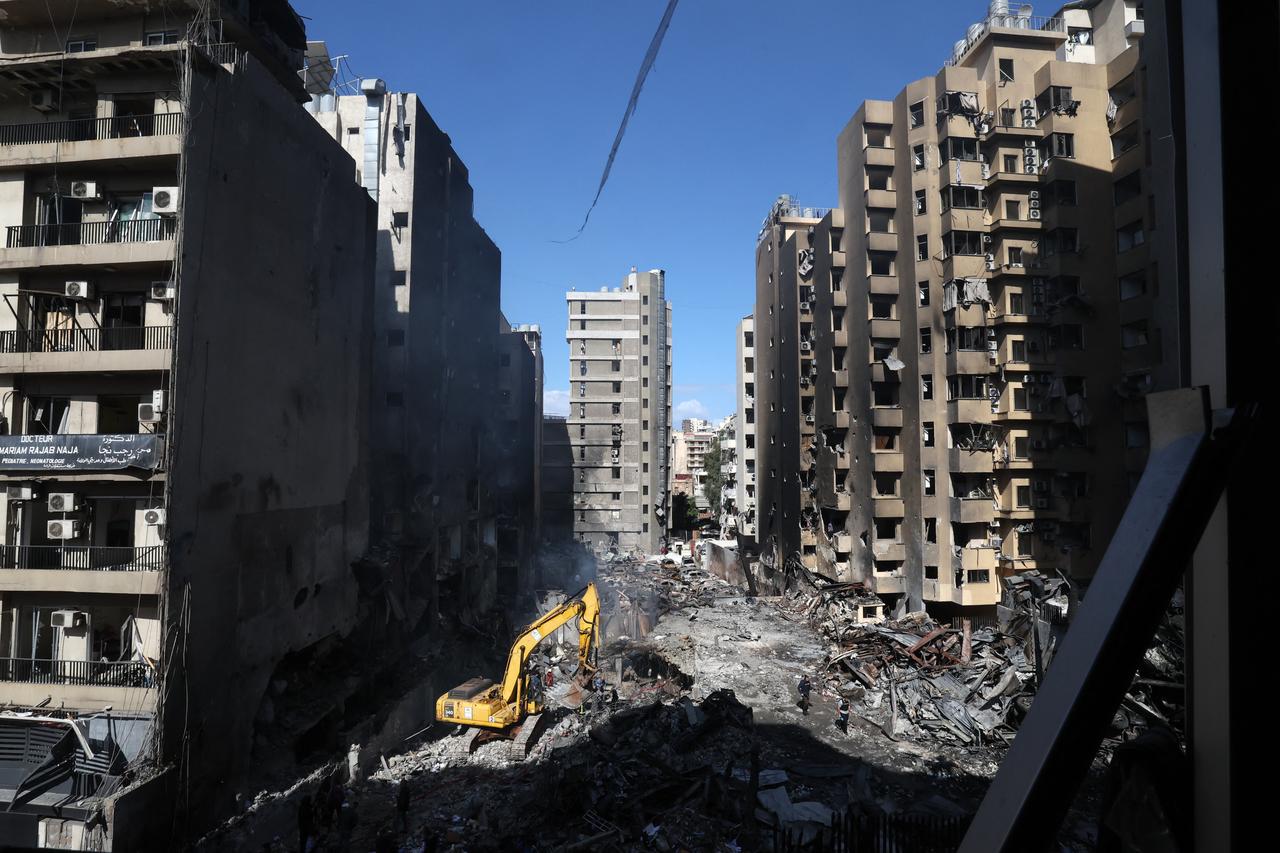
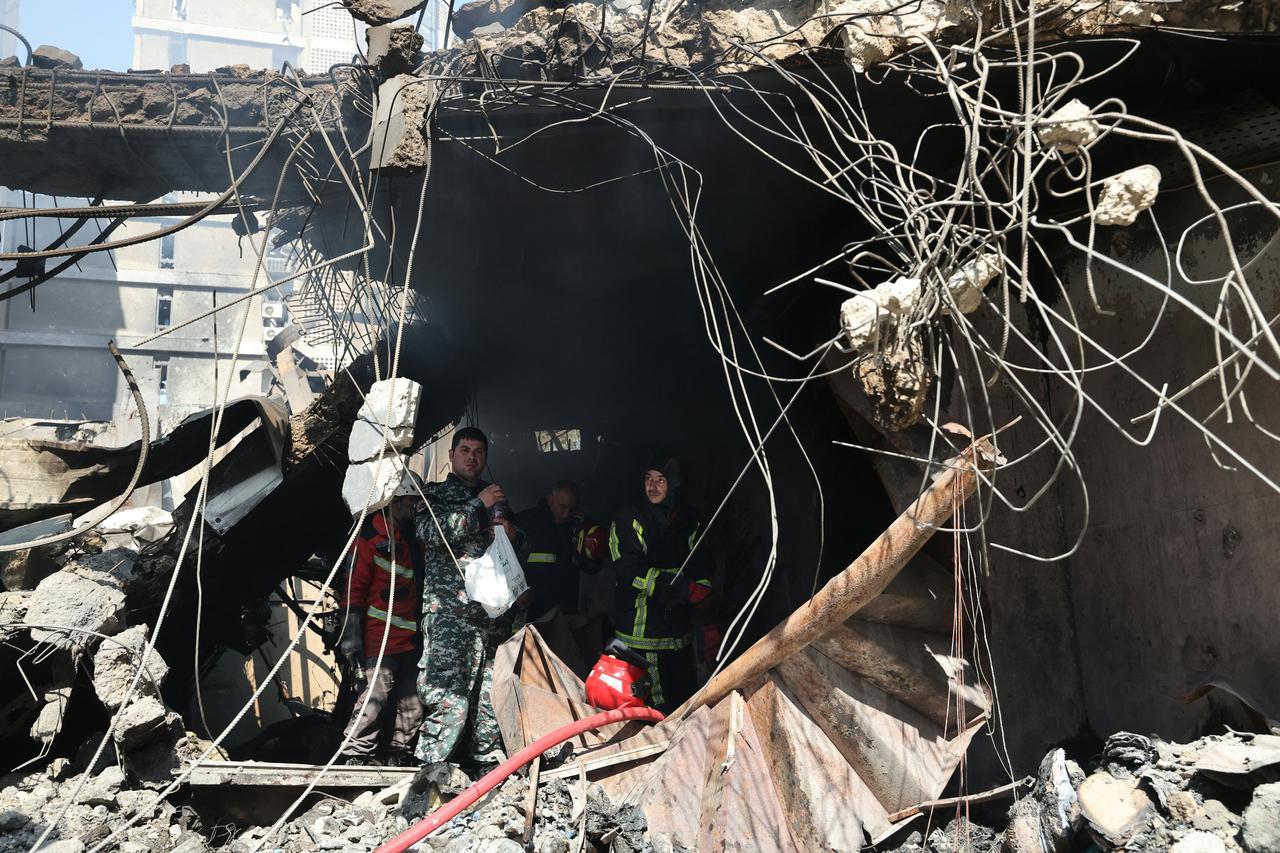
He also denounced what he called the "bloody criminality on Wednesday," when Israeli strikes killed more than 300 people in Lebanon.
He did not take a clear stance on the prospect of direct Israel-Lebanon negotiations but implicitly cautioned against them by calling for an end to "free concessions."
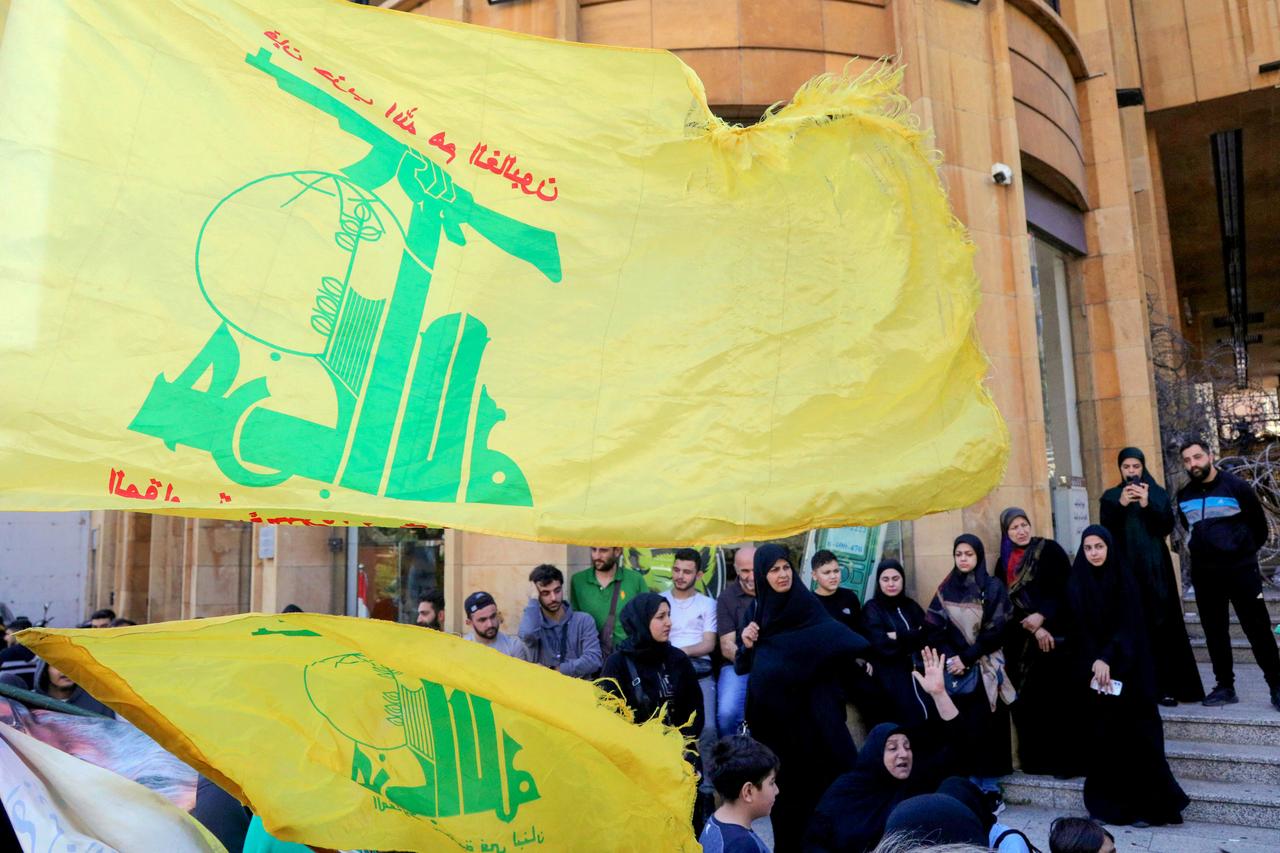
Hezbollah said it fired missiles at Israel's Ashdod naval base in direct retaliation for the Wednesday strikes on Beirut.
"In response to the enemy's violation of the ceasefire and its repeated attacks on Beirut, and after the Resistance adhered to the ceasefire while the enemy did not, the fighters of the Islamic Resistance targeted the naval base in the port of Ashdod with missiles," the group said in a statement.
The Israeli military said it has destroyed more than 200 Hezbollah rocket launchers, including approximately 1,300 launch tubes, since March 2.
An Israeli airstrike on the southern Lebanese town of Deir Qanoun Ras al-Ain damaged several ambulances, rescue and firefighting vehicles belonging to the Islamic Health Authority on Friday, Lebanon's National News Agency reported.
The strike came shortly after Israeli army spokesperson Avichay Adraee warned that the army could directly target ambulances, claiming they were being used by Hezbollah for military purposes.
No casualties were immediately reported.
Israeli Prime Minister Benjamin Netanyahu said Thursday there would be no ceasefire in Lebanon, even while signaling openness to direct negotiations with Beirut.
A U.S. State Department official told Türkiye's state-run Anadolu Agency (AA) that the U.S. will host direct talks between Israel and Lebanon next week as part of ongoing ceasefire negotiations.
A senior Lebanese source confirmed the meeting but said it was "preparatory and not a negotiation."
On Wednesday, the Israeli military said it killed Ali Yusuf Harshi, a nephew and personal secretary to Qassem, in an airstrike near Beirut.
Lebanese Foreign Minister Youssef Raggi spoke by phone with Qatar's Minister of State for Foreign Affairs Mohammed bin Abdulaziz Al-Khulaifi on Friday, saying Lebanon was counting on allied nations to help stop the ongoing escalation and implement decisions to assert full sovereignty and restrict weapons to legitimate state forces.
Khulaifi reaffirmed Qatar's support for Lebanon and condemned Israeli strikes on civilians.
Qatar sent a plane carrying medical aid that arrived in Beirut on Friday.
Iran's Foreign Minister Abbas Araghchi has demanded an end to "massacres in Lebanon," with Iranian officials warning that continued strikes constitute a violation of the truce.
Japan's Foreign Minister Toshimitsu Motegi expressed "serious concern" over Israel's ground operation in Lebanon, calling for respect for Lebanese sovereignty and territorial integrity and urging all parties to immediately stop hostilities and comply with international law.
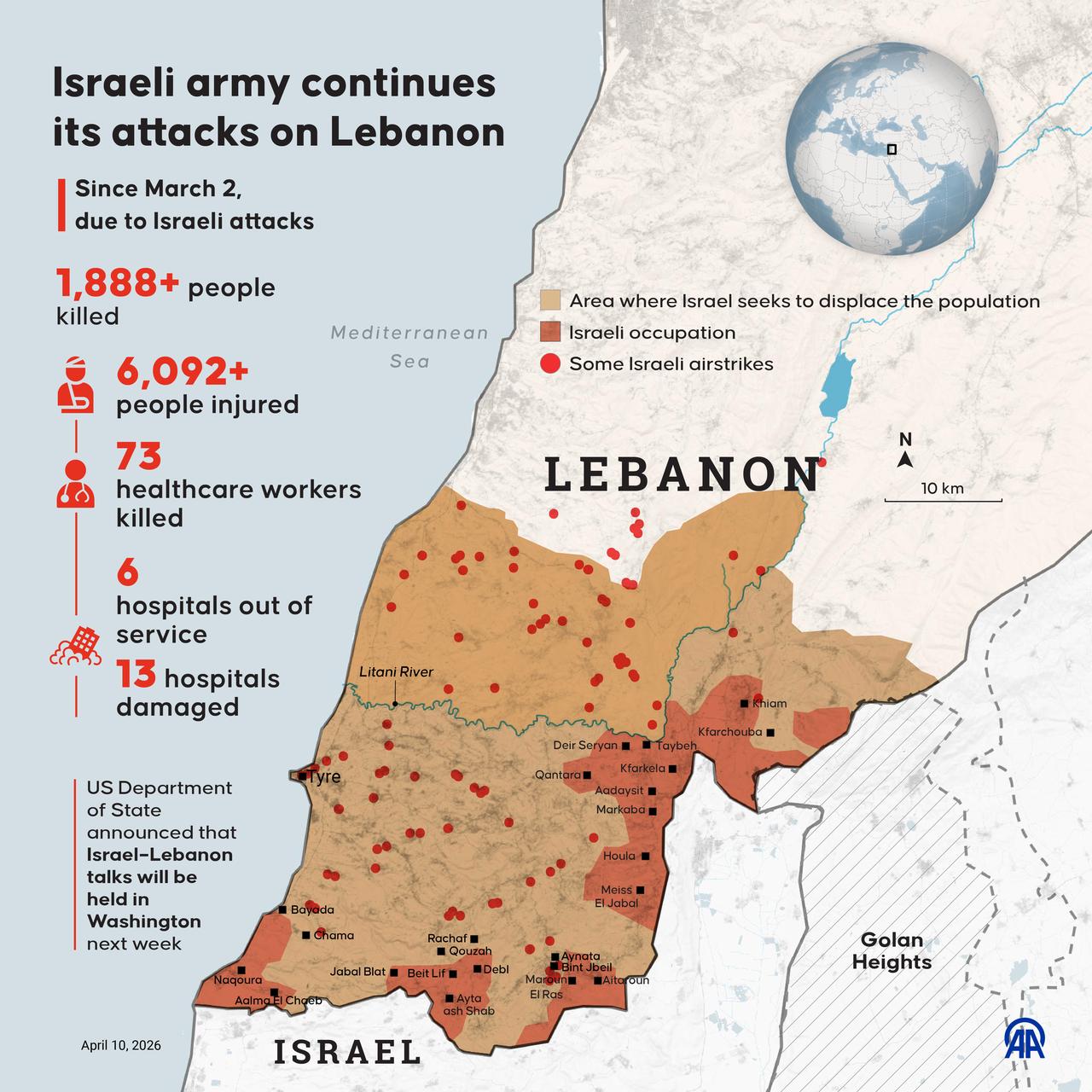
Israeli attacks on Lebanon since Wednesday have killed at least 303 people and wounded 1,150 others, according to the Lebanese Civil Defense.
Since March 2, Israeli operations have killed 1,888 people and wounded 6,092, according to the Lebanese Health Ministry. More than one million people have been displaced.


 Set as preferred source
 Set as preferred source


 1 min read
 1 min read