Newsletters


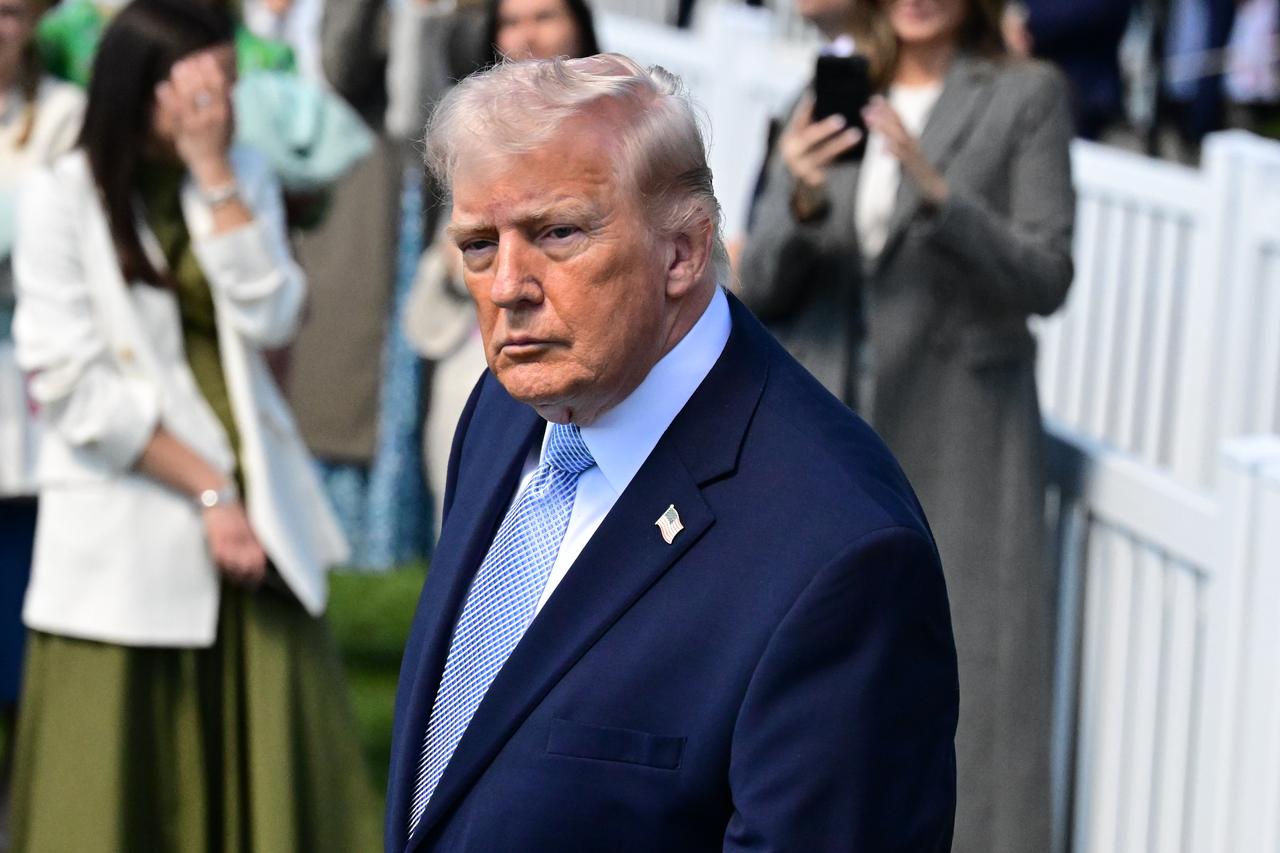


U.S. President Donald Trump said Thursday he was "very optimistic" a peace deal with Iran was within reach ahead of high-stakes talks in Islamabad.
He also asked Israeli Prime Minister Benjamin Netanyahu to scale back strikes on Lebanon and warned Iran it had "better stop" charging tolls on ships in the Strait of Hormuz, as data showed only five ships, none of them oil tankers, crossed the strait on the ceasefire's first day.
In a phone interview with NBC News, Trump struck an optimistic tone on the negotiations.
"They're agreeing to all the things that they have to agree to. Remember, they've been conquered. They have no military," Trump said of Iran's leaders.
He added that Iranian leaders "talk much differently when you're at a meeting than they do to the press. They're much more reasonable."
Trump warned, however, that failure to reach a deal would carry consequences.
"If they don't make a deal, it's going to be very painful," he said.
Trump also disputed a Wall Street Journal editorial characterizing his claims as premature, posting on Truth Social: "Actually, it is a Victory, and there's nothing 'premature' about it! Because of me, Iran will never have a nuclear weapon and, very quickly, you'll see oil start flowing, with or without the help of Iran and, to me, it makes no difference, either way."
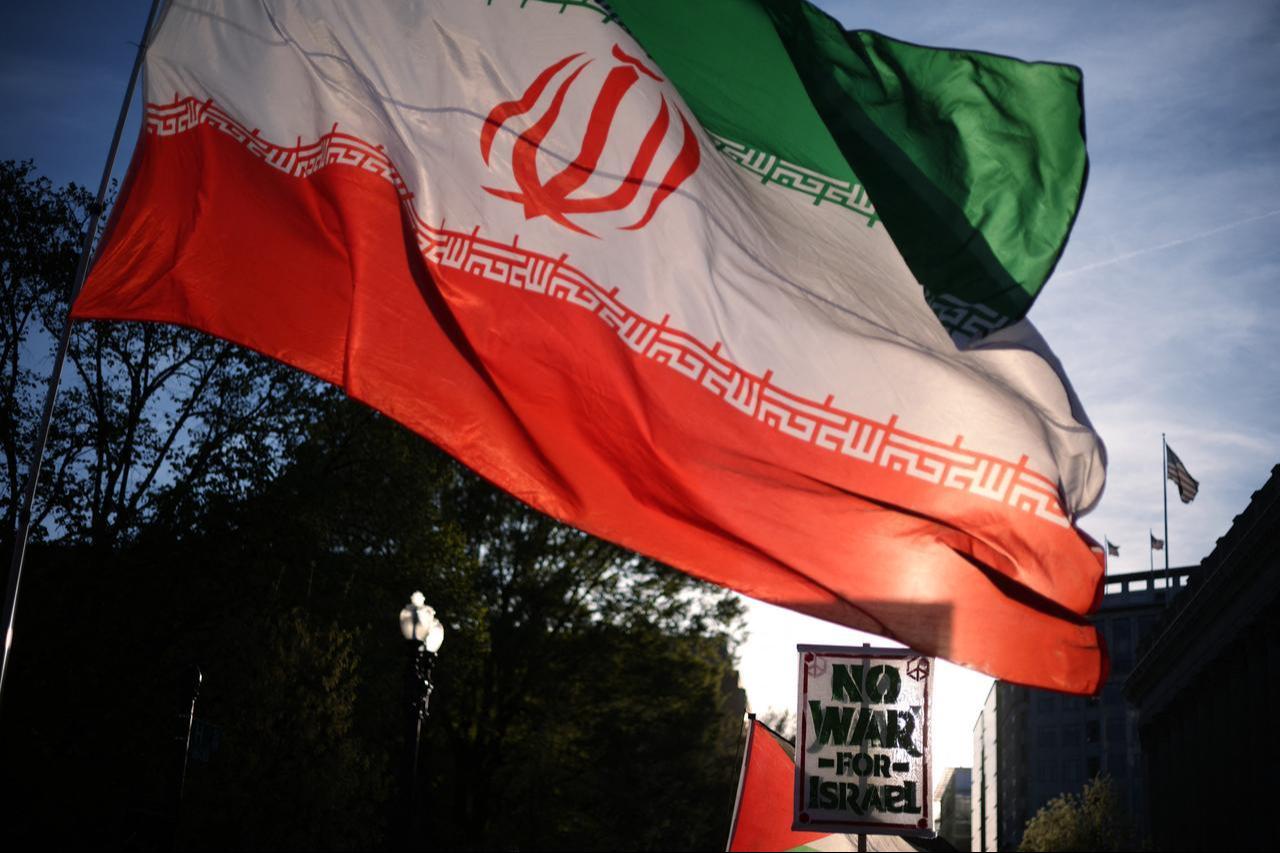

Trump confirmed he had spoken directly with Netanyahu about scaling back operations in Lebanon ahead of the Islamabad talks.
"I spoke with Bibi and he's going to low-key it. I just think we have to be sort of a little more low-key," Trump told NBC News. Two senior administration officials had earlier told the network that Trump made the request by phone on Wednesday.
Netanyahu said publicly on Wednesday that he "insisted that the temporary ceasefire with Iran not include Hezbollah, and we continue to strike them forcefully."
His chief foreign policy adviser, Ophir Falk, speaking to NBC News, refused to confirm Israel was scaling back its Lebanon operation while insisting Trump and Netanyahu were in "complete agreement."
Vance, speaking in Hungary, said Israel may "check themselves a little bit" in Lebanon. Netanyahu said Thursday his government would seek "direct negotiations" with Lebanon.
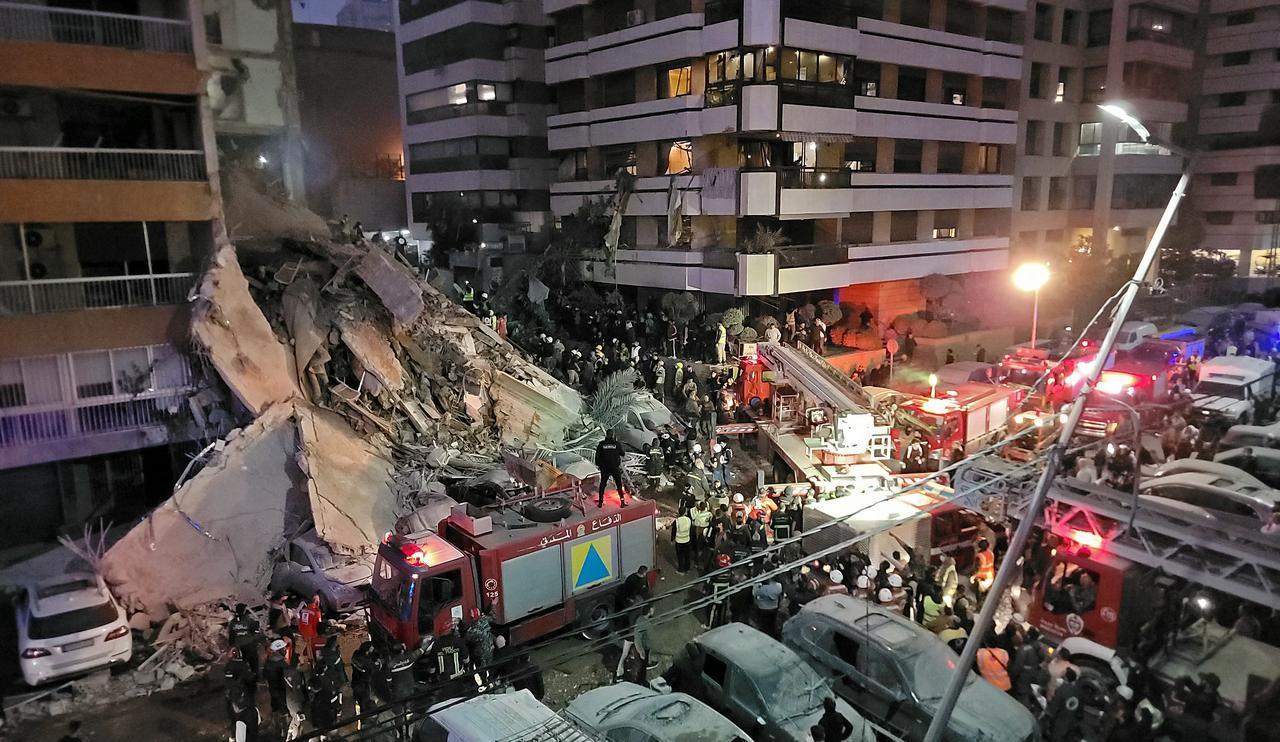
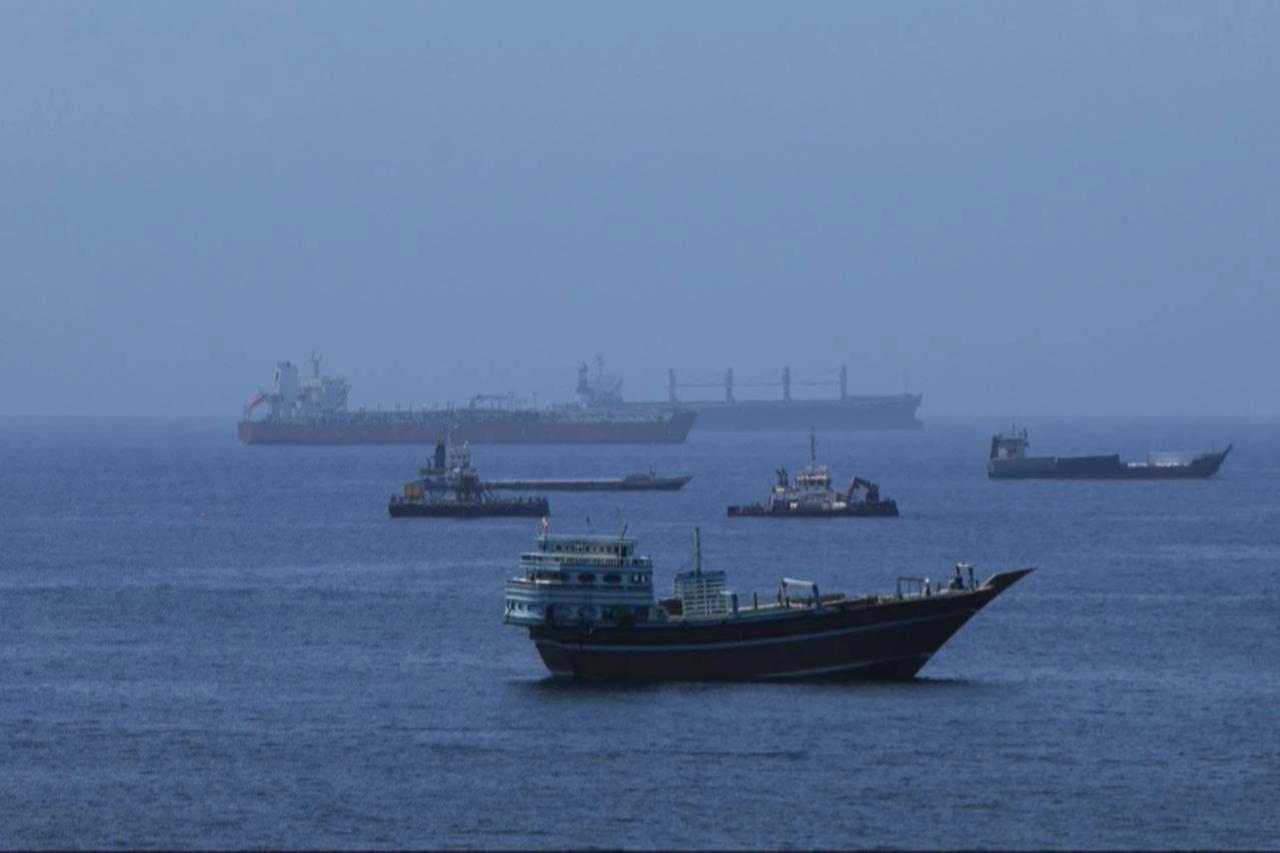
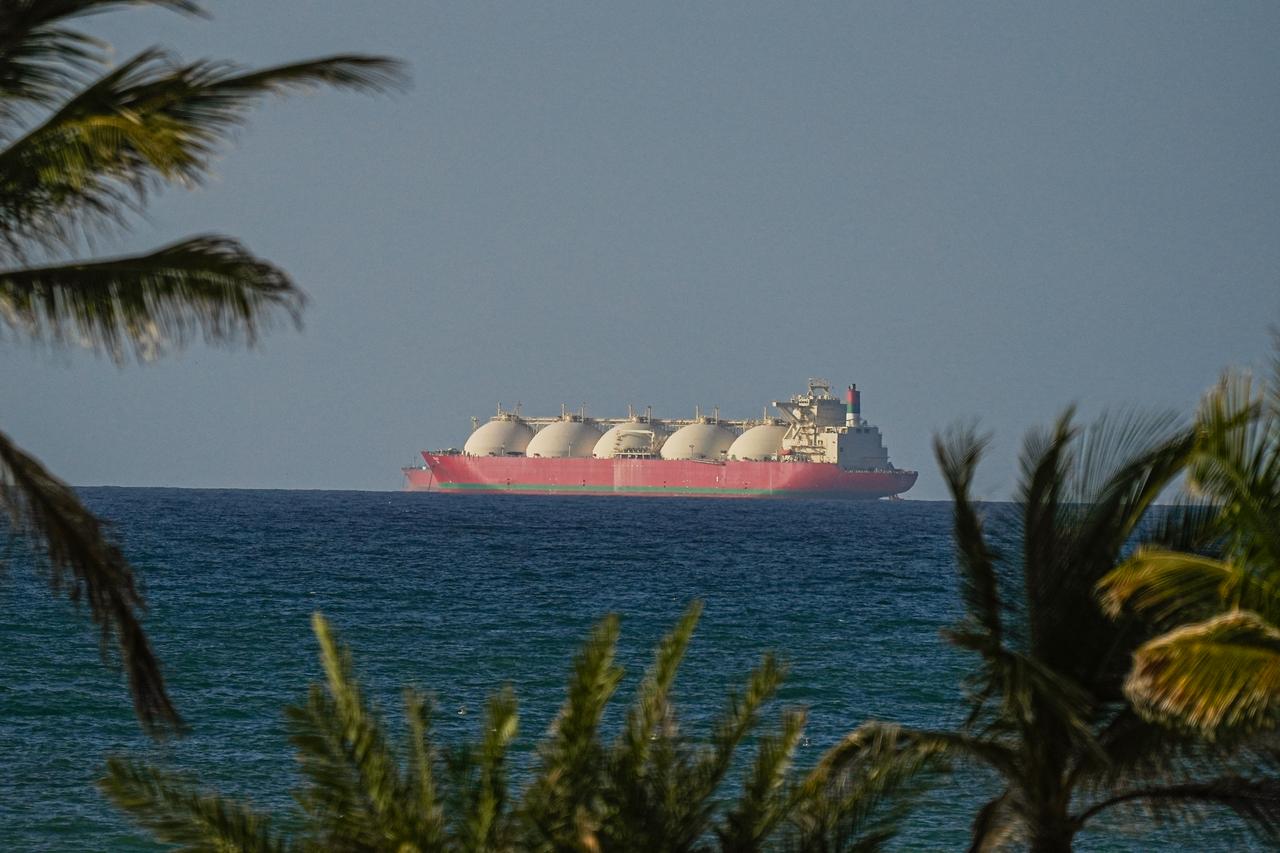
MarineTraffic, a ship tracking and maritime analytics provider, reported that only five ships crossed the Strait of Hormuz on Wednesday, the first day of the ceasefire.
All five were bulk carriers. No oil or gas tankers crossed. By Thursday midday, only two more had crossed.
UAE Industry Minister Sultan Ahmed Al Jaber, who is also chief executive of state-controlled oil giant ADNOC, posted a public rebuke of the situation. "This moment requires clarity. Let's be clear: the Strait of Hormuz is not open. Access is being restricted, conditioned and controlled," he wrote.
Trump warned Iran directly on Truth Social. "There are reports that Iran is charging fees to tankers going through the Hormuz Strait, They better not be and, if they are, they better stop now!" he wrote.
In a separate post, Trump said Iran was "doing a very poor job, dishonorable some would say," adding: "That is not the agreement we have!"
White House press secretary Karoline Leavitt called any continued closure "completely unacceptable" but said Trump had been privately assured the strait would be open.
"We have seen an uptick of traffic in the strait today," she said, adding that public reports of a near-closure were "false."
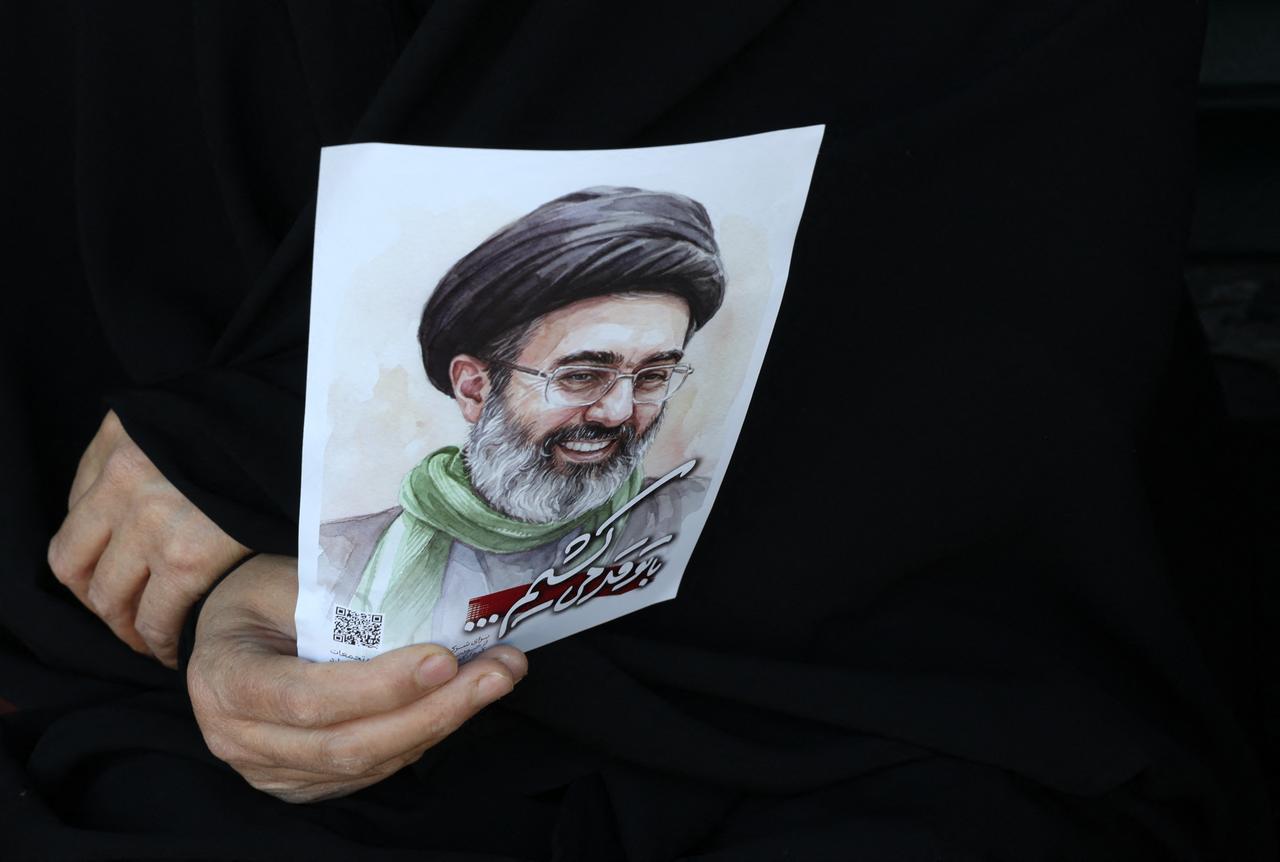
Iranian Supreme Leader Mojtaba Khamenei said Thursday that management of the Strait of Hormuz "will certainly enter a new phase" and vowed Iran would demand full compensation for war damages.
"We will certainly not leave the criminal aggressors who attacked our country unpunished. We will demand compensation for all damages, as well as the blood of the martyrs and the wounded," Khamenei said.
He warned that Iran remains prepared to respond to any renewed aggression.
"Our hands are on the trigger," he said, adding that "any mistake by adversaries would be met with a decisive response."
Iran's Ambassador to Pakistan Reza Amiri Moghadam posted on X that the Iranian delegation would arrive in Islamabad on Thursday night, then deleted the post less than an hour later without explanation.
He said the group was traveling "despite skepticism of Iranian public opinion due to repeated ceasefire violations by the Iranian regime" and on the invitation of Pakistani Prime Minister Shehbaz Sharif.
A former IRGC commander, Hussein Kanani Moghadam, told NBC News from Tehran that many of Iran's conditions were unlikely to be accepted by Washington but said Tehran was prepared to make concessions.
"Negotiation between Iran and the United States is like a trade, both sides have to give something," he said.
Vance, who had been in contact with Pakistani intermediaries throughout the past two weeks, repeatedly communicated a "stern message" that Trump was growing increasingly impatient and would pressure Iranian infrastructure further until a deal was reached, according to a source familiar with the discussions.
Pakistani authorities have deployed hundreds of additional police and paramilitary forces in Islamabad ahead of the talks, according to The Associated Press (AP).


 Set as preferred source
 Set as preferred source


 2 min read