Newsletters




Hezbollah chief Naim Qassem declared Monday that any military action against Iran would be considered an assault on the Lebanese militant group itself, cautioning that a new war with Tehran could set the entire region ablaze.
The warning comes as tensions escalate following President Donald Trump's announcement last week that a U.S. "armada" was moving toward the Gulf. While Trump appeared to step back from immediate military intervention, he has maintained that military options remain on the table as Washington monitors Iran's deadly suppression of recent protests.
"A war on Iran this time will ignite the region," Qassem said during a televised address at a solidarity rally for Iran. He emphasized that Hezbollah and its primary backer face an "aggression that does not distinguish between us."
Qassem revealed that over the past two months, his organization received "a clear and explicit question" through intermediaries about whether Hezbollah would intervene if the United States and Israel launched military operations against Iran. The mediators sought a "pledge from the party that it would not intervene," he said.
The Hezbollah leader stopped short of committing to specific actions, stating only that "we are not neutral" and that the group would determine its response based on battlefield developments and strategic interests.
Iran has served as Hezbollah's principal supporter since the group's formation in the 1980s, providing substantial funding and weaponry. The relationship has made Hezbollah a key component of Iran's regional influence, particularly in its rivalry with Israel and the United States.
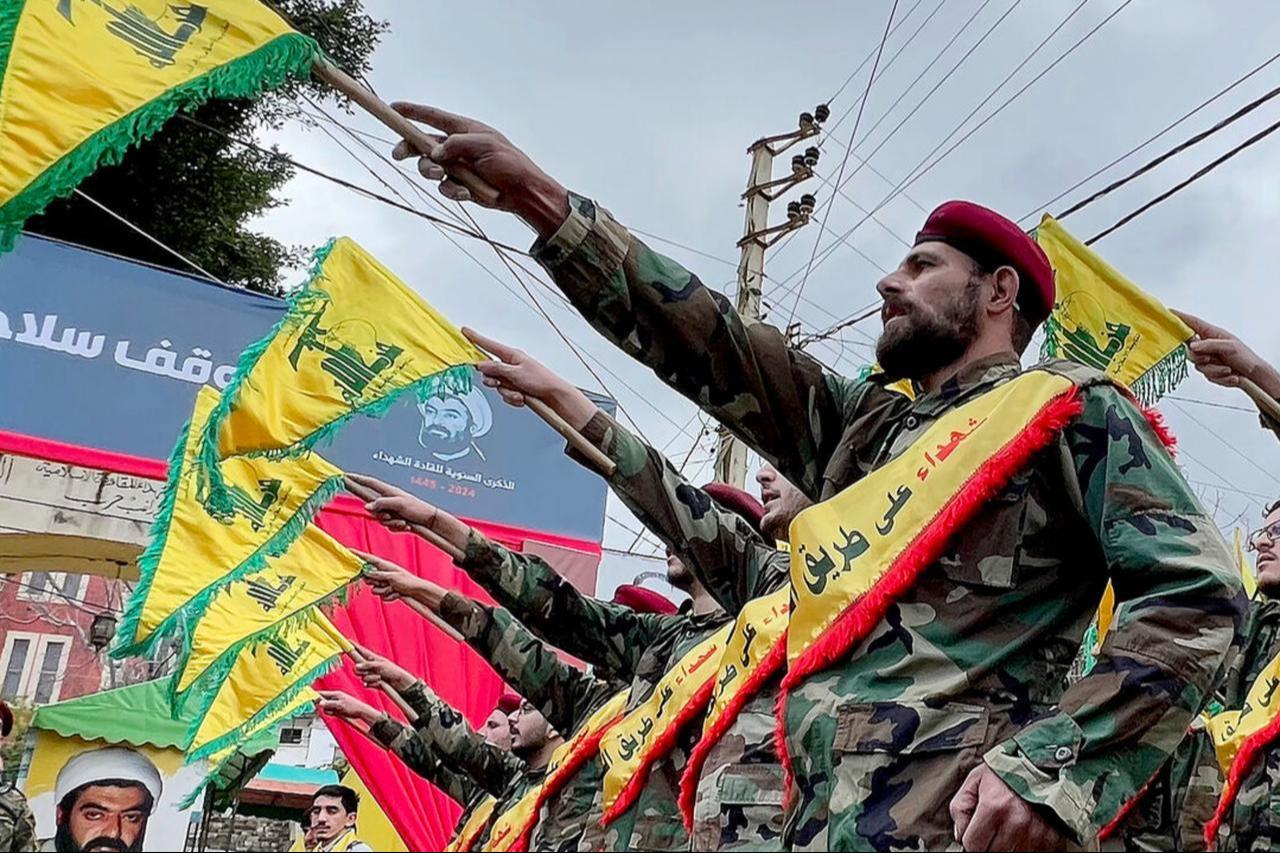

More than a year of fighting between Israel and Hezbollah largely concluded with a ceasefire in November 2024, though the confrontation significantly diminished the militant organization's capabilities. The Lebanese government has since initiated a disarmament plan targeting Hezbollah forces in southern Lebanon.
Despite the ceasefire agreement, Israeli military operations have continued. Lebanon's health ministry reported three fatalities Monday from Israeli strikes in the south, including Sheikh Ali Noureddine in Tyre and two others near Nabatiyeh in Kfar Rumman.
Hezbollah's Al-Manar television identified Noureddine as a former presenter of religious programs at the network and the imam of Al-Howsh in Tyre's suburbs. The group's media office characterized his death as a "treacherous assassination."
The Israeli military countered that Noureddine had "served as head of an artillery squad" for Hezbollah in the area. Israel maintains troops at five strategic locations in southern Lebanon and continues conducting strikes against what it identifies as Hezbollah targets.
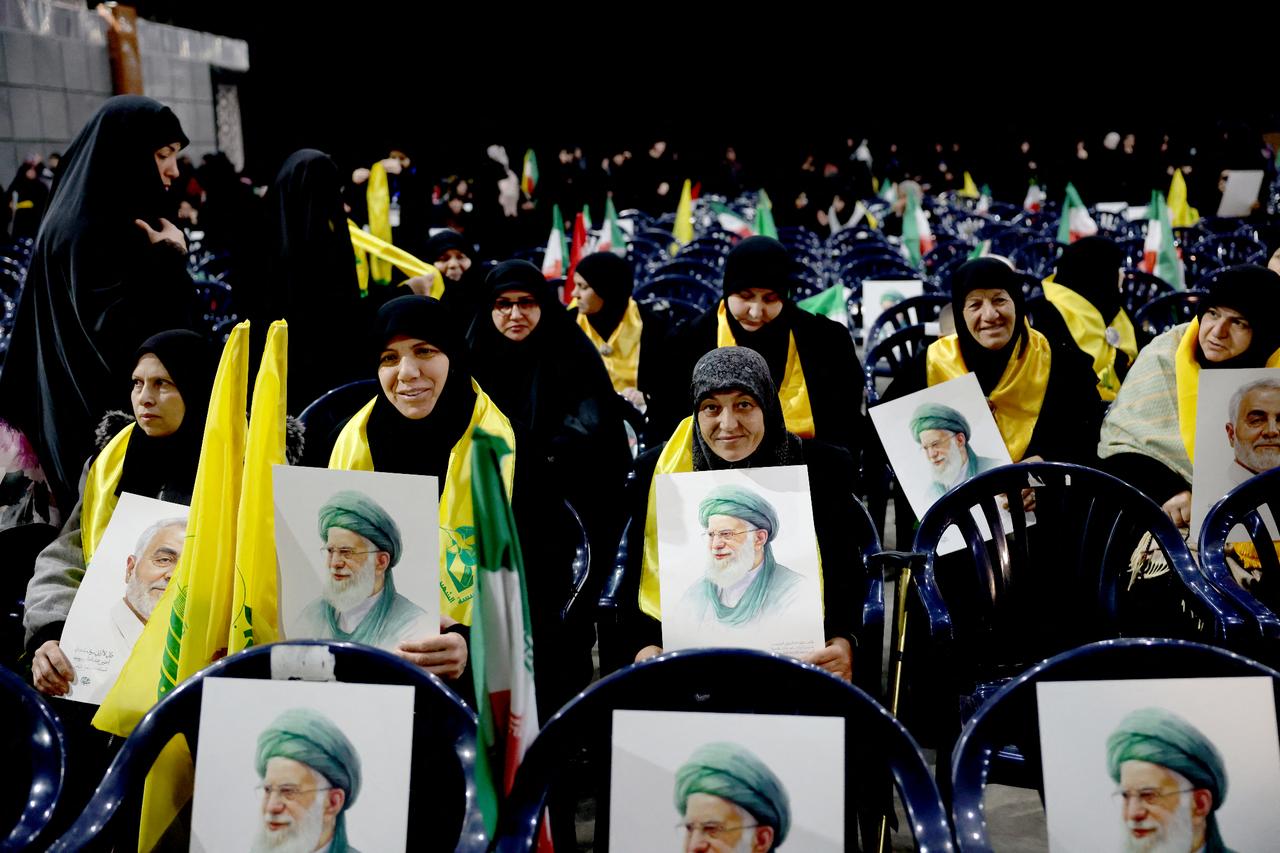
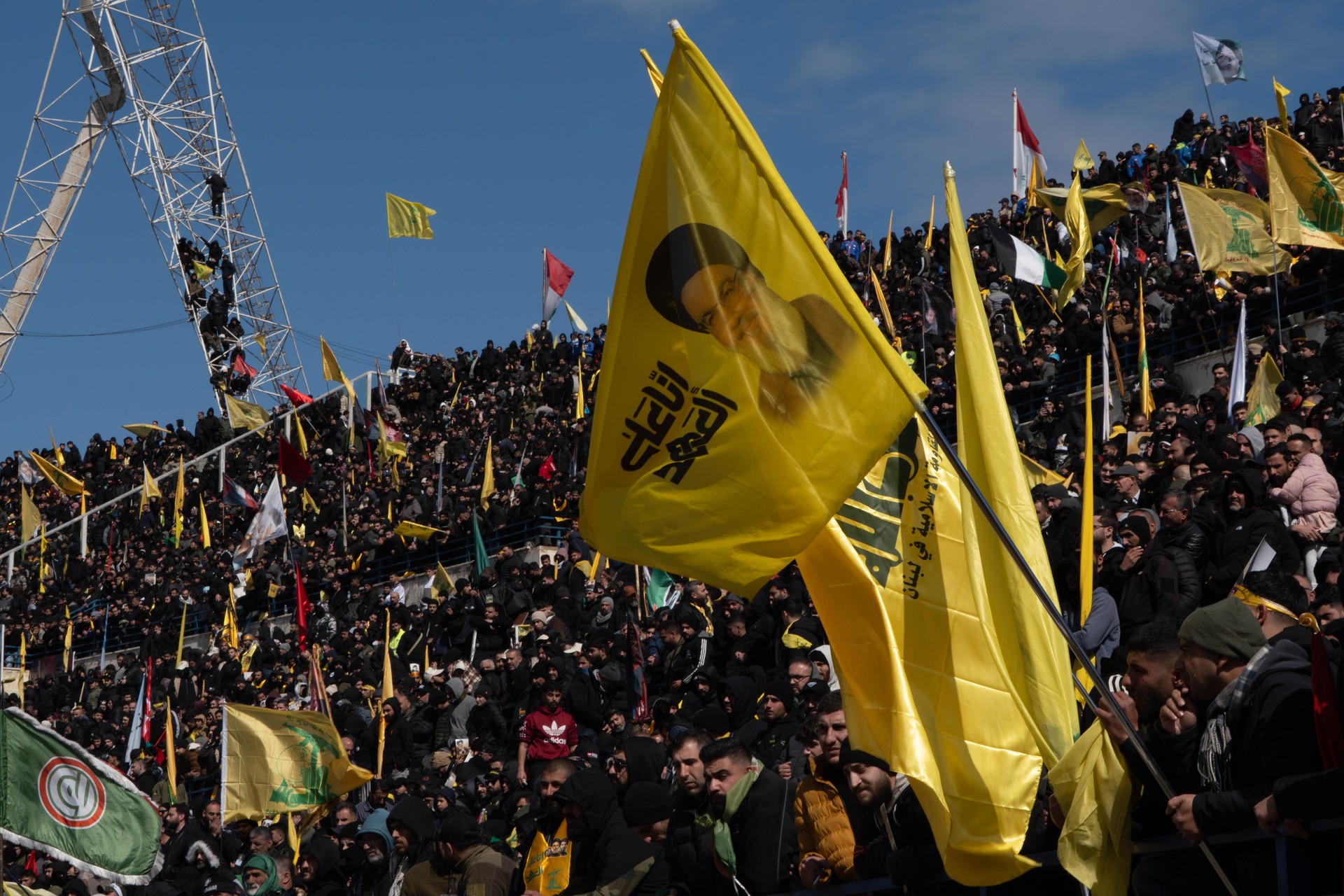
Hezbollah mobilized supporters across Lebanon Monday for demonstrations backing Iran "in the face of American-Zionist sabotage and threats." In Beirut's southern suburbs, a Hezbollah stronghold, protesters displayed images of Iranian Supreme Leader Ali Khamenei alongside Hezbollah and Iranian flags while chanting anti-American slogans.
Qassem also issued a stark warning regarding any potential assassination of Khamenei, after both Iran and the United States threatened war if their respective leaders were targeted. Such an act would constitute an "assassination of stability in the region and the world," he said, adding that Hezbollah views threats against the Iranian leader as "directed at us as well."
Lebanese Information Minister Paul Morcos condemned Monday's Israeli strikes, noting that the attacks "do not spare press and media personnel."


 Set as preferred source
 Set as preferred source


 1 min read
 1 min read