Newsletters


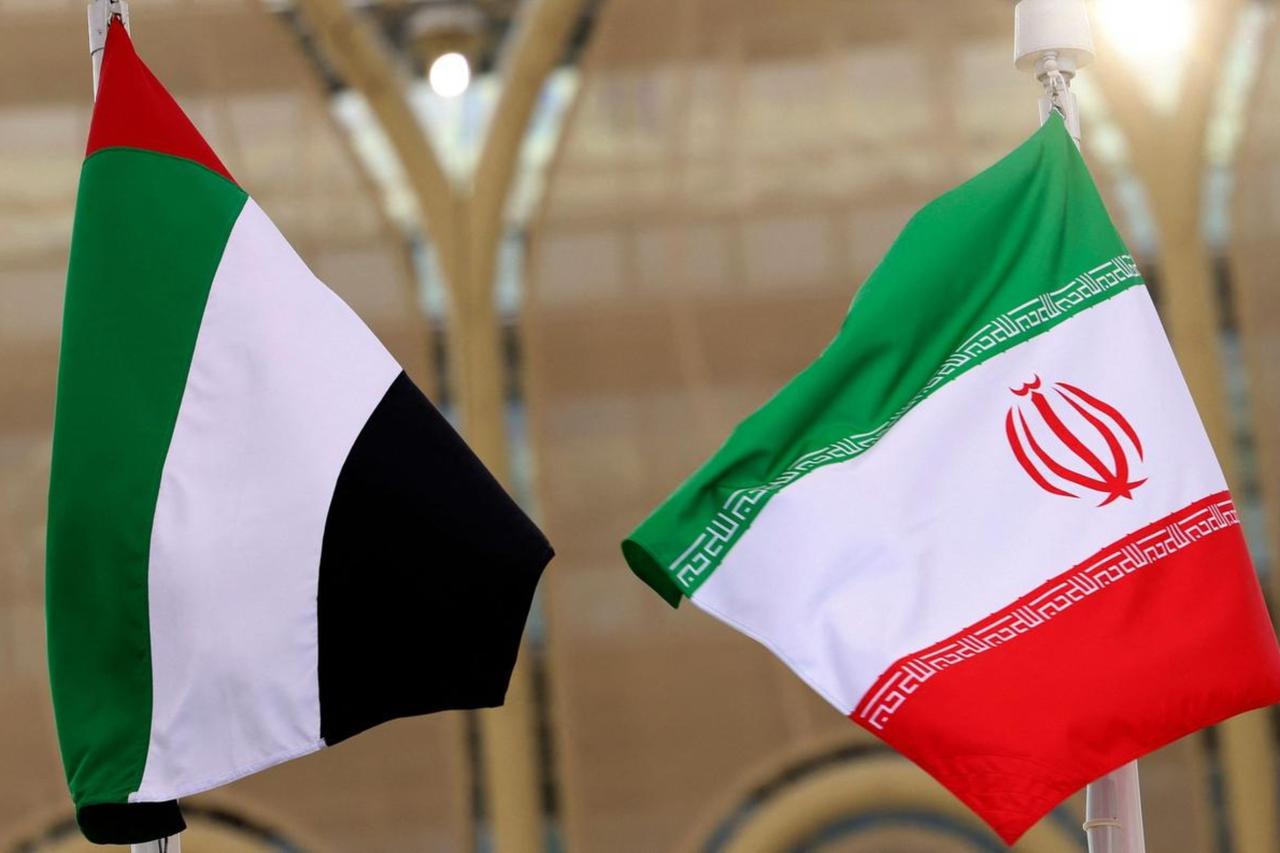


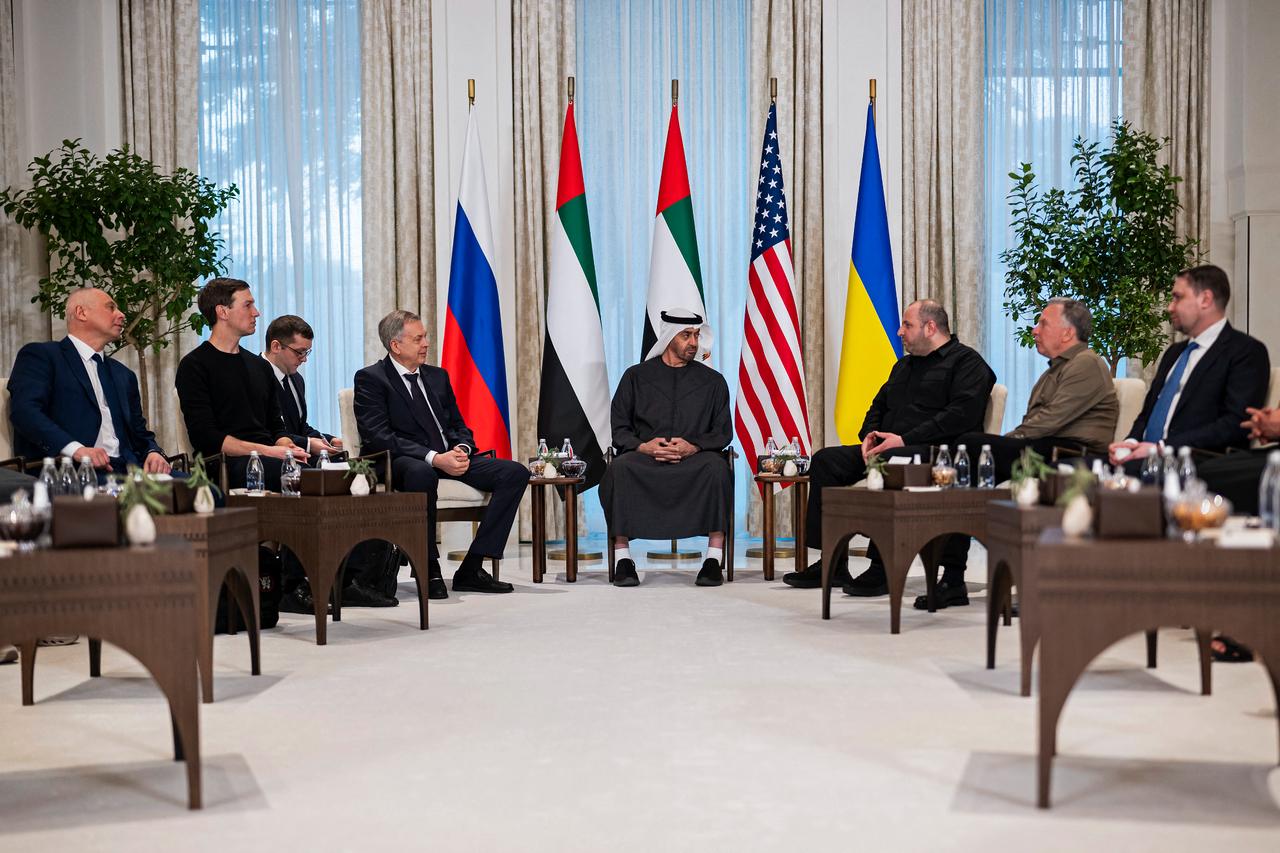
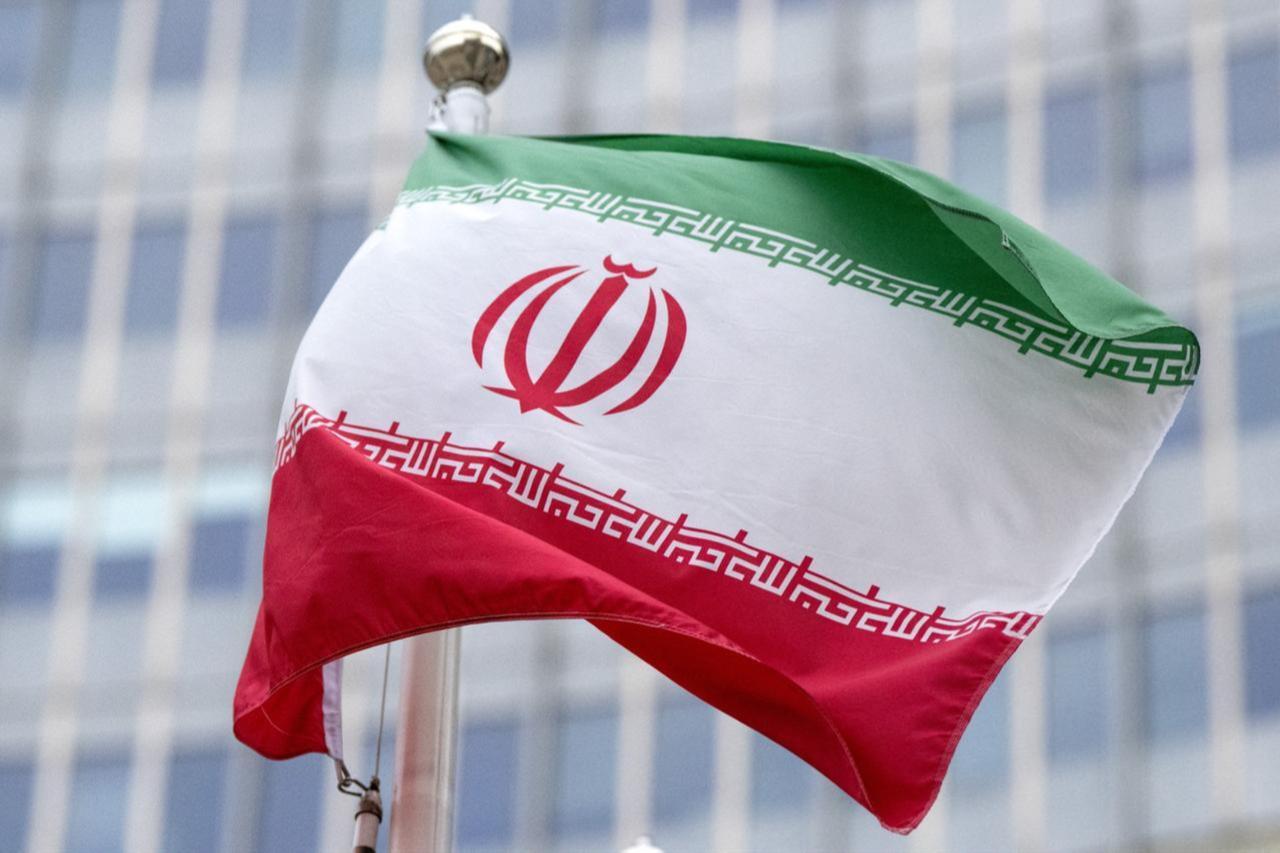
The United Arab Emirates announced Monday it will not permit its airspace, territory or territorial waters to be used for hostile military operations against Iran, reaffirming its commitment to neutrality as American forces mass in the region.
The declaration from the UAE foreign ministry comes amid heightened tensions following President Donald Trump's deployment of what he called an "armada" toward Iran last week. Trump said he hoped military force would not be necessary but warned Tehran against killing protesters or restarting its nuclear program.
The statement marks a clear effort by Abu Dhabi to distance itself from potential US military action despite longstanding security ties with Washington. The UAE hosts American military personnel and facilities on its soil, making the neutrality pledge significant as the USS Abraham Lincoln carrier strike group reached operational range of Iran on Sunday after a rapid 10-day redeployment from the Indo-Pacific.
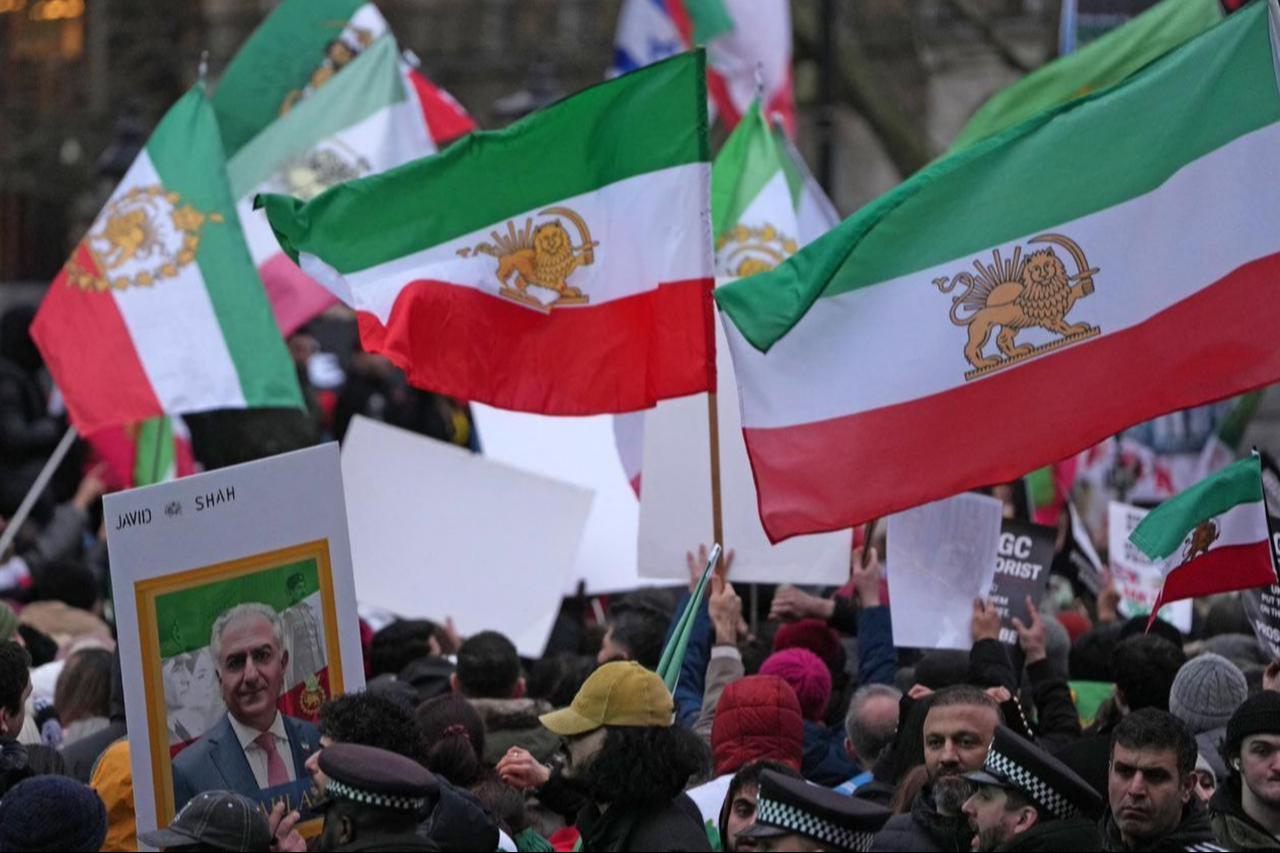

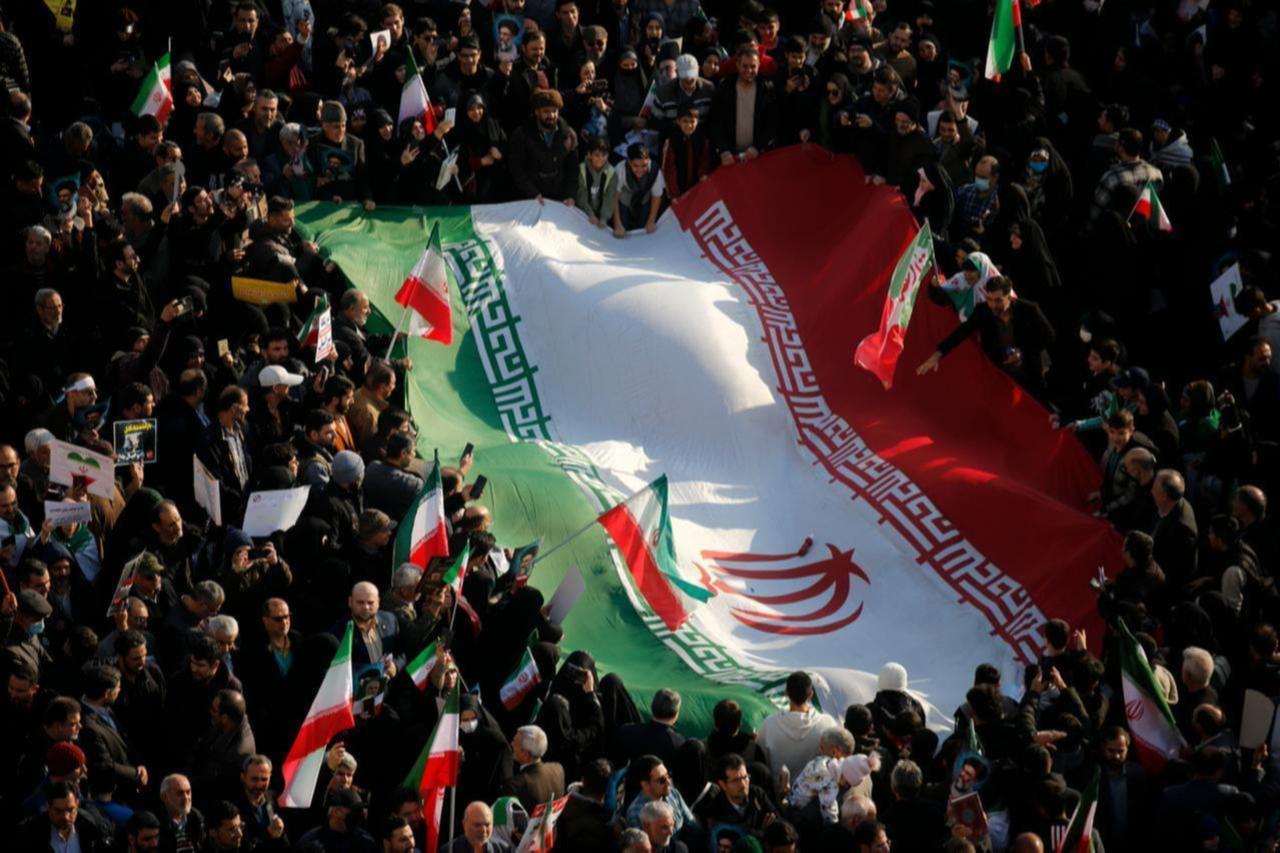
Iran has faced weeks of demonstrations that human rights organizations say have left thousands dead in what they describe as the largest crackdown since Shi'ite Muslim clerics seized power in the 1979 revolution. The unrest has drawn international condemnation and prompted Trump's military buildup in the Gulf.
Rights groups reported over 500 deaths by January 20 as protests entered their 24th day, sparked by economic collapse and currency devaluation. Intelligence shared between Washington and Jerusalem suggests Iranian leadership secretly continued executing protesters after promising American officials the killings would stop.
Iran's Supreme Leader Ali Khamenei has reportedly relocated to a fortified underground bunker while the Islamic Revolutionary Guard Corps placed forces on high alert. Iranian state media warned the American carrier could be targeted with hypersonic missiles if provoked.
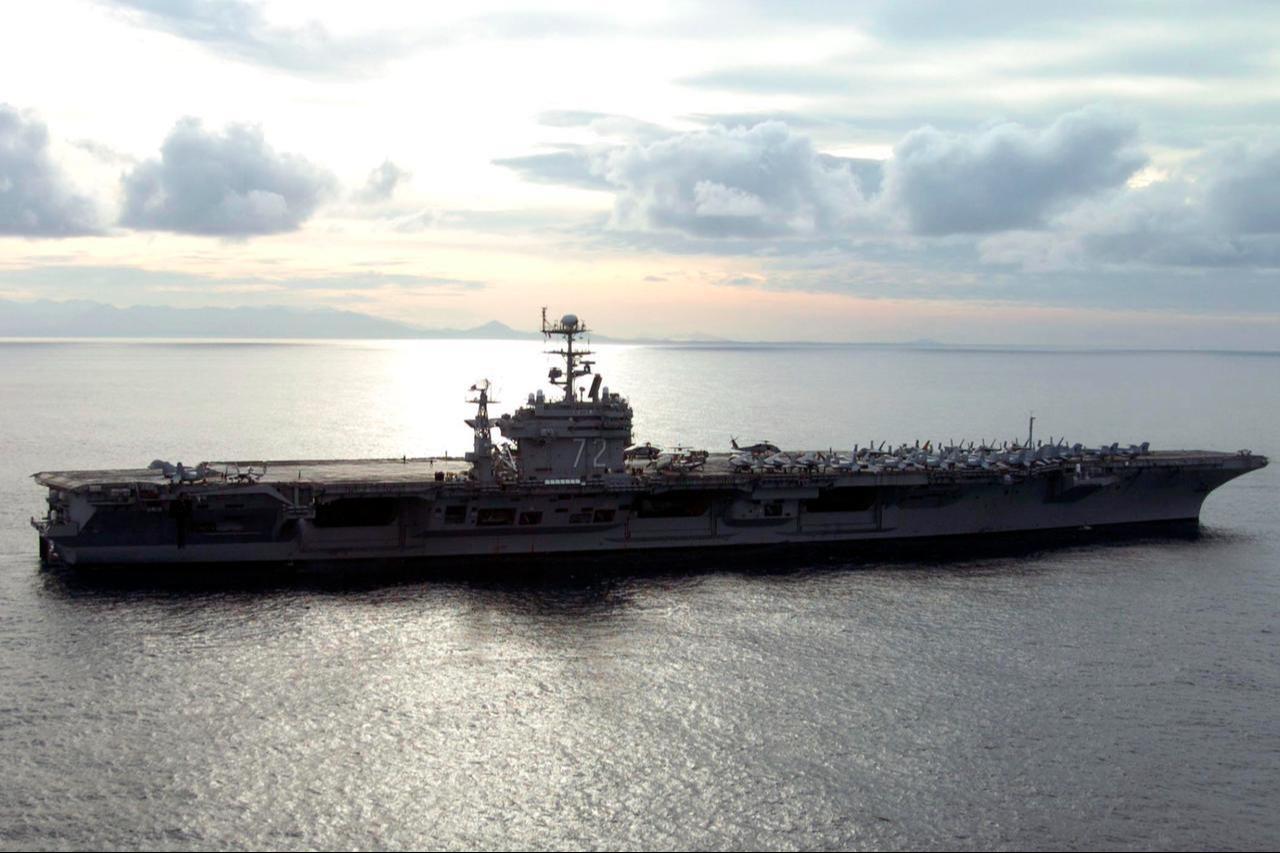
The Abraham Lincoln carrier strike group includes multiple Arleigh Burke-class destroyers equipped with Tomahawk cruise missiles capable of striking interior targets deep inside Iran. Carrier Air Wing 9 aboard the vessel features F-35C Lightning II stealth fighters and F/A-18E/F Super Hornets.
Beyond naval forces, the United States has positioned F-15E Strike Eagles in Jordan and B-52 Stratofortress bombers in Qatar, creating multiple layers of strike options. THAAD and Patriot 3 missile defense batteries reached full operational capacity at critical airbases and urban centers throughout the region, designed to protect American and Israeli assets from potential Iranian ballistic missile counterattacks.
Western officials noted signals pointing toward potential American military action, with the US withdrawing non-essential personnel from some regional bases. However, some reports suggest alternatives such as a naval blockade rather than direct strikes remain under consideration.
Lebanon's Hezbollah called supporters to gather Monday afternoon at the Sayyid al-Shuhada Complex in Beirut's Dahieh suburb to express solidarity with Tehran. The rally represents part of broader coordination among Iran's regional proxy forces as tensions mount.
Iraqi Kata'ib Hezbollah, an Iran-backed militia, urged fighters to mobilize drones and missiles against American bases in the region. Iran-backed militias in Iraq called for "comprehensive war" preparations on January 25, heightening risks that any US military action could trigger wider conflict across multiple countries.
The mobilization by groups often described as part of Iran's "Axis of Resistance" underscores the potential for regional escalation beyond a direct US-Iran confrontation.


 Set as preferred source
 Set as preferred source


 1 min read
 1 min read