Newsletters


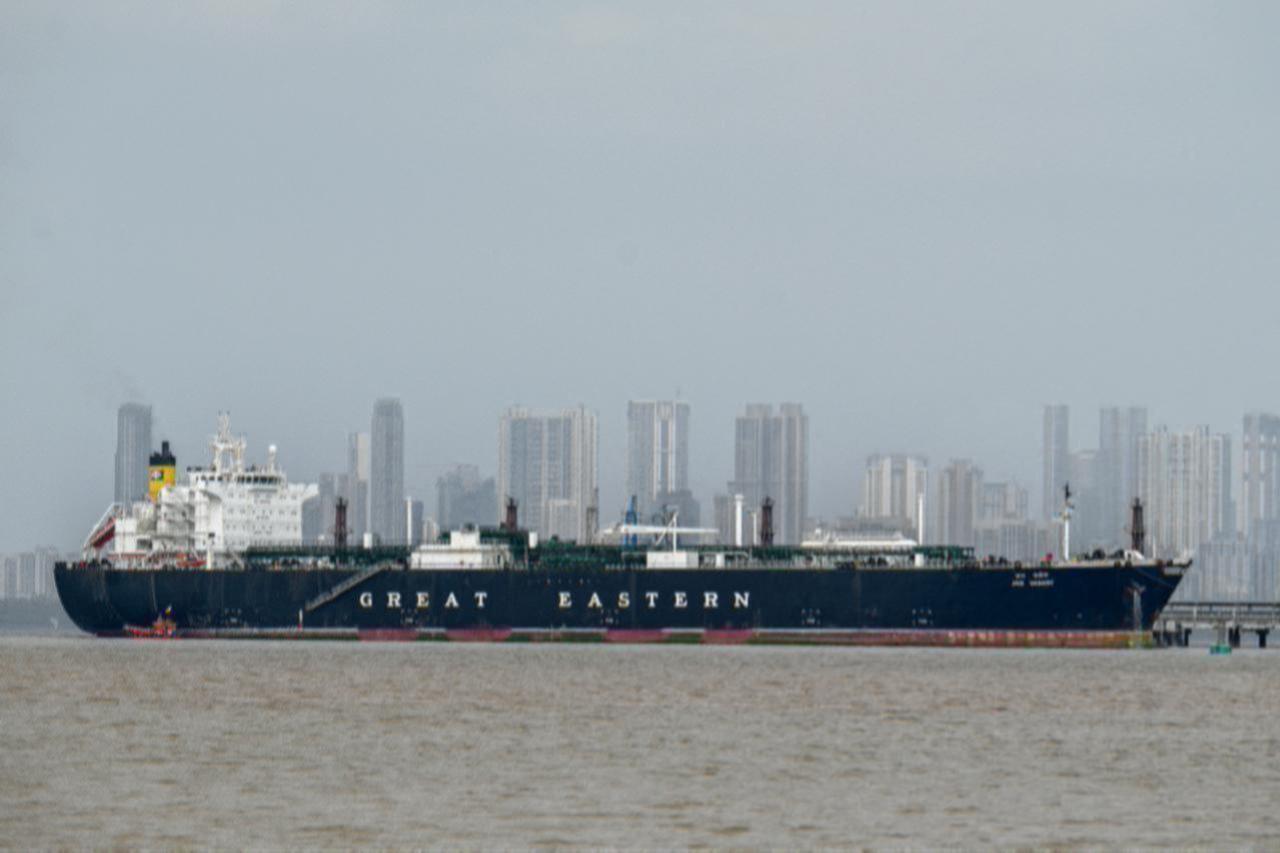


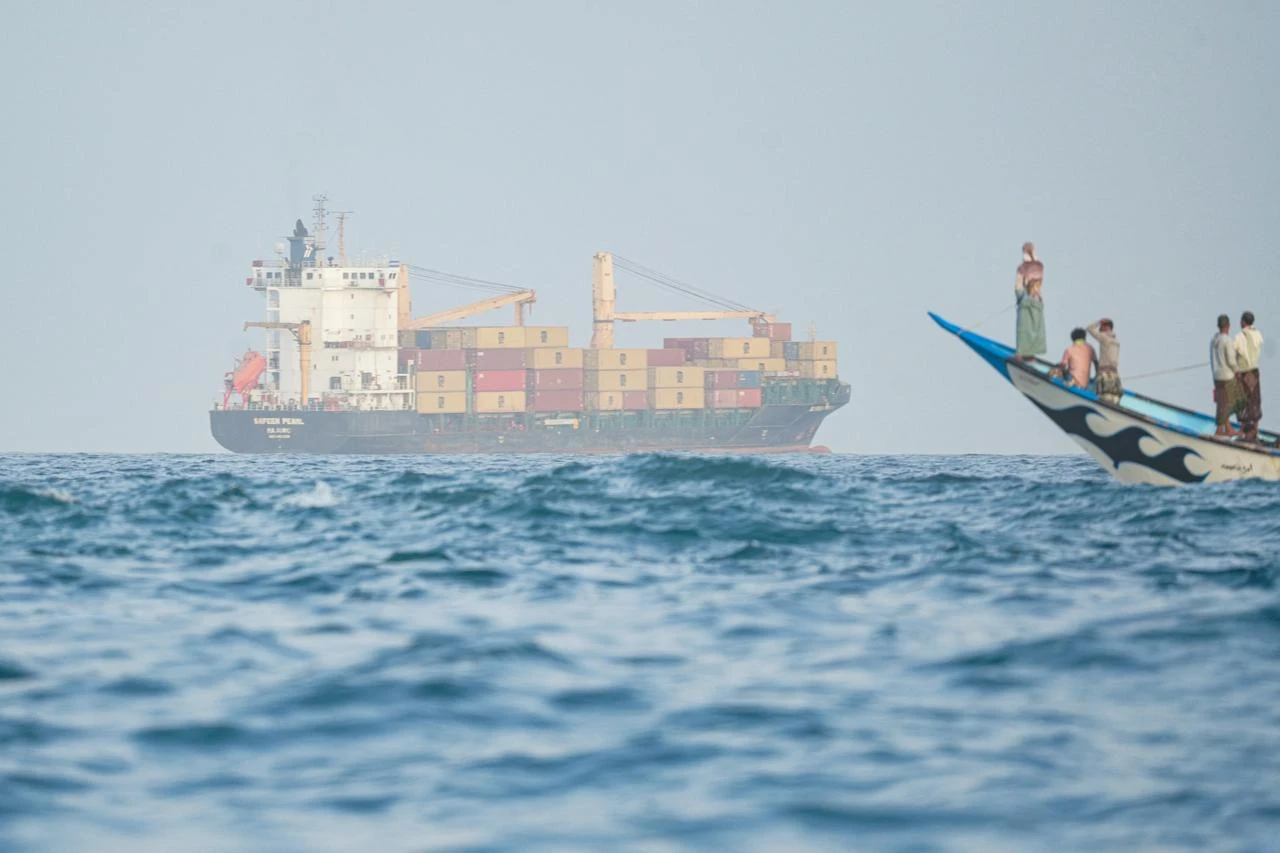
Clearing the Strait of Hormuz of possible naval mines could delay the return of normal commercial shipping for weeks despite a preliminary agreement to reopen the waterway, Reuters reported, citing shipping and maritime security sources.
An operation involving conventional minesweepers and advanced underwater drones could take 40 to 50 days before insurers, shipping companies and oil producers consider the route safe enough for regular transit, according to assessments from five Western maritime security sources.
The delay could hold up tens of millions of barrels of oil in addition to Gulf supplies already blocked since the U.S. and Israel launched attacks against Iran on Feb. 28.
The Strait of Hormuz handled about 20% of the world’s daily oil and liquefied natural gas supplies before the war.
The potential disruption comes as energy stockpiles in the world’s largest economies are expected to fall to their lowest levels since at least 2003, according to an analysis by the U.S. Energy Information Administration.
Although the U.S. and Iran helped some vessels pass through the blockaded waterway in recent weeks, shipping officials continued to urge caution after the two countries announced Sunday that they had reached a preliminary agreement to end the war and reopen the strait.
“We still consider it very risky for ships to commence transits at this point,” said Jakob Larsen, chief safety and security officer at the shipping association BIMCO.
“The threat of mines in the area remains a concern immediately as well as further down the line, and mine-free routes need to be established.”
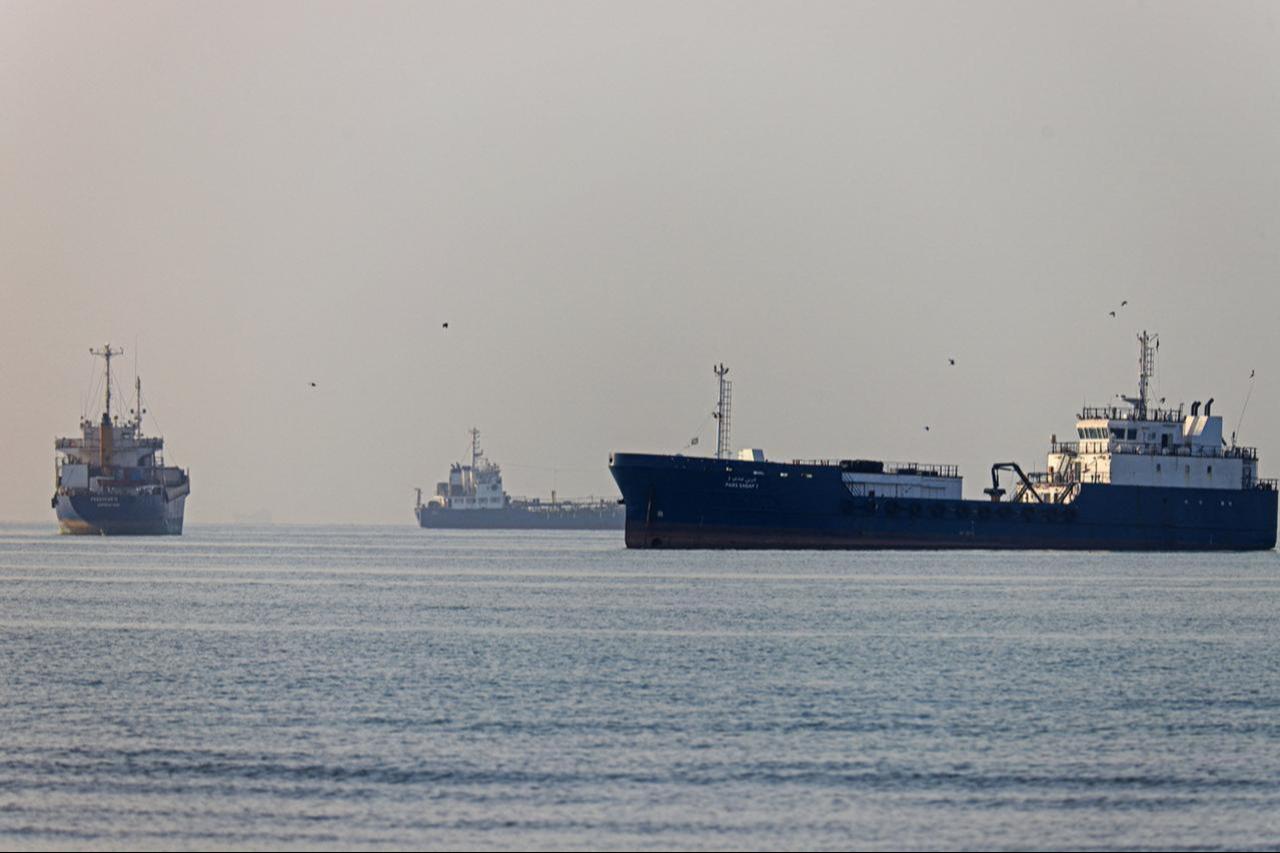

It remains unclear how many naval mines Iran may have placed in or around the Strait of Hormuz.
Iran threatened during the war to deploy mines as it sought to assert control over the waterway, but it has not said whether its forces planted them.
The U.S. has identified mines as a risk and said it targeted Iranian vessels used for mine-laying operations.
U.S. Secretary of State Marco Rubio told a Senate Foreign Relations Committee hearing in the first week of June that Iran had “mined large segments of Hormuz—international waters,” without providing further details.
Germany’s navy said in a June 11 notice, citing information from the U.S. and British navies, that mines were believed to be located at four sites around the strait.
The German navy said it could not independently verify those locations.
Shipping industry officials said even the possibility of mines could prevent companies from resuming operations.
A large crude oil tanker and its cargo can be worth about $300 million, requiring shipowners, energy companies, and war-risk insurers to receive assurances that the route is safe.
“One sea mine is enough to have fatalities,” said Rene Kofod-Olsen, chief executive of V.Group, a major technical ship and crew management company.
“That’s obviously a massive issue for global shipping,” he said.
V.Group has 13 vessels stranded in the Gulf.
U.S. Central Command (CENTCOM) said military efforts to clear mines placed by Iran’s Islamic Revolutionary Guard Corps (IRGC) were continuing.
When asked about the number and locations of the mines, a CENTCOM spokesperson said operational security prevented the military from publicly discussing details.
“U.S. military efforts for ensuring the Strait of Hormuz is fully clear of sea mines laid by Iran’s IRGC are ongoing,” the spokesperson said.
The White House did not respond to requests for comment.
Oman’s Maritime Security Center warned mariners in May to exercise caution near Oman’s side of the strait after reporting an object suspected of being a floating mine.
Oman’s Information Ministry did not immediately respond to a request for comment.
Some vessels were allowed to leave the strait while the U.S. and Iran negotiated the interim agreement.
U.S. President Donald Trump said last week that the U.S. had been moving millions of barrels of oil out of the region.
Some countries also reached agreements with Tehran to secure passage for vessels, Reuters reported in May.
The number of ships passing through the strait rose to an average of 12 to 15 a day in recent weeks, based on shipping data that becomes verifiable when vessels reappear after leaving the waterway.
That remained far below the 120 to 140 ships that traveled through the strait each day before the war.
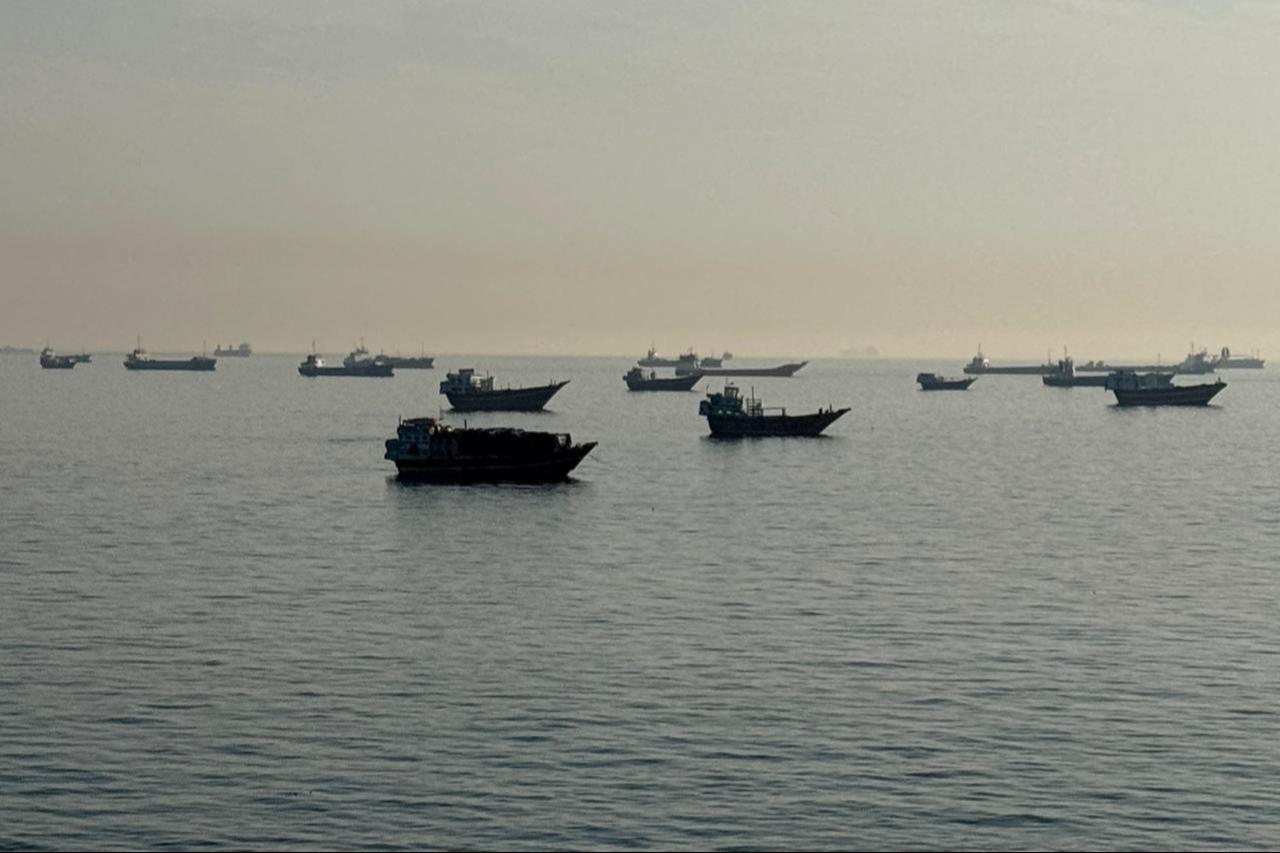
Iran’s National Defense Council warned in March that any attack on Iranian coasts or islands would lead to the mining of access routes and communication lines across the Gulf, according to the semiofficial Fars news agency.
The council said the response could include different types of naval mines, including floating mines launched from the coast.
Iran’s Foreign Ministry did not respond to a request for comment.
Britain, France and Germany have sent warships and minesweepers to the Middle East in preparation for a possible mine-clearing operation.
Corey Ranslem, chief executive of maritime security company Dryad Global, said Iran was still estimated to possess as many as 1,000 naval mines despite U.S. attacks targeting its military capabilities, mine-laying vessels and stocks.
“If there is a minefield detected, it could potentially take weeks or months to remove the threat,” Ranslem said.
Arsenio Dominguez, head of the U.N. shipping agency, welcomed the agreement to reopen the Strait of Hormuz as an important step toward restoring safety for ships and seafarers.
“However, its implementation will require time to ensure that all necessary safety and security guarantees are in place,” he said.


 Set as preferred source
 Set as preferred source


 1 min read
 1 min read