Newsletters


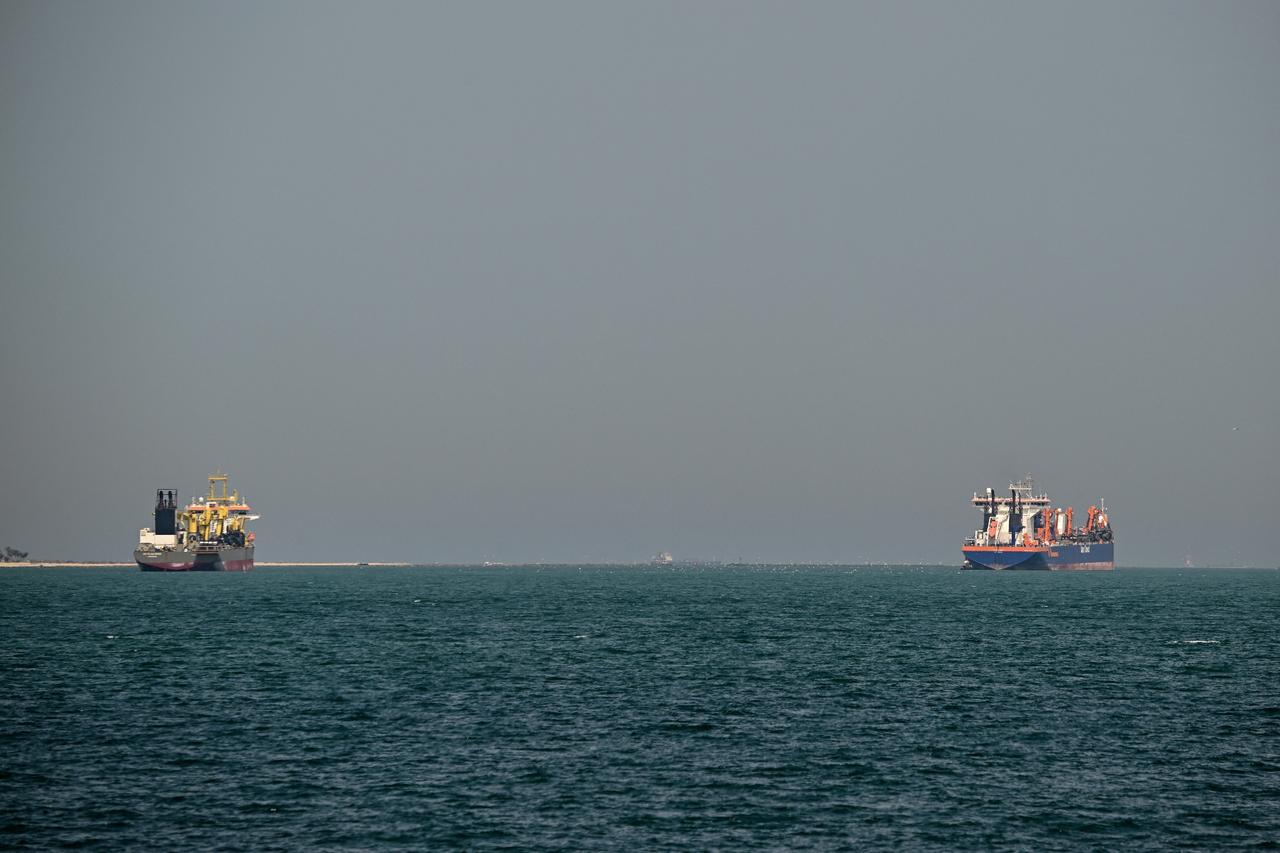


A claim to the Iran-U.S. Memorandum of Understanding (MoU) allegedly recognizes Iranian-Omani authority over the future management of the Strait of Hormuz.
The MoU establishes the basis for Iran to charge maritime service fees to commercial vessels transiting the waterway after an initial 60-day toll-free window, Iran's Fars News Agency reported Monday, citing an informed source.
The disclosure creates a direct contradiction with U.S. President Donald Trump's characterization of the Hormuz agreement.
Trump wrote on Truth Social that he had authorized "the toll-free opening of the Strait of Hormuz" and that the deal ensured "Ships of the World" could resume transit. The White House has not commented on the fee provision.
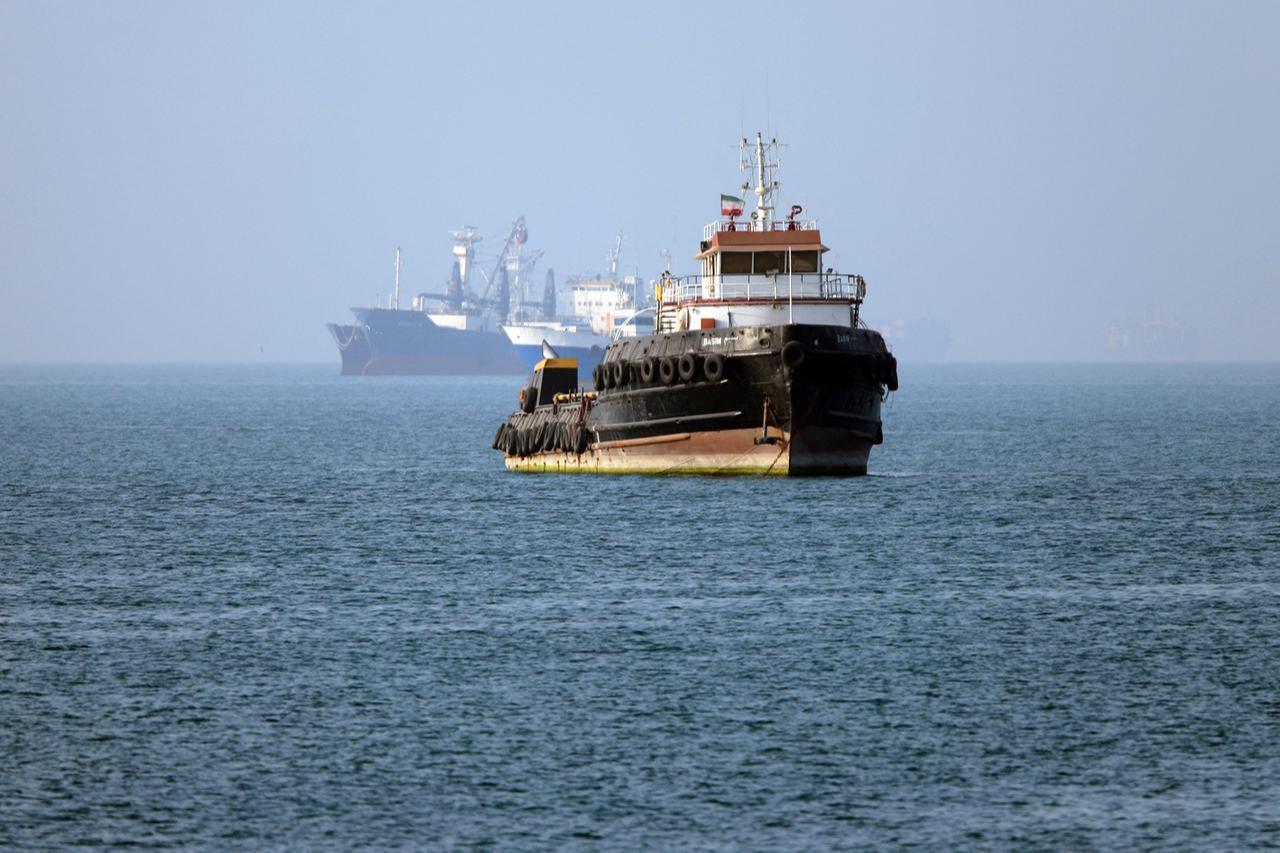

According to Fars, which is close to Iranian security services, the text of the memorandum was amended in the final moments of negotiations to "clearly and explicitly emphasize the issue of Iranian-Omani sovereignty over the Strait of Hormuz."
A previous draft had contained language designed to guarantee Iranian sovereignty arrangements, but the final version states explicitly that "the future management of maritime navigation services in the Strait of Hormuz" will be determined by Iran and Oman.
"The use of the term 'maritime services' means that the United States has accepted that fees will be paid to Iran," Fars reported.
Tasnim News Agency, citing a separate informed source, confirmed that the Hormuz clause was among the most contested provisions right until the moment of announcement.
The source cited by the Iranian media listed three key changes made in the final one to two days of talks:
Tasnim's source also disclosed that Trump had initially insisted that the Strait of Hormuz and the port blockade be lifted simultaneously and immediately upon the deal's announcement, but Iran refused.
The parties agreed instead that the reopening process would begin after Friday's signing in Switzerland.
Trump's original Truth Social post stated that the strait and blockade had opened simultaneously, but he later amended the post, following a notification from Iran to the Pakistani mediator, to reflect that the Hormuz reopening would take place after Friday.
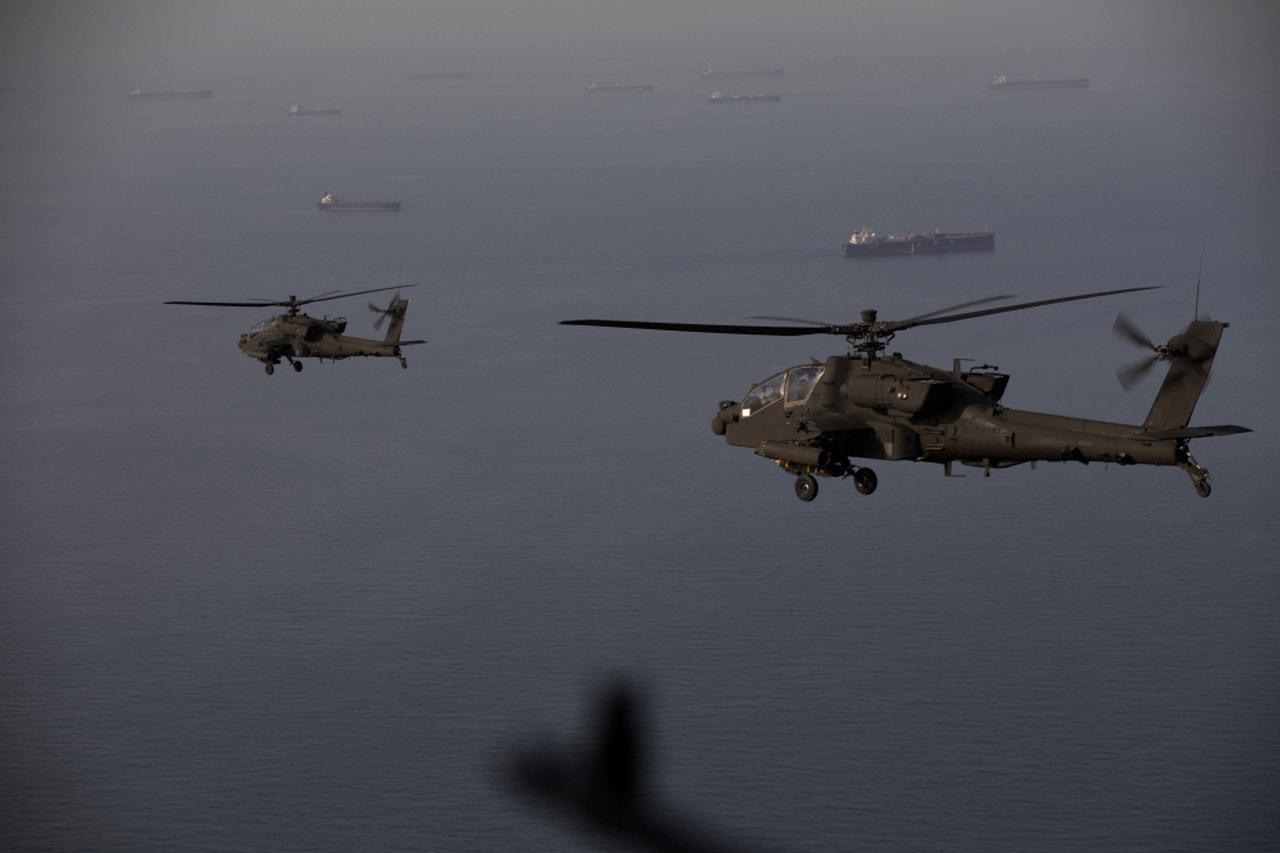
The Fars source made Iran's post-deal intentions explicit: after the 60-day free-passage period ends, the Islamic Republic plans to collect revenues from commercial shipping through the strait for services covering safety, navigation, environmental protection, and insurance, and to use those revenues for Iran's economic development.
Oman's participation in the arrangement had been the subject of separate negotiations, with the necessary consultations to bring Muscat on board already completed, according to Iranian media.
The 60-day period coincides with the window during which Iran and the United States have said they will conduct broader negotiations on Iran's nuclear program, sanctions relief and economic reconstruction.
A senior Iranian official told Reuters that after a final comprehensive agreement, all U.S. and U.N. sanctions would be lifted to an agreed timetable and Washington would prepare a reconstruction and development plan for Iran in coordination with regional allies.


 Set as preferred source
 Set as preferred source


 4 min read