Newsletters


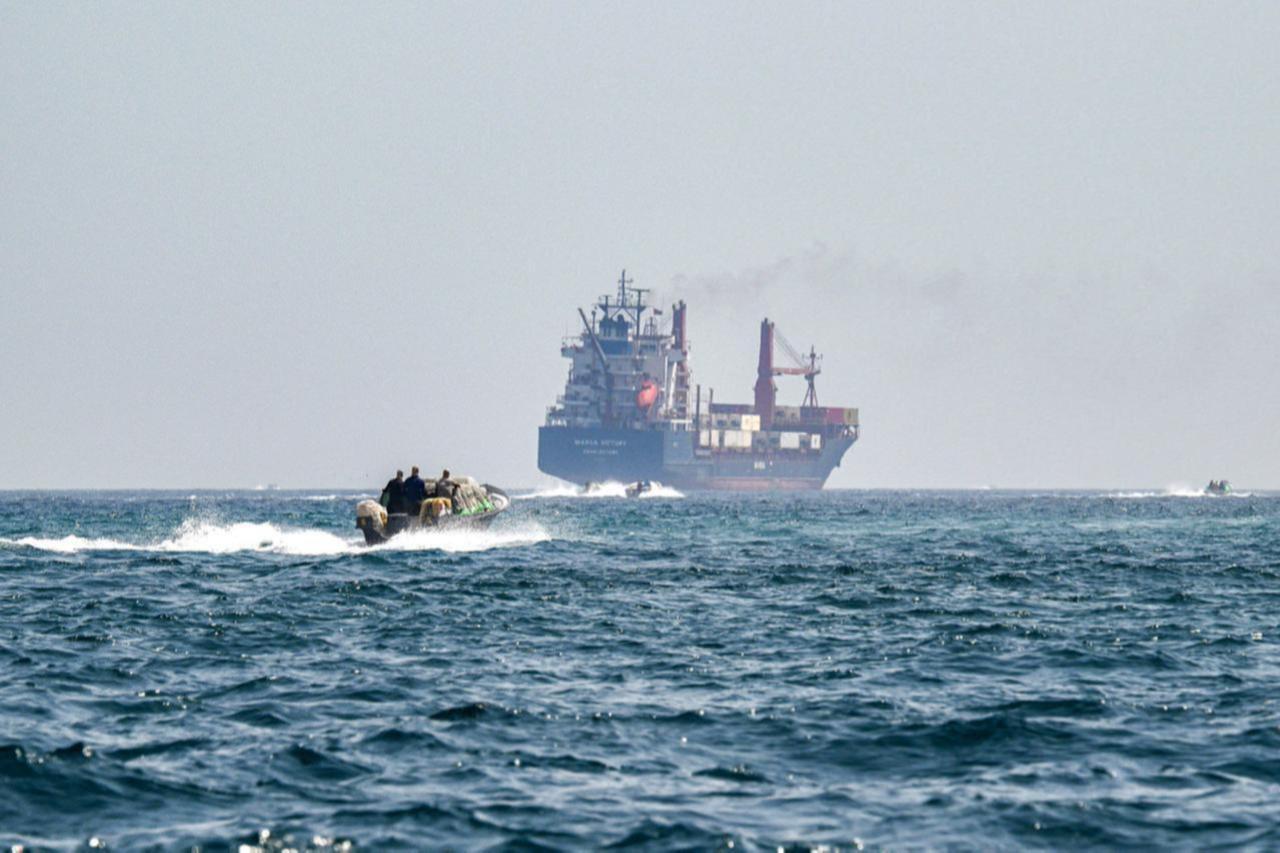


Former CIA director Bill Burns warned that escalating tensions over Iran’s control of the Strait of Hormuz could leave responsibility for securing the key waterway to U.S. allies, describing a potential outcome as “we break it, you own it,” in remarks published by Foreign Affairs magazine.
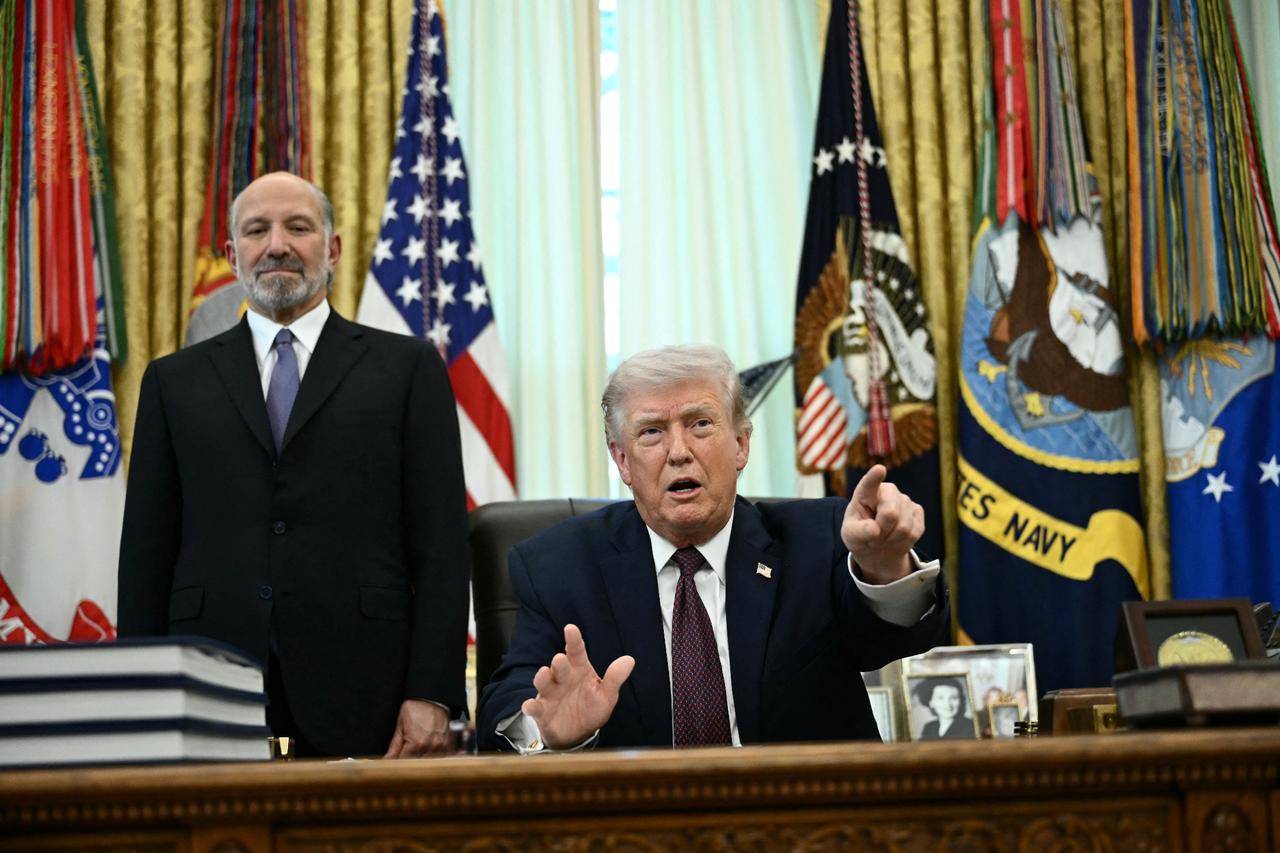
Speaking on a podcast, Burns said U.S. President Donald Trump could consider military options such as a ground operation targeting Iran’s Kharg Island, the country’s main oil export terminal, or seizing territory along the Strait of Hormuz, but cautioned that such actions would carry significant risks.
Burns said a third scenario could see the U.S. effectively declare victory while shifting responsibility for ensuring safe passage in the strait to partners, including European allies and Gulf countries.
Referencing a phrase attributed to former U.S. Secretary of State Colin Powell ahead of the 2003 Iraq war, Burns said the situation could invert the “Pottery Barn rule.”
“Instead, it would be, ‘we break it, you own it, and it’s over to you guys,’ whether it’s European allies or Gulf Arabs or anybody else to ensure safe passage through the Strait of Hormuz,” he said.
Burns also noted that potential U.S. operations aimed at securing the strait or targeting Iran’s energy infrastructure, including Kharg Island, would be complex and carry significant risks.
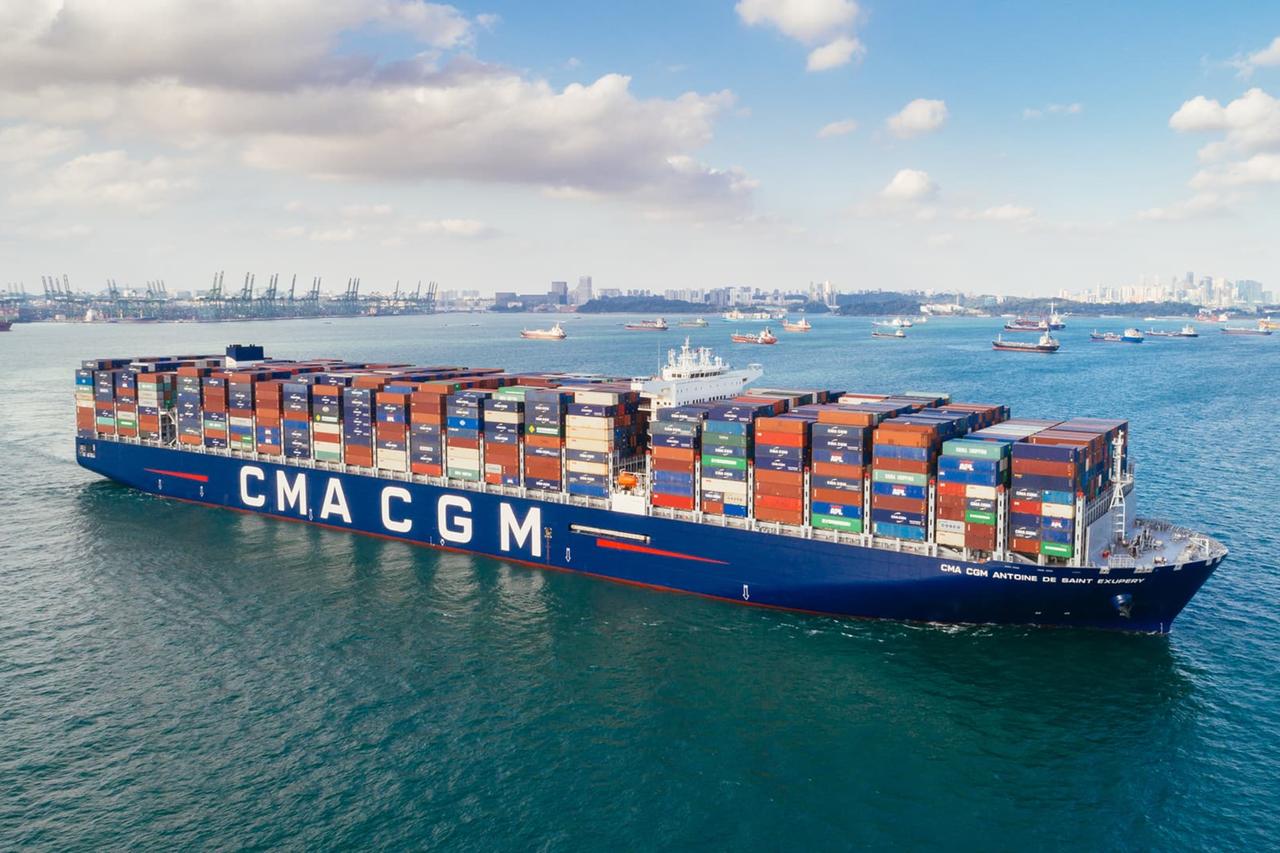
The Strait of Hormuz remains a critical global shipping route, and any escalation could have wide-ranging consequences for energy supplies and regional stability.

In the same podcast, Burns described the U.S.-Israeli campaign against Iran as “a war of choice,” warning it may have strengthened hard-line elements within Iran’s system.
“This is a regime that is inept at many things like managing its economy, but it is designed to preserve itself and designed to repress its own people and designed to withstand even the decapitation of its senior leadership,” he said.
Burns also rejected Trump’s suggestion that recent strikes had led to “regime change,” saying the government, while weakened, may have become “nastier and more radical and less open.”
He said Iran’s leadership views survival as victory and warned the conflict may not accelerate the regime’s collapse.
“I’ve believed for a long time that this is a regime that’s on a kind of one-way street to its eventual collapse, but I worry that, you know, in this war, what we’ve done rather than accelerate that moment of collapse is slow it down a little bit,” he said.


 Set as preferred source
 Set as preferred source


 1 min read
 1 min read