Newsletters


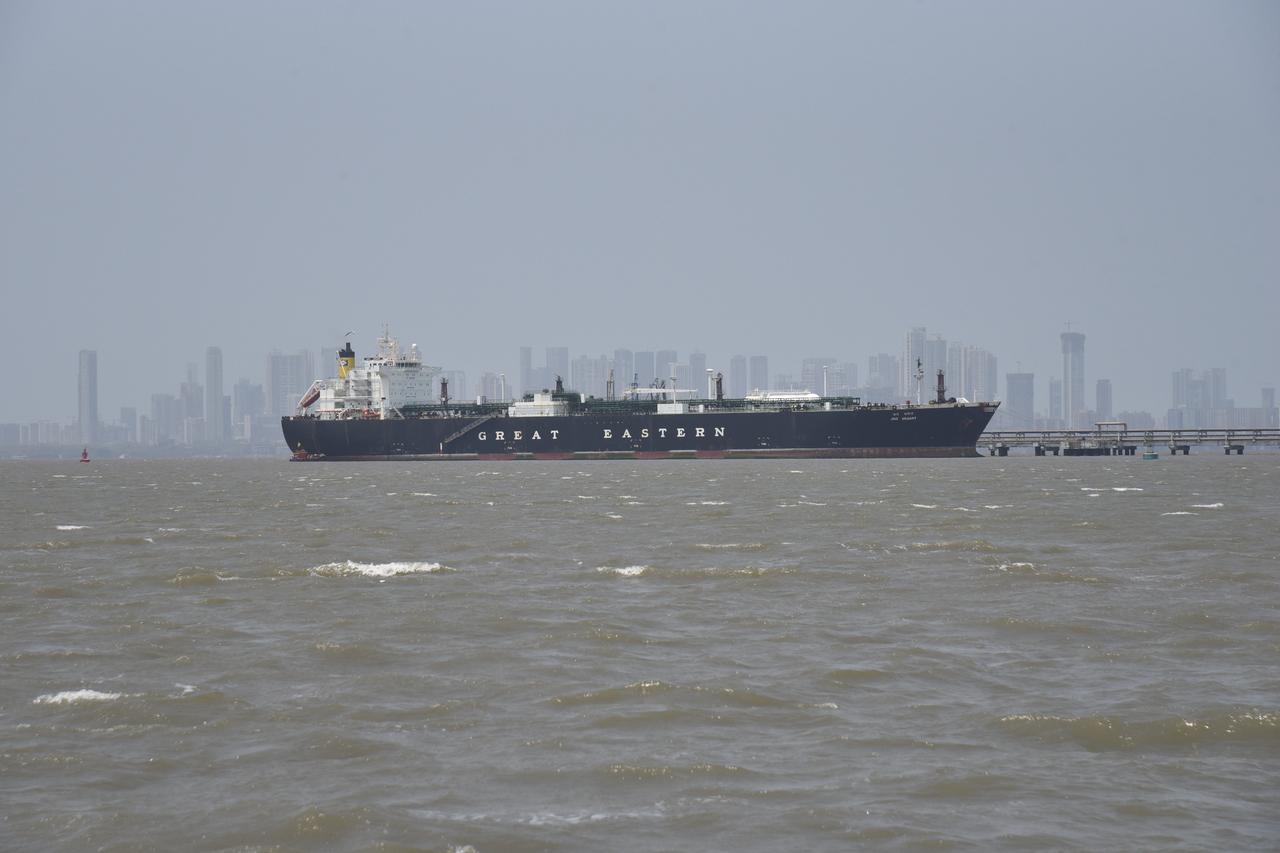


The United Nations Security Council has postponed a vote on a draft resolution authorizing the use of “defensive” force to protect shipping in the Strait of Hormuz, as tensions continue over disruptions in the strategic waterway.
The 15-member council had been scheduled to vote Friday morning on the Bahrain-sponsored draft, but the vote was delayed after the official program was changed Thursday night. Diplomatic sources said the postponement was due to the U.N.’s observance of Good Friday as a public holiday, although the timing had been known when the vote was initially planned. No new date has been announced.
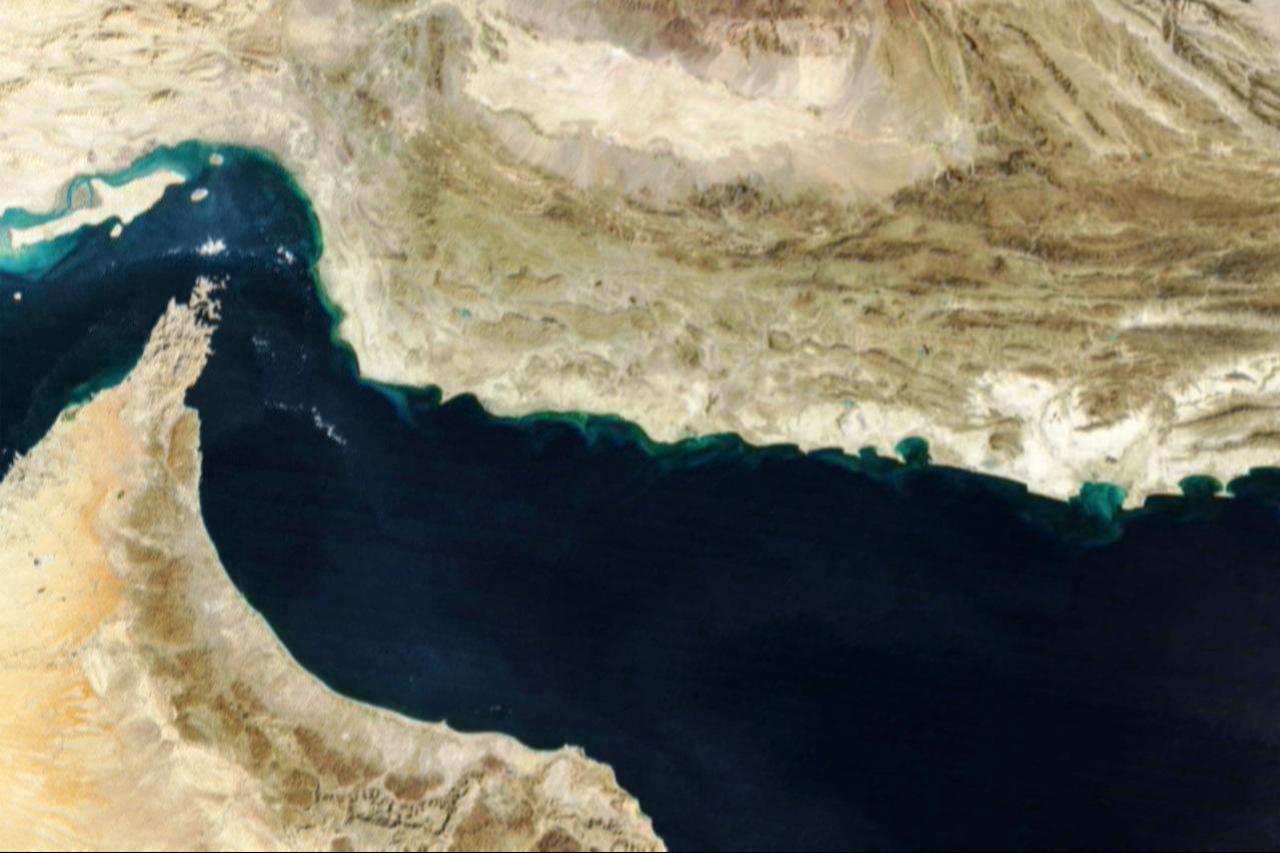
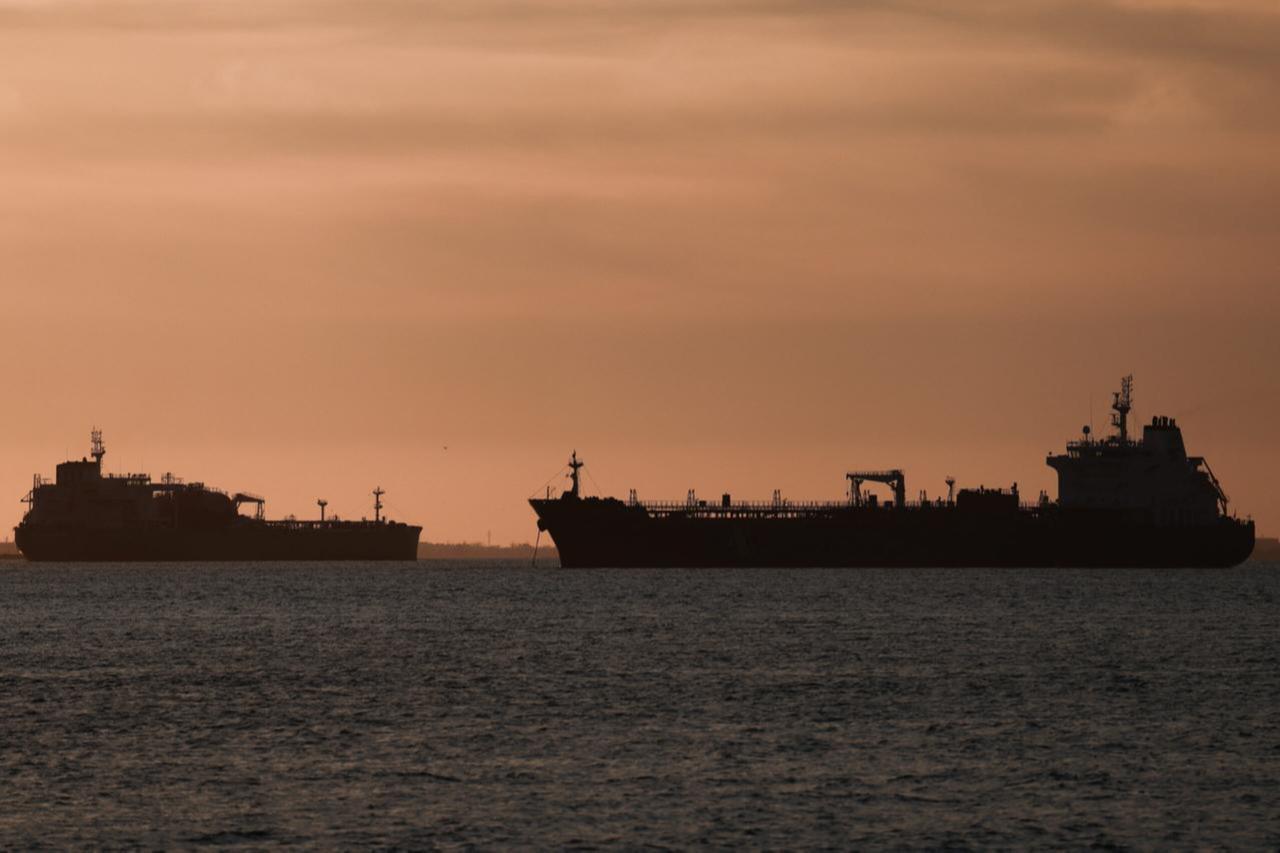
The proposed resolution, supported by the U.S., comes amid Iran’s effective control over the Strait of Hormuz following U.S.-Israeli strikes that triggered a monthlong Middle East war, disrupting fuel supplies and impacting the global economy.
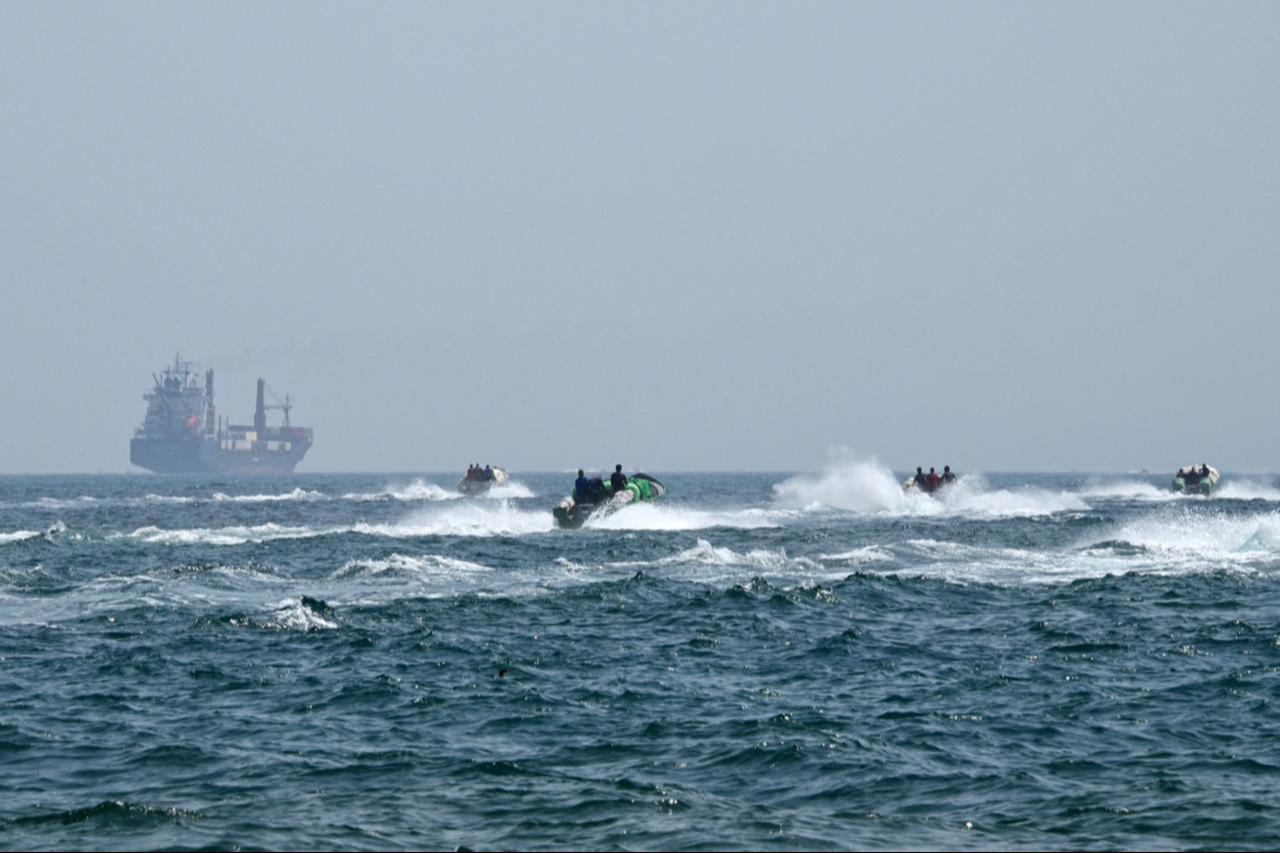

A sixth and final version of the draft resolution, seen by Agence France-Presse (AFP), would authorize U.N. member states, acting individually or through “voluntary multinational naval partnerships,” to use “all defensive means necessary and commensurate with the circumstances.”
The measure would apply to the Strait of Hormuz and adjacent waters to “secure transit passage and to deter attempts to close, obstruct or otherwise interfere with international navigation.”
The authorization would remain in effect for at least six months.
The text has been revised several times in an effort to gain broader support, particularly from countries including Russia, China and France. The latest version removes explicit reference to Chapter 7 of the U.N. Charter and emphasizes the defensive nature of any intervention.
Despite revisions, the resolution faces uncertainty, as Russia and China, both permanent members with veto power, have expressed concerns.
Chinese Ambassador Fu Cong warned that authorizing force would “lead to further escalation of the situation and lead to serious consequences,” while Russia has criticized what it called one-sided measures.
Daniel Forti of the International Crisis Group told AFP the draft “faces tall odds” of passing, citing concerns that it frames the issue solely as a security matter without addressing the need for a broader political solution.
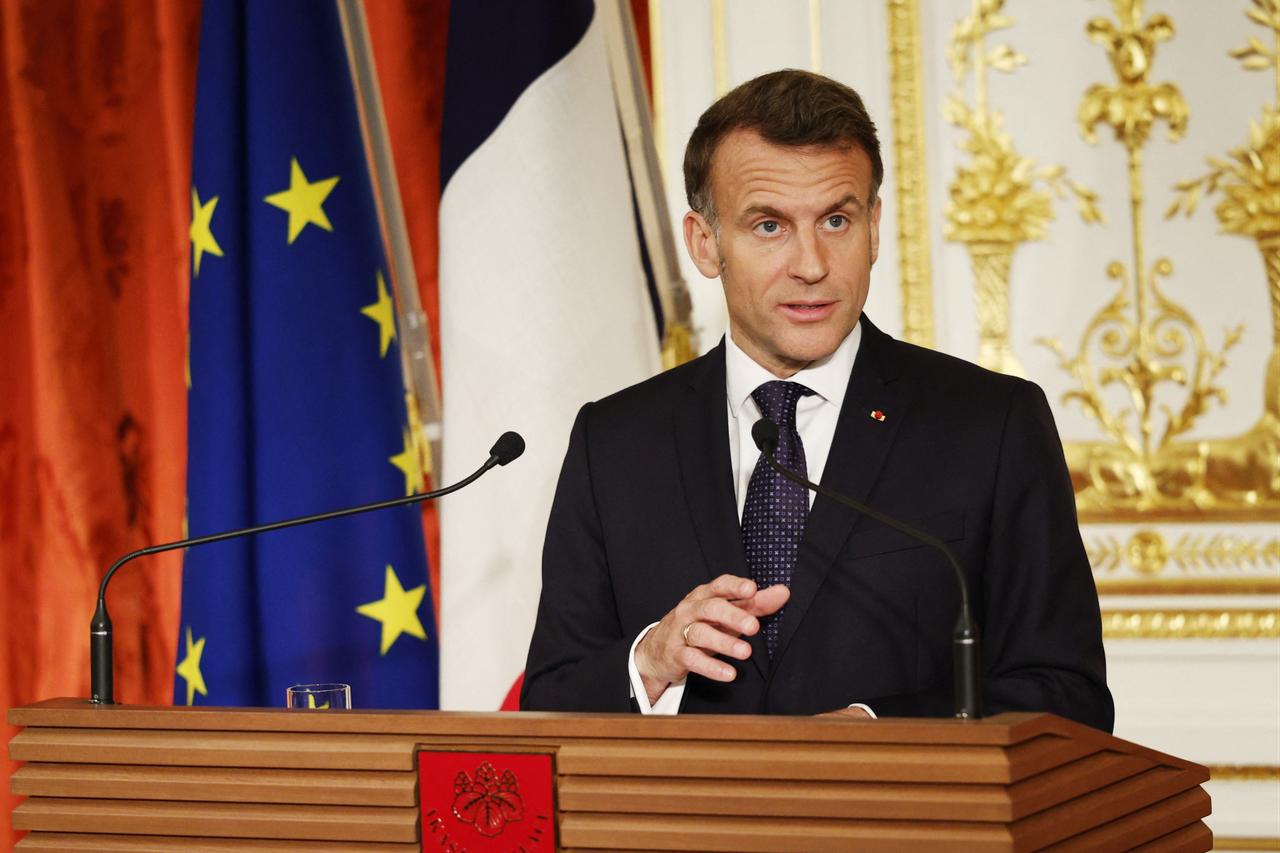
France’s U.N. ambassador Jerome Bonnafont said it is up to the council to “quickly devise the necessary defensive response,” while French President Emmanuel Macron has said a military operation to reopen the waterway would be “unrealistic.”
Iran’s Foreign Minister Abbas Araghchi warned against “any provocative action,” including moves at the Security Council, saying such steps would only complicate the situation.
Bahrain’s U.N. ambassador Jamal Alrowaiei said the resolution “comes at a critical juncture,” adding: “We cannot accept economic terrorism affecting our region and the world.”
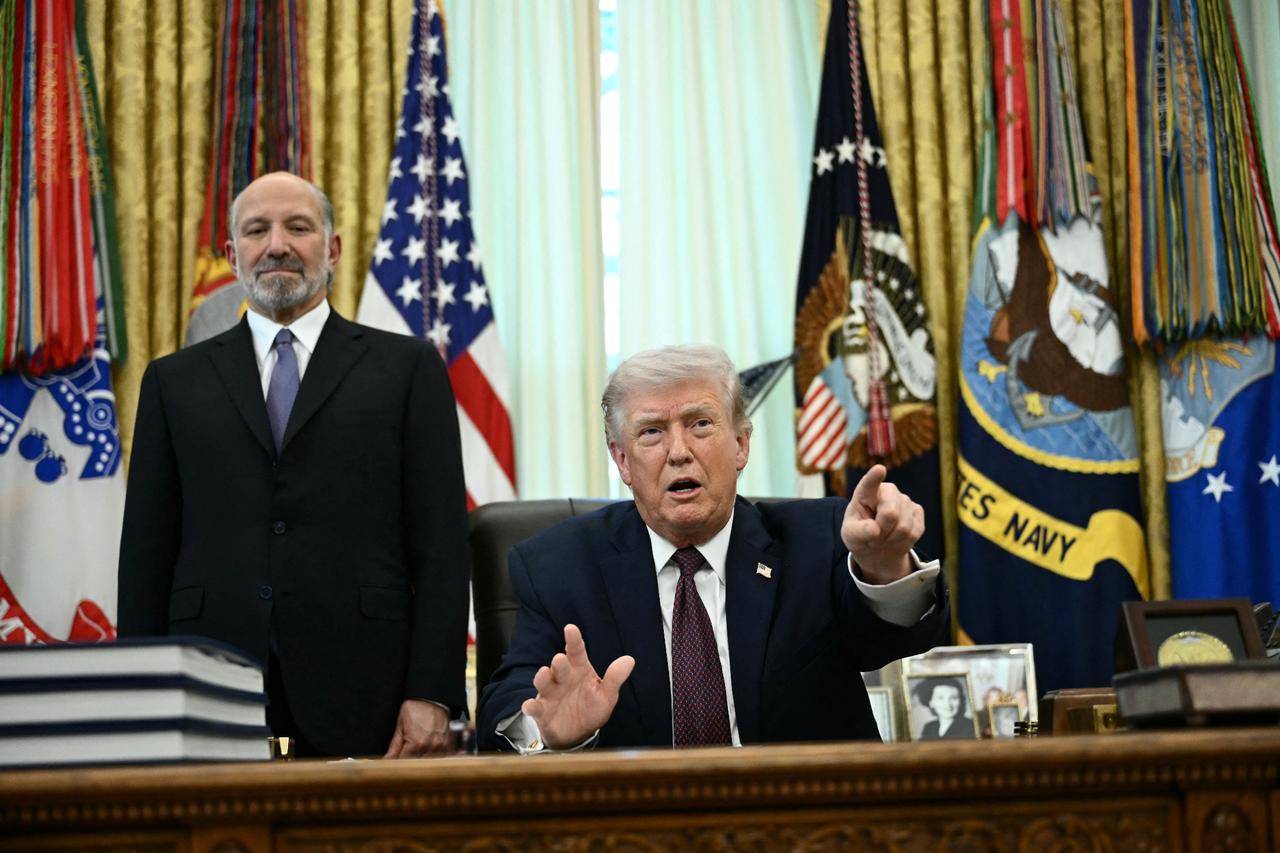
U.S. President Donald Trump said countries facing fuel shortages should “go get your own oil” in the Strait of Hormuz, adding that U.S. forces would not assist them.
The Strait of Hormuz handles around one-fifth of the world’s oil and liquefied natural gas shipments, and its near-total closure has disrupted global supplies of oil, gas and fertilizer, driving up energy prices.
Security Council authorizations for the use of force are rare, with past examples including the 1990 resolution allowing a U.S.-led coalition to intervene in Iraq and the 2011 mandate for NATO’s intervention in Libya.


 Set as preferred source
 Set as preferred source


 1 min read
 1 min read