Newsletters


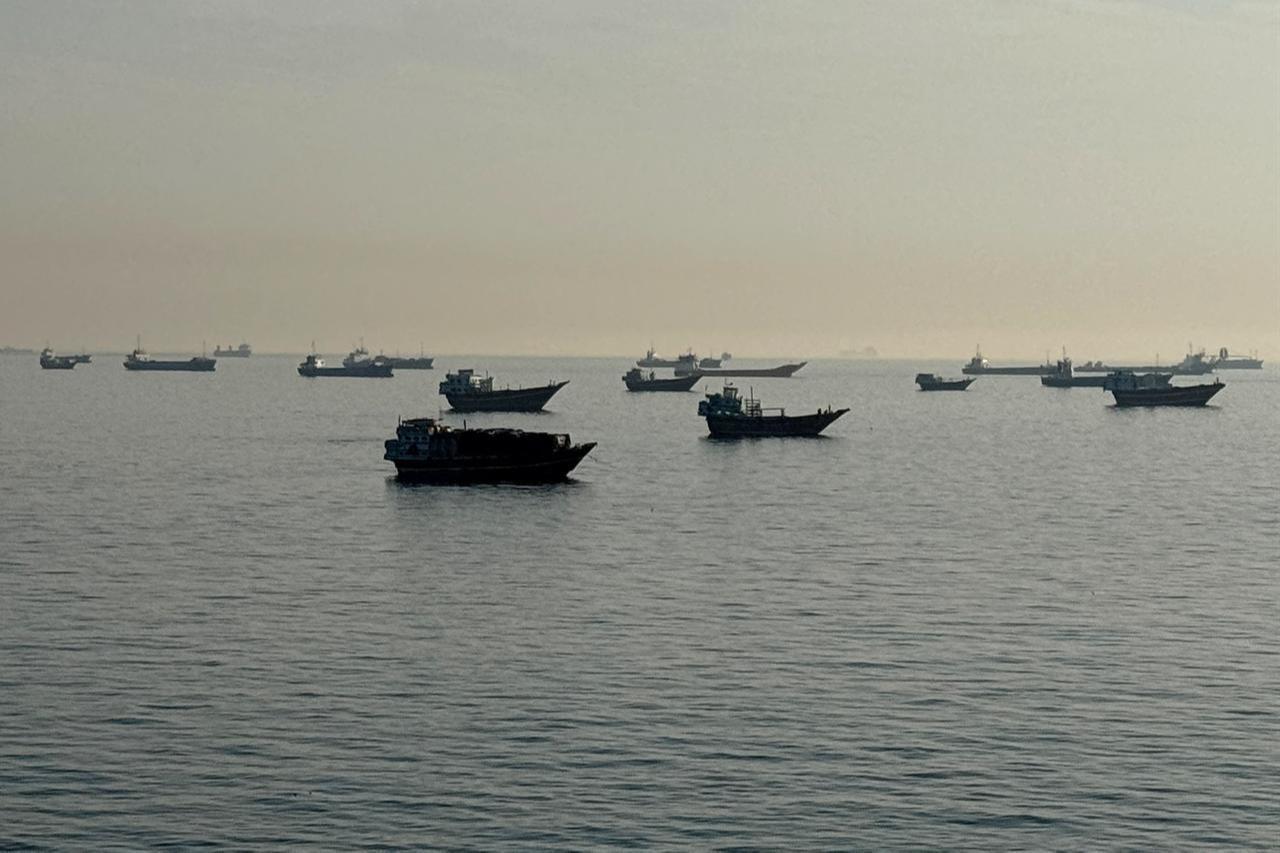
Iran's Ambassador to Russia, Kazem Jalali, said the Strait of Hormuz will reopen under new conditions jointly determined by Iran and Oman, including a transit fee for vessels.
He also asserted that Supreme Leader Mojtaba Khamenei is "alive and well" running the country, saying that "Iran never sought nuclear weapons and never will," in an interview published by the Russian newspaper Izvestia on Monday.
"Of course, this strait will be open, but with new conditions to be determined by the Iranian and Omani authorities," Jalali told Izvestia.
"We understand that Iran and Oman provide certain services related to this strait. And fees will be charged for those services," he added.
Jalali framed the fee question not as a concession issue but as a matter of principle by stating, "It's not about concessions. We want to solve the problem. It's the Americans and Israelis, the aggressors, who created this problem," he said.
He noted that both countries would negotiate the management mechanism and determine the conditions for transit.
Iran has maintained that fees would vary based on vessel type, cargo, and prevailing conditions.
That position is vehemently opposed by the United States. In late May, Washington warned Oman not to participate in any effort to impose Hormuz tolls, and Treasury Secretary Scott Bessent said Oman's ambassador had told him no such plans were in place.

Jalali directly addressed international speculation about Supreme Leader Mojtaba Khamenei's condition and whereabouts.
"He is alive and healthy. He is dealing with his administrative matters," Jalali said, adding that Iran must ensure his security and will not be provoked into revealing his location.
"Our president, Mr. Pezeshkian, is fully managing affairs and fully holds power in the country," Jalali added, dismissing reports of a power shift toward the Islamic Revolutionary Guard Corps (IRGC) or of Pezeshkian's resignation as "rumors" and "disinformation."
"Iran in the war showed the whole world that both its people and its leadership are united as never before," he said.
Jalali said even U.S. Secretary of State Marco Rubio had been forced to acknowledge that the supreme leader was governing after weeks of U.S. claims that Iran had no functioning leader.
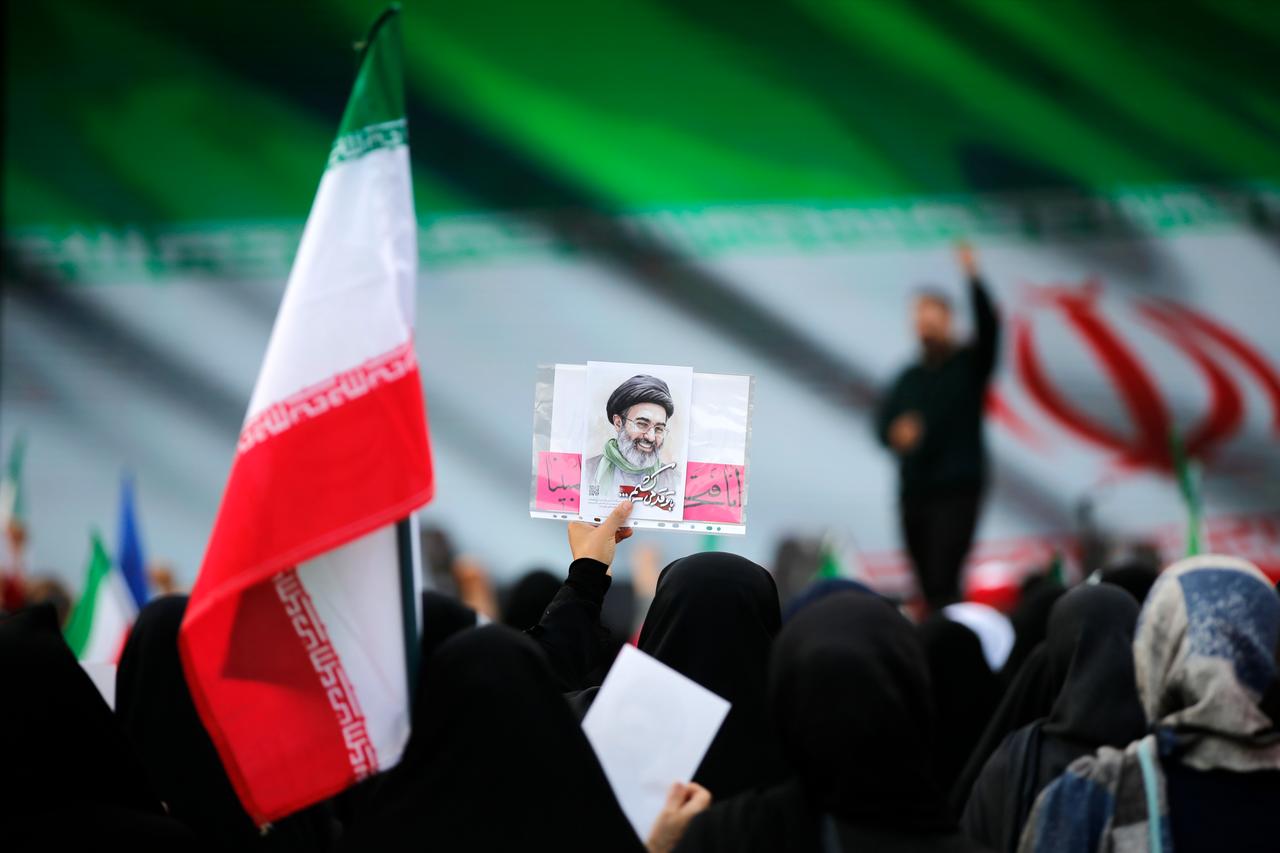
Asked whether Tehran would provide written guarantees on its nuclear program to finalize a deal, Jalali was categorical.
"We do not need to give guarantees to anyone. In our military doctrine, there are no goals for creating a nuclear bomb," he said.
He said Iran had twice raised uranium enrichment levels and explained the reasons by stating, "The first increase to 20% was necessitated by the need to fuel a 5-megawatt Tehran research reactor that produces medical radiopharmaceuticals, after no country would supply the fuel under IAEA rules."
"The second increase followed the U.S. withdrawal from the 2015 nuclear deal and European partners' failure to uphold their commitments," he added.
"We increased enrichment as a reaction to the failure of obligations by the Europeans and Americans. And we have repeatedly said that we do not seek to create nuclear weapons," Jalali said.
He cited IAEA inspection reports as proof. "There are reports and documents from the agency that say there is not a single sign that Iran has ever sought to create this dirty bomb."
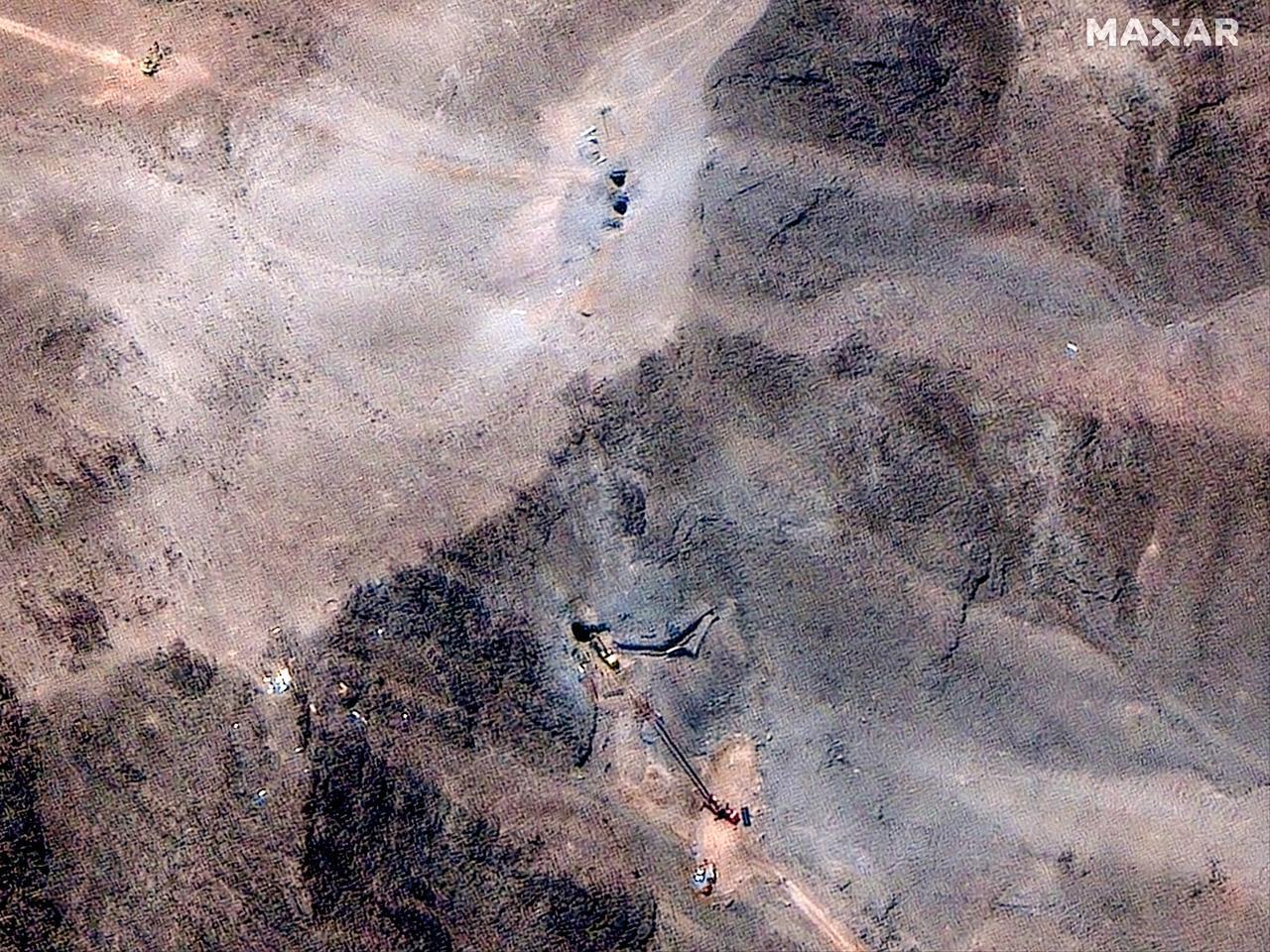
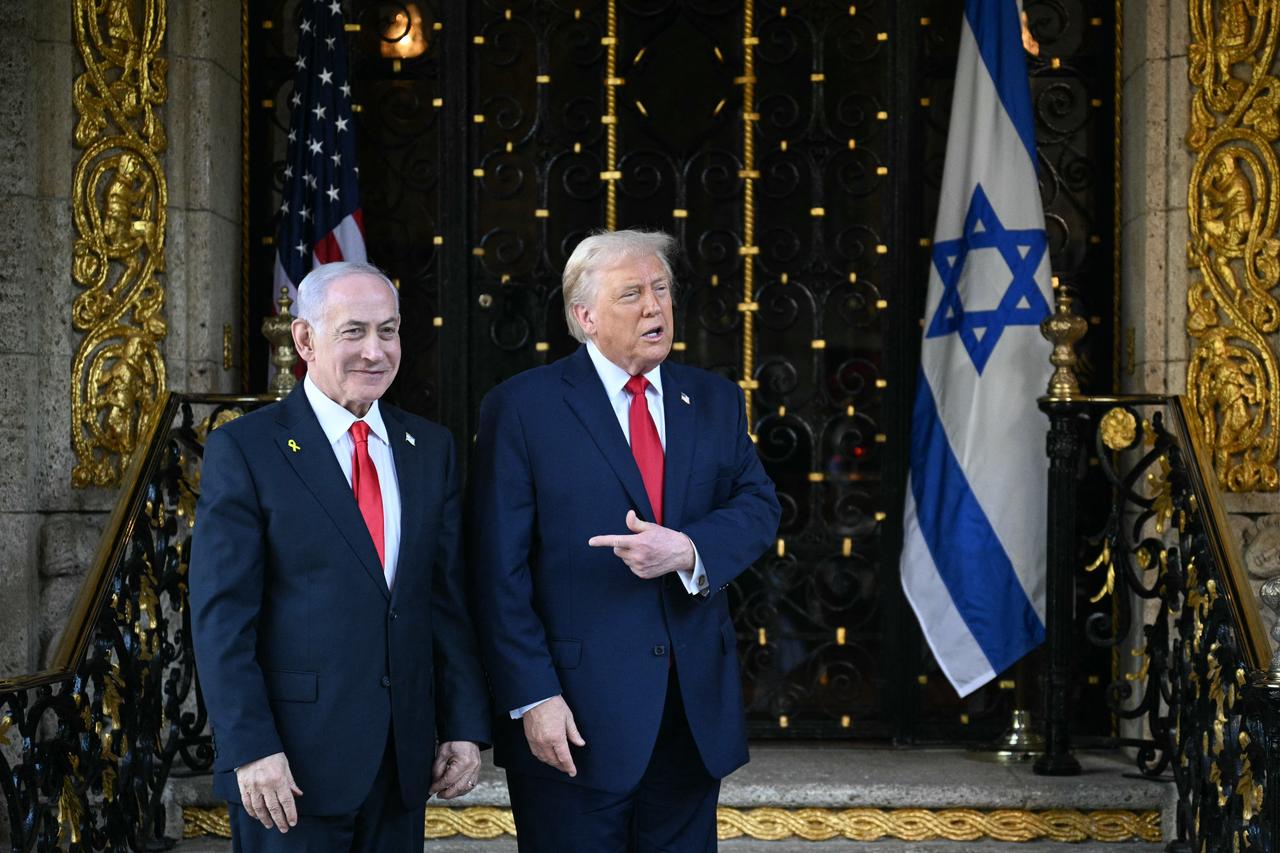
Jalali said Iran had been willing to include Russia in the peace process, but that Trump refused.
"We always used the positive role of Russia in any negotiation process. We were ready to invite our Russian colleagues to resolve this matter. But Donald Trump and the Americans were not interested in this," Jalali said.
"Trump, as an egoist, did not want other participants. He wanted to say that he is the only one resolving this issue. He essentially trampled international law," the ambassador said, adding that Trump also excluded European countries that had been parties to the 2015 nuclear deal.
"Europe currently occupies no place in these processes. Where is Europe now?" he added.
He confirmed that Pakistan's mediation role was functioning, and that Iran-Russia banking relations were currently at "the best level in the history of our relations," with trade conducted in national currencies. Iran also signed a $25 billion contract for Rosatom to help build the Hormuz nuclear power plant, and is developing small-scale nuclear plants with Russian assistance, Jalali said.


 Set as preferred source
 Set as preferred source


 3 min read