Newsletters


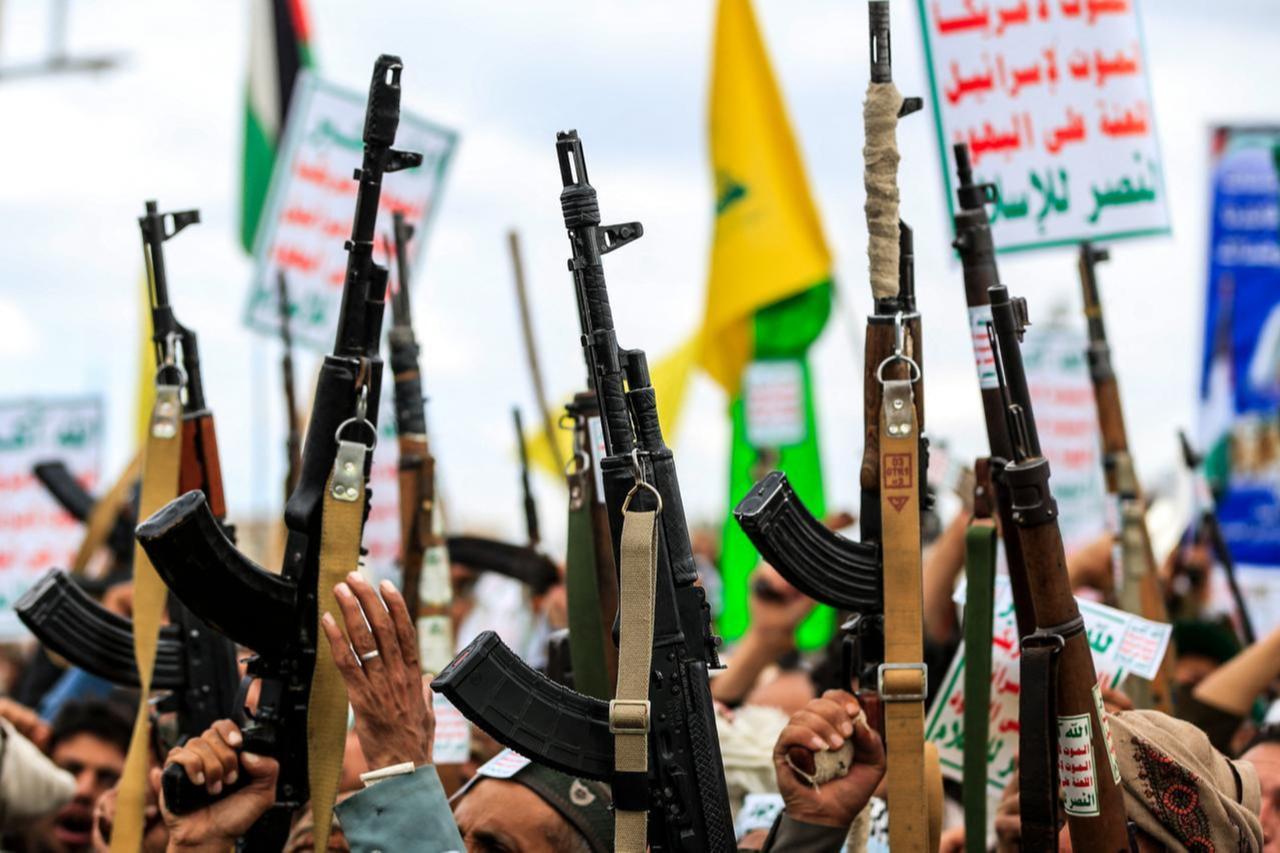


Houthi leader Abdul Malik al-Houthi warned Thursday that his movement would strike Saudi Arabia's oil facilities and other critical infrastructure if Riyadh intensifies what he described as aggression against Yemen, raising the prospect of a sharp new escalation in a conflict that has simmered since a 2022 ceasefire largely froze the front lines.
"All Saudi oil facilities and vital installations are targets for our missiles and drones if it gets itself involved in a full-scale aggression against our country and moves towards escalation," al-Houthi said in a televised address, also threatening to target Riyadh's international airport directly in retaliation for strikes on Sanaa's.
The warning comes days after the most significant exchange of fire between the Houthis and Saudi Arabia since a United Nations-backed ceasefire went into effect in 2022.
The Sanaa airport strike on Monday was claimed by Yemen's internationally recognized government, based in Aden, which said it targeted the runway to prevent an Iranian aircraft from landing in violation of what it considers legitimate airspace controls.
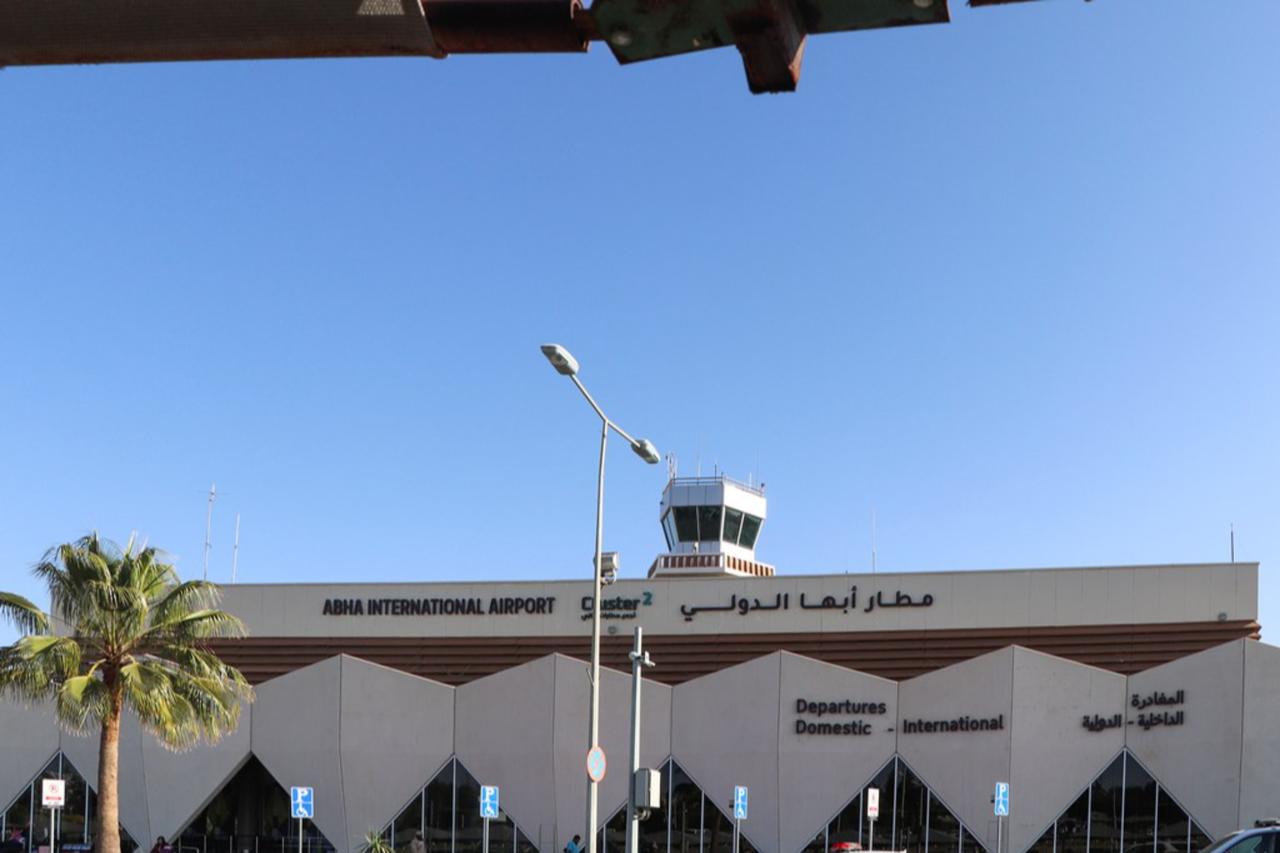
The Iran-backed Houthis, who control Sanaa and much of northern Yemen, accused Saudi Arabia of responsibility for the strike and retaliated with ballistic missiles and drones aimed at Abha International Airport in Saudi Arabia's mountainous southern region.
Saudi authorities said their air defenses intercepted the incoming projectiles and reported no casualties. On Tuesday, the Houthis also said they had shot down a Saudi-operated reconnaissance drone.
The immediate trigger for the standoff is a contested Iranian flight into Yemeni airspace.
For more than a decade, aircraft seeking to land in Sanaa have been required to obtain prior clearance from the Saudi-led coalition, an arrangement the coalition says it enforces at the request of the Yemeni government.
The Houthis and Tehran appear to have challenged that arrangement by organizing direct flights from Iran, an approach that angered Aden and its backers.
Yemen's ambassador to the United Nations, Abdullah al-Saadi, told the Security Council on Monday that the plane in question was linked to Iran's Revolutionary Guard Corps and carried what he characterized as personnel and military or dual-use equipment.
The Yemeni government had offered to transport the Houthi delegation, which had been attending a ceremony in Tehran, on a Yemeni airline instead.
The aircraft ultimately diverted and landed at Hodeidah Airport in western Yemen after switching off its tracking systems.
al-Houthi framed the confrontation in blunt, symmetrical terms. "The equation is airports for airports, ports for ports, and a blockade for a blockade," he said.
 1 min read
Hans Grundberg, the UN special envoy for Yemen, said his office had contacted military representatives from all sides, urging them "to de-escalate and refrain from any actions that would risk a new cycle of violence in Yemen."
The exchange has revived fears of a broader collapse of the fragile ceasefire that has mostly held since 2022, following years of devastating conflict that the United Nations has described as one of the world's worst humanitarian crises.
Saudi Arabia intervened militarily in Yemen in 2015 in support of the internationally recognized government after the Houthis seized Sanaa and forced the administration to relocate south.
The war produced mass displacement, widespread famine, and extensive civilian casualties before the truce cooled direct hostilities between Riyadh and the rebel movement.


 Set as preferred source
 Set as preferred source



 1 min read