Newsletters


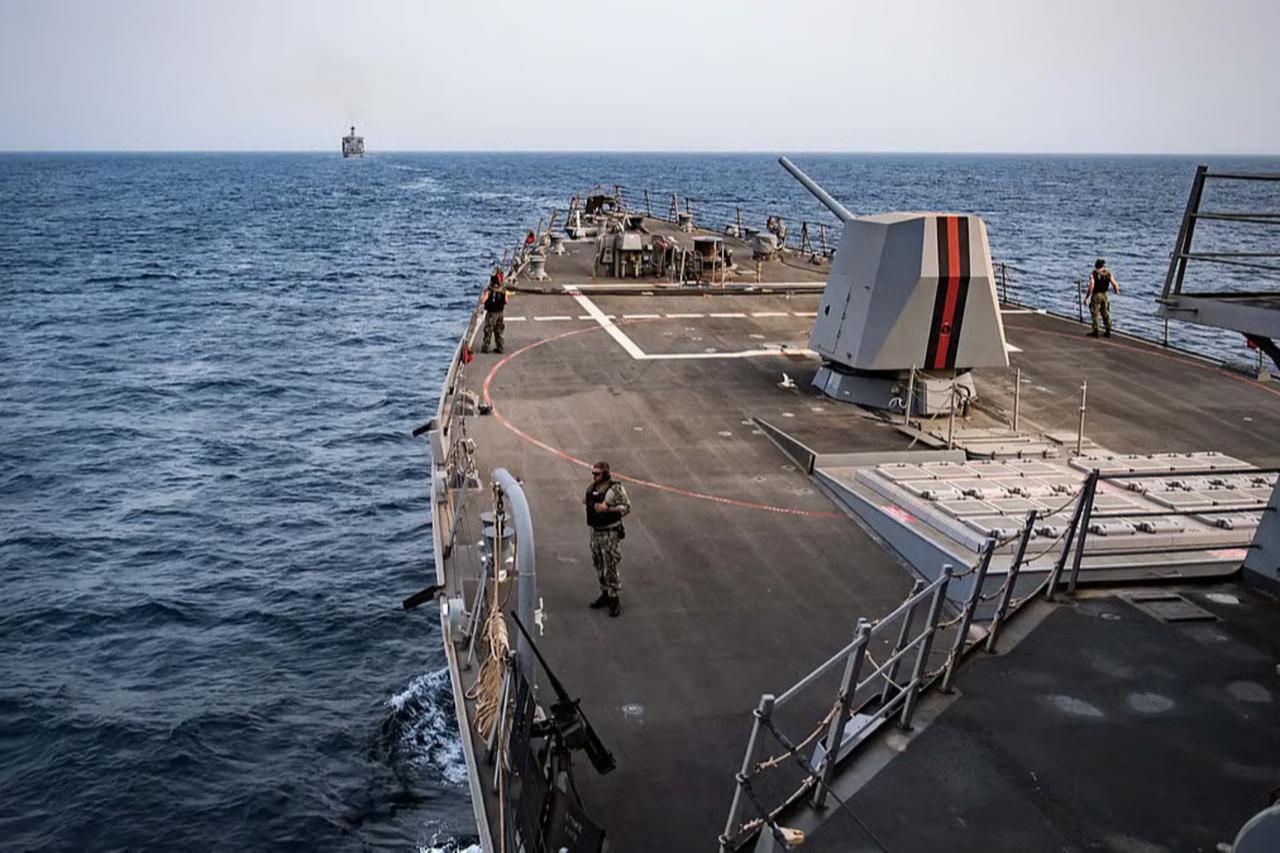


The deputy foreign minister of the Houthi government in Sanaa warned Sunday that the group could close the Bab al-Mandeb Strait off Yemen’s coast if United States President Donald Trump continues policies it says obstruct peace.
“If Sanaa decides to close the Bab al-Mandeb, then all of mankind and jinn will be utterly powerless to open it,” Hussein al-Ezzi said in a statement on X.
“And therefore, it is best for Trump, and the complicit world, to immediately end all practices and policies that obstruct peace, and to show the respect required for the rights of our people and nation,” he added.
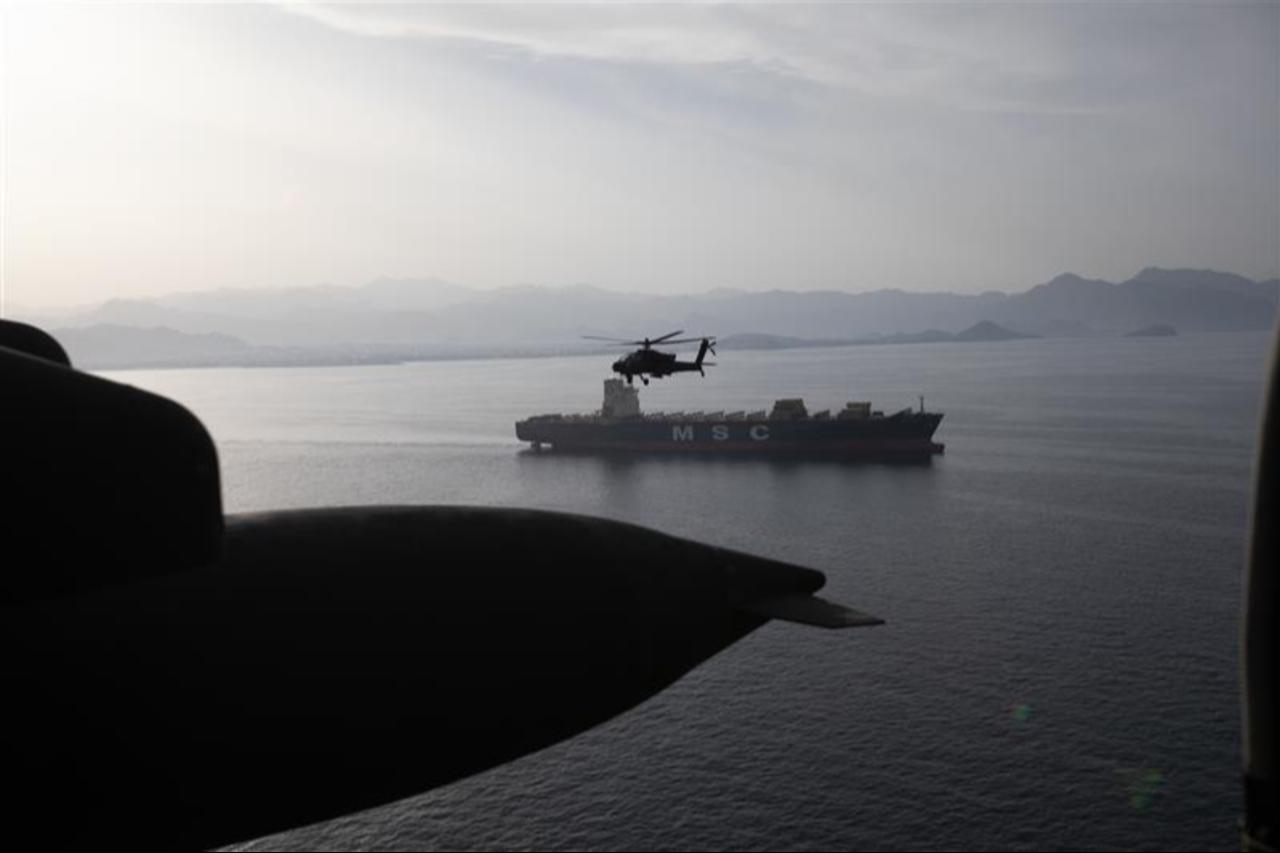
The Bab al-Mandeb Strait connects the Red Sea to the Gulf of Aden and is a critical global shipping chokepoint, channeling maritime traffic toward the Suez Canal.
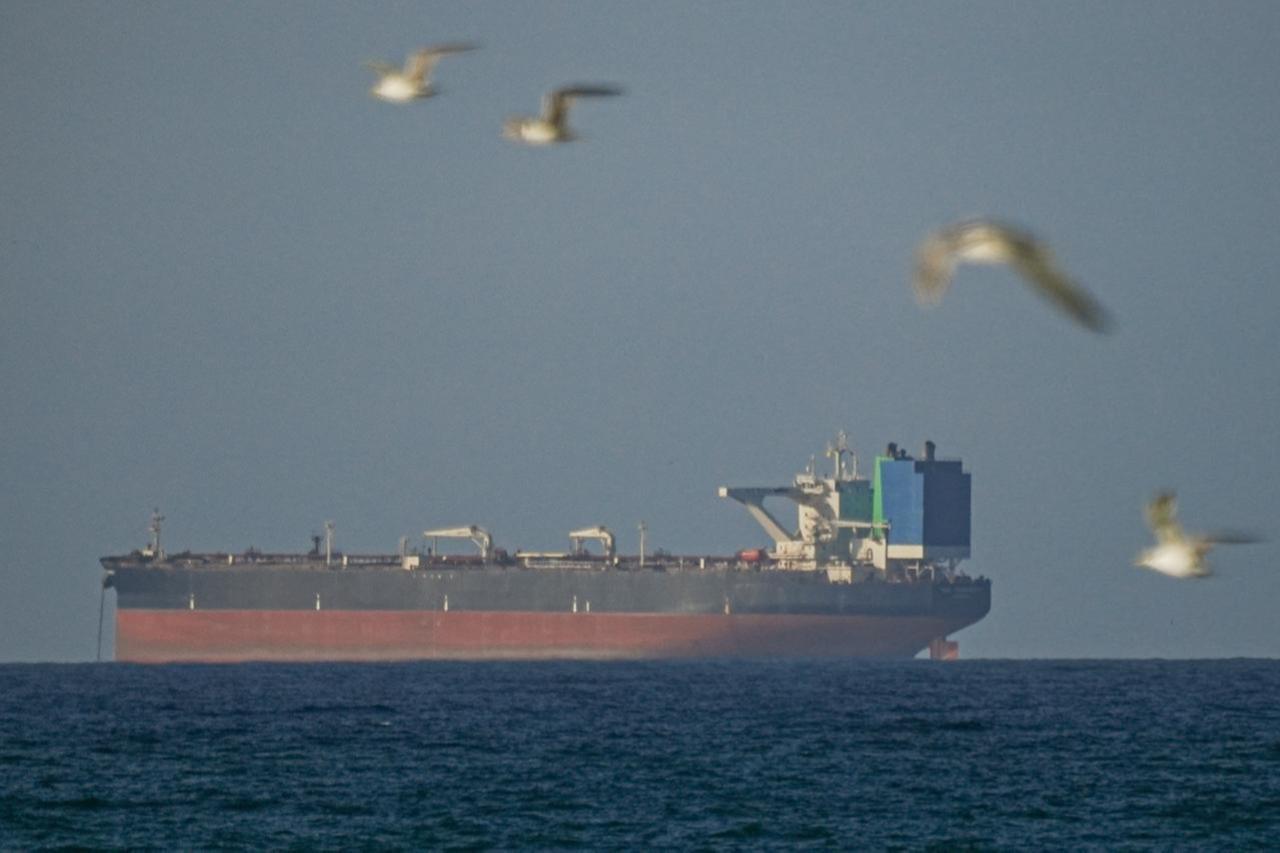
It is among the world’s most important routes for seaborne commodities, particularly crude oil and fuel shipments from the Gulf to the Mediterranean, as well as goods bound for Asia, including Russian oil.
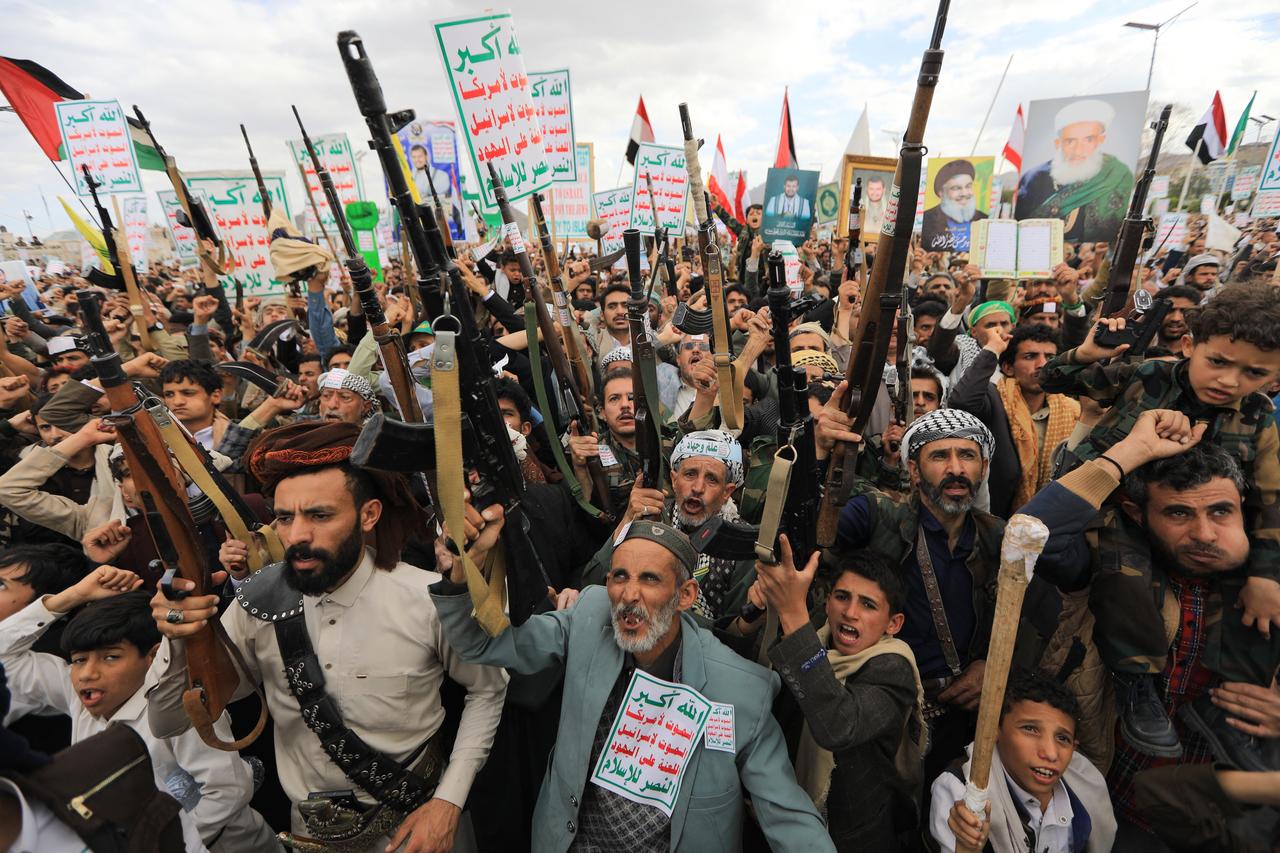

Meanwhile, Yemen’s Foreign Minister Shaya al-Zindani warned Friday that any attempt by proxy forces aligned with external powers to control the Bab al-Mandeb Strait could threaten global security.
Speaking to Anadolu Agency on the sidelines of the Antalya Diplomacy Forum in Antalya, Zindani said Yemen’s geostrategic position makes it central to international maritime stability.
“Any disruption in the security situation will directly affect regional stability, as well as the safety of international navigation and trade,” he said.
Zindani warned that escalating tensions highlight the strategic importance of the Red Sea and Yemen’s position overlooking Bab al-Mandeb, adding it could become “a threat to international peace and security if left to forces acting as proxies for other states.”
He accused the Houthis of aligning with Iran to threaten key maritime routes.
“We have heard that the Iranian regime is recently threatening, after the Strait of Hormuz, to also close Bab al-Mandeb. This indicates they may use the Houthis as a tool to threaten the strait and the Red Sea,” he said.
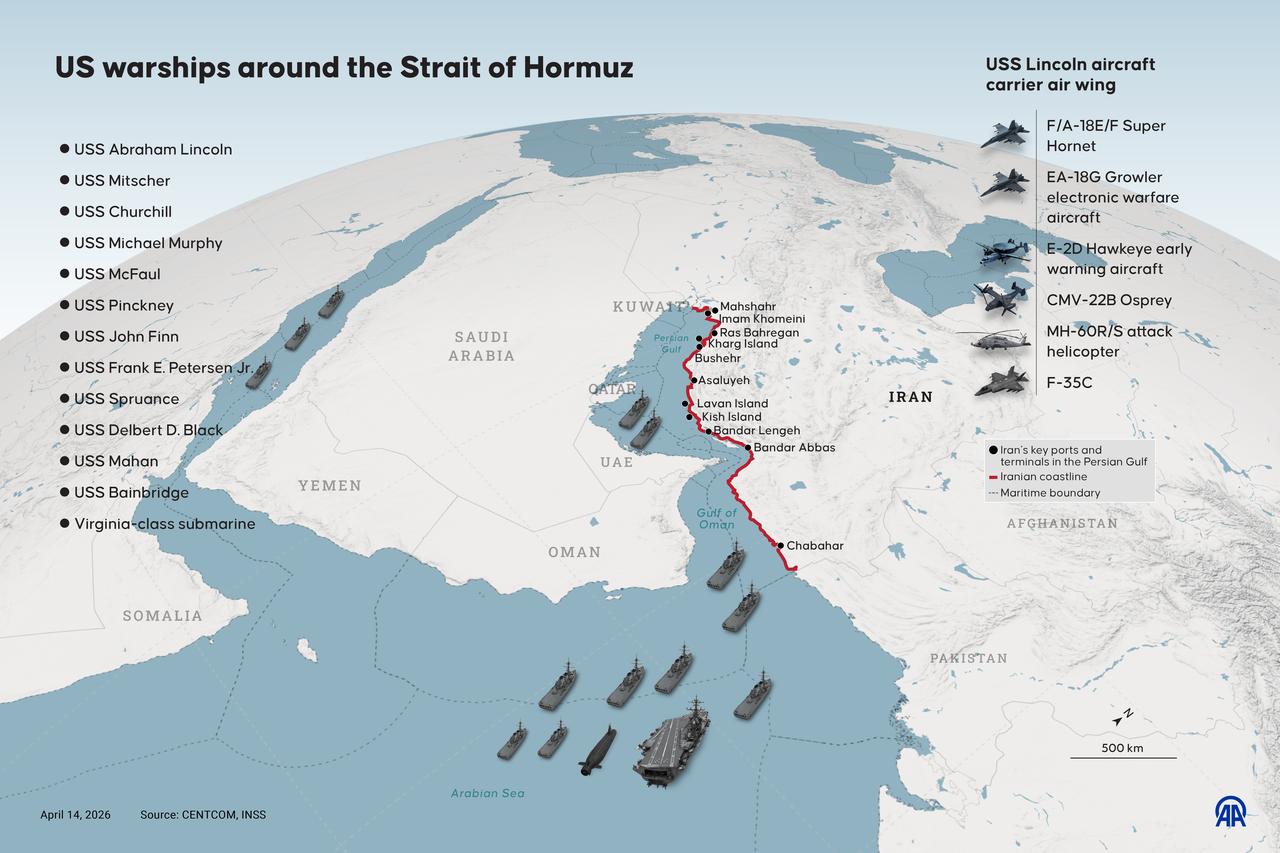
The Bab al-Mandeb Strait lies at a critical junction between continents, separating Yemen from Djibouti and Eritrea, and underpins trade between Europe and Asia. Millions of barrels of oil, liquefied natural gas and container cargo transit the route daily, making it one of the world’s most sensitive maritime corridors.
In March, Yemen’s Iran-aligned Houthi group signaled that the Red Sea and Bab al-Mandeb could be drawn further into the conflict.
The warning comes as tensions around another key waterway, the Strait of Hormuz, continue to escalate.
Iran’s military said earlier Saturday that control over the strait had returned to its “previous state” under the management of its armed forces, citing the ongoing U.S. blockade of Iranian ports.
A day earlier, Iranian Foreign Minister Abbas Araghchi said the Strait of Hormuz was “completely open” to commercial vessels, describing the move as aligned with a ceasefire in Lebanon.
The United States and Israel launched a joint offensive on Iran on Feb. 28, prompting retaliatory strikes by Tehran on Israel and other regional locations hosting U.S. assets.
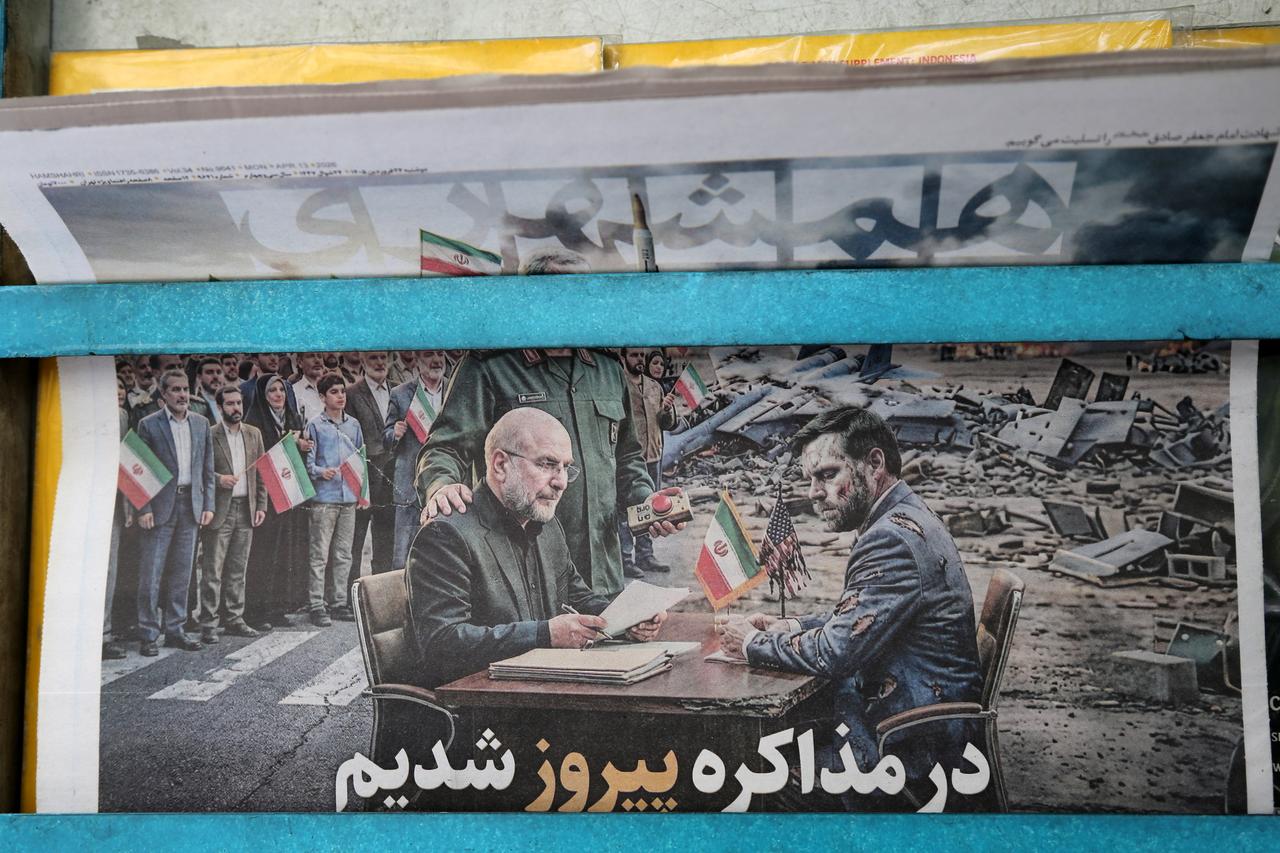
The conflict has been on hold since April 8, when Pakistan mediated a two-week ceasefire. Washington and Tehran held talks in Pakistan on April 11-12 aimed at securing a lasting agreement, but negotiations ended without a breakthrough.
The United States later imposed a naval blockade on Iranian ports, which took effect at 1400 GMT on Monday.


 Set as preferred source
 Set as preferred source


 1 min read
 1 min read