Newsletters


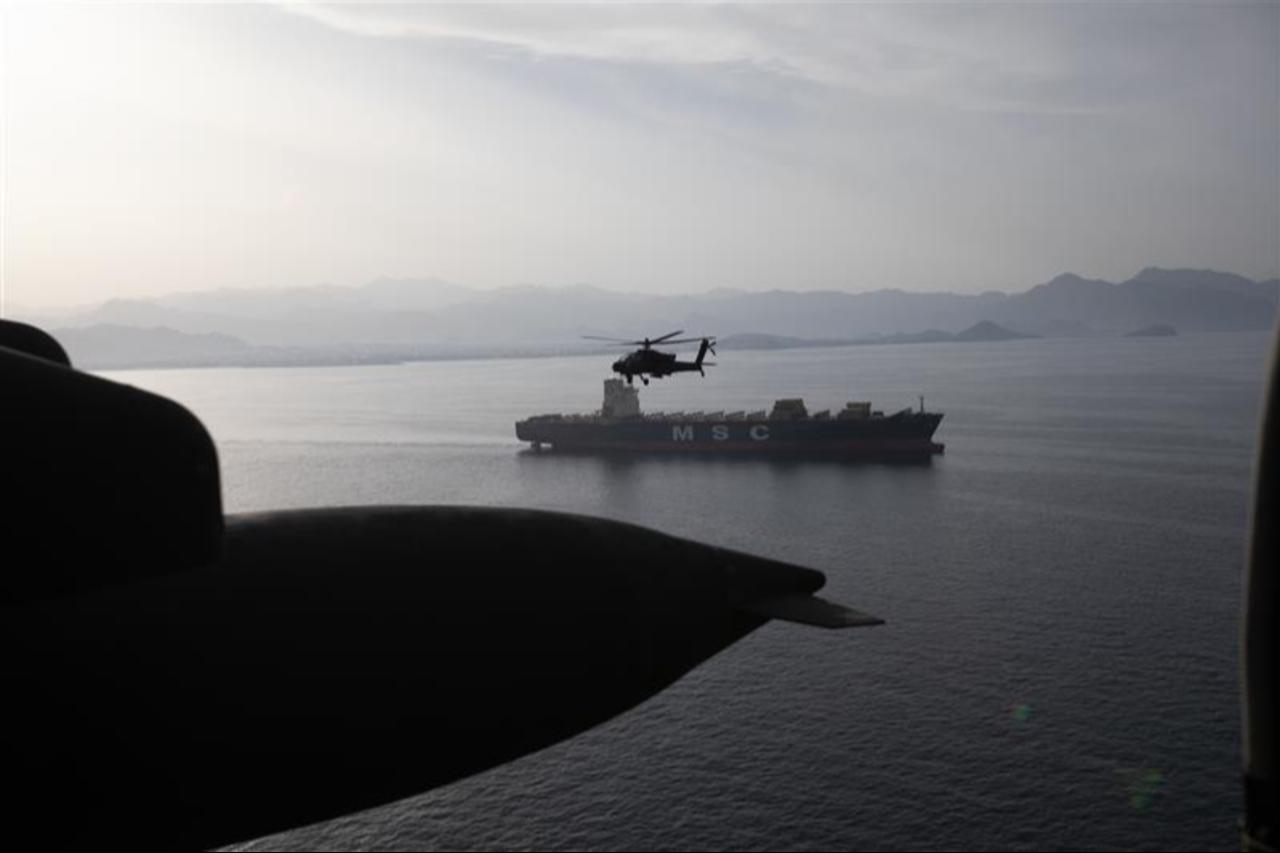


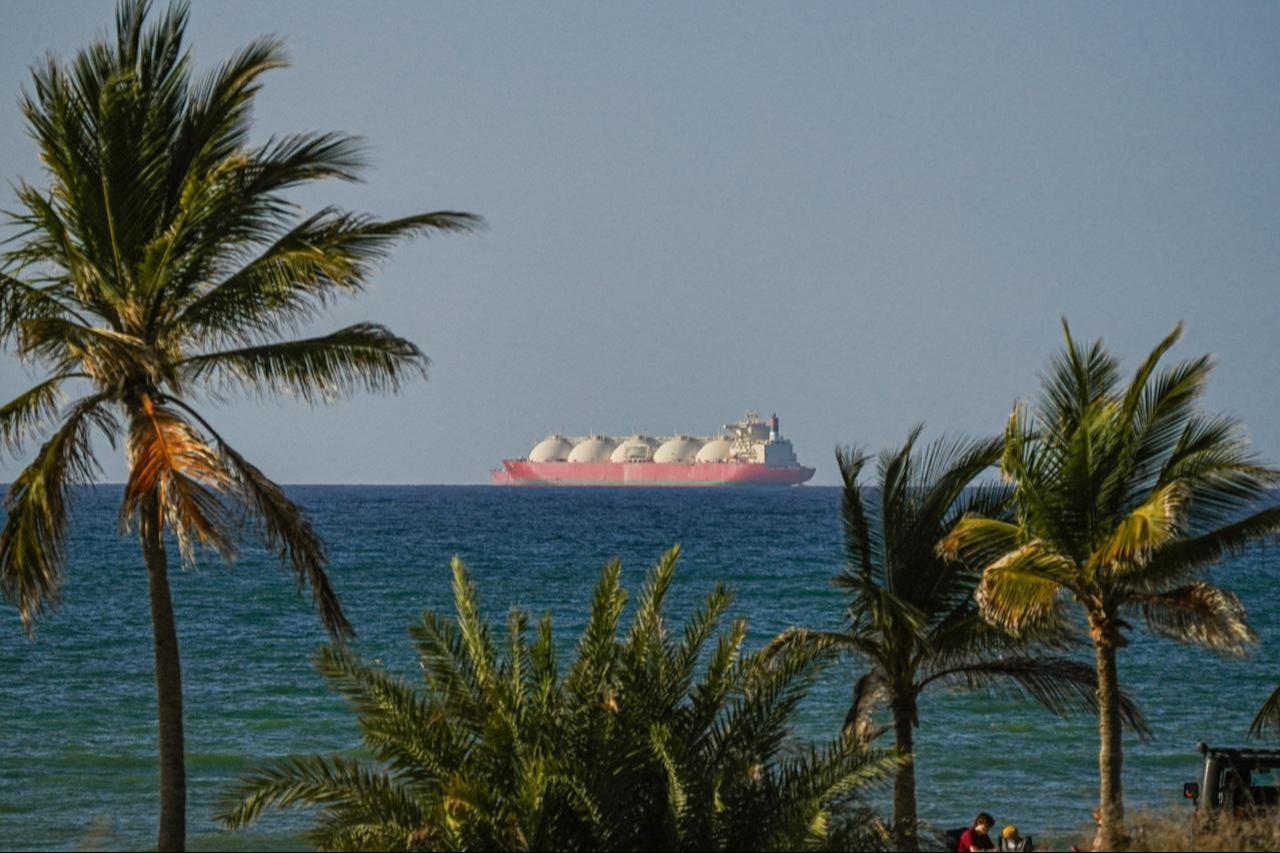
The United States is preparing to board Iran-linked oil tankers and seize commercial vessels in international waters in the coming days, expanding its naval crackdown beyond the Middle East, The Wall Street Journal reported, citing U.S. officials.
According to the report, American forces plan to pursue vessels worldwide that are helping Tehran, as part of a broader effort to increase economic pressure on Iran.
The move comes as Iran's military tightens its control over the Strait of Hormuz, attacking several commercial vessels and declaring the waterway under "strict" control, developments that prompted shipping companies to react amid uncertainty.
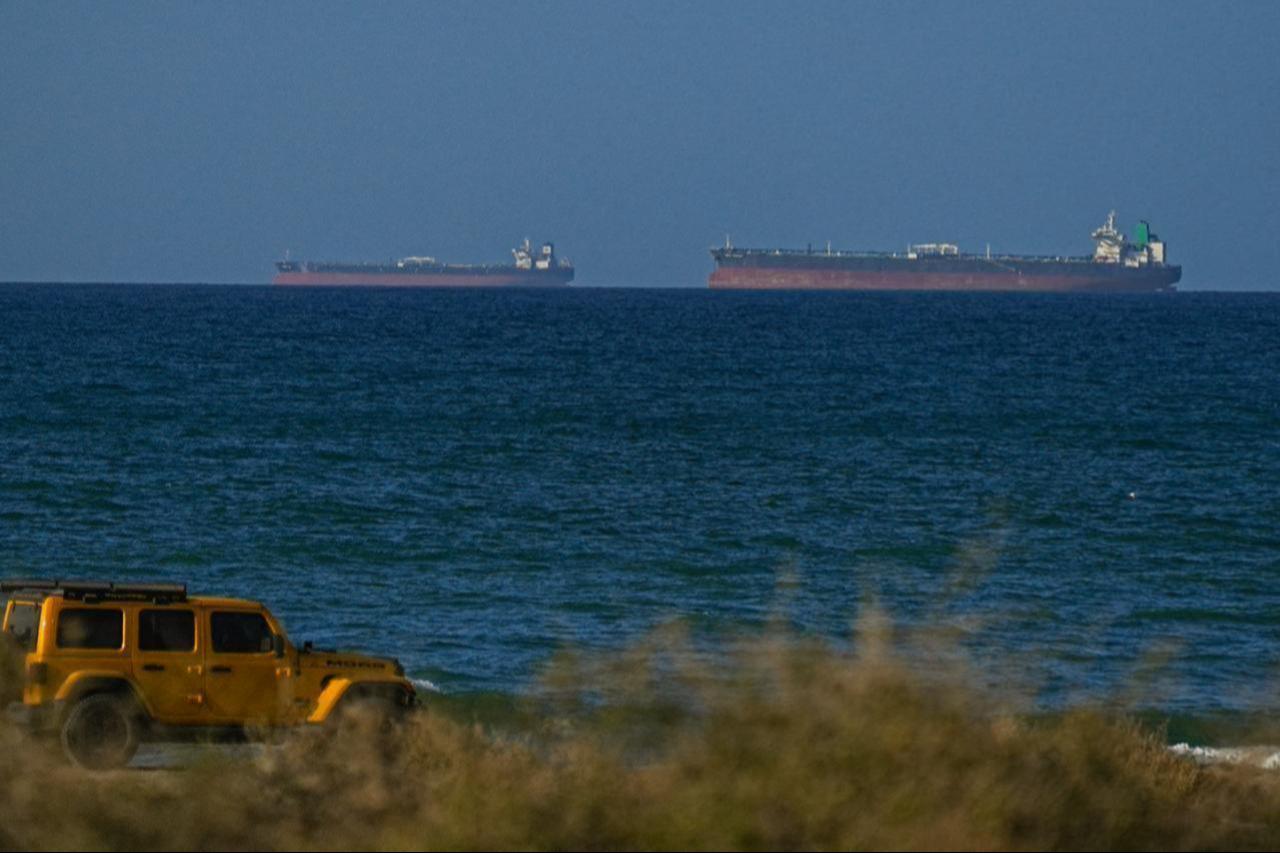

The U.S. Central Command said it had already turned back 23 ships attempting to leave Iranian ports as part of a naval blockade.
The expanded campaign would allow U.S. forces to take control of Iran-linked vessels globally, including ships carrying Iranian oil outside the Persian Gulf and vessels transporting arms linked to the Iranian government.
Gen. Dan Caine, chairman of the Joint Chiefs of Staff, said the U.S. "will actively pursue any Iranian-flagged vessel or any vessel attempting to provide material support to Iran."
“This includes dark fleet vessels carrying Iranian oil,” he said, referring to ships evading international regulations, sanctions or insurance requirements.
The operation is expected to be carried out in part by the U.S. Indo-Pacific Command as part of a new phase of the U.S. pressure campaign against Tehran, referred to by officials as "Economic Fury."
The Trump administration aims to use the increased pressure to force Iran to reopen the Strait of Hormuz and make concessions in negotiations over its nuclear program.
U.S. President Donald Trump said Iran had agreed to hand over its stockpile of highly enriched uranium to the U.S., a claim Tehran has rejected.
Key issues in the talks include how long Iran would suspend uranium enrichment and whether it would receive billions of dollars in frozen funds from foreign countries.
The renewed tensions follow talks held last weekend in Pakistan that ended without a breakthrough, with no new round of negotiations yet scheduled.
A temporary ceasefire between the two sides is set to expire next week, with both sides taking steps in case fighting resumes.
U.S. officials said Iran still possesses thousands of medium- and short-range missiles and is retrieving launchers from underground storage, while its defense industry has been heavily damaged, limiting its ability to quickly produce more weapons.
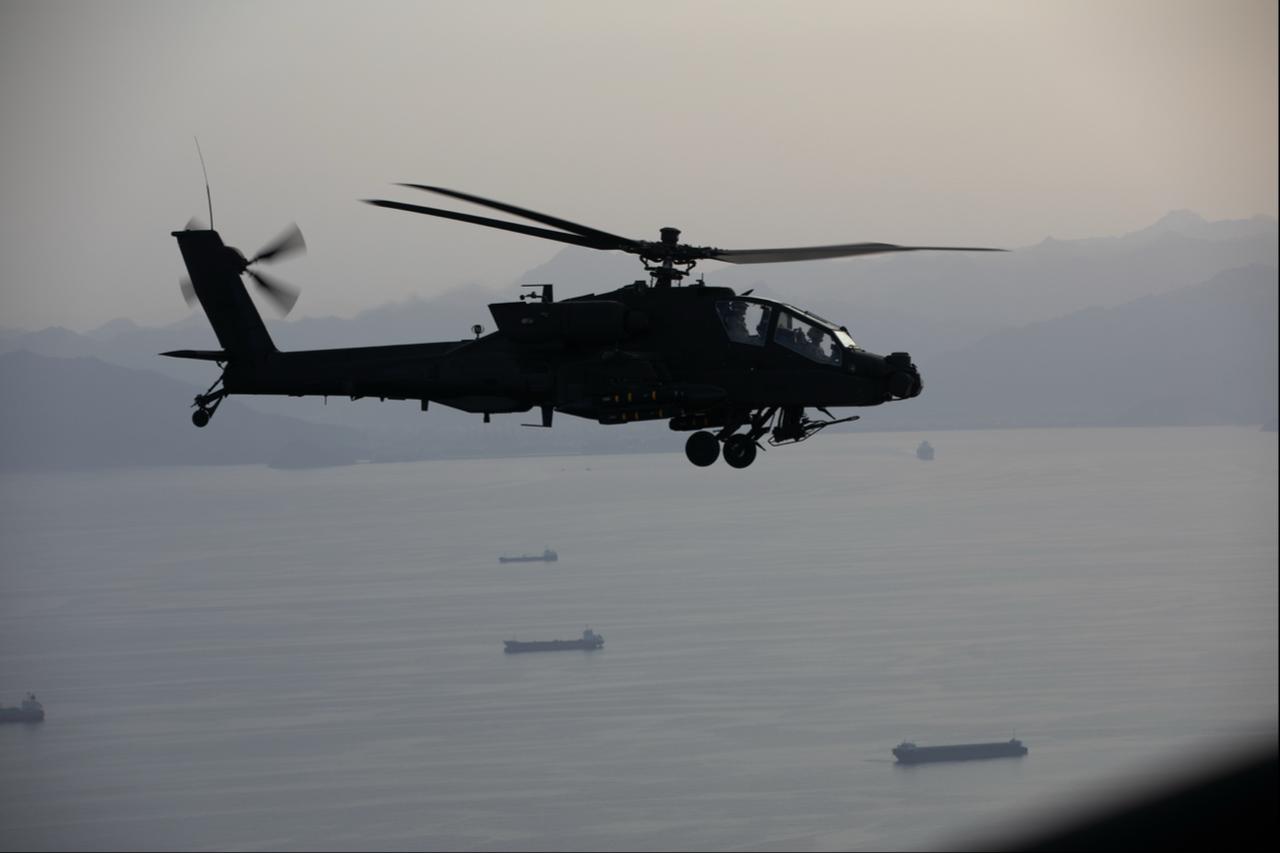
Defense Secretary Pete Hegseth said U.S. forces were "maximally postured" to resume military operations if talks fail, though officials have indicated reluctance to deploy ground troops.
He also said striking Iran's power plants remains an option, while acknowledging the risk of retaliation against energy infrastructure in Saudi Arabia and other allied countries.
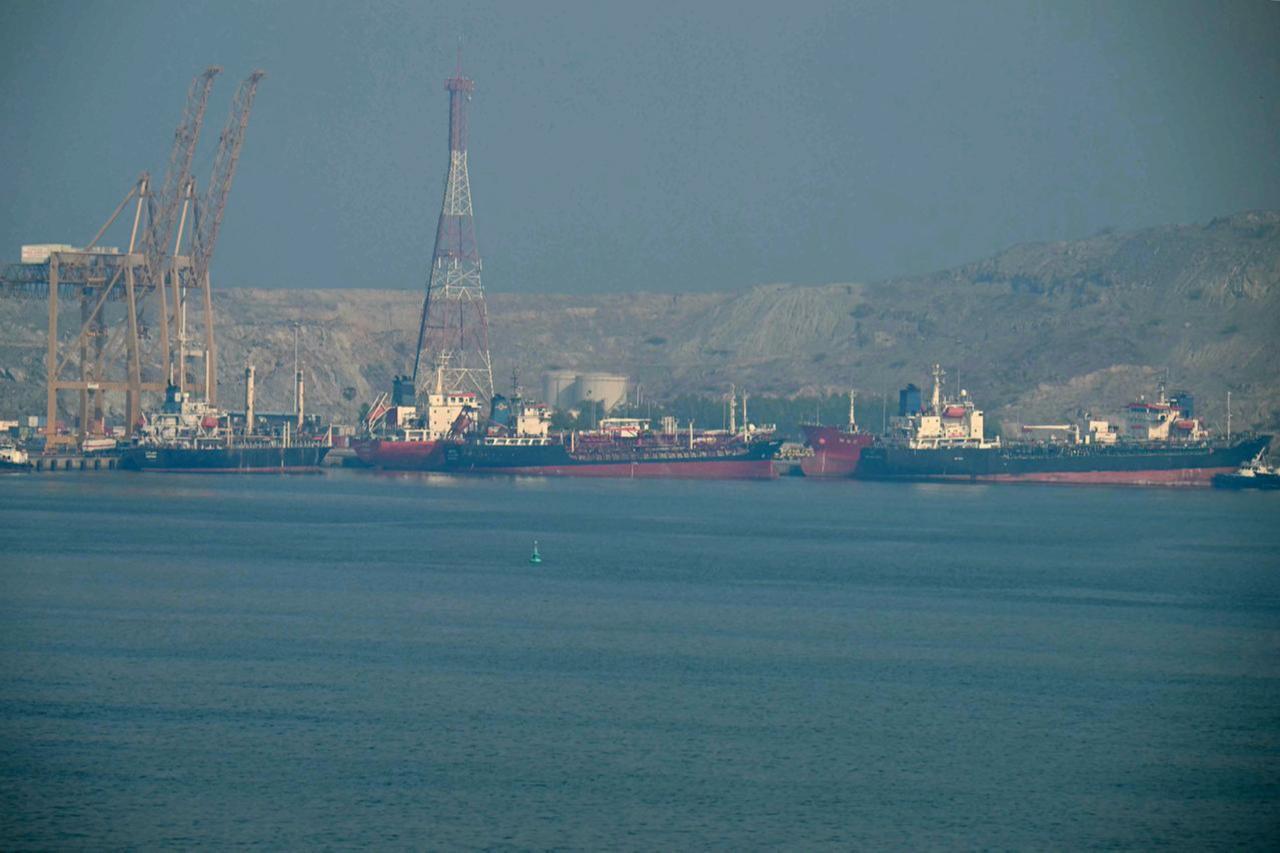
The U.S. Treasury Department said it is expanding sanctions targeting Iran's oil trade, including vessels and companies linked to shipping magnate Mohammad Hossein Shamkhani.
He is the son of Ali Shamkhani, a senior adviser to Iran's leadership who was killed in an Israeli airstrike in late February.
The measures add to hundreds of Iran-linked vessels already sanctioned by the Trump administration, which could now be subject to boarding operations.
Acting Attorney General Todd Blanche said authorities would prosecute individuals involved in buying or selling sanctioned Iranian oil.
The U.S. Attorney's Office for the District of Columbia said it is targeting networks supporting the Iranian government, with its Threat Finance Unit involved in efforts to secure vessel seizure warrants.
Earlier this year, the U.S. military demonstrated its ability to track and interdict vessels globally, including tankers linked to Venezuela in the Atlantic and Indian oceans.
Mark Nevitt, an associate professor of law at Emory University, said the U.S. appears to be pursuing multiple actions at sea, including enforcing the blockade near Iran, seizing vessels globally and targeting contraband shipments.
“It’s a maximalist approach. If you want to put the screws down on Iran, you want to use every single legal authority you have to do that,” he said.


 Set as preferred source
 Set as preferred source


 1 min read
 1 min read