Newsletters


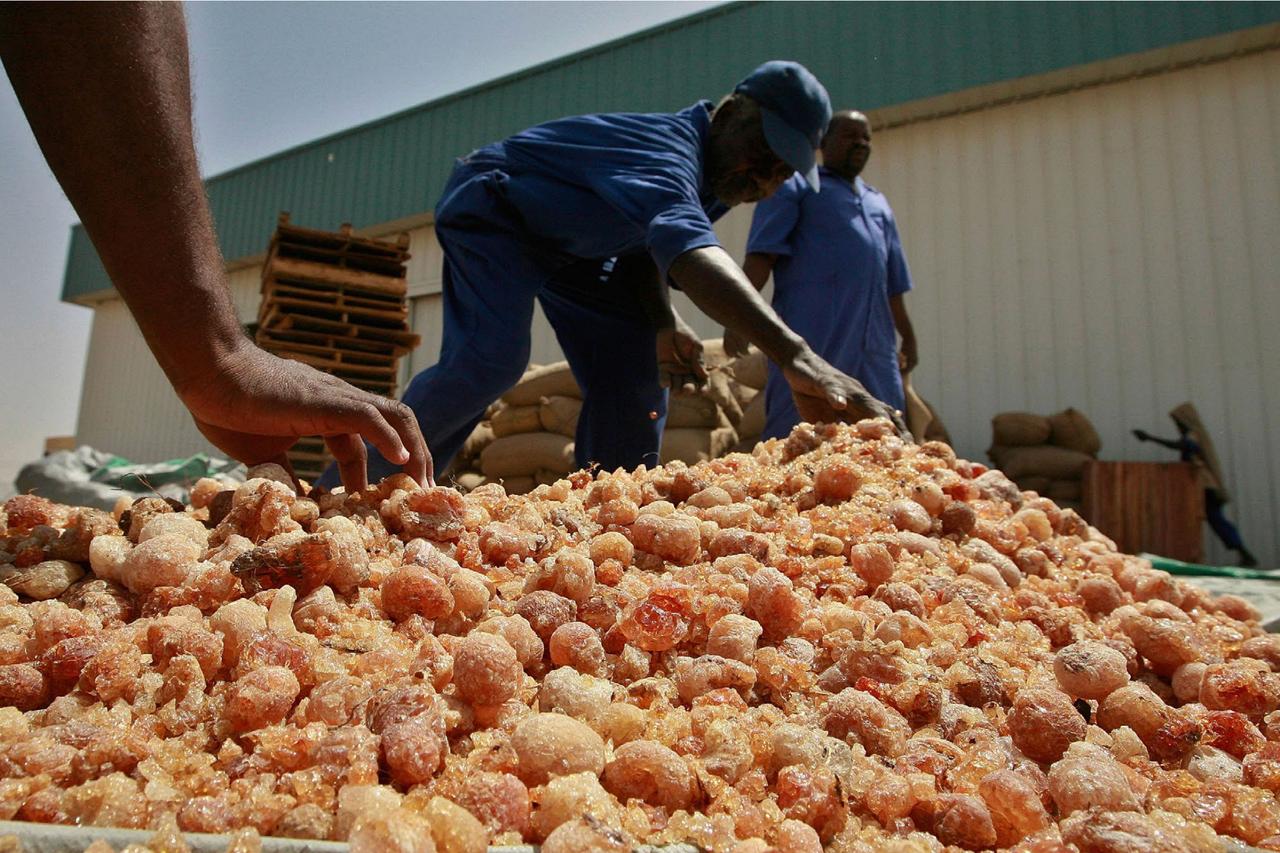


A report by the Dutch peace organization PAX says Sudan’s civil war has disrupted official exports of gum arabic, an ingredient used widely in foods, cosmetics and other products, as researchers warn that smuggling and opaque supply chains are allowing armed groups to profit while global demand continues.
Researchers warn that smuggling and supply-chain opacity are allowing armed groups to profit as demand continues.
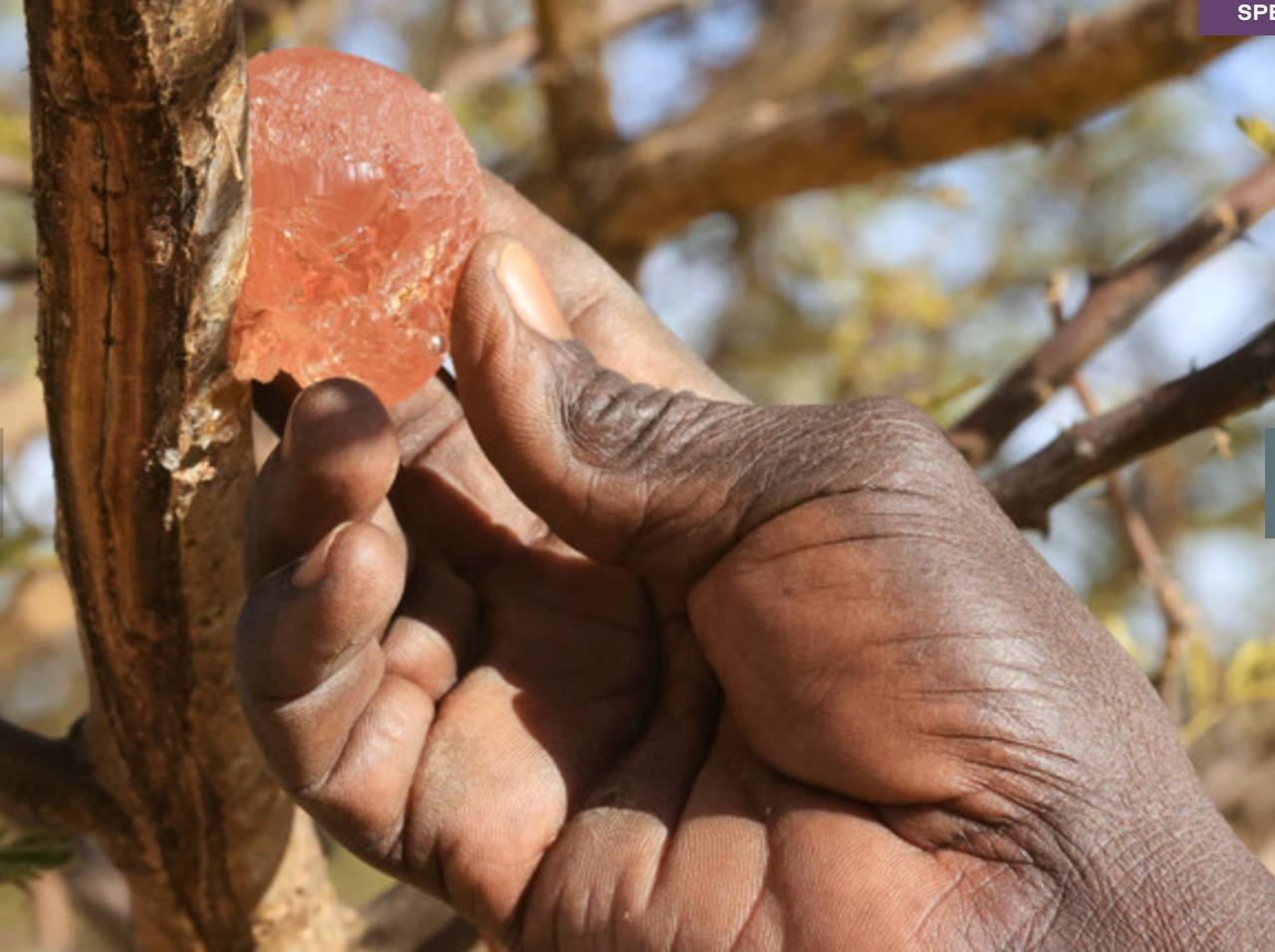
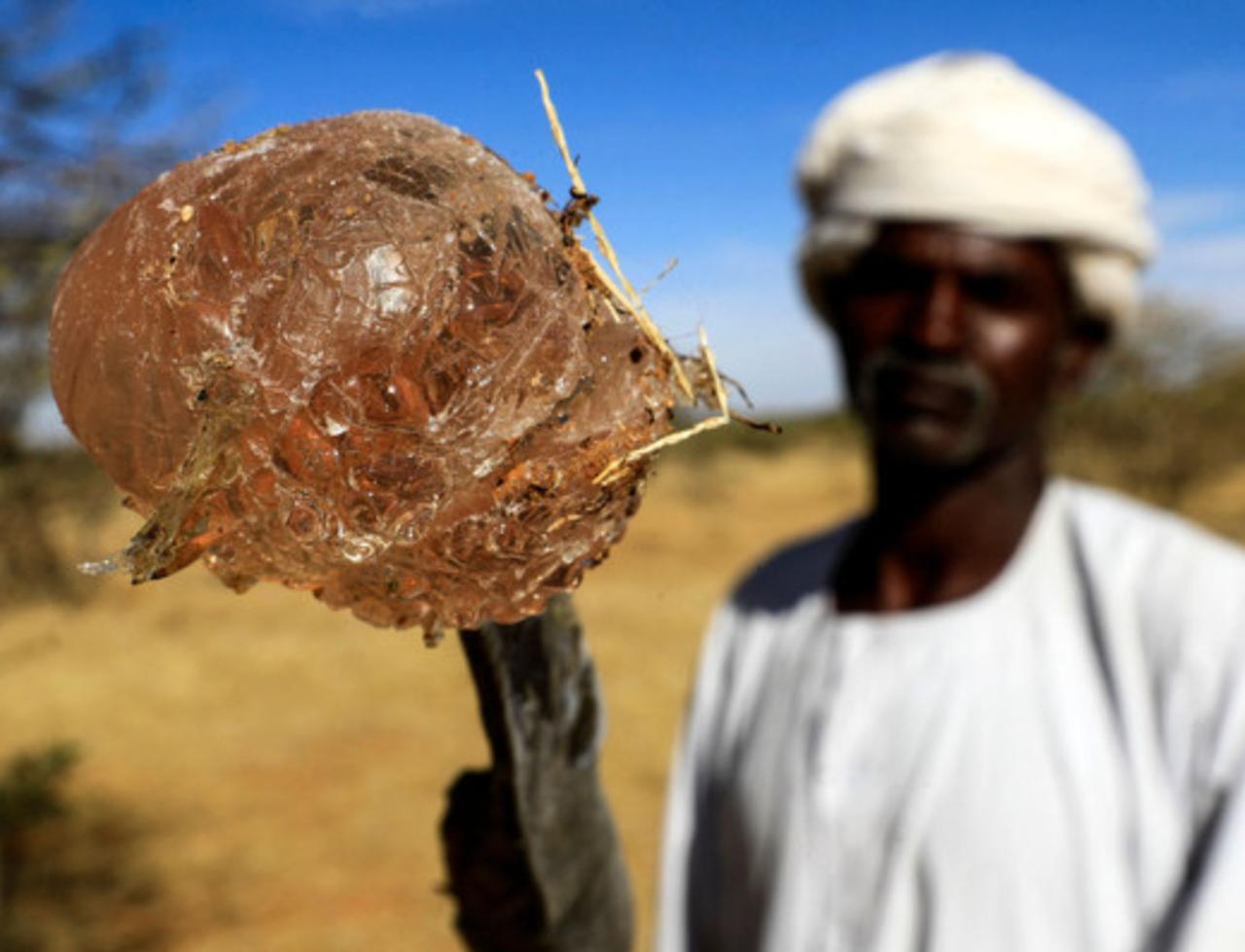
Gum arabic is a resin produced by tapping the Acacia senegal tree, which grows across a belt of Central Africa. After harvesting, the resin is processed into powder and used widely as an emulsifier and binder in consumer and industrial products.
On ingredient labels, it commonly appears as “gum arabic,” “acacia gum,” or “E414.” It is used in soft drinks, ice cream, confectionery, chewing gum, cosmetics, adhesives, paint and even some medicines.
The report argues that this “everyday” additive is increasingly intertwined with Sudan’s war economy, as armed actors exploit an opaque supply chain that is hard, sometimes impossible, to trace.

Sudan has been locked in a deadly conflict between the army and the Rapid Support Forces (RSF) since April 2023, killing thousands of people and displacing millions of others.
Since the war began, official export numbers from Sudan have dropped sharply, but demand has not. Instead, exports from neighboring countries have risen, a trend researchers point to as a sign that Sudanese gum arabic is being diverted across borders.
Most Sudanese gum arabic is now being smuggled out of the country, making it difficult to trace its origins.
Some of this smuggling is carried out by Sudanese traders who move products into Chad, South Sudan, or other neighboring countries they can reach.
International corporate demand for gum arabic is significant. In 2024, nearly 200,000 tons were imported for various uses, a market valued at nearly $300 million.
The commodity is considered so critical that when the United States sanctioned Sudan in the 1990s after designating it a “state sponsor of terrorism,” gum arabic was excluded from sanctioned exports.
Sudan’s climate produces high-quality hashab, regarded as the most commercially valuable variety of gum arabic.
Before the war, Sudan supplied an estimated 70% to 80% of the world’s gum arabic, making it a central pillar of the trade.
The biggest buyers of raw gum arabic are European companies, with French and German firms leading the pack.
While these companies say they are undertaking all due diligence to ensure that their imports of gum arabic are ethically sourced, the PAX researchers found otherwise.
In an interview with Al Jazeera, Bijl, the report’s researcher, said: “The European companies that import these ingredients import something that has profited the RSF, and that is sustaining the war effort.”
As fighting continues and the RSF seeks additional revenue, risks for farmers, tappers and workers across the supply chain are intensifying. Gum arabic remains a major livelihood for millions of Sudanese people, but it has become increasingly insecure.
“It’s a very important livelihood for millions of Sudanese people. But at the same time, it’s become a very insecure trade,” Bijl said.
Even as the price for a ton of hashab has more than doubled during the war, producers, who typically earn the least in natural-resource supply chains, are reported to be making even less than before.


 Set as preferred source
 Set as preferred source



 3 min read