Newsletters


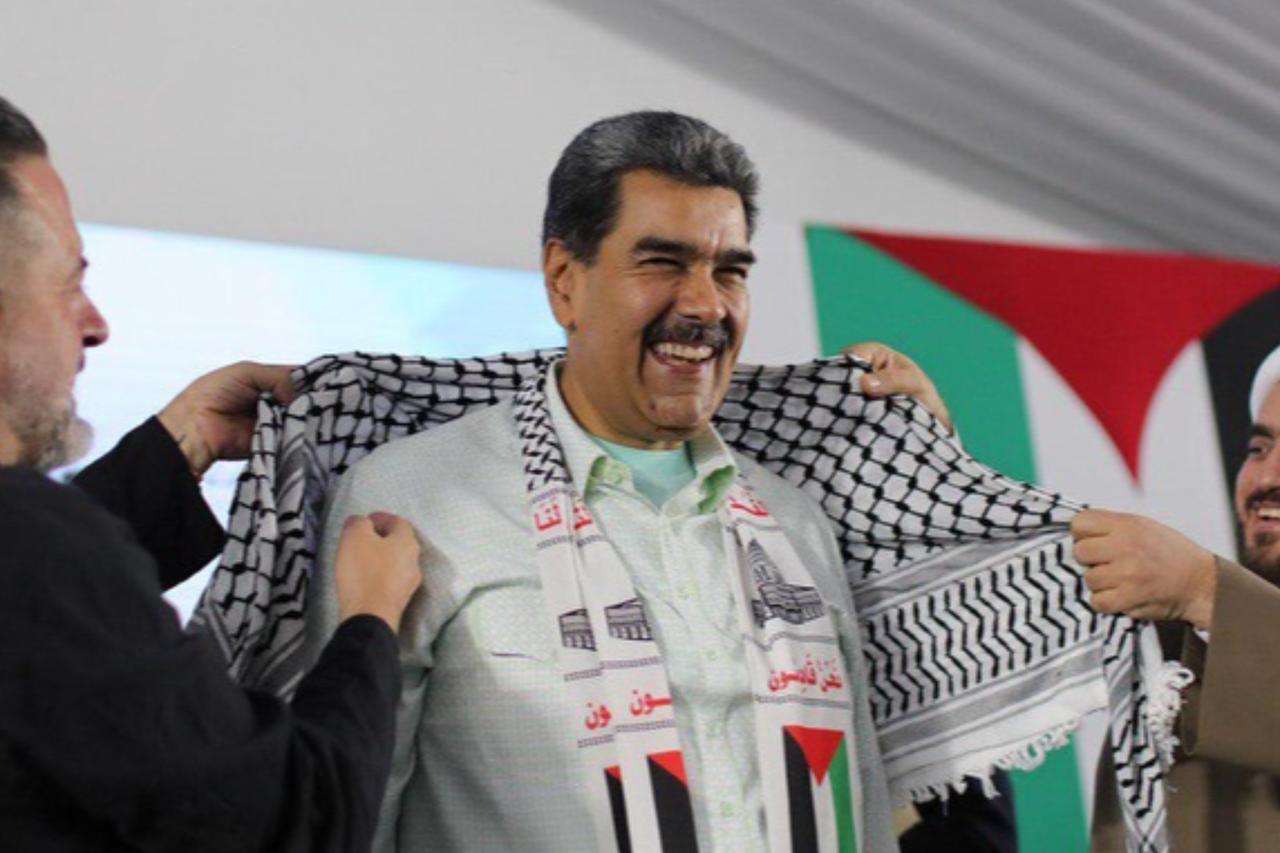


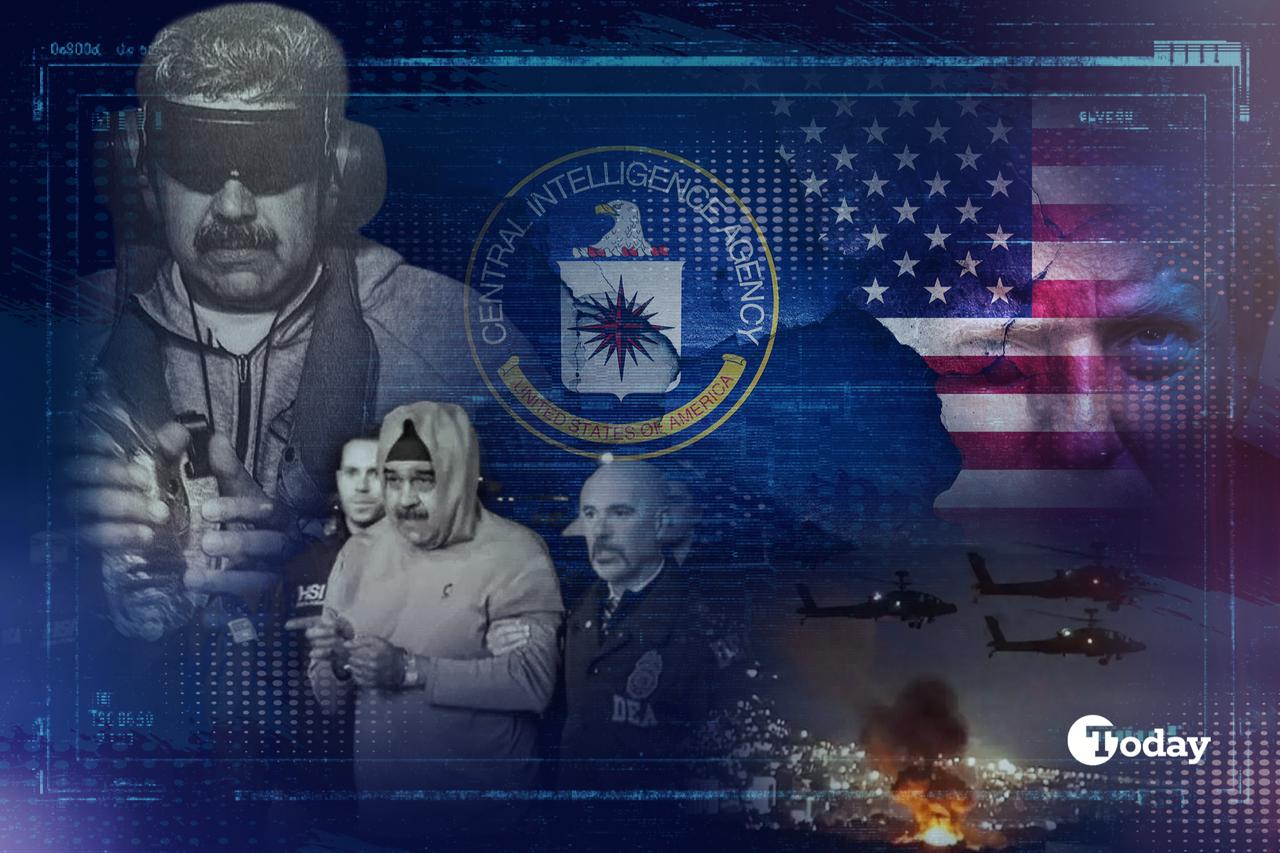
U.S. President Donald Trump announced Saturday that the United States has captured Venezuelan President Nicolas Maduro and his wife in what he described as a "large-scale strike" carried out in conjunction with U.S. law enforcement, marking a dramatic escalation in the monthslong confrontation between Washington and Caracas.
Many Palestine supporters treated what happened as part of a "single cause" centered on confronting hegemony, arguing that Washington uses the same tools, political and economic pressure, and then force when necessary, to recalibrate regimes and states that do not align with its vision.
From this perspective, what occurred in Caracas was not read as a separate legal or security matter, but as part of a broader narrative of "U.S. imperialism" pursued through interventions, sanctions and alliances, and reflected, so they argue, across multiple arenas, including Palestine.
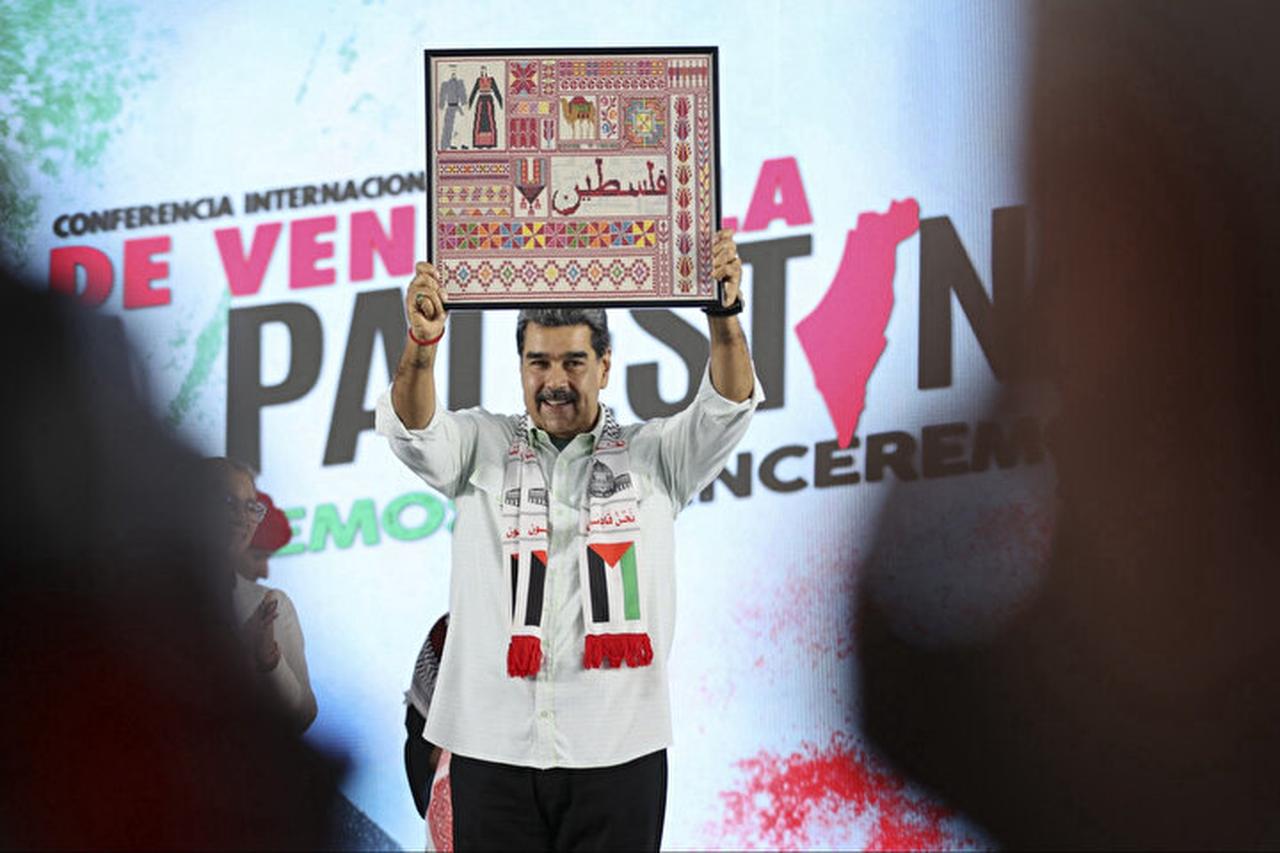

Pro-Palestine networks contributed to the linkage by explicitly tying the episode to a shared struggle narrative. The Samidoun Palestinian Prisoner Solidarity Network issued statements declaring solidarity with Venezuela and framing the operation as part of the same "U.S.-Zionist" project they describe as targeting Palestine, Lebanon, Yemen and the broader region.
Palestinian factions echoed similar language: statements attributed to Hamas condemned what it called U.S. "aggression" and the "kidnapping" of Maduro and his wife as a serious breach of international law, while other Palestinian political actors warned that the episode signaled a dangerous erosion of international norms.
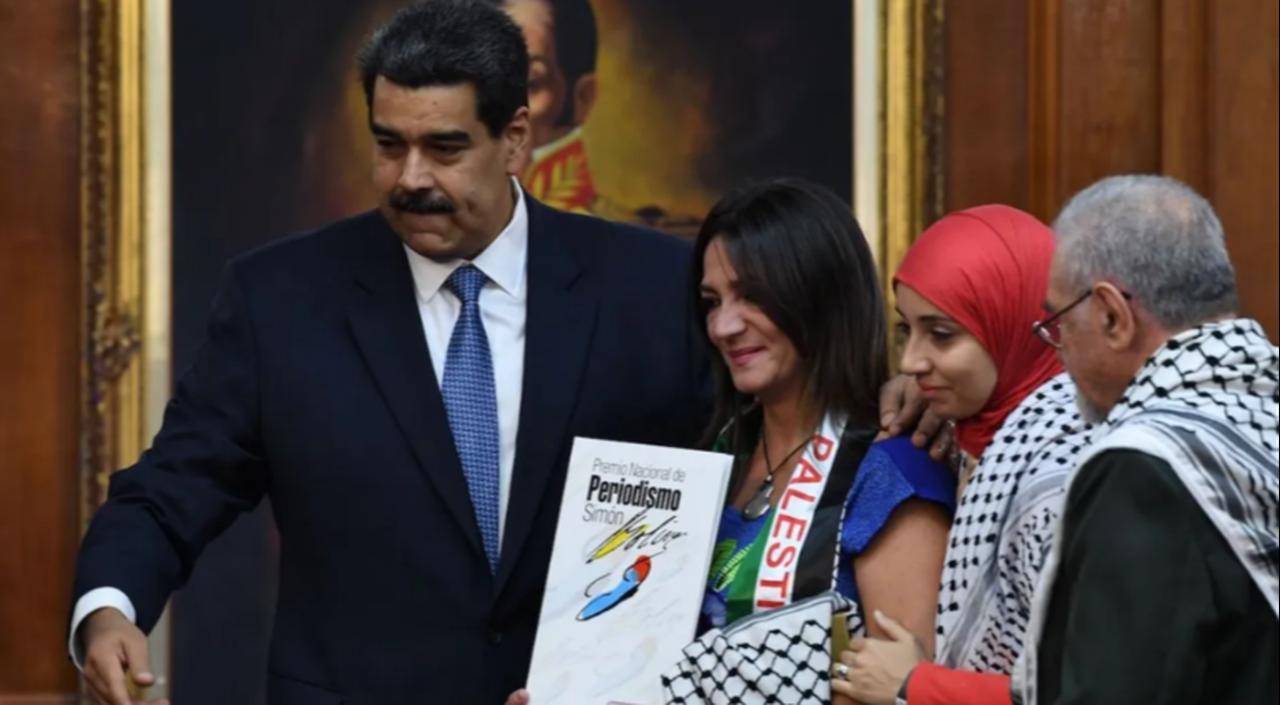
Many pro-Palestine voices treated the Maduro capture as part of a single, broader story about "U.S. imperialism," one in which Washington is seen as using pressure, sanctions and force to reshape governments that do not align with its agenda.
In that reading, what happened in Caracas is not primarily a discrete legal or security file, but an episode in a wider pattern that also includes Palestine.
That interpretive habit is especially visible in the Arab region, where Gaza and the question of Israeli influence have increasingly become a "lens" applied to global events whenever Washington is perceived to be involved, sometimes grounded in evidence, and sometimes driven by narrative resemblance and political symbolism.
The second reason the link spreads quickly is historical. Since Hugo Chavez, Caracas has presented itself as part of an "anti-U.S. hegemony" camp, turning the Palestinian cause into a moral and political reference point in its foreign-policy storytelling.
In 2009, Venezuela cut diplomatic ties with Israel after expelling the Israeli ambassador, placing Palestine at the center of how it signals alignment in global politics.
That history means Palestine becomes a "ready reference" whenever confrontation with Washington escalates: supporters of the Venezuelan government depict events as an attack on a pro-Palestine camp, while opponents may still invoke Palestine as a mobilizing symbol within a broader narrative war, each from their own position.
The link is also reinforced by tangible, long-running ties that make Venezuela feel "present" in Palestinian life beyond diplomacy. Venezuela has offered scholarships to Palestinian students and supported public projects, including the Hugo Chavez Ophthalmic (Eye) Hospital in Turmus Ayya, near Ramallah, an institution frequently cited as a concrete symbol of Venezuela-Palestine ties.
These material connections help explain why, when the Maduro episode erupted, some activists in Ramallah staged solidarity actions and raised Maduro's photos alongside anti-U.S. slogans: for them, the relationship is not abstract, but part of a political and social memory built over years.
During Maduro's tenure in particular, this legacy has continued to be leveraged politically and in the media through positions and statements supportive of the Palestinians.
This has ranged from his accusation that Israel was committing "genocide" in Gaza in October 2023, to diplomatic steps such as the decision to upgrade Venezuela's diplomatic representation to Palestine to embassy level (2023), as well as Caracas' declared support for South Africa's initiative before the International Court of Justice in the Gaza-related "genocide" case in early 2024, as reported by multiple media outlets and news agencies.
Maduro said that the Palestinian cause is the most just cause for humanity. He stressed in his speeches that his country firmly supports the right of the Palestinian people to establish their future state.
The most immediate driver of the Palestine linkage, however, is that Venezuelan officials themselves helped open the door.
In statements after the U.S. operation, Venezuela's acting leader Delcy Rodriguez was reported saying the operation carried "Zionist undertones," and she suggested Israel was involved, language that circulated widely and was repeatedly presented online as "evidence" of an Israel connection.
Regardless of whether any such claim is substantiated, the political effect is clear: once senior officials introduce "Zionism/Israel" into the explanation, Palestine-related audiences are more likely to interpret the event through Gaza-era narratives and regional alignments.


 Set as preferred source
 Set as preferred source


 1 min read
 1 min read