Newsletters


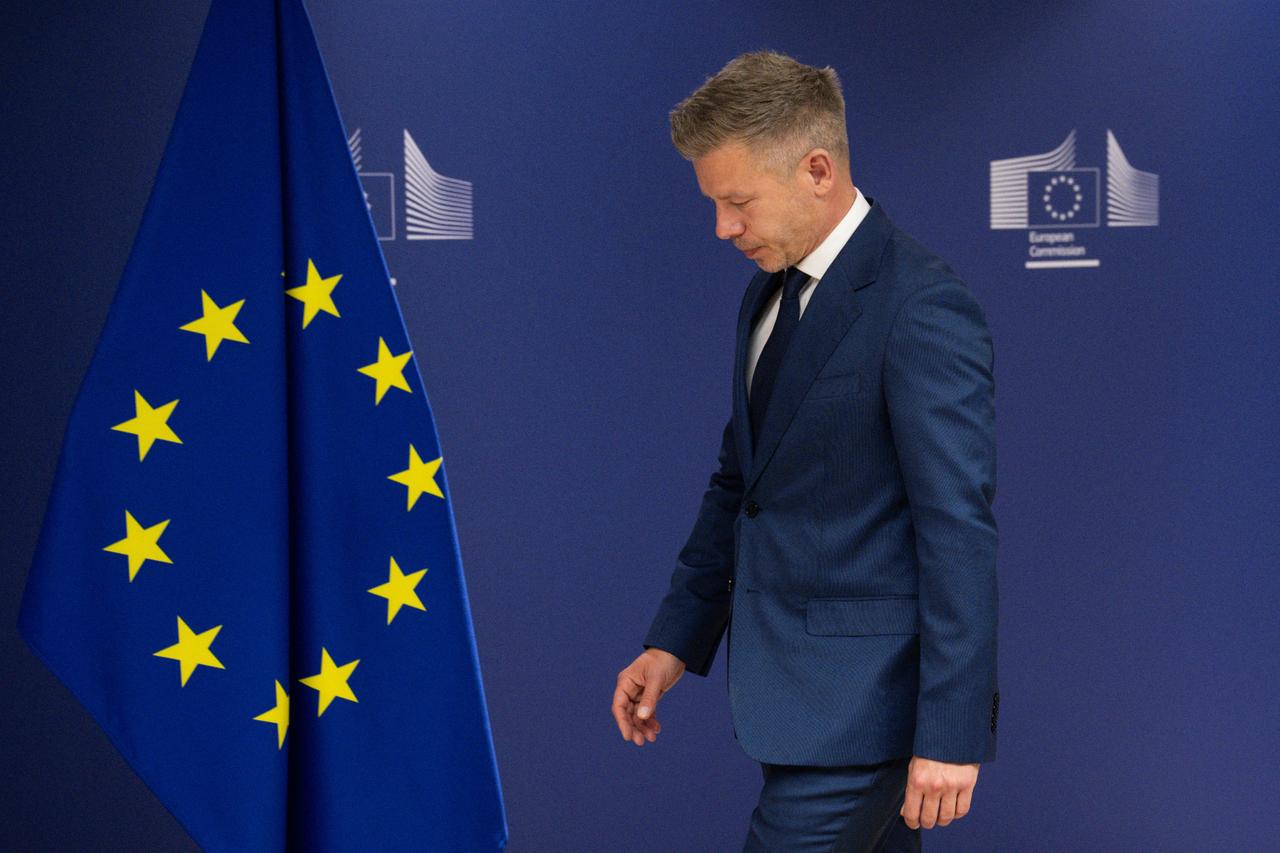


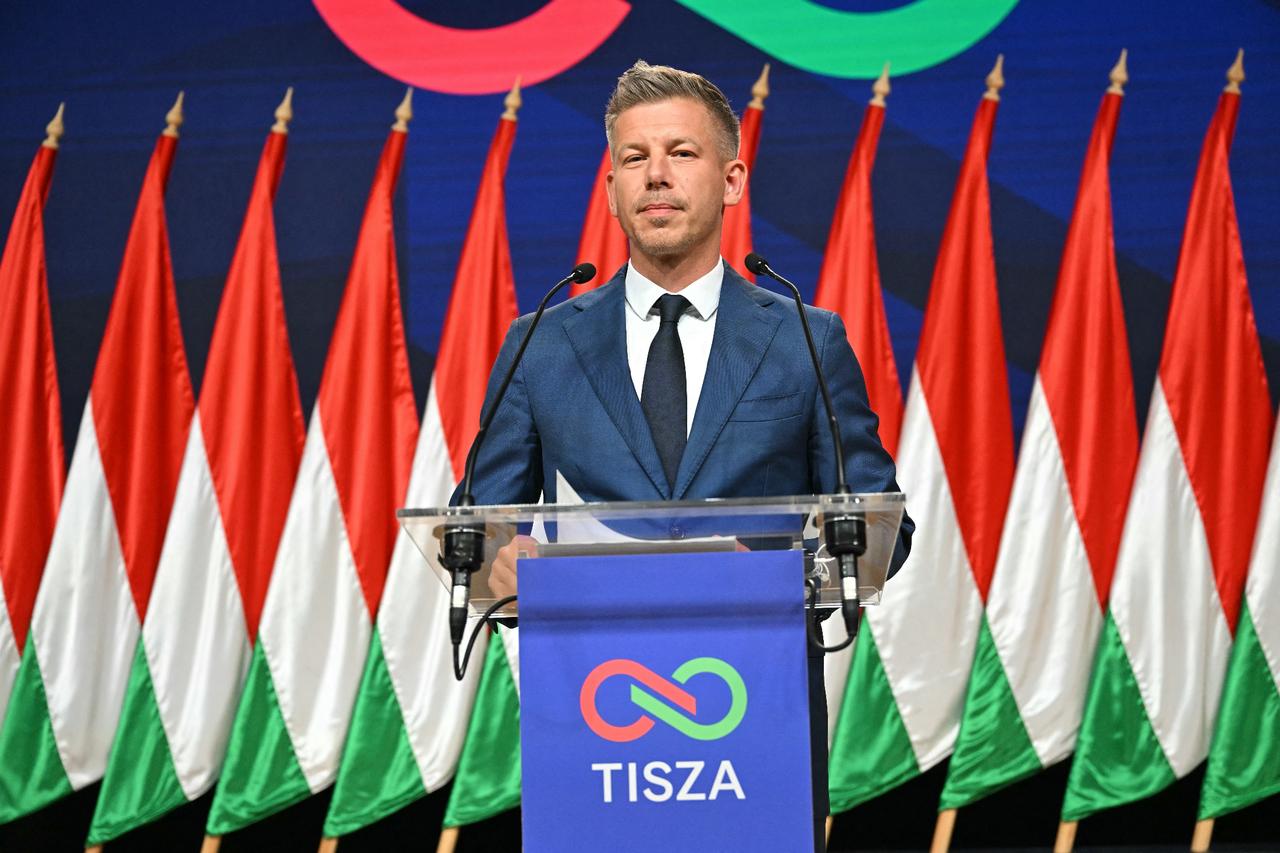
Peter Magyar, the conservative politician who ended Viktor Orban's 16-year grip on Hungarian power, traveled to Brussels on Wednesday for talks with senior European Union officials, pledging that frozen EU funds would begin flowing to Budapest soon and signaling a broader effort to repair Hungary's damaged relationship with the bloc.
The visit, Magyar's first to EU headquarters since his election victory, came weeks before he is set to take office and was widely interpreted as a deliberate break from the confrontational style that had characterized Orban's tenure.
At the center of Magyar's agenda is persuading Brussels to release approximately 18 billion euros, or roughly $21 billion, in EU funds that were suspended over concerns about the rule of law and corruption under the previous government.
Following talks with European Commission President Ursula von der Leyen, which he described as "highly constructive," Magyar said he had agreed to return to Brussels in late May to work out a framework for unlocking the money.
"In one sentence: EU funds will soon start arriving in Hungary, enabling us to kick-start the Hungarian economy," Magyar wrote online after the meeting.
Von der Leyen welcomed the exchange and said the two had discussed the steps needed to free up the funds, adding that the Commission would support Hungary in realigning with European values.
European Council President Antonio Costa, who also held talks with Magyar, voiced similar optimism, noting that a united Europe can overcome its challenges.
The incoming government faces a concrete deadline: it has until the end of August to advance reforms that could secure roughly 10 billion euros in Covid recovery funds, or lose that tranche permanently.
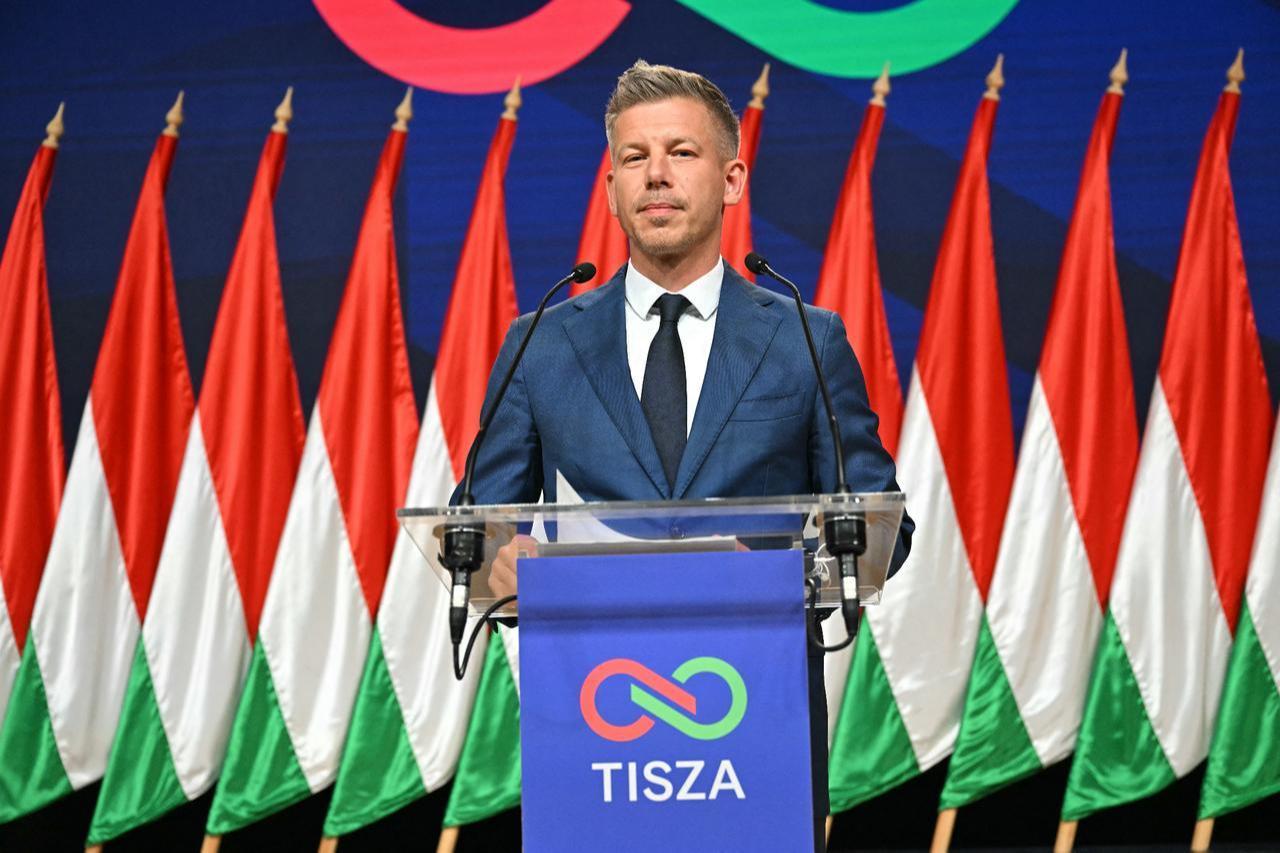

The speed and tone of Magyar's engagement produced a striking reaction from EU officials and lawmakers long frustrated by Budapest's resistance. European Parliament member Daniel Freund, a sharp critic of Orban, told reporters the situation was unprecedented.
"We've never seen such a level of commitment from a government that isn't even in office yet," Freund said. "It's practically as if Hungary is rejoining the European Union."
Officials noted that Magyar's comfortable parliamentary majority, which amounts to a supermajority, could ease the passage of the legislative changes Brussels is seeking. One EU diplomat, speaking on condition of anonymity, offered cautious encouragement, saying there were grounds for optimism but that concrete actions would be the true measure of change.
Beyond the frozen funds, officials are also considering whether to move forward separately with around 16 billion euros in preferential defense loans that had been held up as relations with Orban deteriorated in the lead-up to Hungary's elections.
Perhaps the most geopolitically charged element of the post-Orban transition involves Hungary's posture toward Ukraine. Orban had repeatedly blocked or delayed EU support for Kyiv during Russia's ongoing invasion, holding up sanctions packages and arms financing mechanisms that required unanimity among the bloc's 27 members.
Already, his defeat has produced tangible movement: the EU last week approved a major loan package for Ukraine and a new round of sanctions on Russia, both of which Hungary had stalled for months.
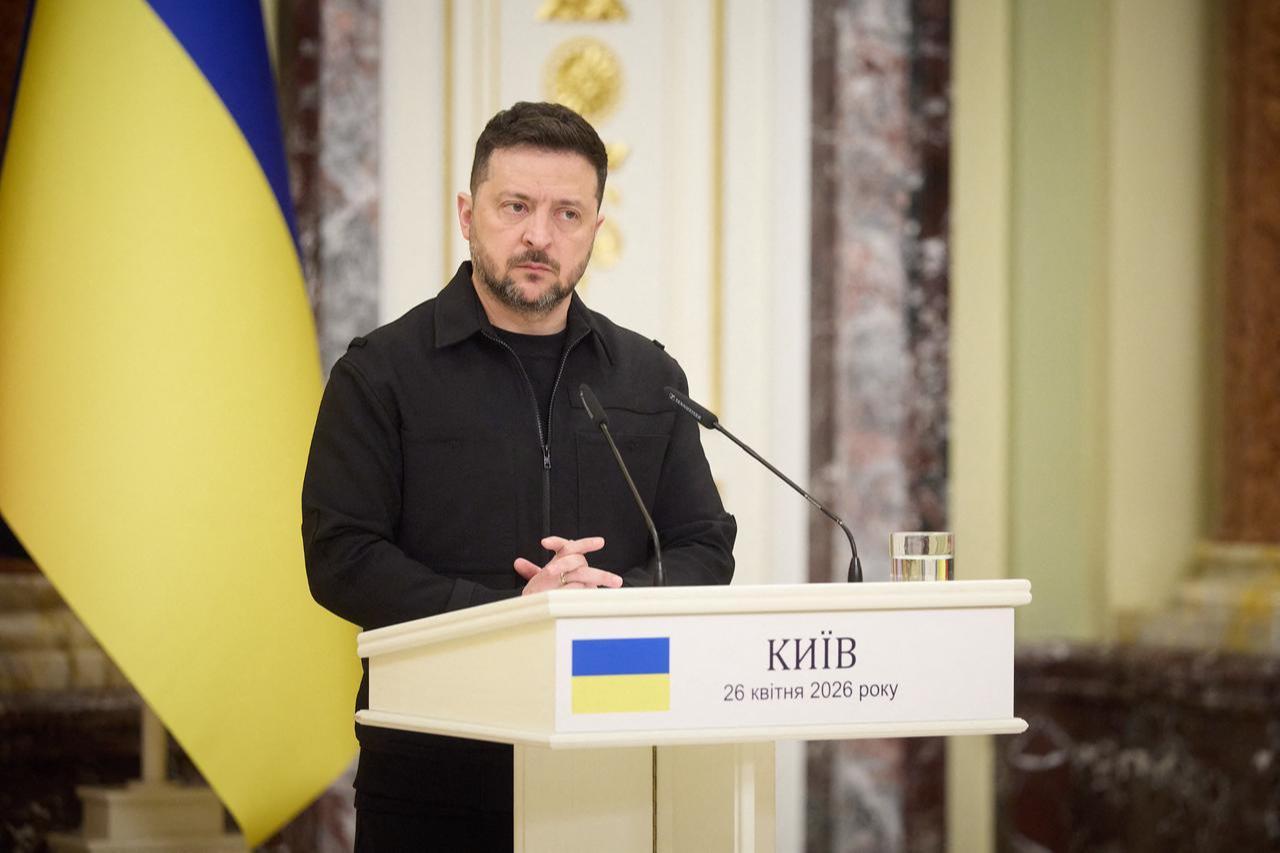
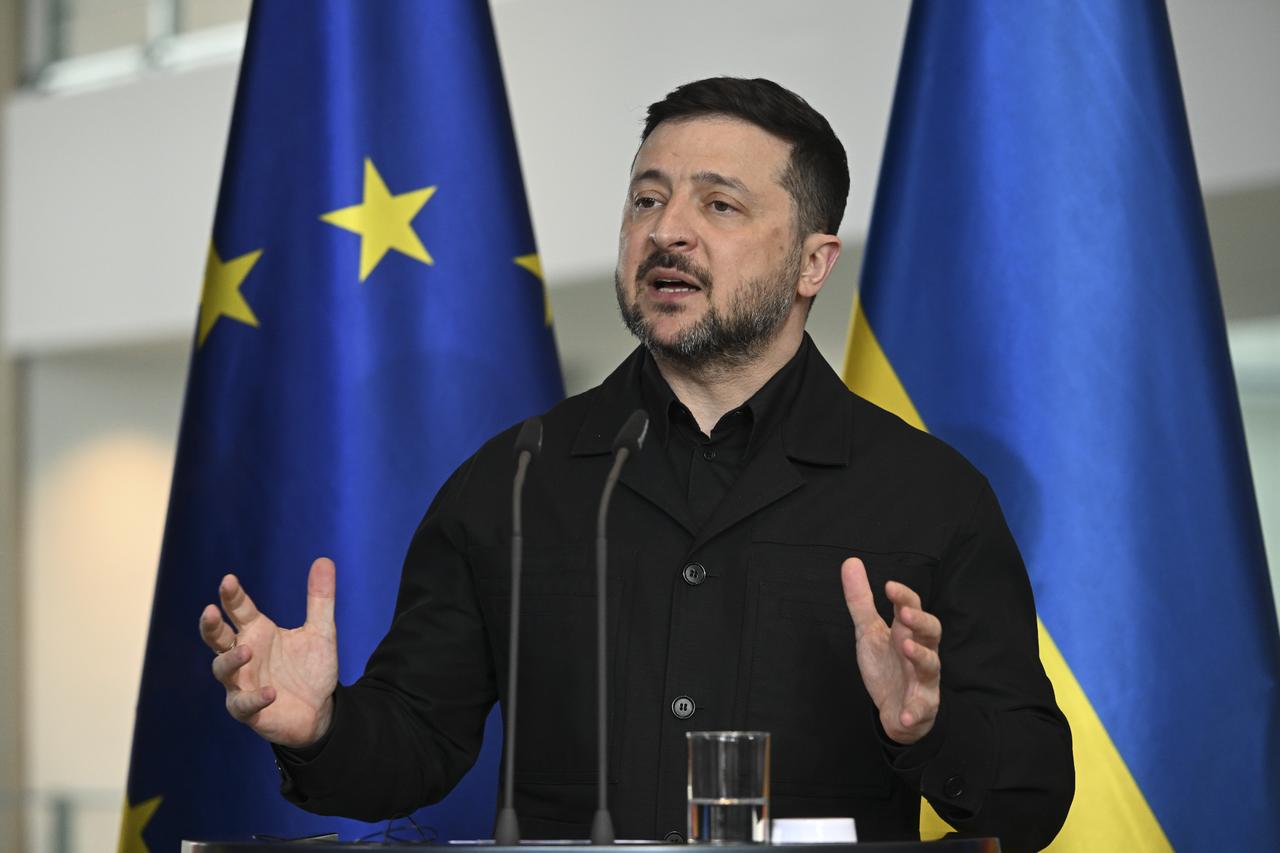
Magyar signaled on Tuesday that he intended to meet Ukrainian President Volodymyr Zelensky in June to "open a new chapter" in bilateral relations. EU partners are also expecting him to lift the Hungarian veto that has prevented Kyiv from advancing in its formal accession process, and to release EU defense funds for Ukraine that have been blocked for years.
Officials acknowledged that full EU membership for Ukraine remains a distant prospect, with little enthusiasm among major member states for accelerating that timeline, but said the formal progression of Kyiv's candidacy should not be held up unnecessarily.
The warm atmosphere in Brussels on Wednesday was offset by an undercurrent of caution among veteran observers of EU-Hungarian relations. Magyar takes office amid high expectations and a complex reform agenda, and officials noted that words, however welcome, would need to be followed by legislative and institutional changes.
For now, the mood in Brussels is one of wary optimism. The frozen funds, the Ukraine dossier, and the question of Hungarian judicial independence all remain unresolved, but the fact that these conversations are happening at all, before a new government has even been sworn in, marks a significant departure from the years of deadlock under Orban.


 Set as preferred source
 Set as preferred source


 1 min read
 1 min read