Newsletters


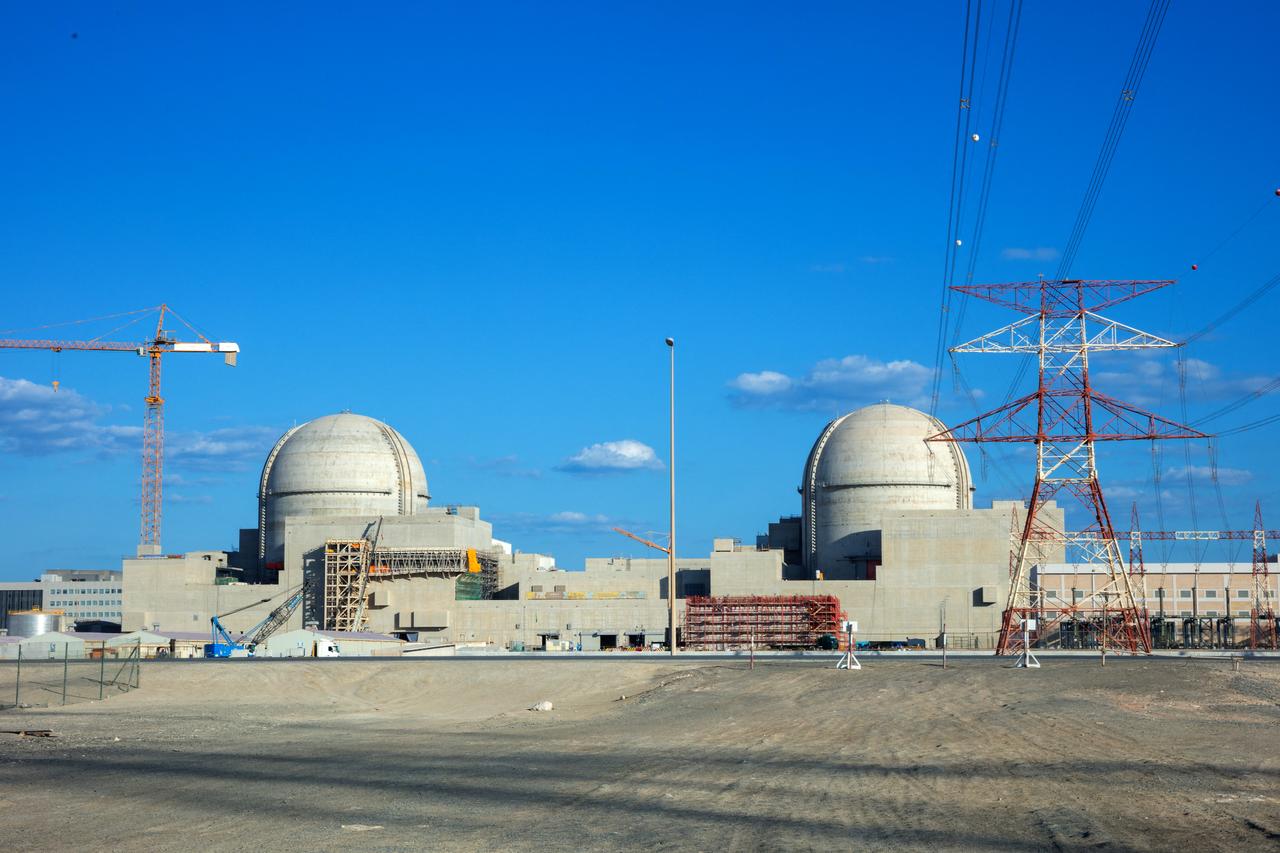


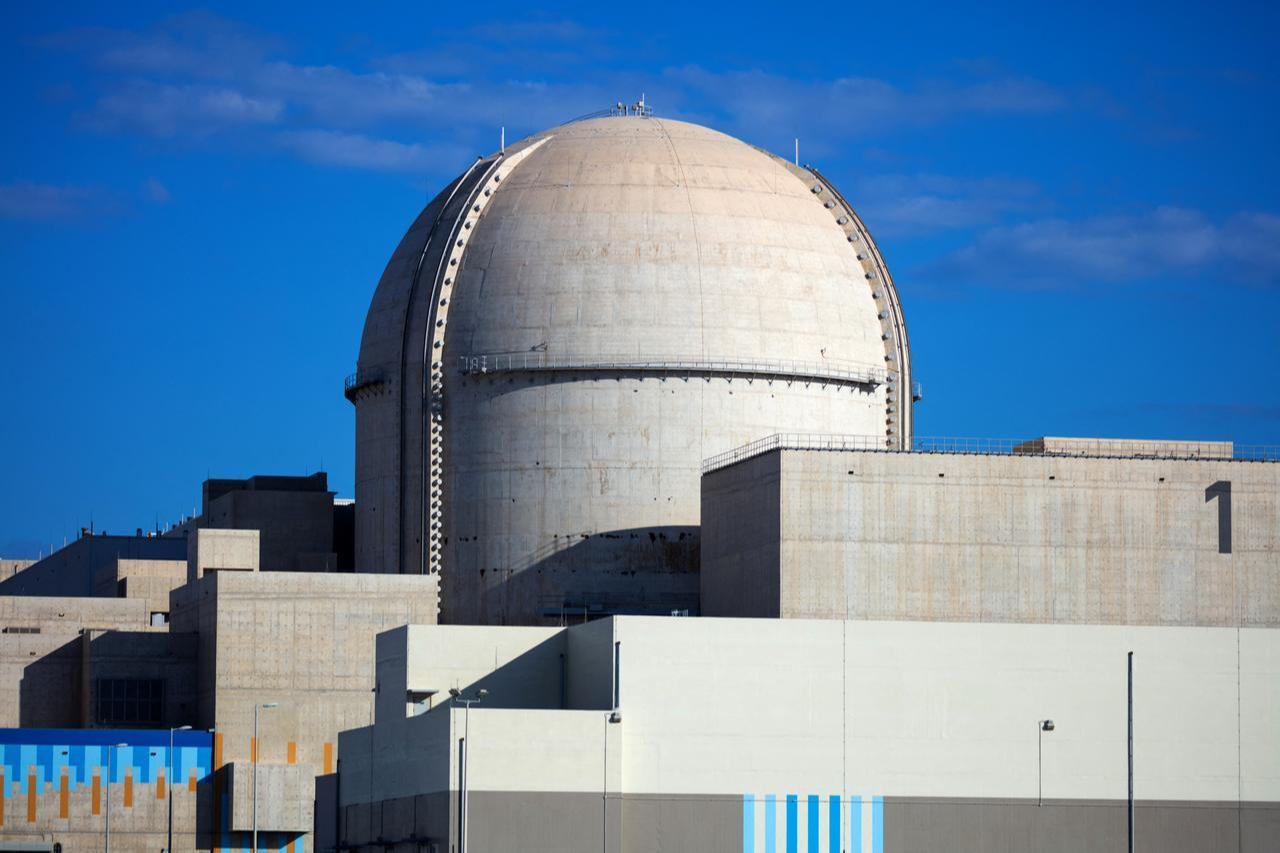
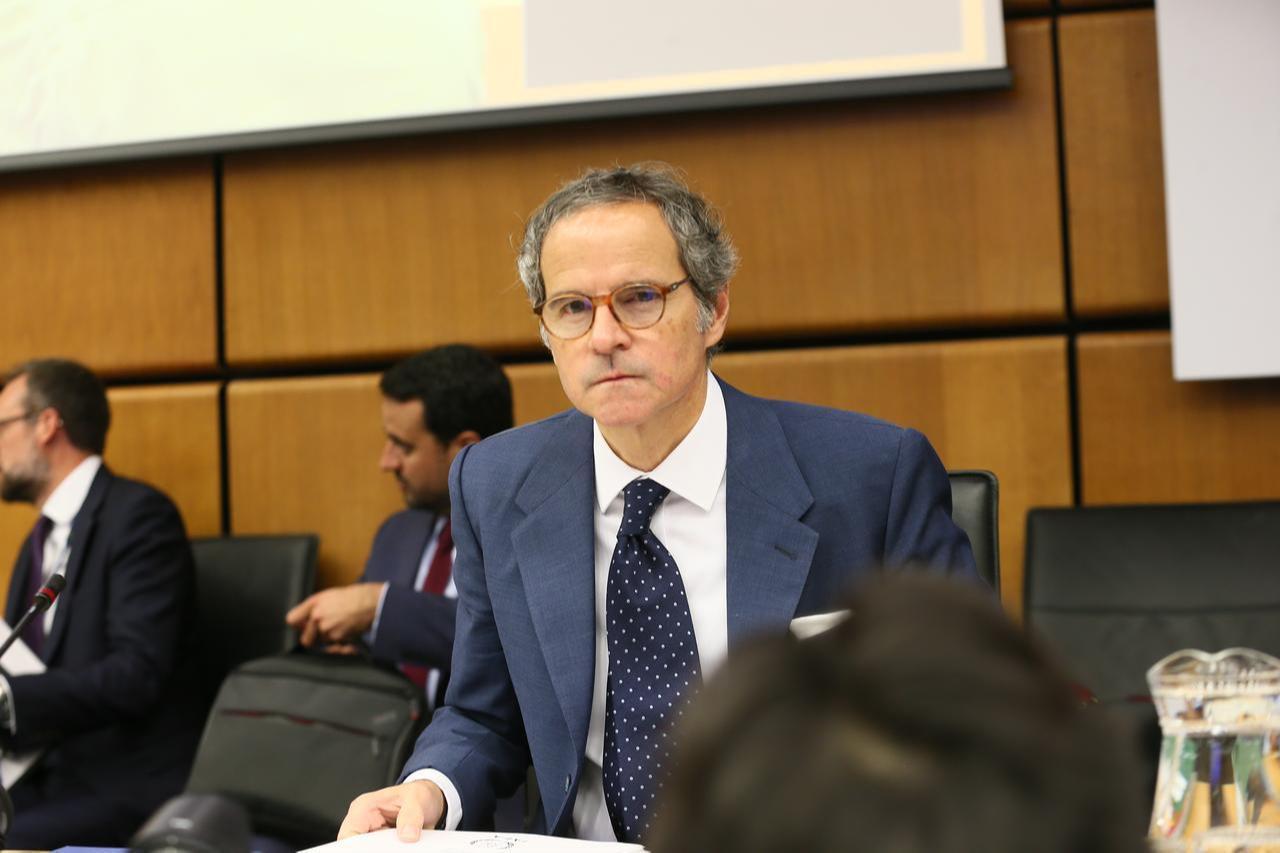
The International Atomic Energy Agency (IAEA) Director-General, Rafael Grossi, told an agency board meeting on Friday that last month's drone strike on the United Arab Emirates' (UAE) Barakah nuclear power plant (NPP) was a "serious compromise of nuclear safety." He warned that such attacks were "unacceptable, a no-go, taboo" and could lead to a high release of radioactivity.
Meanwhile, Iran denied reports that it had agreed to transfer enriched uranium to a third country as part of ongoing negotiations with the United States.
The May 17 attack struck an electricity facility at the Barakah plant, prompting the need for emergency generators to supply power to the nuclear power plant. The UAE blamed pro-Iran militants in Iraq for the incident.
"The strike caused a fire in an electrical generator located outside the inner site perimeter of the NPP, prompting the need for emergency generators to provide power," Grossi told the board meeting in Vienna, convened at the request of Egypt, Jordan, Morocco, and Saudi Arabia.
Grossi said the plant had been the victim of a "very carefully targeted operation" by attackers seeking to cause a major incident, and that the incident "undermined several of the IAEA's seven indispensable pillars for ensuring nuclear safety and security during an armed conflict."
He praised the "professionalism and alertness" of the IAEA-trained on-duty team at the site, who he said were able to "respond promptly and effectively to the unthinkable: a direct impact caused by a drone with an explosive payload."
Radiation levels at the plant remained normal, and no injuries were reported, but Grossi stressed that such attacks carried the potential for high radioactive release.

Grossi said he had spoken immediately after the attack to UAE leaders to assure them of the agency's support, and that he had been "in close and frequent touch with leaders throughout the Gulf region" to address nuclear safety and security at a "perilous" time.
The Barakah plant was built by a South Korean consortium led by energy supplier Kepco. It came online in 2020 and meets up to a quarter of the UAE's electricity needs.
In a statement to the IAEA board on Friday, Iran said the United States and Israel had carried out "17 waves of attacks against Iranian safeguarded nuclear facilities," including near its Bushehr nuclear power plant.
Ahead of the board meeting, Iran and its allies, China and Russia, held a separate meeting with Grossi. The IAEA chief said the three countries had asked for the meeting to underline that "it's very difficult for Iran to comply with its obligations to the IAEA in the current circumstances."
Separately, Iran's semi-official Fars News Agency published a statement from an unnamed source close to the Iranian negotiating team, rejecting reports that Tehran had agreed in talks with Washington to transfer a portion of its enriched uranium to a third country.
The source said the reports "do not reflect reality" and that the transfer of uranium was not on the negotiating agenda. The source added that nuclear issues were not being addressed at the current stage of talks and would be taken up in a subsequent phase, saying the priority at this point was for the United States to take concrete steps first.
Grossi, meanwhile, said the IAEA needed to be allowed to verify the amount of enriched uranium Iran possesses. Without such verification, he warned, any agreement over Iran's nuclear program "might be less... I would say probable."


 Set as preferred source
 Set as preferred source


 3 min read