Newsletters


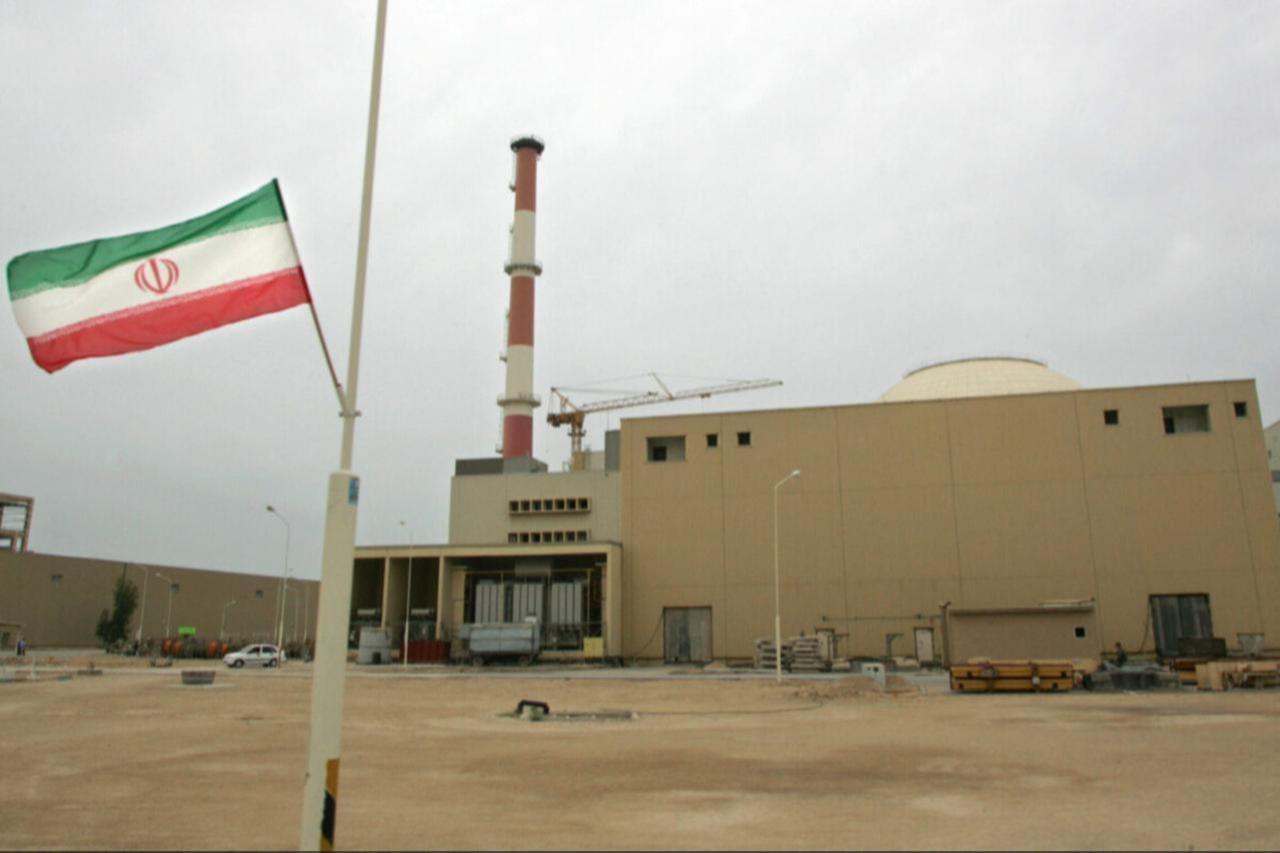


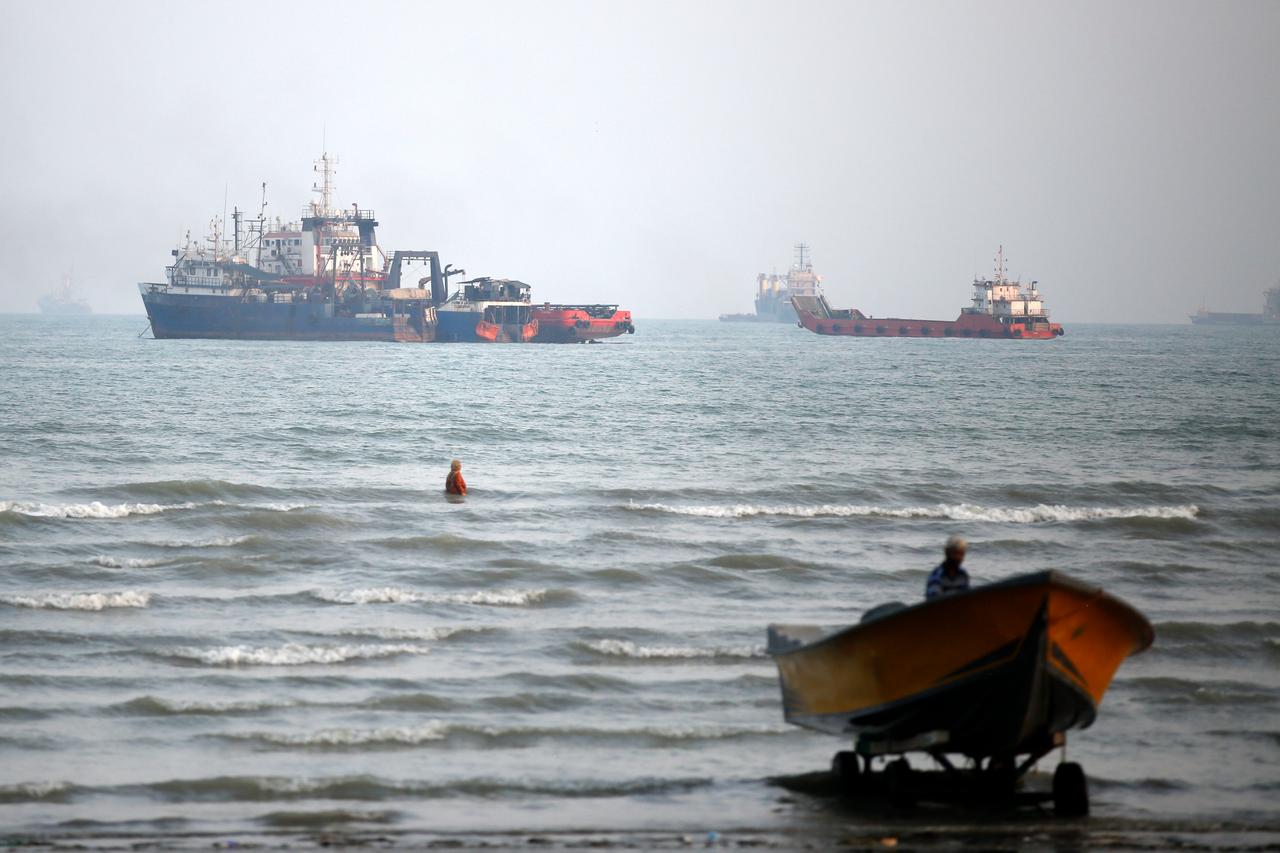
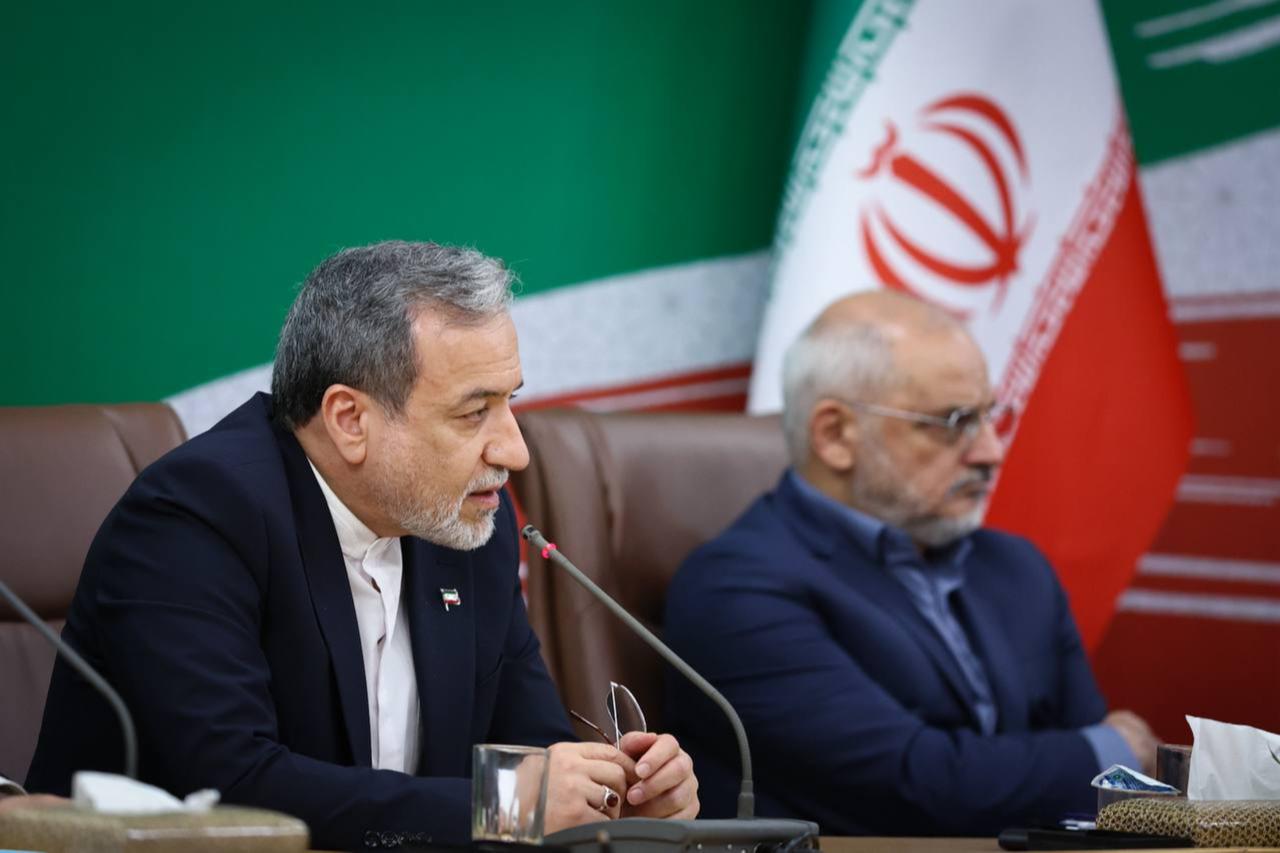
Iran has not yet decided whether International Atomic Energy Agency inspectors will return to the country, Foreign Ministry spokesman Esmaeil Baghaei said Sunday, while stressing that Tehran’s immediate focus in talks with the U.S. is the Strait of Hormuz rather than the nuclear issue.
Baghaei said the return of IAEA inspectors had not been discussed by Iran’s top leadership and rejected reports that Tehran had proposed allowing inspections of nuclear sites in exchange for sanctions relief.
He said Iran conveyed its latest positions to the U.S. through a Qatari intermediary during the Iranian delegation’s brief stop in Doha while returning from New York.
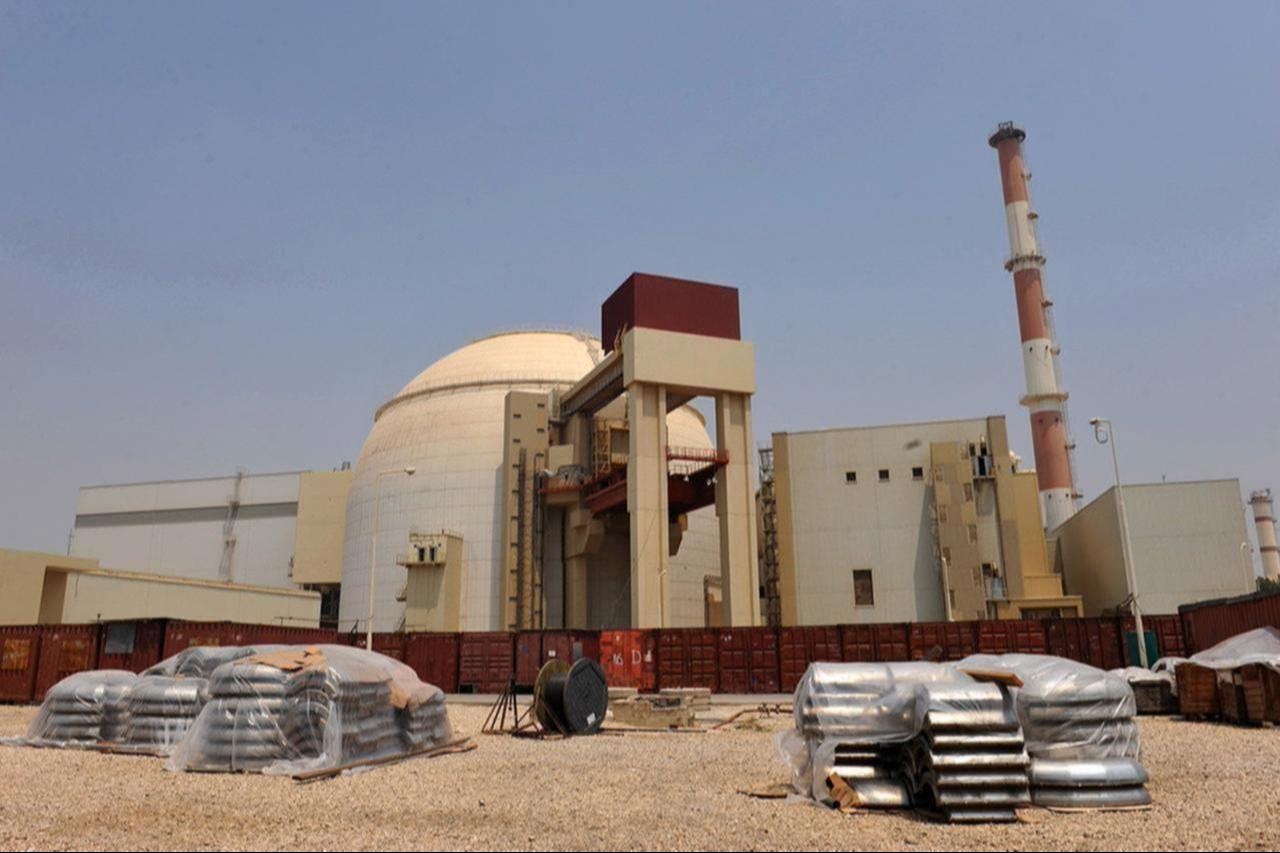

Baghaei said the U.S. proposals were largely consistent with Washington’s previous positions, particularly on Iran’s nuclear program.
Iran, however, had made clear that its priority at this stage was the Strait of Hormuz, he said.
According to Baghaei, restoring security to the waterway requires steps from Washington, including ending interference with Iranian commercial shipping, lifting sanctions and halting what Tehran describes as other interventionist measures.
He said issues included in the June 18 understanding, along with matters added in the following months, remained part of Iran’s considerations.
Baghaei also said U.S. sanctions imposed during that period would need to be lifted.
The U.S. proposals conveyed through Qatar had been reviewed, he said, and Iran had responded with its own positions. Tehran would continue examining some details and communicate additional points to the other side.
Baghaei rejected reports that Iran had offered to allow IAEA inspectors access to nuclear sites in exchange for sanctions relief.
“No such issue has been raised,” he said, adding that Iran’s proposal did not include IAEA inspections in return for sanctions relief.
He said Iran’s conditions had been communicated through mediators as part of what Tehran calls its “seven-day plan.”
Baghaei also criticized what he described as volatility in U.S. decision-making, saying conflicting statements and changing demands were delaying the peace process.
“This is reflected in their conflicting statements as well as their fluctuating demands,” he said, adding that other countries dealing with the U.S. had also complained about similar uncertainty.


 Set as preferred source
 Set as preferred source


 1 min read
 1 min read