Newsletters


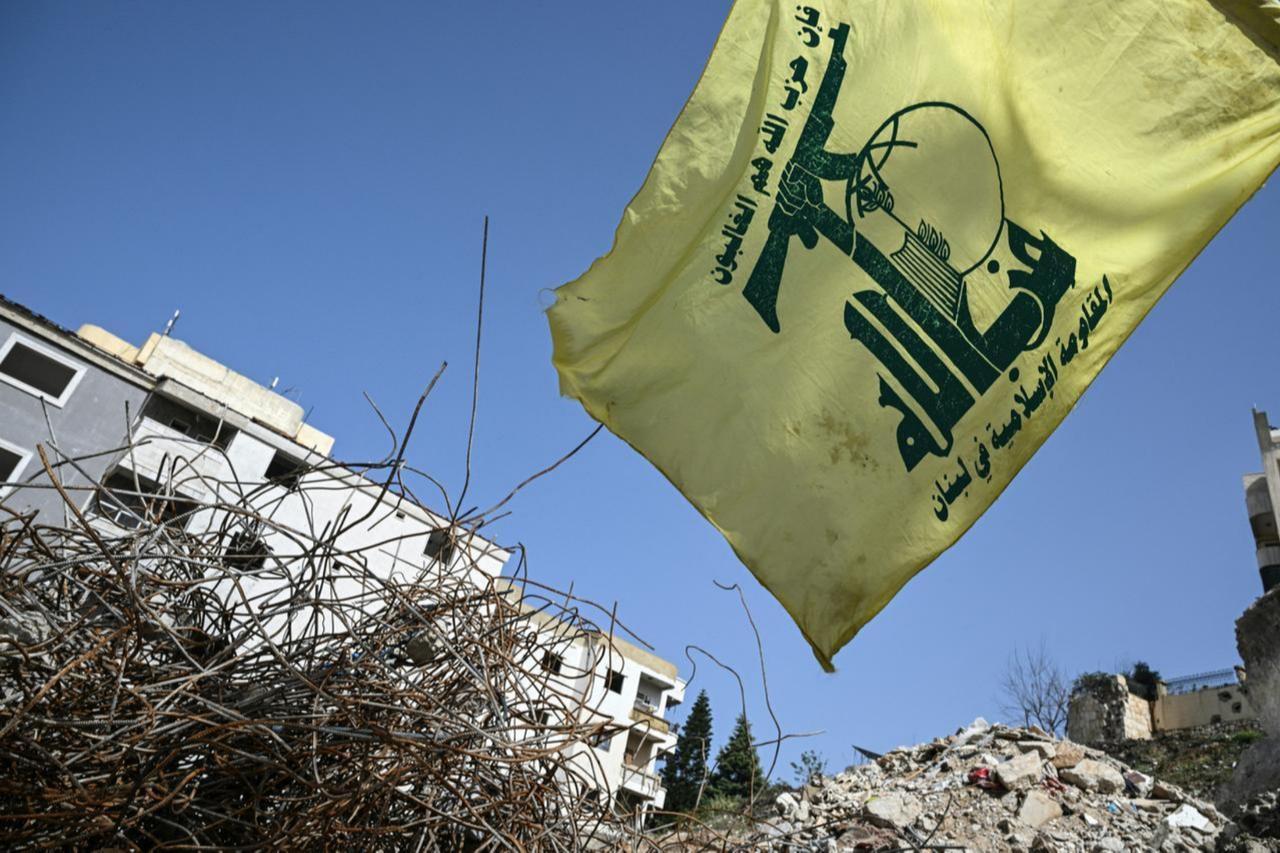


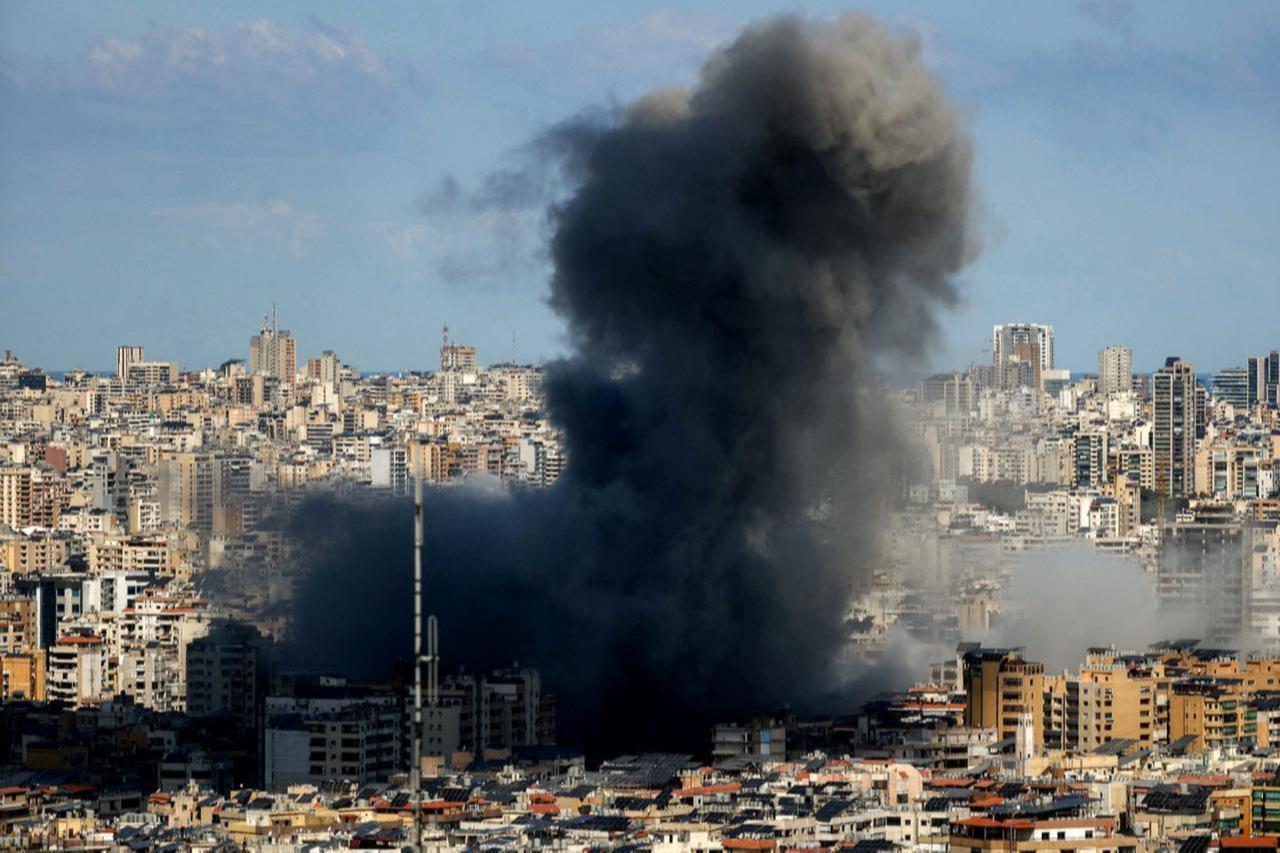
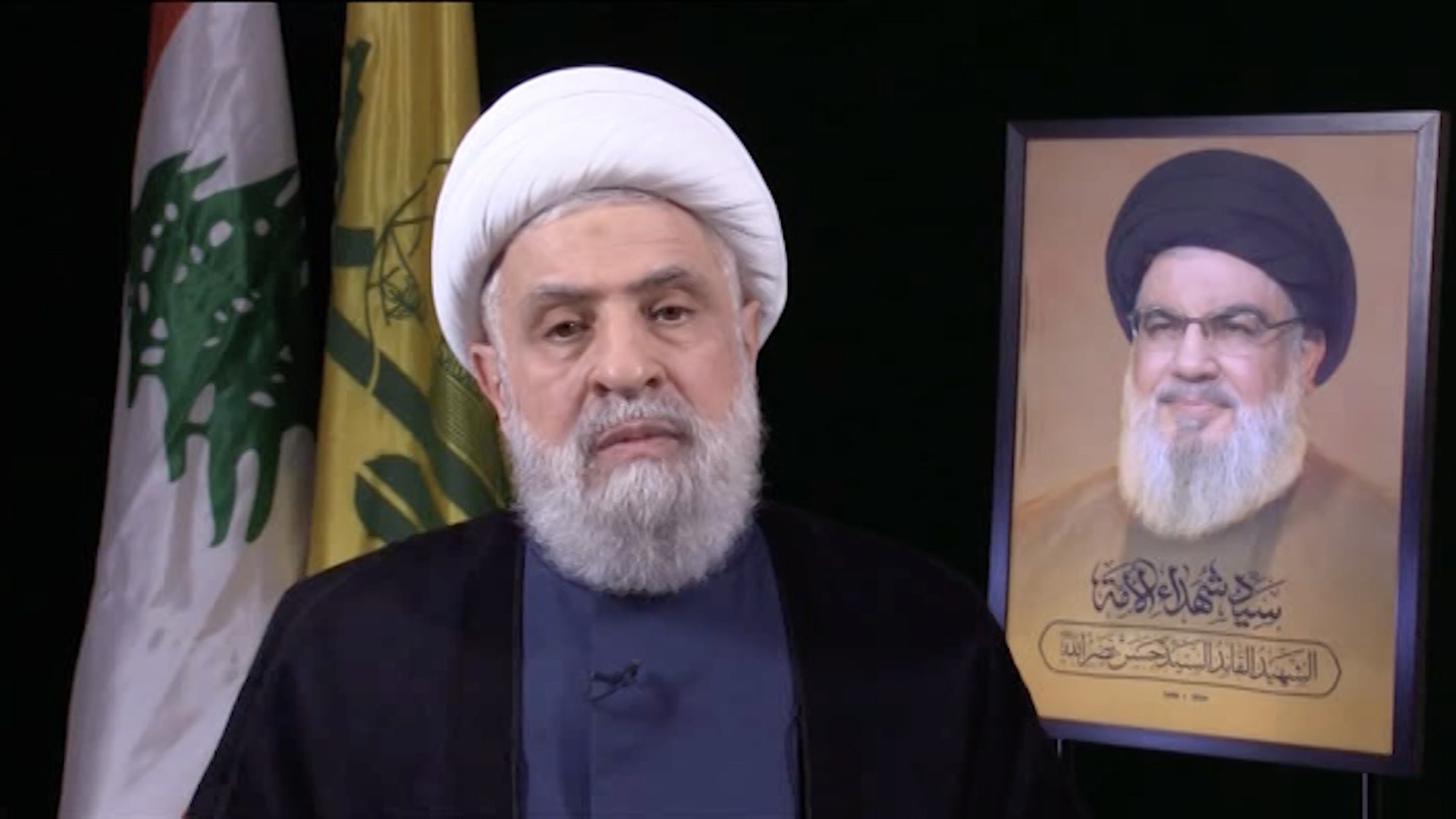
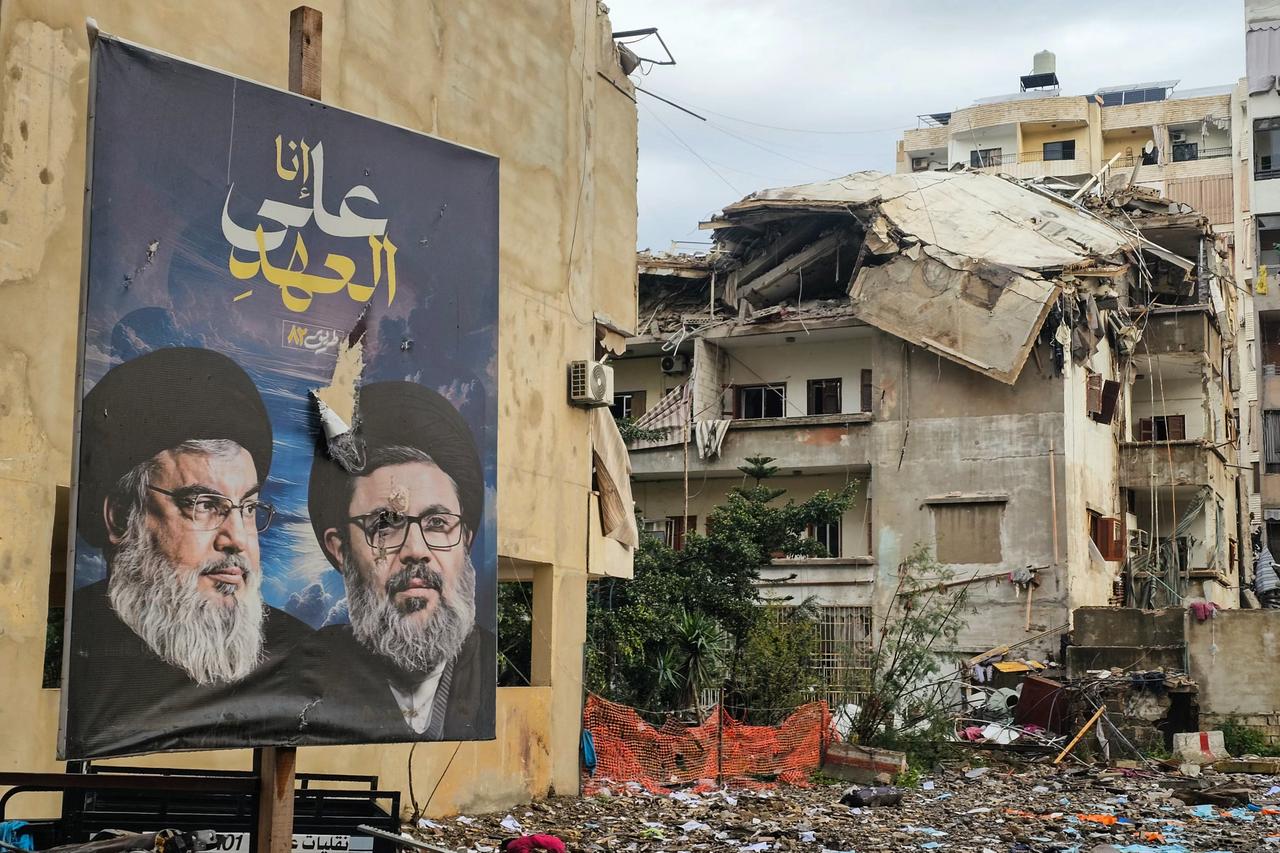
The Israeli army said Thursday that it killed Ali Yusuf Harshi, a close aide to Hezbollah Secretary-General Naim Qassem, in a strike in Beirut on Wednesday, as part of a broader wave of attacks on Hezbollah infrastructure across Lebanon.
According to a statement from the Israeli Defense Forces (IDF), the top figure of the Iran-backed group was targeted and killed in a recent precision strike on the Lebanese capital, Beirut.
On Wednesday, at least 254 people were killed and 1,165 others injured in Israeli attacks across Lebanon, including Beirut, according to the Lebanese Civil Defense.
The attacks came despite a U.S.-Iran ceasefire agreement announced on Wednesday.
The Lebanese Health Ministry said the overall death toll from Israeli attacks on Lebanon since March 2 has risen to 1,739, with 5,873 others injured.

The current regional landscape was drastically reshaped following the joint air operation launched by the US and Israel against Iran on Saturday, February 28. Strategic locations and nuclear facilities across the country, including the capital Tehran, were heavily bombarded.
During the intensive 40-day-long attacks, Iran's Supreme Leader Ali Khamenei was killed, marking a historic turning point for the Islamic Republic.
The conflict quickly spread beyond Iran's borders, creating global shockwaves after Tehran retaliated by closing the critical Strait of Hormuz to maritime shipping traffic.
As Iran launched drone and ballistic missile attacks against Gulf countries housing US bases, Israel simultaneously initiated sweeping air and ground operations in southern Lebanon aimed at crippling Hezbollah.
While the fighting was expected to halt following a 15-day ceasefire signed between the US and Iran on Wednesday, April 8, it quickly became a subject of fierce debate whether this truce extended to Israel's ongoing operations in Lebanon.
Despite the ambiguity on the Lebanese front, the US-Iran diplomatic track is moving forward. It has been announced that high-level negotiations will be held in Pakistan during the 15-day ceasefire window.
The Iranian delegation will be led by Parliament Speaker Mohammad Bagher Ghalibaf, while Vice President JD Vance will represent the United States in the critical talks.


 Set as preferred source
 Set as preferred source


 1 min read
 1 min read