Newsletters


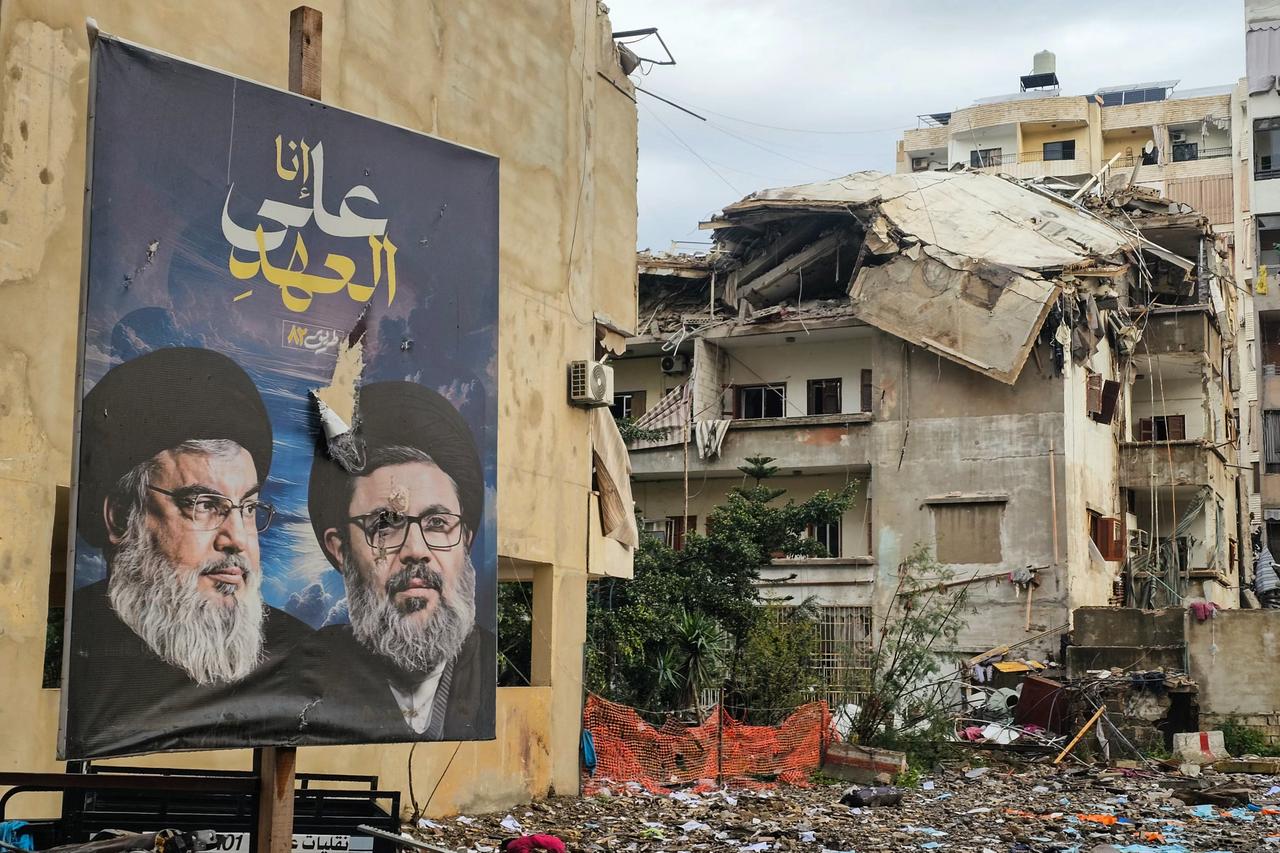


Hezbollah has rebuilt its military capabilities after heavy losses in its 2024 war with Israel, according to sources familiar with the group’s recovery process, Middle East Eye reported.
Following a ceasefire that took effect on Nov. 27, 2024, Israeli and U.S. officials had described Hezbollah as severely weakened, with Israeli Prime Minister Benjamin Netanyahu saying the group had been set back “decades” and much of its leadership eliminated.
However, sources said reconstruction began on Nov. 28, one day after the ceasefire, with Hezbollah treating the truce not as an end to war but as an opportunity to reorganize and prepare for further conflict.
By mid-December 2025, commanders told leadership that “everything that could be rebuilt had been rebuilt,” with efforts described as extensive and methodical, although some advanced systems, including air defense, could not be fully restored.
Sources said the group abandoned previous communications systems after Israeli intelligence penetrated its networks, instead relying on human couriers, handwritten notes and compartmentalized channels.
Hezbollah also shifted away from a centralized military model toward smaller, semi-autonomous units, described as a return to the “Mughniyeh spirit,” allowing for greater resilience and reduced vulnerability.
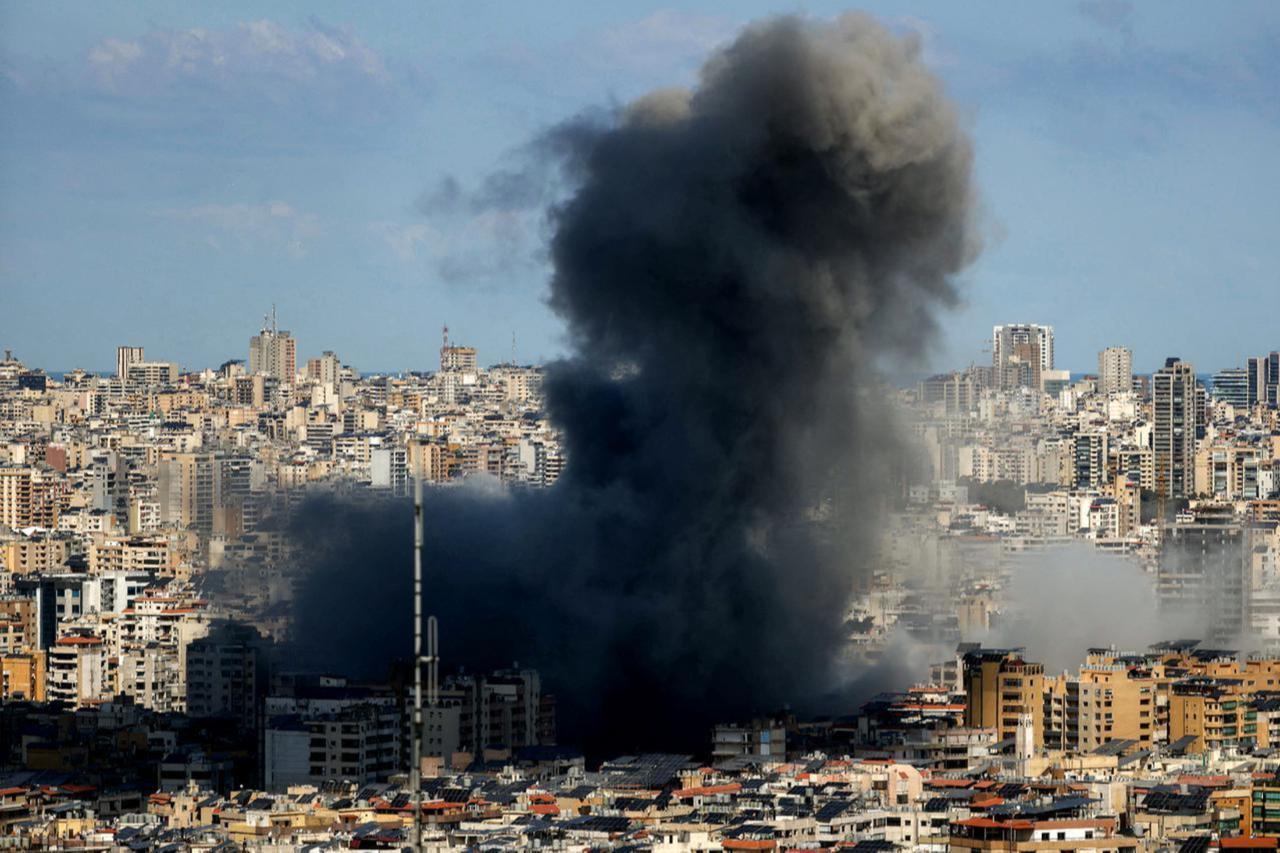
During the war, Israeli strikes had targeted Hezbollah leadership and infrastructure, including attacks in September 2024 that killed senior figures and longtime leader Hassan Nasrallah.
Despite these losses, sources said fighters on the front lines enabled remaining commanders to regroup and reorganize.
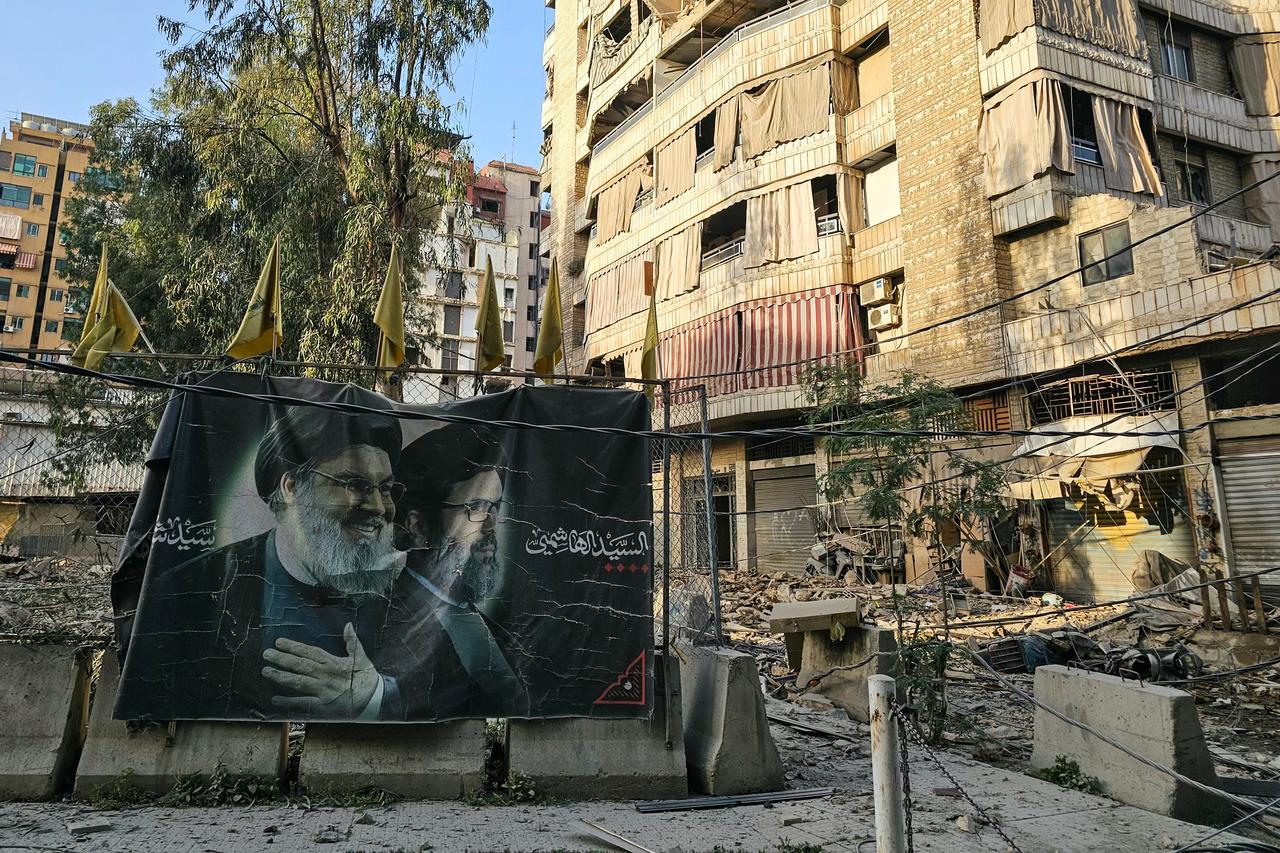

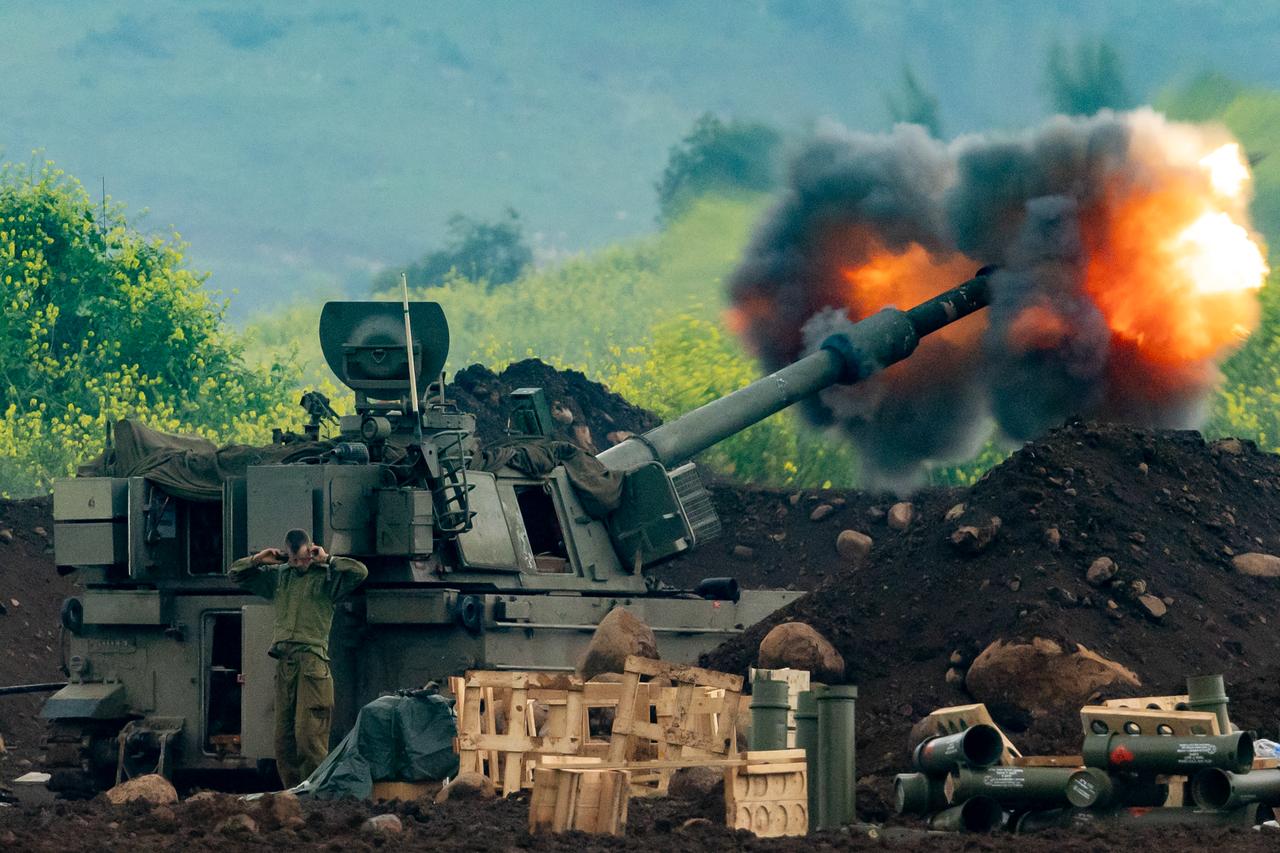
Hezbollah resumed operations following the latest escalation linked to the U.S.-Israeli war on Iran, launching drones and rockets into Israeli territory.
On March 2, the group fired around 60 drones and rockets, followed by similar attacks the next day, with missiles reaching southern Israel and triggering alerts in areas including Ashkelon.
Sources said Hezbollah had re-established positions in southern Lebanon through smaller units, repairing infrastructure and reinforcing sites despite ceasefire terms limiting its presence.
The group also replenished weapons through Iranian support and local production, despite the loss of supply routes following developments in Syria.
The renewed activity suggests Hezbollah has regained operational capacity, despite earlier assessments that it had been largely dismantled.


 Set as preferred source
 Set as preferred source


 1 min read
 1 min read