Newsletters


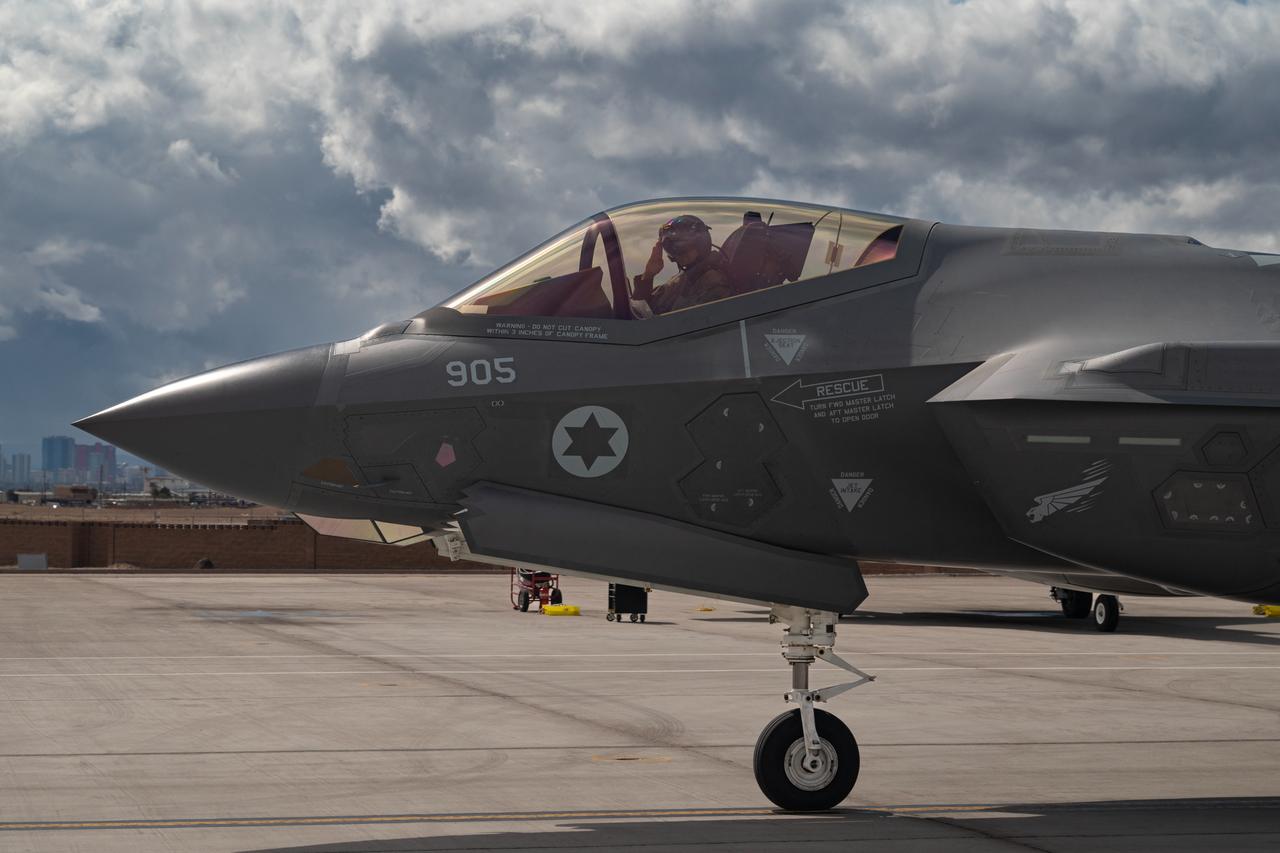


Senior Israeli military officials told Israeli media outlet Channel 12 that if Iran's 400-kilogram stockpile of 60% enriched uranium is not removed and enrichment is not halted, "everything we did in Iran is one big failure."
The military official added that despite strikes on missiles, headquarters, and commanders, the Iranian regime could "pounce on the nuclear program" after the war ends, and that if diplomatic means fail, Israel would need to "go all the way" with force to achieve the nuclear objective.
"If the nuclear objective is not achieved, then everything we did in Iran will be one big failure. The evil Iranian regime can pounce on the nuclear program," a senior Israeli military official told N12.
"If the uranium is removed from Iran through diplomatic means, we have done our part. We must exhaust the move to get the nuclear program out peacefully, and if not, do it by force, go all the way," the official added.
Channel 12 also revealed that senior Israeli military officials privately assessed the optimal stopping point for Operation Lion's Roar, the name Israel gave its operation against Iran, had been before Day 40, based on cost-benefit modeling showing that by 12 days of Operation Rising Lion (June 2025), the achievement-to-enemy-achievement ratio had already peaked and the correct time to stop was identifiable.
The U.S. set the timing, not Israel, according to the Israeli media report.
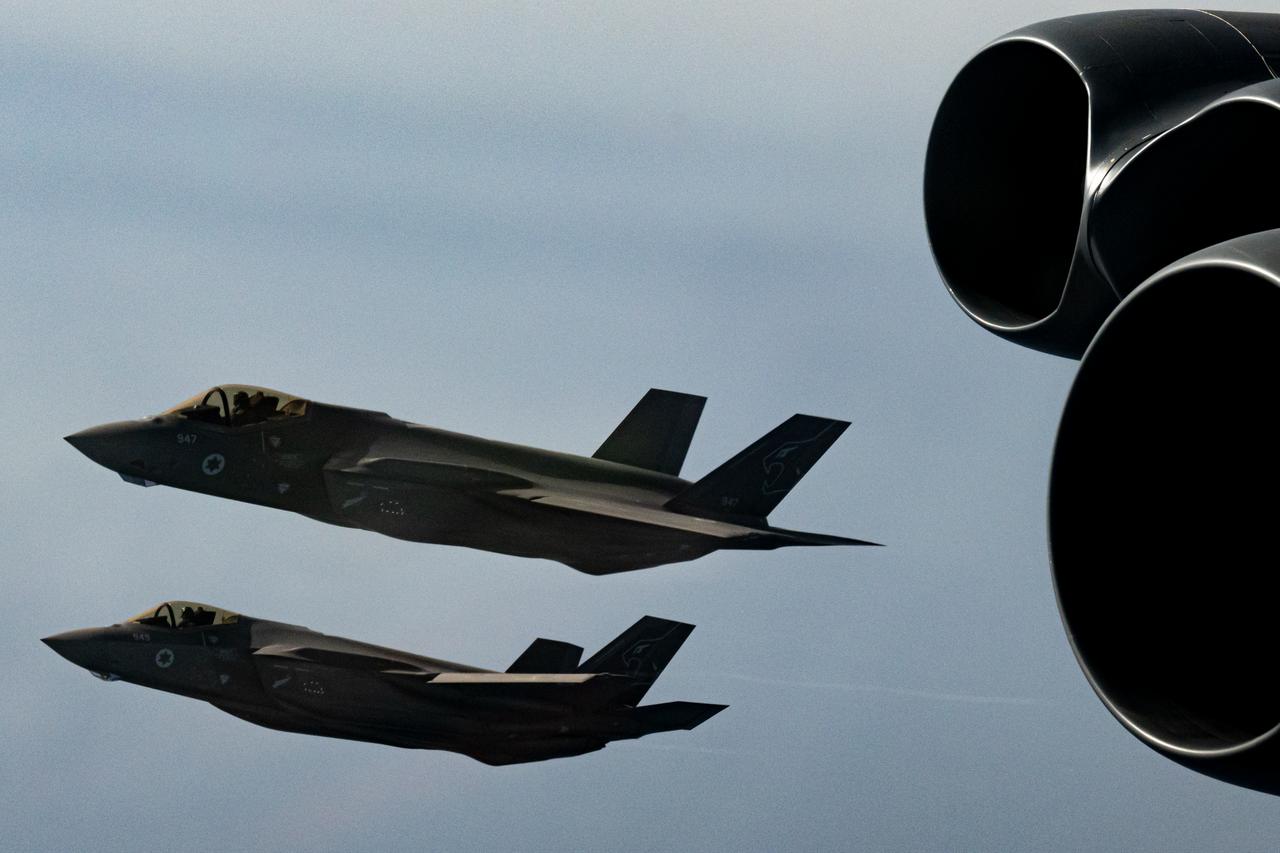

Israeli officials also claimed that Iran's stockpile of more than 400 kilograms of uranium enriched to 60% is sufficient for 11 nuclear bombs.
The senior Israeli officer said this stockpile must be physically removed from Iran as a condition of any "acceptable deal."
Separately, the Israeli Air Force (IAF), cited by the Jerusalem Post (JP), said that there was "no magic" way to stop Hezbollah's fiber-optic cable-guided FPV drones, which are immune to electronic jamming.
The Iron Dome air defense system has intercepted 27 FPV drones in Lebanon, but "cannot provide a hermetic solution." Tests of various industry counter-drone systems conducted two weeks ago have yet to yield satisfactory results, according to the report.
The Israeli army has also deployed Iron Dome radars inside Lebanese territory to detect drones earlier and is shortening helicopter landing times during casualty evacuations to reduce the window for Hezbollah strikes, after a Hezbollah drone struck near the Israeli evacuation helicopter last week.
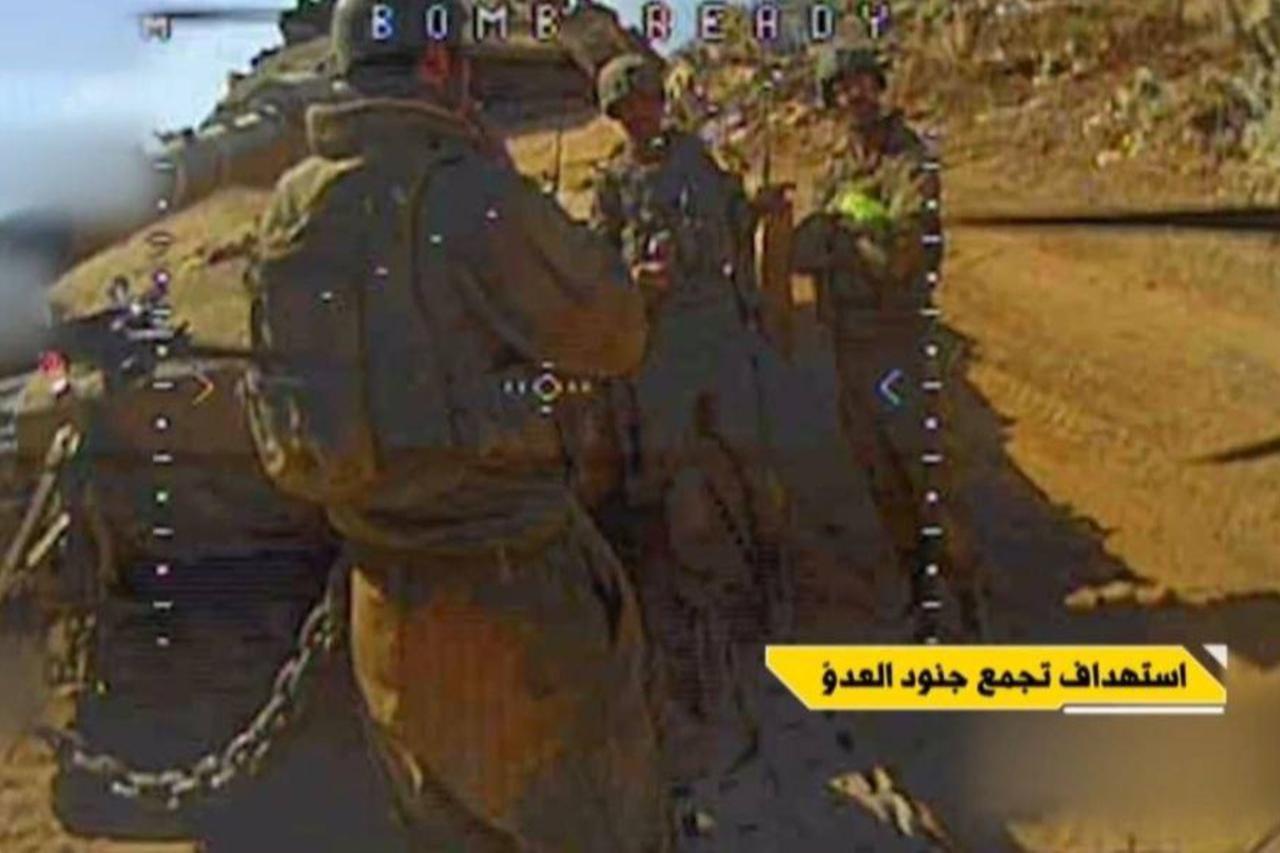
An Israeli soldier from Battalion 13 of the Golani Brigade was killed Thursday in a drone strike from southern Lebanon, bringing the Israeli army's death toll in Lebanon fighting since March 2 to 17.
Twelve other soldiers were wounded when a drone struck an armored vehicle in northern Israel's Shomera settlement the same day.


 Set as preferred source
 Set as preferred source


 1 min read
 1 min read