Newsletters


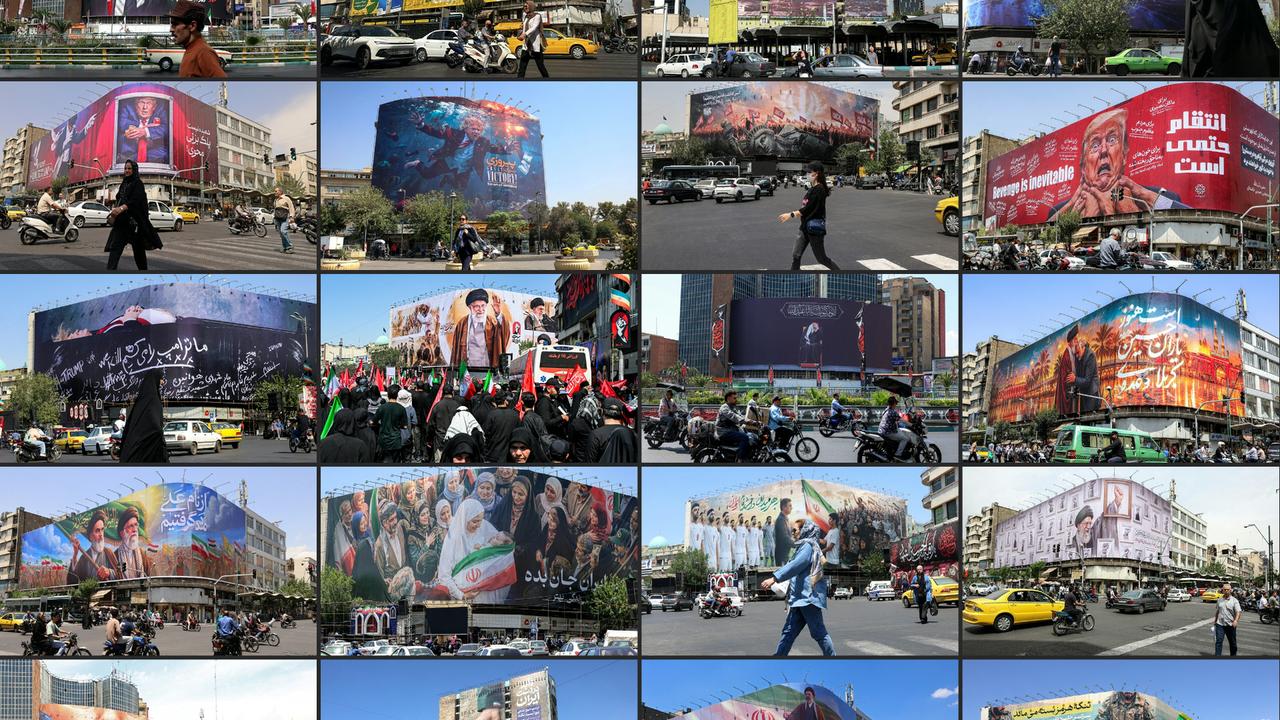
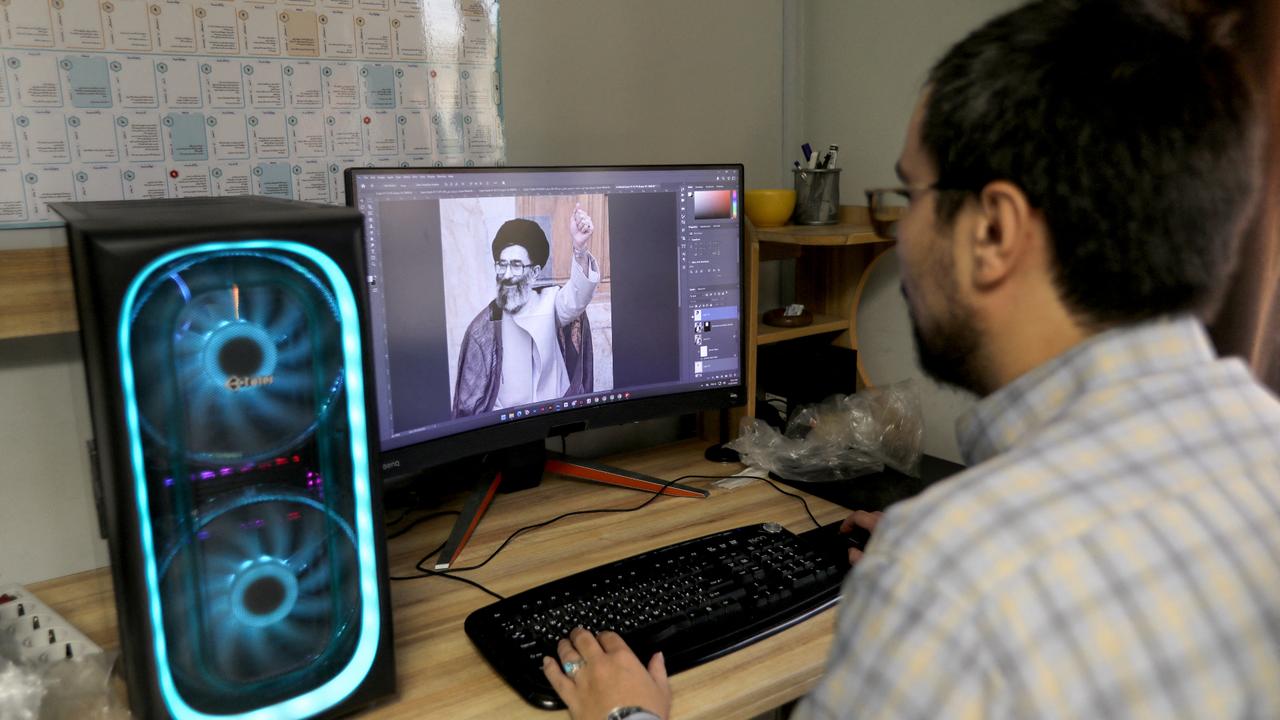
Giant billboards across Tehran mock U.S. President Donald Trump and chronicle Iran's war with the United States and Israel. Agence France-Presse (AFP) gained rare access to the team producing the posters for busy spots in the capital, including Valiasr Square, where crowds pass daily.
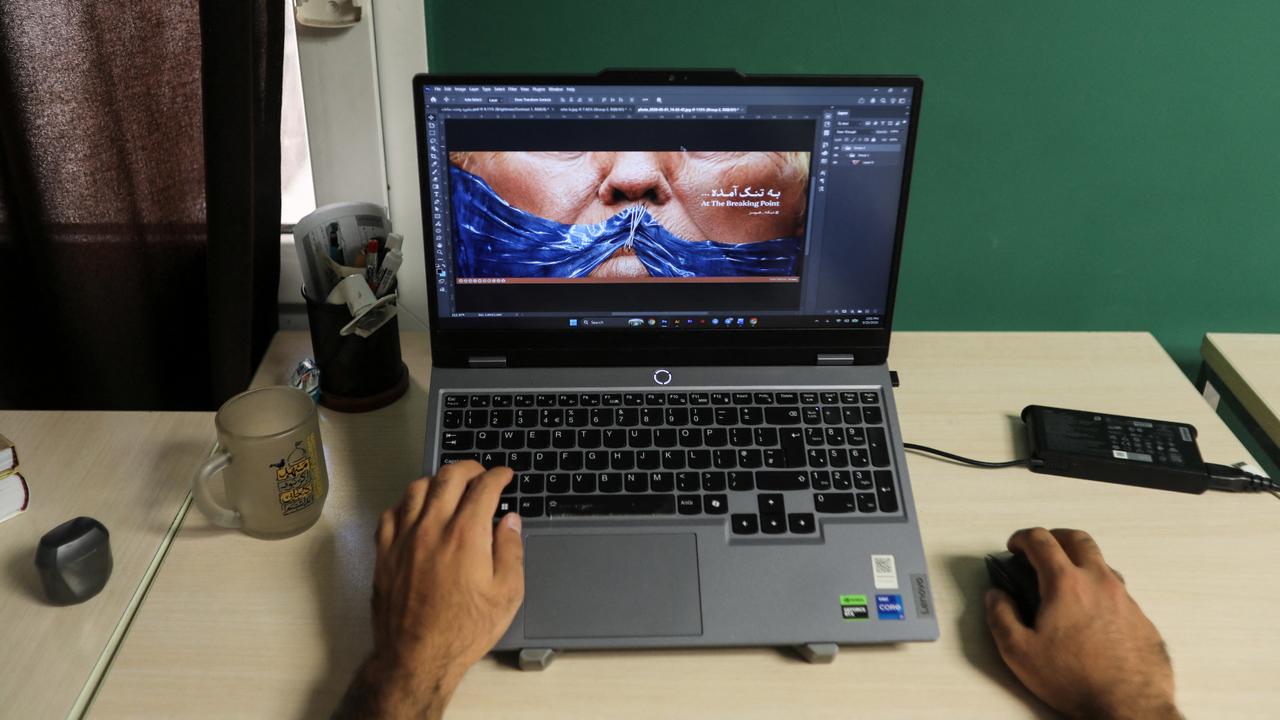
Khaneh-ye Tarrahan, or Designers' House, built a towering Trump portrait in which the Strait of Hormuz, the waterway at the center of the war, muzzles his mouth and sews his lips shut, next to the words "At the breaking point".
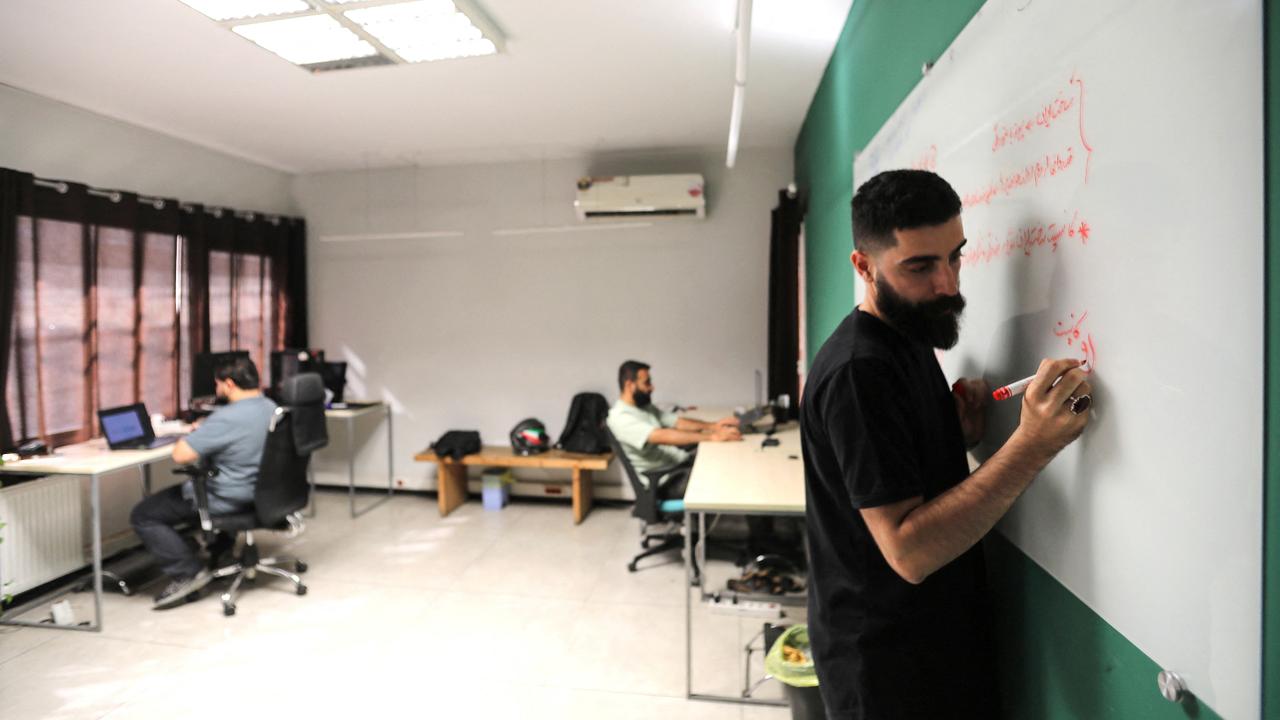
"When news breaks, the team mobilises: ideas are generated, the graphic designers are briefed, and we collaborate," said Mostafa Kafaei, 32, who manages the studio.
As he spoke, people worked on projects at several desks in the office. The office has a brainstorming whiteboard, and photos of martyrs and ideas line the hallway wall.
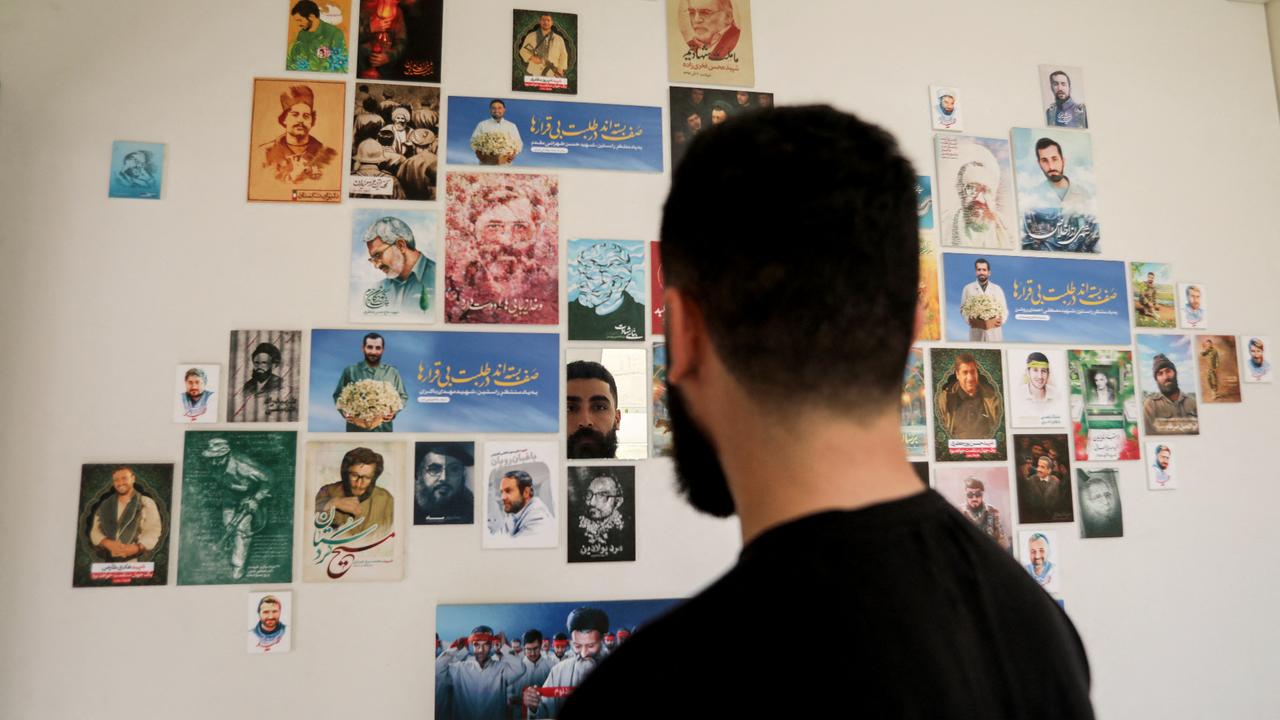
The studio has a dedicated news-monitoring team and operates under one of the nation's largest state-run media groups.
Government sponsorship funds the billboards, and authorities use them to carry messages far and wide.
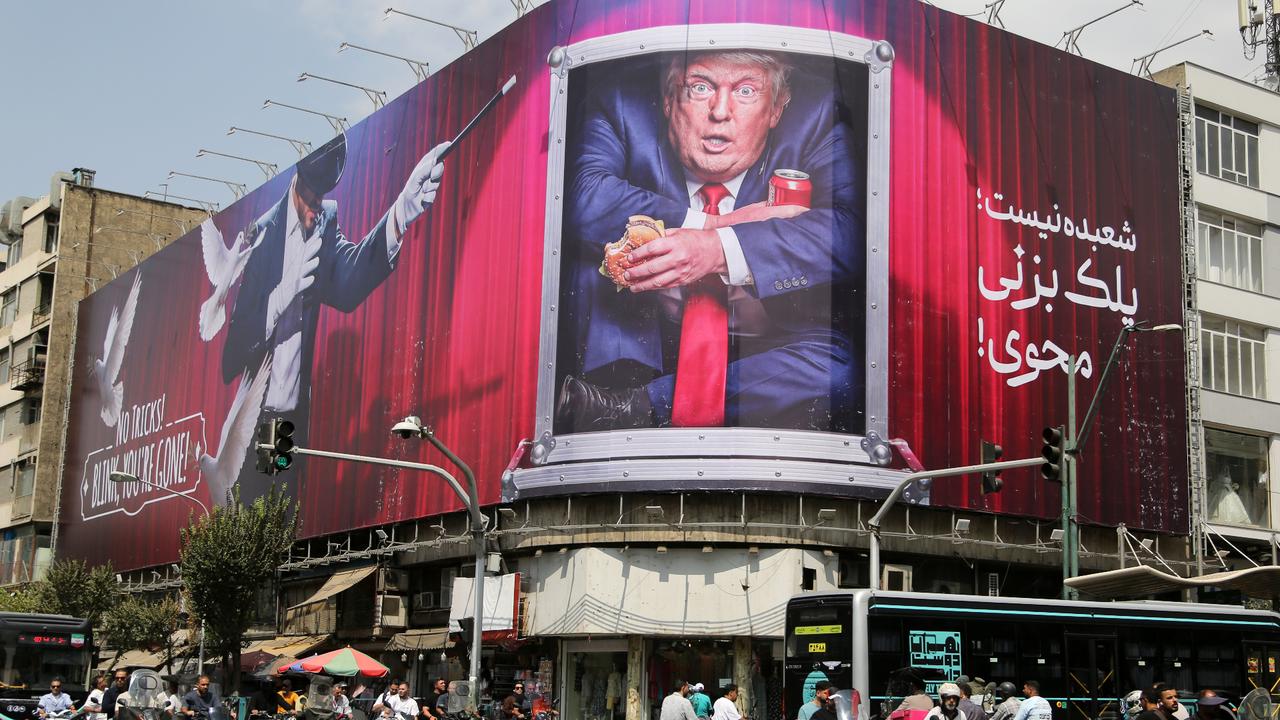
Another studio's billboard shows Trump stuck in a magician's box while holding a Coca-Cola and a hamburger, with the line "Blink, you're gone!" It nods to a July incident in Türkiye, where a catering truck secretly carried the U.S. leader from Air Force One to a second plane amid a security threat.
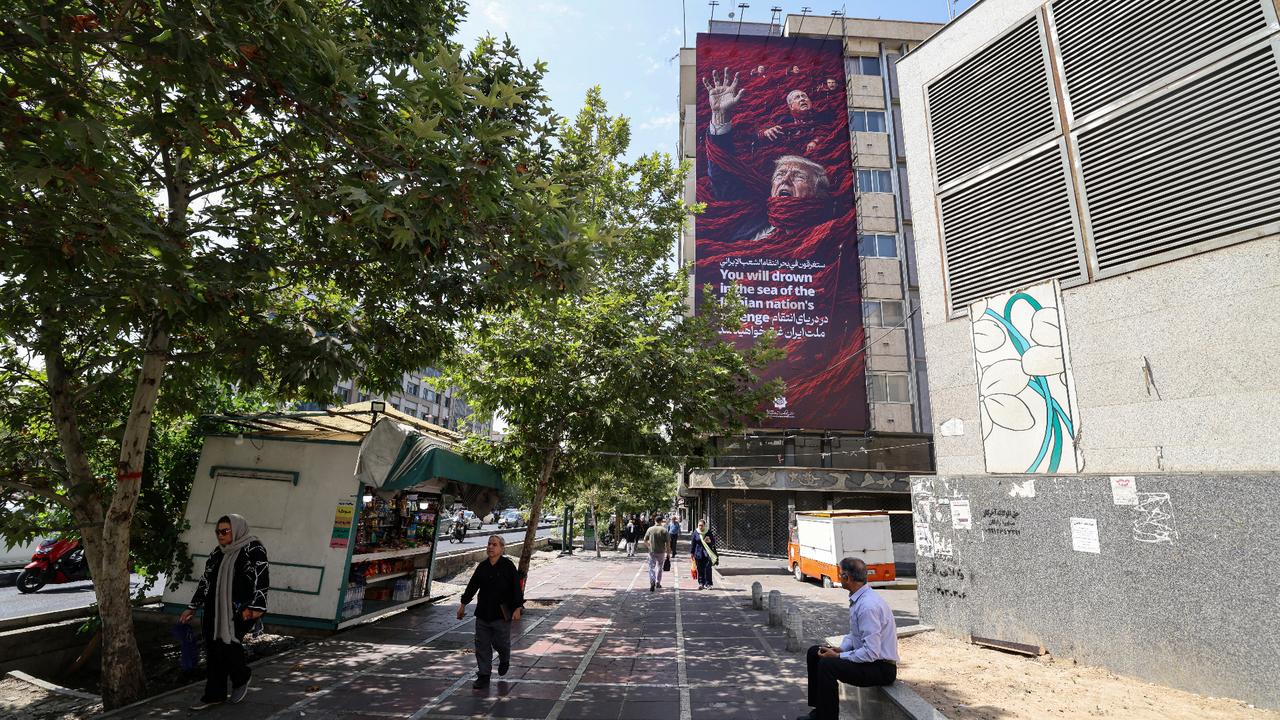
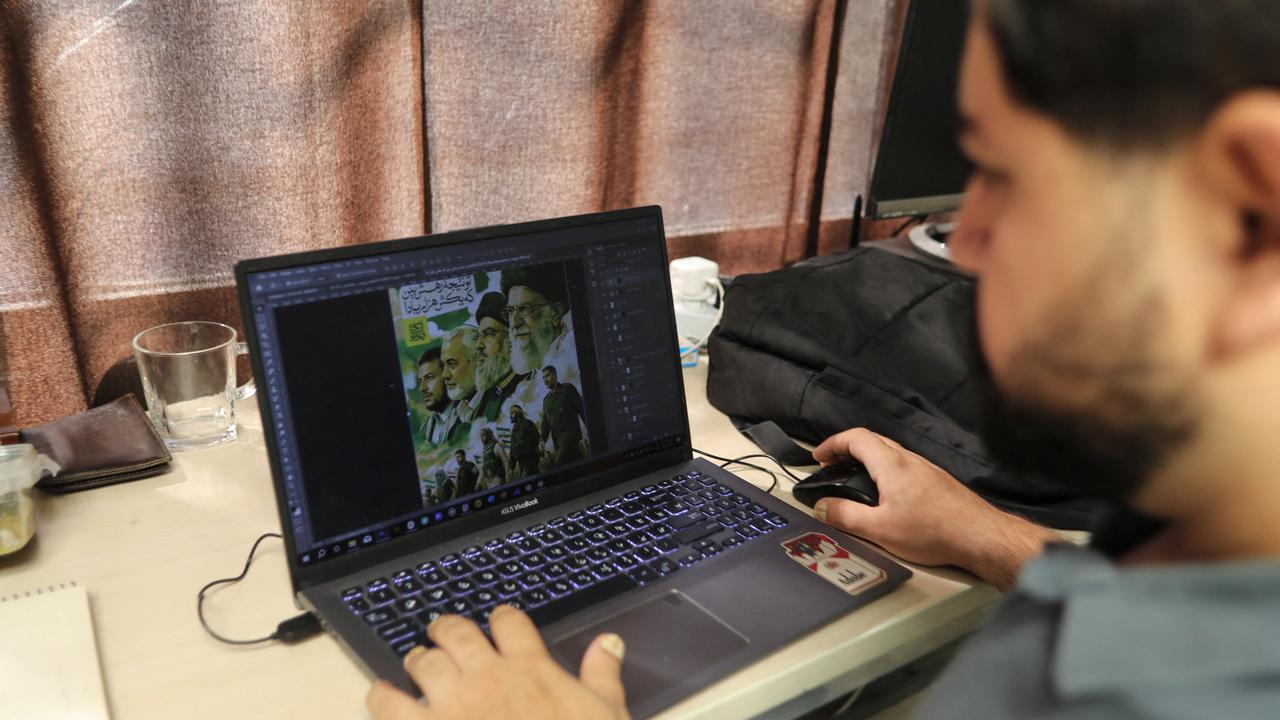
"Speed has become a top priority," said Kafaei, noting that teams of up to 8 people turn urgent posters around within a few days. Photoshop handles most of the work, he said, and the team is "highly proficient in AI," drawing on "various AI engines, such as ChatGPT and Nano Banana" in production.
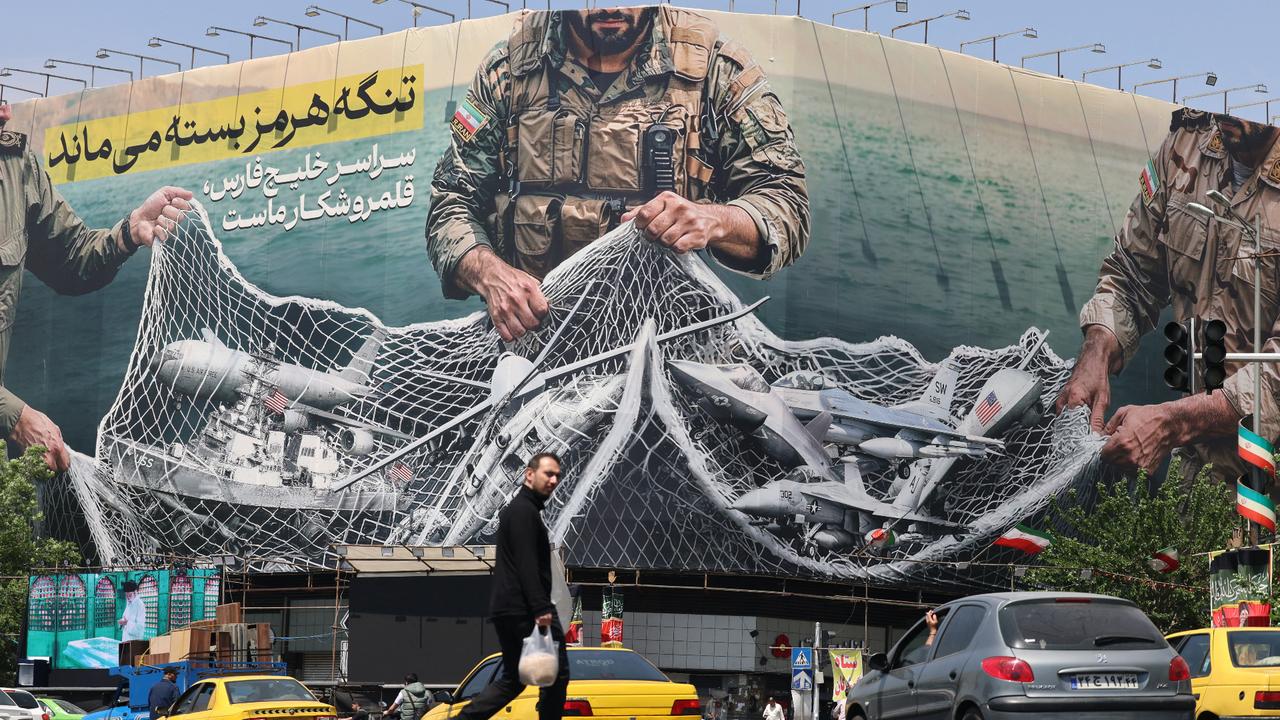
Since the war began in late February with U.S.-Israeli strikes on Iran, Tehran has blocked commercial shipping through the Hormuz Strait, and the U.S. military upholds a counterblockade of Iranian ports.
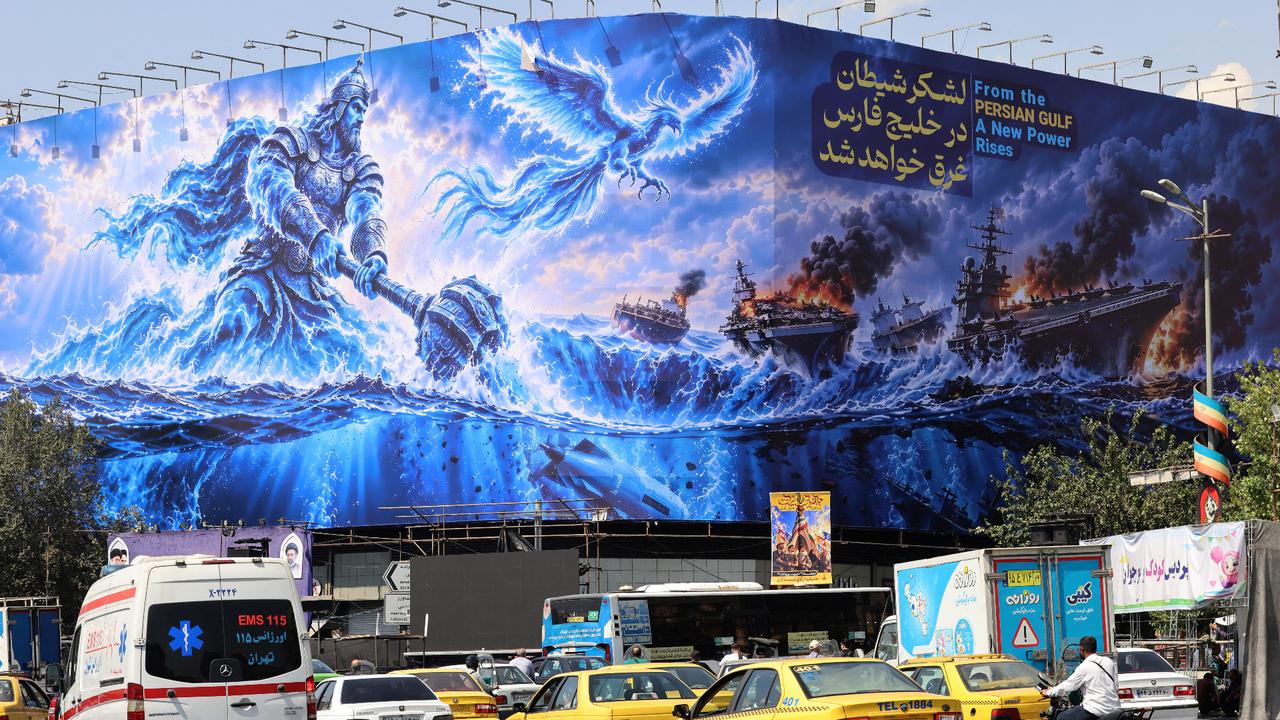
One more ad shows a mythical warrior braving stormy waters while U.S. warships burn, next to the message "Satan's army will drown in the Persian Gulf".
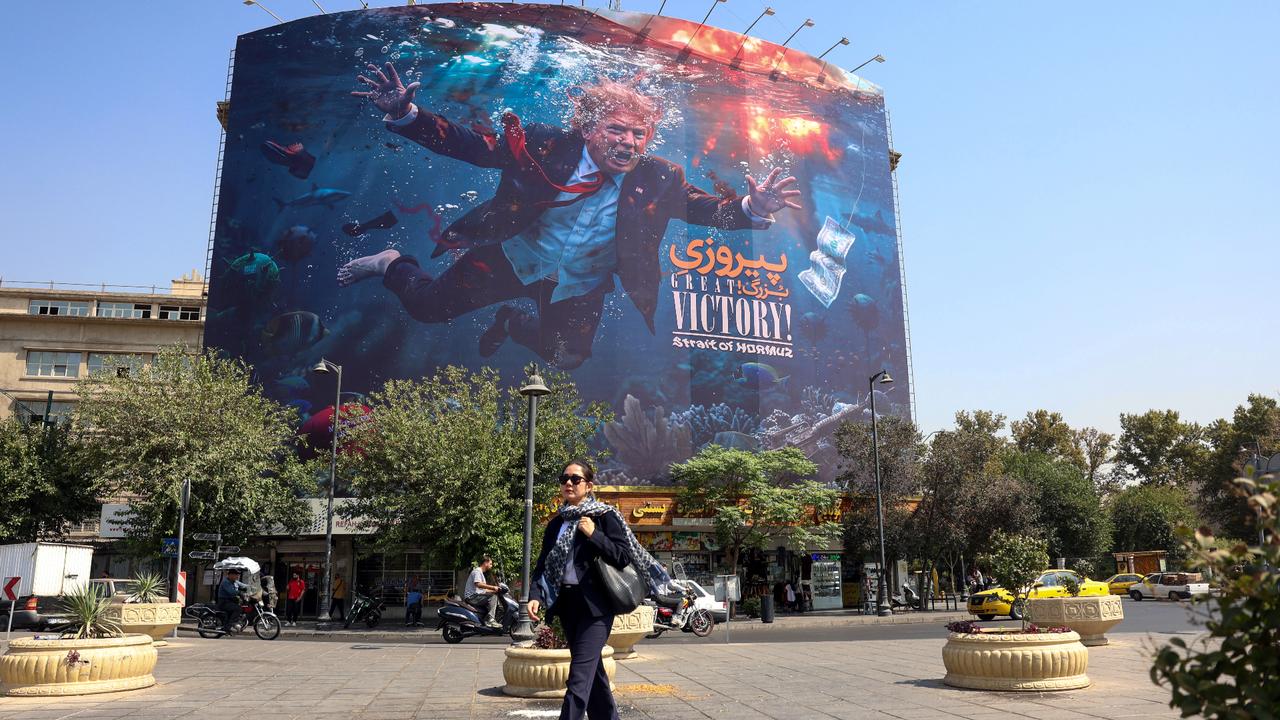
Another billboard borrows from the cover of Nirvana's "Nevermind" album and shows Trump reaching for a dollar bill beneath the surface, beside the words "GREAT VICTORY! Strait of Hormuz".
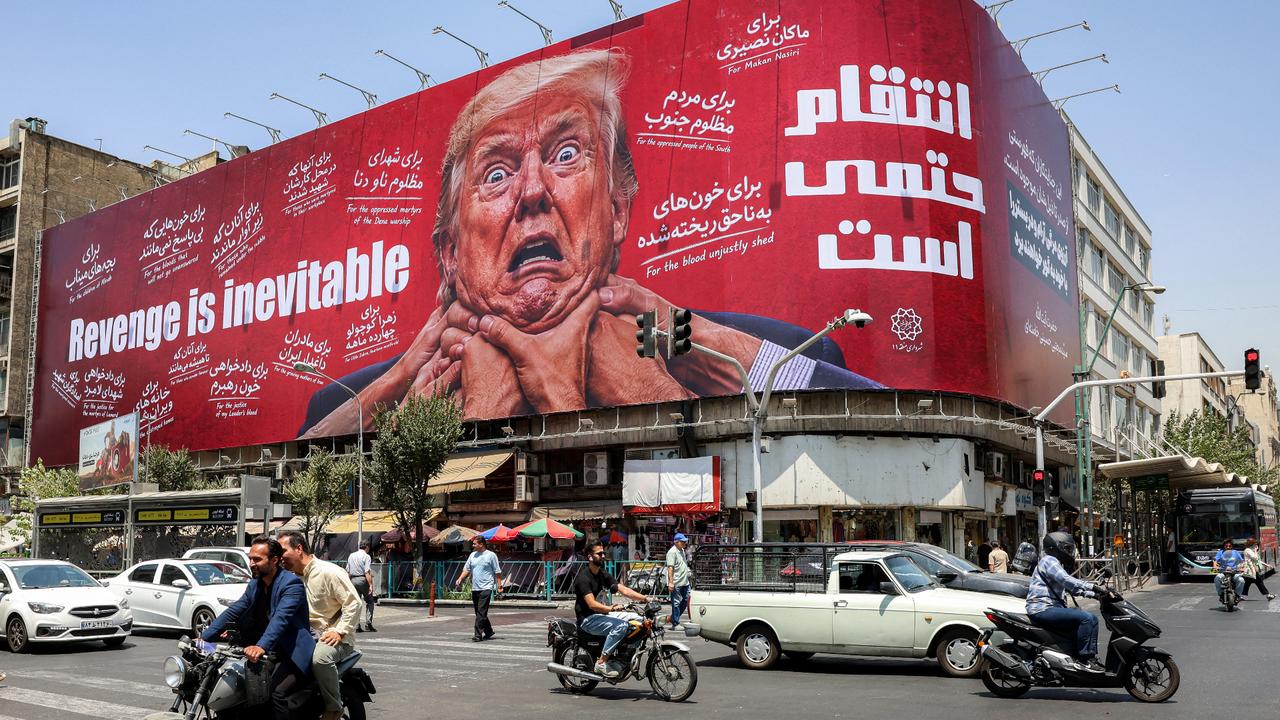
"There was some initial hesitation about whether to feature such a large image of Trump's face on the Valiasr mural," Kafaei said of the image with Trump's lips sewn up, which appeared in May as the strategic trade route became central to the conflict. But "the overall assessment was that the final piece would be exceptionally powerful", he said.
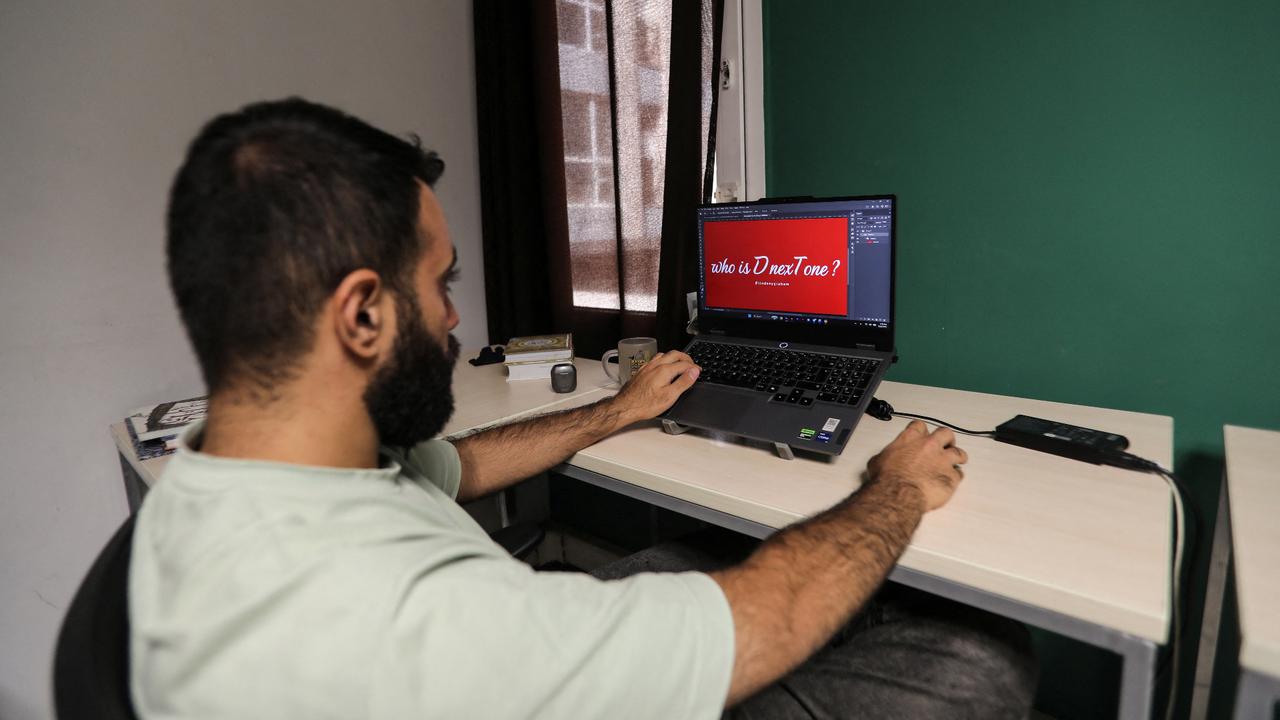
Asked why the U.S. president appears on so many billboards, Kafaei said Trump "is a media personality... We respond in kind whenever he takes action in that space". He likened the situation to a battlefield with an adversary "constantly firing at us", adding that "we keep a close watch on our opponent and respond accordingly".
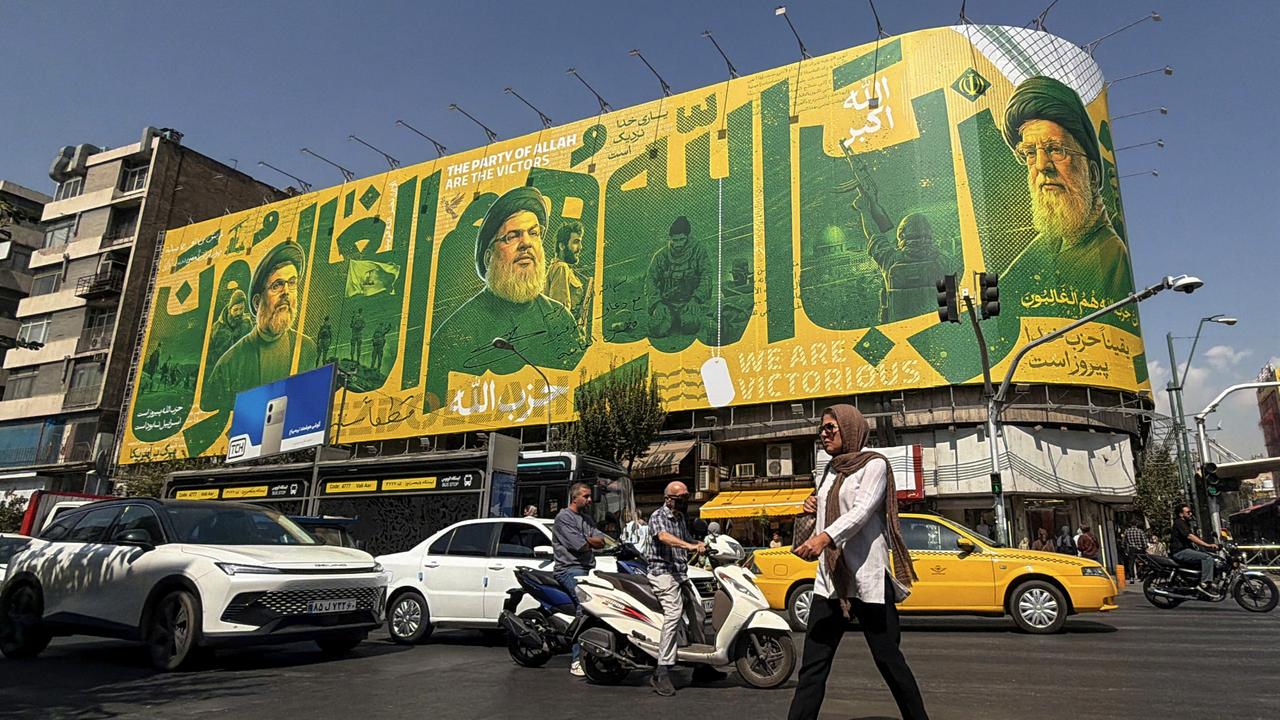
Other billboards glorify Iran, its former supreme leader Ali Khamenei, killed when the war began, and allies such as slain Hezbollah chief Hassan Nasrallah across the city. Kafaei said they help many people who "may not be politically minded" grasp "the overall context of what is going on in the country".
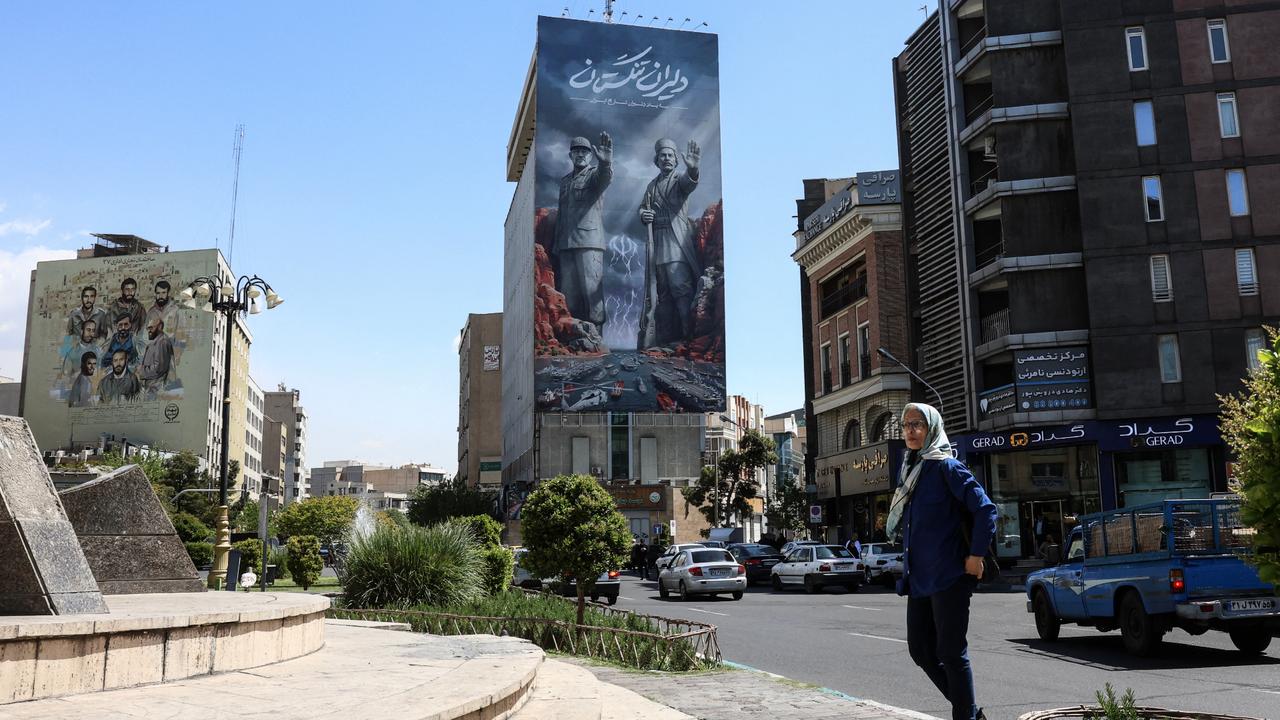
Retiree Mahmoudreza Rezaei, 53, recalled a billboard that mentioned "Satan's wedding gift,” a message he took as aimed at Trump following an alleged U.S. attack in the country's south last month that left several people dead at a marriage ceremony.
"It kept me pondering for a few minutes, trying to decipher the meaning," Rezaei said. "It had a bit of a riddle-like quality."
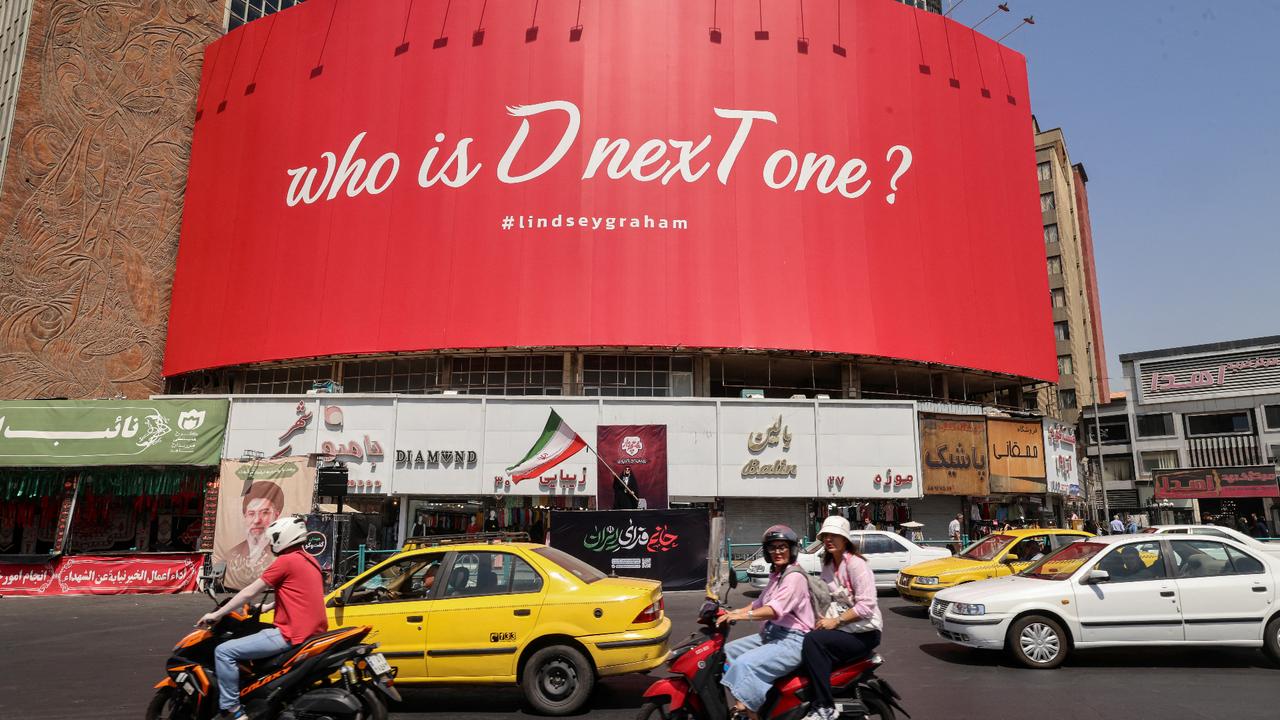
Sahar Jahedi, 24, a pharmacy worker, said the billboard showing Trump trapped in the magician's box in central Tehran's Jomhouri Square captivated her.
While "so many people are currently struggling just to survive, they may not have the time" to follow the news, she said. "Billboards like this... can play a significant role in keeping more people informed about current events."


 Set as preferred source

 1 min read