Newsletters


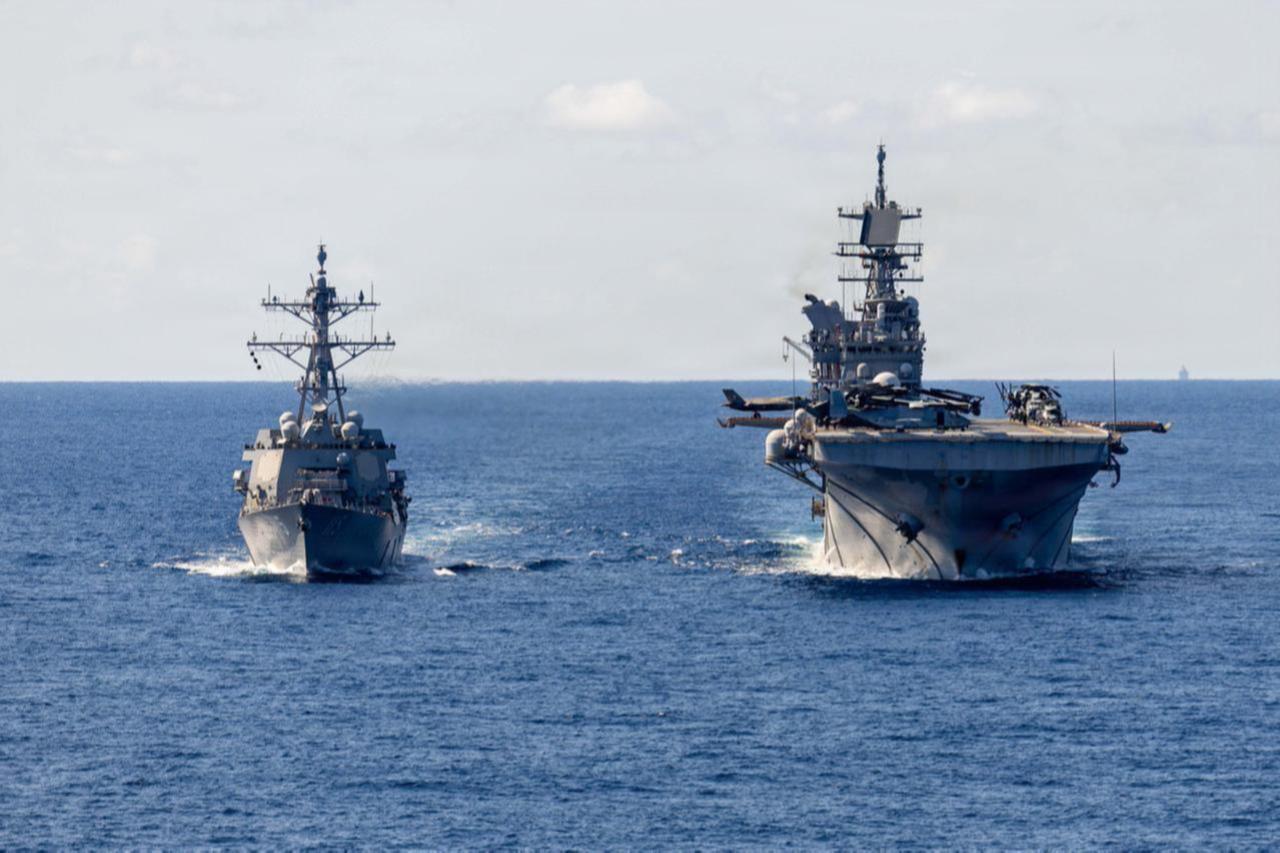


A senior military adviser to Iran's supreme leader issued a stark warning Wednesday that Iran would destroy American naval vessels if the United States moved to control the Strait of Hormuz, escalating tensions over the critical waterway even as a fragile ceasefire holds in the six-week conflict between the two countries.
Mohsen Rezaei, a former commander-in-chief of Iran's Revolutionary Guards who was appointed as a military adviser to Supreme Leader Ali Khamenei last month, told state television that American ships in the strait would be struck by Iranian missiles. "These ships of yours will be sunk by our first missiles," Rezaei said, adding that U.S. forces had "created a great danger" for themselves by their presence there.
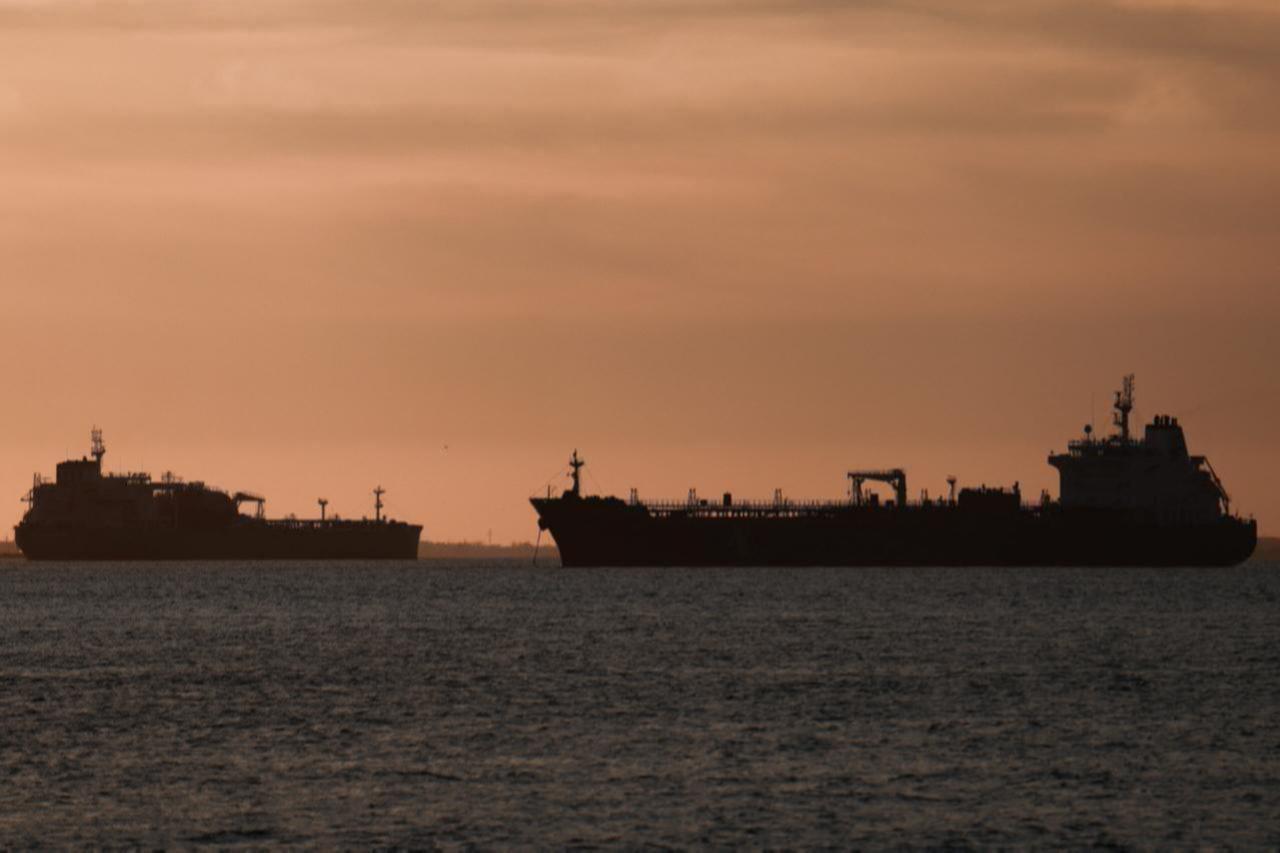
The remarks came as the United States maintains a military blockade of the Strait of Hormuz following weeks in which Iran blocked shipping through the waterway during the war. A two-week ceasefire is currently in place.
Challenging the premise of an American policing role at the strait, Rezaei asked pointedly: "Mr. Trump wants to become the police of the Strait of Hormuz. Is this really your job? Is this the job of a powerful army like the U.S.?"
Appearing in military uniform on the state broadcaster, the longtime hardliner went further, saying a U.S. ground invasion of Iran would be "great" because Tehran would "take thousands of hostages" and demand "a billion dollars" per captive. The remarks, while likely intended for a domestic audience, represent some of the most provocative language yet from a senior Iranian official in the current standoff.
Rezaei also indicated personal opposition to continuing the ceasefire, saying without elaboration that he was "not in favour of extending the ceasefire at all," describing it as a personal view. The statement puts him at odds with the fragile diplomatic pause that has suspended fighting between the two sides.
The first and, so far, only round of Iranian negotiations with the United States after the outbreak of hostilities was led in Pakistan by parliament speaker Mohammad Bagher Ghalibaf, himself a former aerospace forces commander of the Revolutionary Guards, underscoring the degree to which Iran's military establishment has shaped the country's wartime diplomacy.
Rezaei, who headed the Revolutionary Guards from 1981 to 1997, is a veteran and high-profile figure in Iranian politics long regarded as a hardliner even within the Guards, Iran's ideological army. His appointment as military adviser to Khamenei last month signaled a potential hardening of the supreme leader's inner circle at a critical moment.
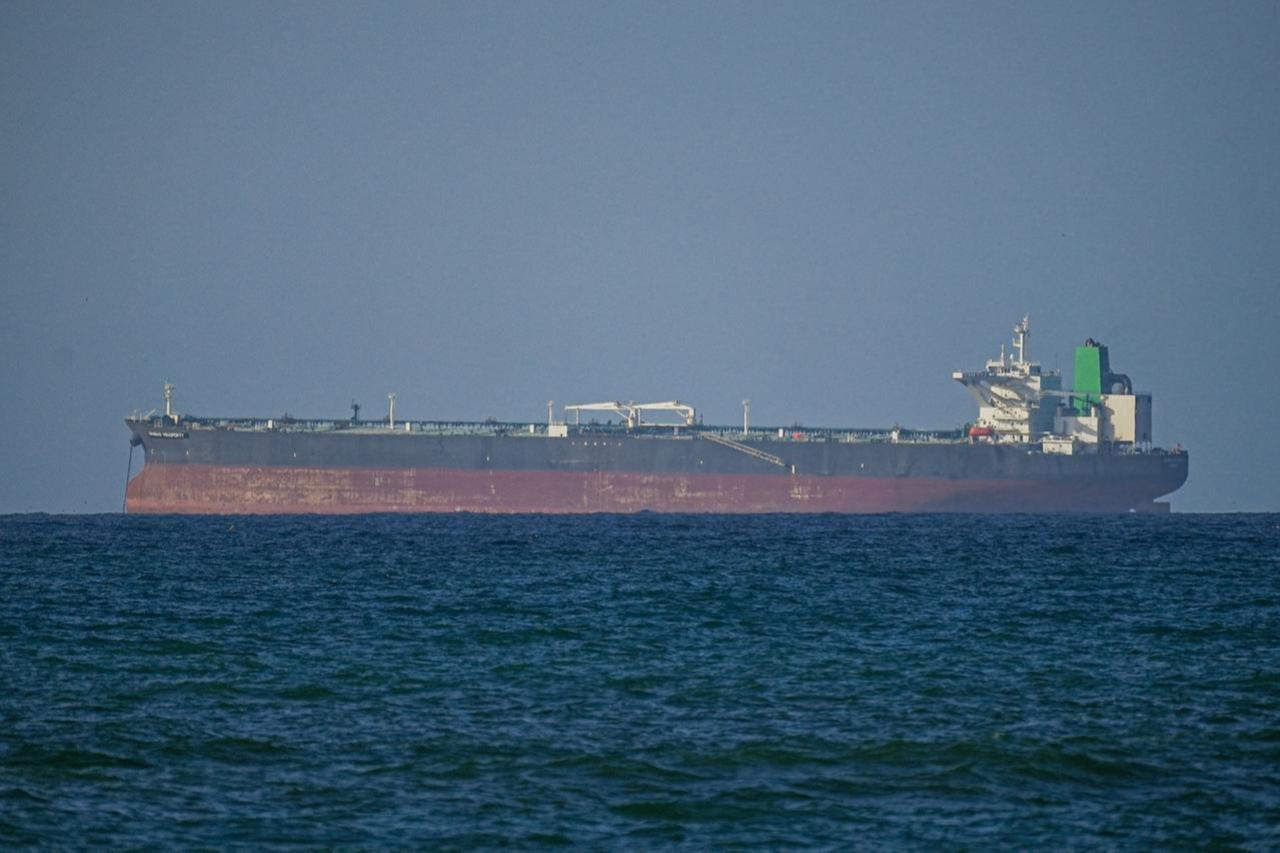
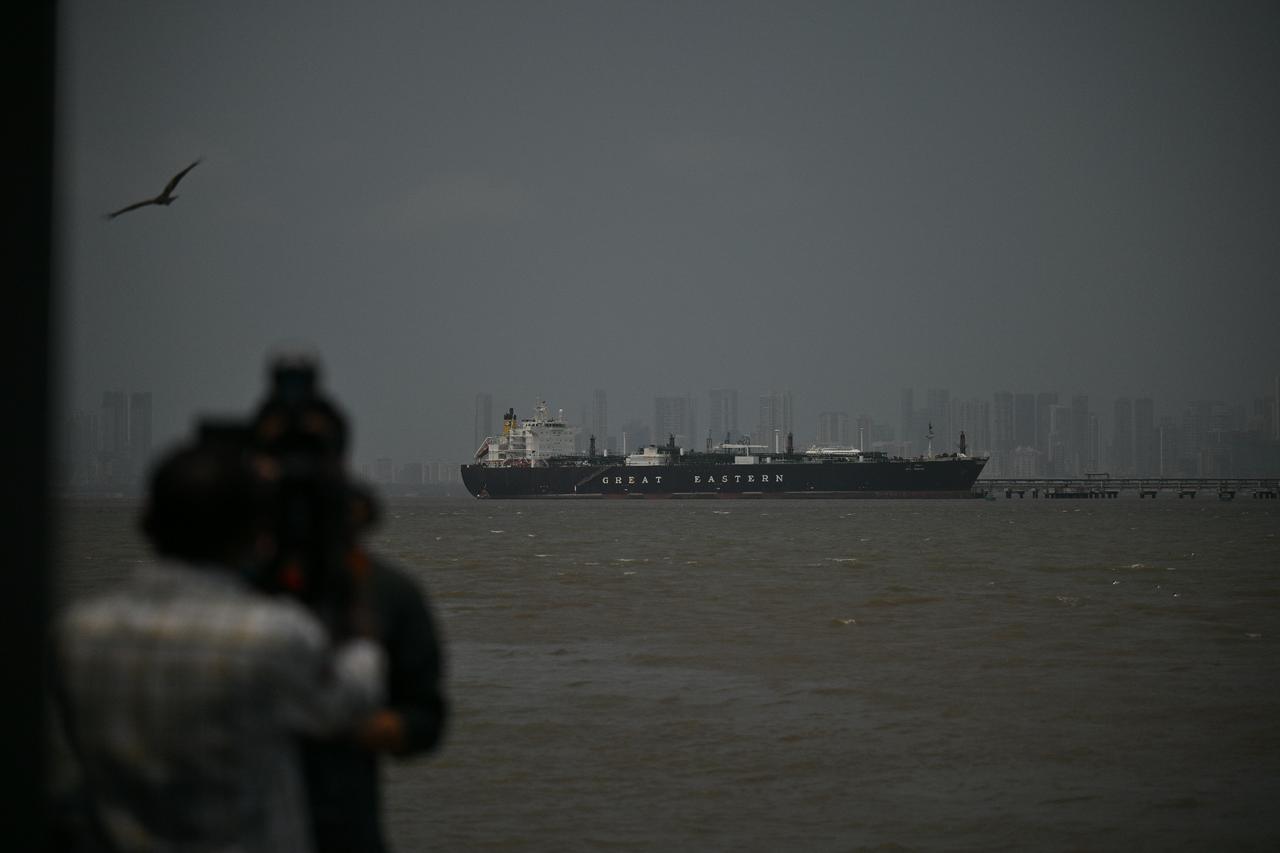
The Strait of Hormuz, through which roughly 20 percent of the world's oil and liquefied natural gas passes, is the sole maritime outlet from the Persian Gulf to the open ocean. Its disruption over the previous weeks of conflict triggered what analysts have described as the largest shock to global oil supply in the waterway's history. Tehran has long threatened to close the strait in past crises but has never followed through; the current conflict has brought that threat closer to reality than at any prior point.


 Set as preferred source
 Set as preferred source


 1 min read
 1 min read