Newsletters


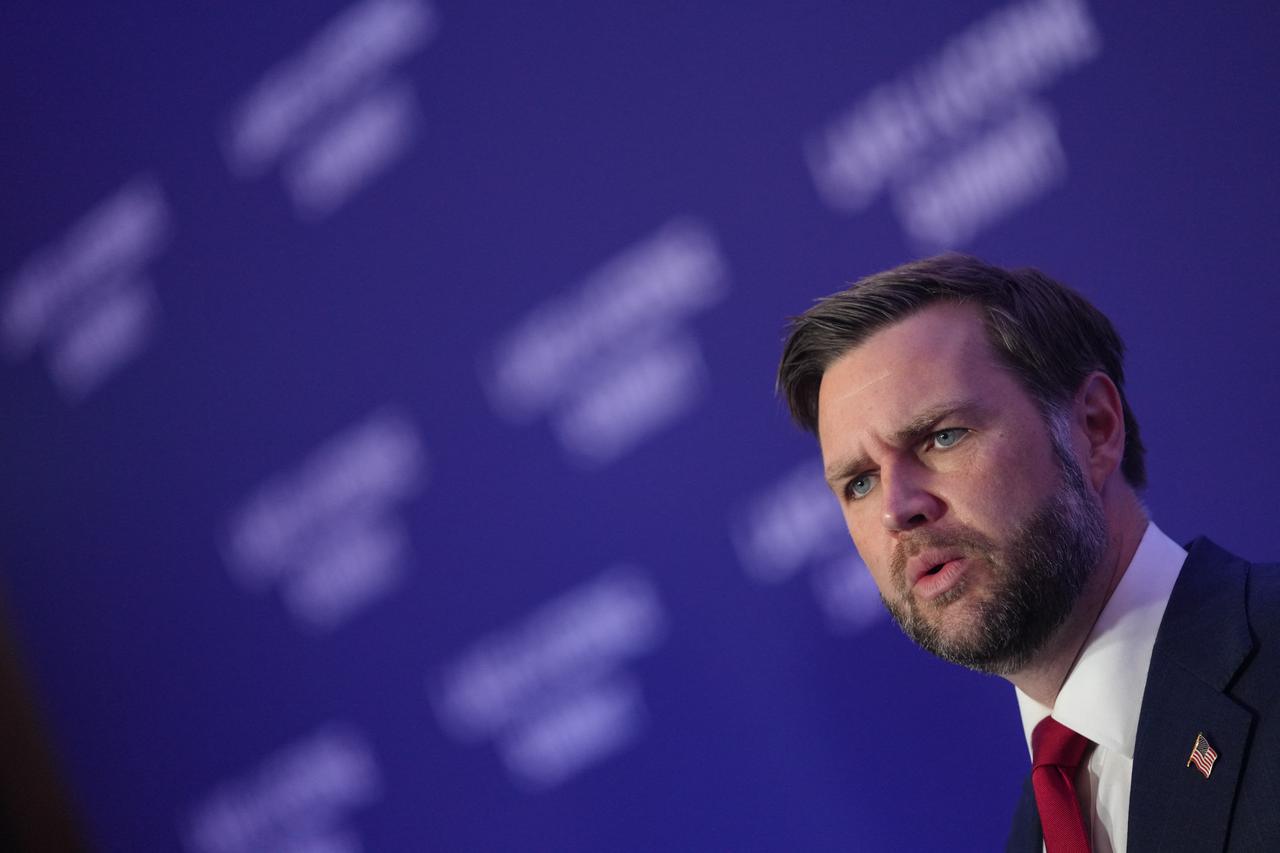
U.S. Vice President JD Vance stated Monday that Iran has agreed to allow International Atomic Energy Agency (IAEA) nuclear inspectors back into the country.
Inspections of Tehran's stockpile of highly enriched uranium will possibly begin as soon as this week, following the first round of U.S.-Iran talks aimed at ending the Middle East war.
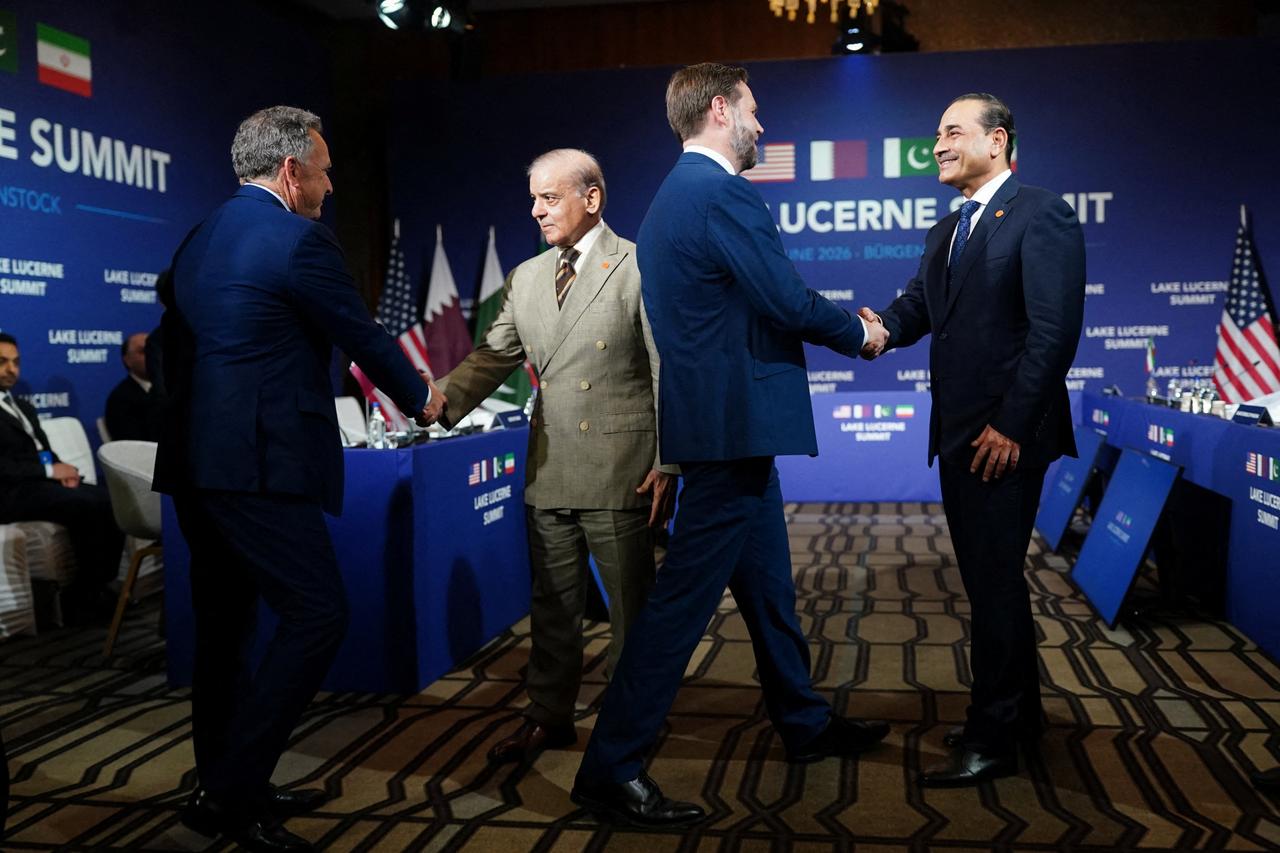
"The Iranians have agreed to invite IAEA inspectors back into their country," Vance told reporters at the Burgenstock resort, calling it "a major milestone for the American people and the first step in permanently denuclearising or permanently ending a nuclear weapons programme in Iran."
Vance said he expected IAEA inspections, which were carried out for years under the previous JCPOA nuclear deal negotiated by the Obama administration, to resume as soon as this week, with Iran's roughly 450 kilograms of highly enriched uranium among the material to be assessed.
Speaking to reporters, Vance described Sunday as "a very, very good day" of negotiations. "We did exactly what we wanted to do," he said, outlining four main objectives the U.S. side had pursued.
"First, we wanted to build a mechanism for keeping the Strait of Hormuz open, it is open," Vance said, adding that as vessels begin traversing the waterway, negotiators "wanted to make sure that we actually set up the coordination mechanism" for de-mining operations and the resumption of trade.
Second, Vance said negotiators built a "similar mechanism" for "deconfliction for the regional ceasefire," aimed at preventing broader military escalation in the region, particularly in Lebanon, which he described as a major lynchpin in the talks.
Third, and what Vance said the U.S. delegation was "most excited about," Iran agreed to admit IAEA inspectors.
"That is a major milestone for the American people, and the first step in permanently denuclearizing or permanently ending a nuclear weapons program in Iran, and that's exactly what we wanted to do," he said.
Fourth, Vance said negotiators set up a process for technical talks to continue after lead negotiators departed Switzerland later Monday.

Vance said the talks had established the basis for further progress, while cautioning that significant work remains.
"We laid a very good foundation for a successful final deal, the final deal is the house," he said.
"We set the foundation, we haven't built the house, but we've laid a successful foundation to get to a good place for the American people," Vance added.
He said technical negotiations between the U.S. and Iran would continue "over the weeks and days to come," following the departure of Iran's top negotiators from Bürgenstock earlier Monday.
"As much as this place is very beautiful, I can't stay here for the next 60 days," Vance told reporters.
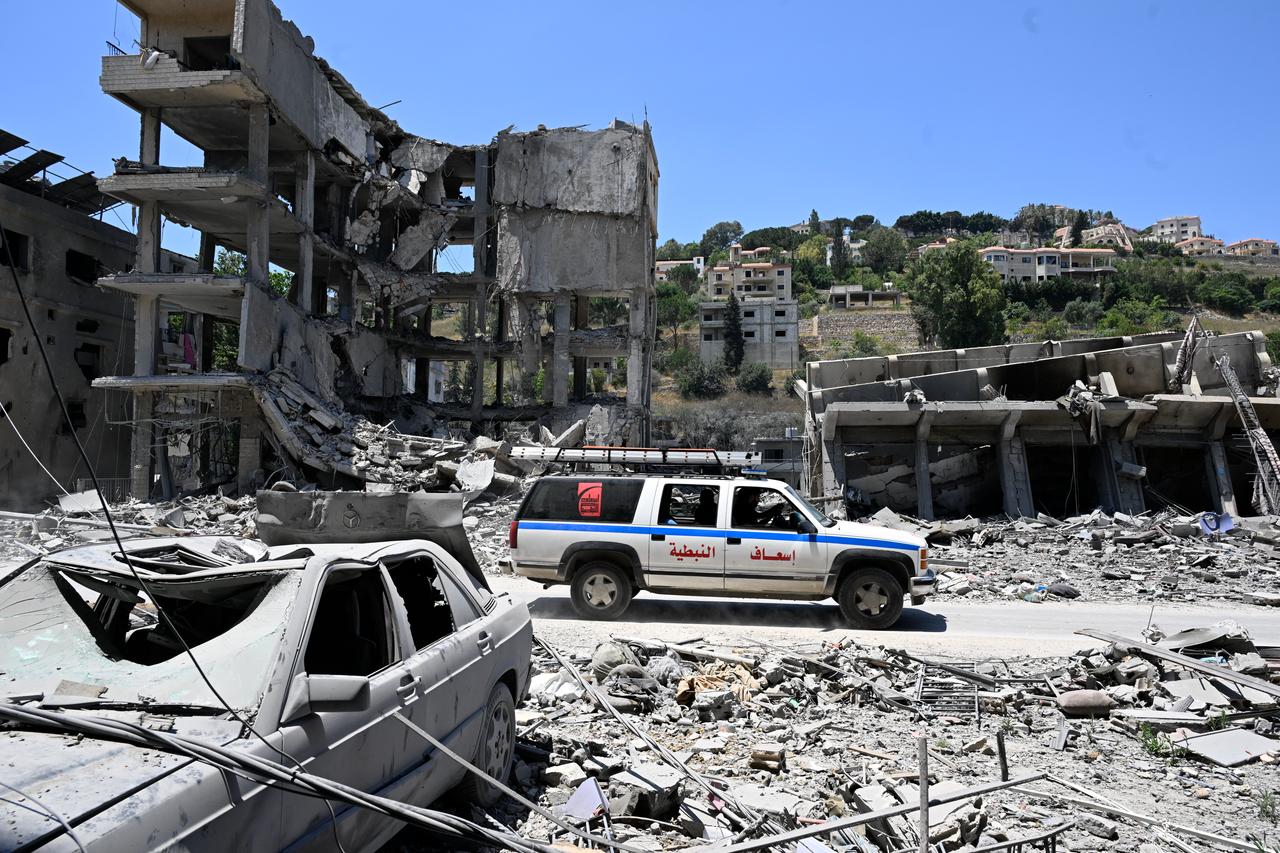
Vance said the past 24 hours had been "probably the most peaceful that we've seen" the situation in Lebanon since the war began, while acknowledging that efforts to end fighting between Israel and Hezbollah remained a "work in progress."
"The previous 24 hours were pretty good," he said.
"Obviously, there was some shooting about 72 hours ago, so this is a work in progress, but what we've done is actually set up the operation so that we can ensure it doesn't spiral out of control in the future," Vance added.
Vance described the interplay between the separate but linked U.S.-Iran negotiations and the Israel-Hezbollah conflict as a "bit of a chicken-and-egg problem," suggesting some strikes may have originated from a "junior guy who fires a drone that didn't have approval from the high command."
He said Sunday's talks had produced a new mechanism to prevent such incidents from derailing the broader process.
"Israel and every other nation in the region has the right to self-defense, but we want to make sure that everybody has that right to self-defense in the background where we're talking about how to de-escalate these conflicts rather than spiraling out of control," Vance said.
"Sometimes what will happen is that if the conflict spirals out of control, that's worse for everybody's self-defense and worse for everybody's security. So we've actually got the process in place to ensure that escalation doesn't happen," Vance stated.
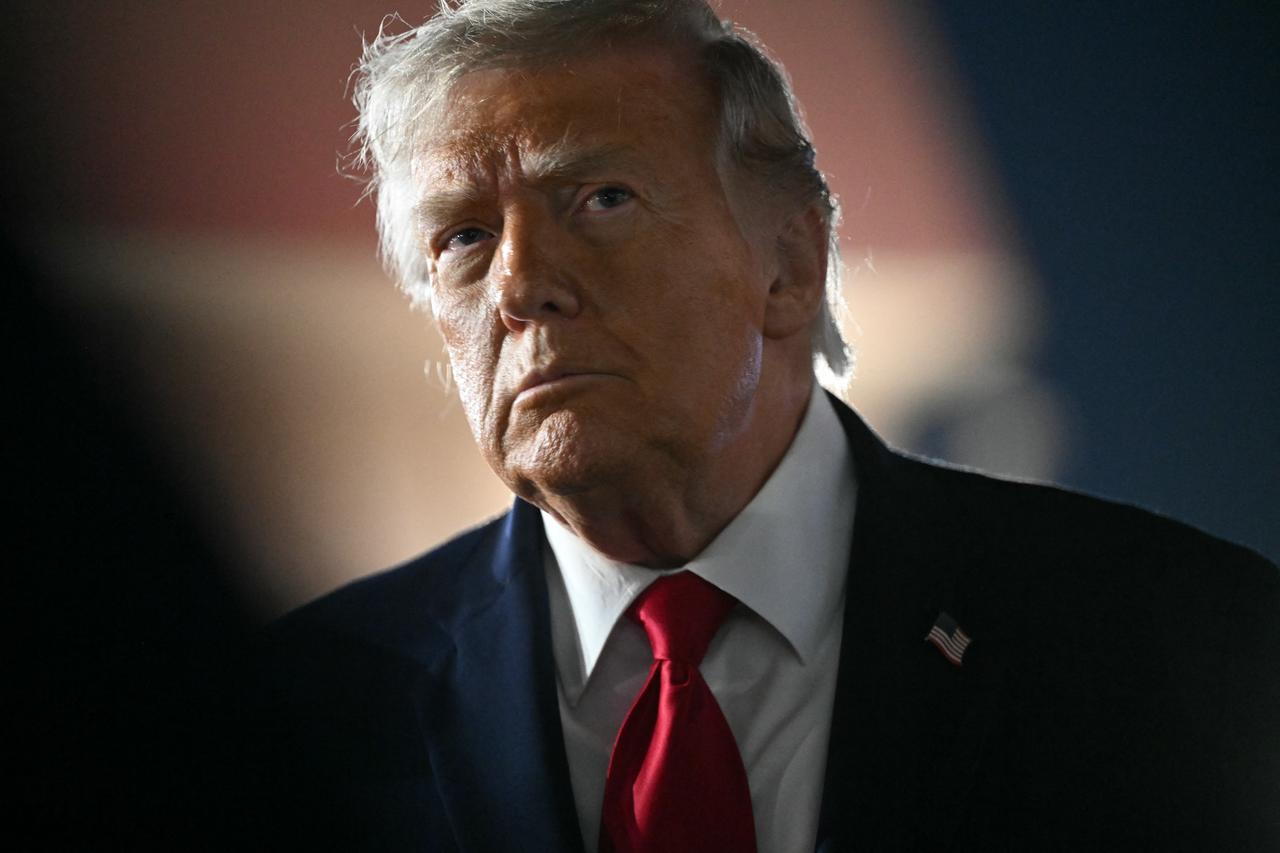
Vance denied that Trump's combative public statements over the weekend had derailed the negotiations.
"No, they didn't throw a wrench in the system," he said, speaking after concluding hours of discussions over a final deal.
Trump had threatened renewed attacks on Iran in a call with Fox News over the weekend and told Iran's president to "watch his mouth" as the talks were unfolding.
Vance acknowledged the remarks caused a brief interruption.
"There was a little bit of threatening, there was a little bit of whining, but at the end of the day, the talks continued, and we made great progress," he said.
He said the U.S. had explained its position directly to the Iranian side.
"What we told the Iranians yesterday is when you guys engage in what us millennials might call trash talk, you can't expect the president of the United States not to respond and not to correct the record," Vance said.
Asked about the agreement to unfreeze Iranian assets, one of the provisions in the Memorandum of Understanding (MoU), Vance said Washington wanted to establish a process ensuring funds released to Iran benefit ordinary Iranians and do not finance terrorism.
He described the structure being discussed by U.S. negotiators, including Steve Witkoff and Jared Kushner, as "to me, a classic Trump deal."
Under the arrangement, Vance said, Iranian assets could be unfrozen in exchange for Iranian purchases of U.S. goods such as soy, corn and wheat.
"(It will) make American farmers richer, and feed the Iranian people," he said.


 Set as preferred source
 Set as preferred source


 2 min read
 1 min read