Newsletters


Iran and the United States agreed Monday to establish a communications line to keep the Strait of Hormuz open and a mechanism to end fighting in Lebanon, mediators Qatar and Pakistan announced, after the first round of talks in Switzerland aimed at ending the war in the Middle East.
"The Lake Lucerne Summit was conducted in a positive and constructive atmosphere. Encouraging progress has been made, including the creation of a mechanism for further technical talks," the mediators said in a joint statement issued by Qatar's foreign ministry.
The teams, led by U.S. Vice President JD Vance and Iranian Parliament Speaker Mohammad Bagher Ghalibaf, held a 100-minute first round of direct talks Sunday in Burgenstock to discuss implementation of the Islamabad Memorandum of Understanding (MoU) signed June 17, as part of the two-month negotiating period set out under the preliminary deal.
According to the joint statement, the parties agreed to establish a High Level Committee that will provide political oversight on the mediation process.
Chief negotiators will report regularly to the committee and lead working groups focused on the Iranian nuclear program, sanctions-related issues, and a monitoring and dispute resolution group tasked with ensuring effective implementation of the memorandum.
"The High Level Committee has agreed upon a roadmap towards reaching a final deal within 60 days, laying the foundation for the immediate commencement of further technical talks," the statement said.
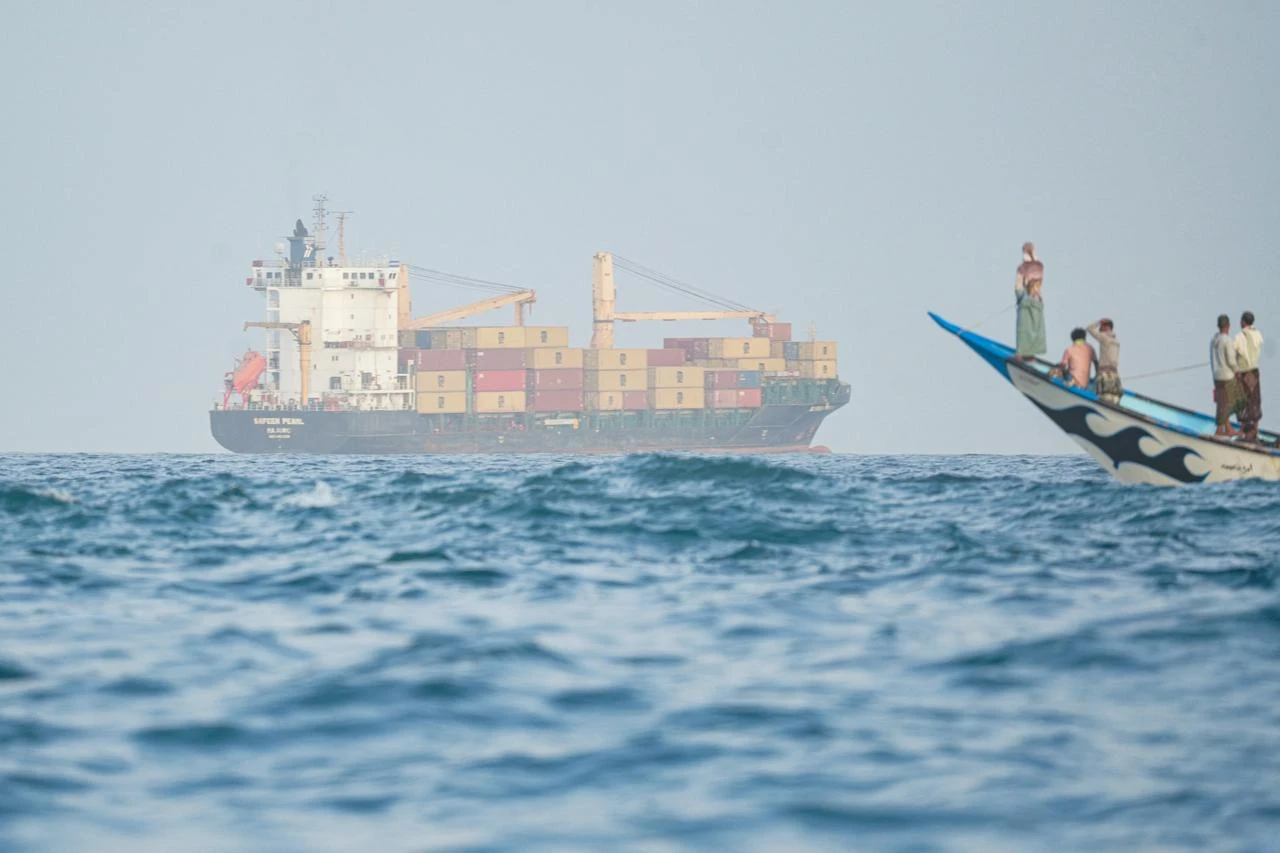
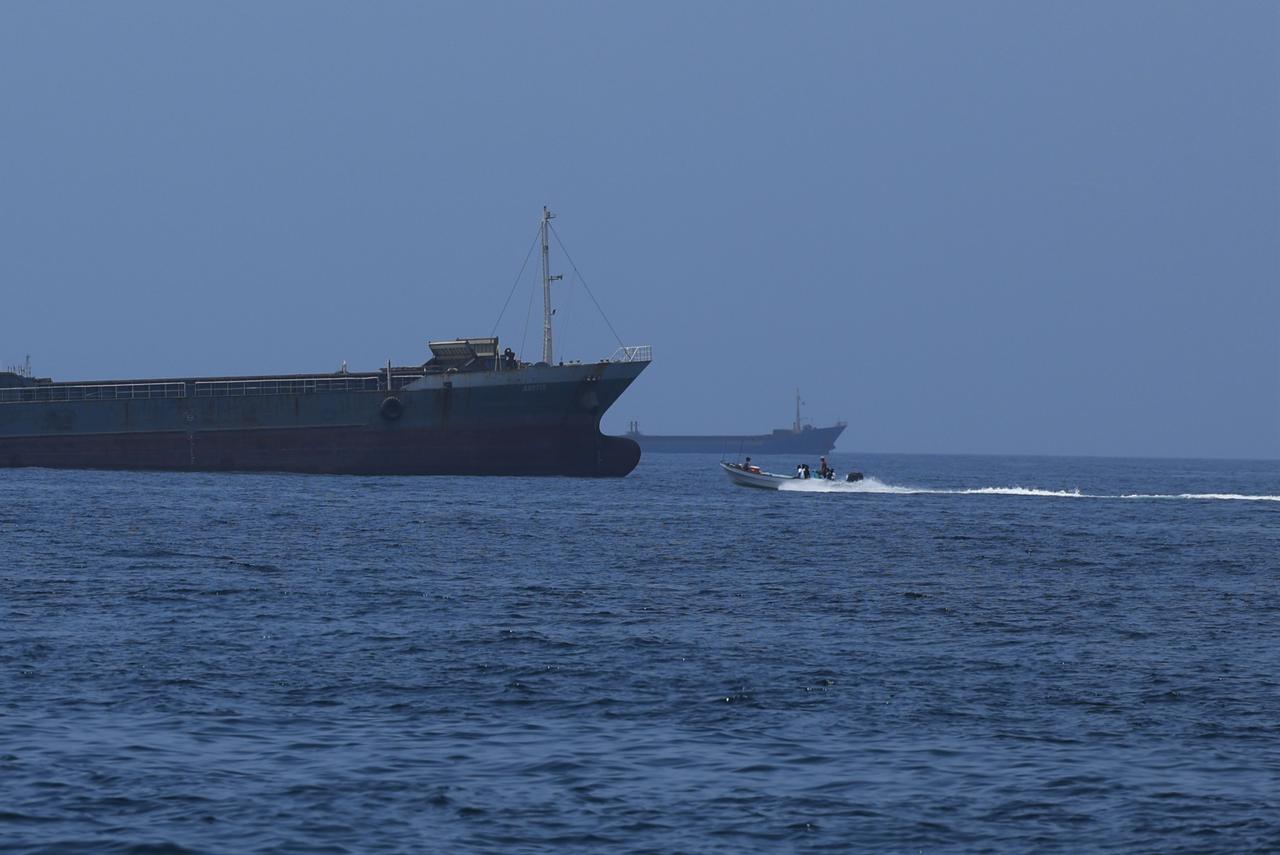
"In addition, a communication line between the parties has been formed for the period mentioned in paragraph 5 of the MoU to avoid incidents and miscommunication with the aim of safe passage for commercial vessels through the Strait of Hormuz," the statement noted.
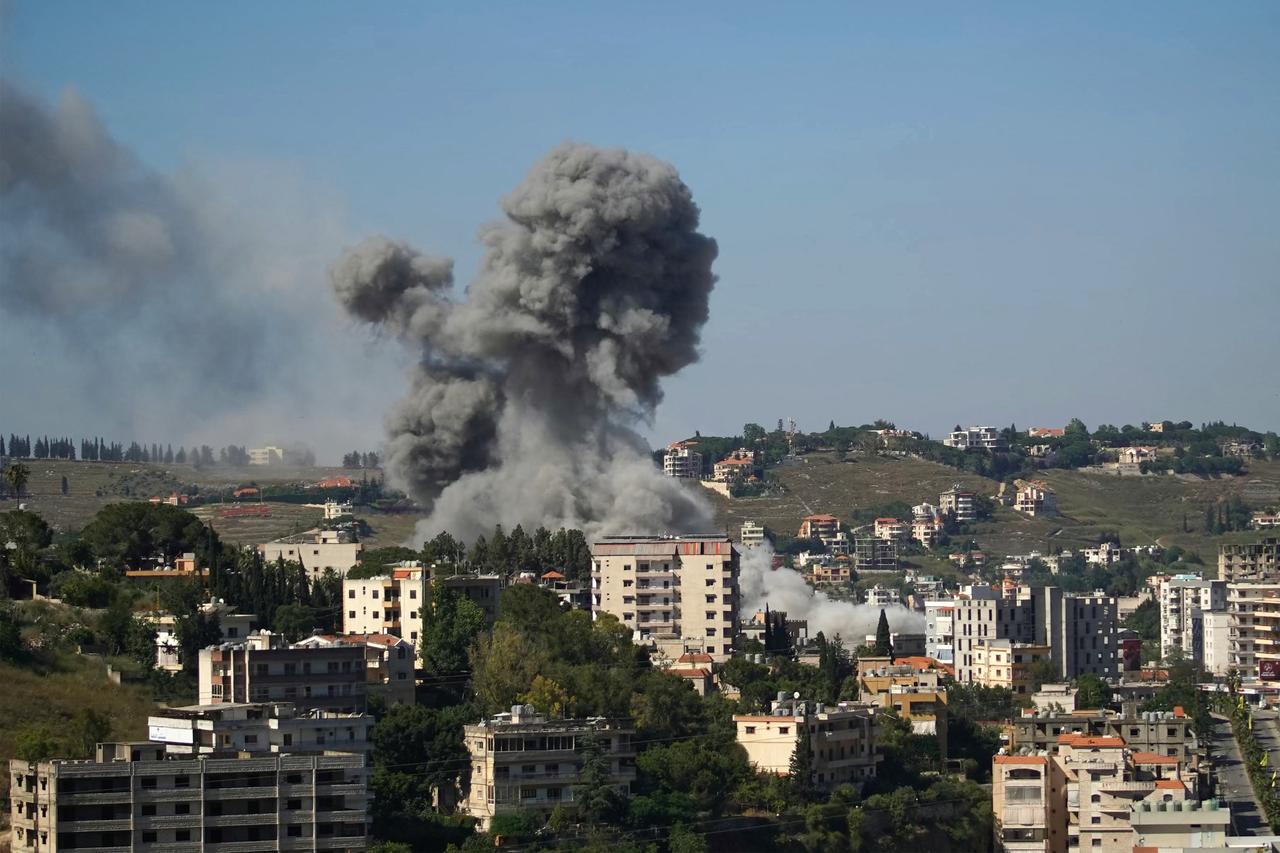
The parties also agreed to create a "de-confliction cell" between Iran, the United States, Lebanon and the mediating countries to ensure adherence to the memorandum's provision calling for the termination of military operations in Lebanon.
"Technical talks will continue for the remainder of the week at the Burgenstock resort on all issues," the statement said.
Qatar and Pakistan said they would continue to do "their utmost" to ensure negotiations are conducted in a "constructive atmosphere" to reach a final deal.
They expressed "sincere" appreciation to the U.S. and Iran for their commitment to diplomacy and commended "brotherly and friendly countries for their continued support and valuable contribution to the ongoing negotiations."

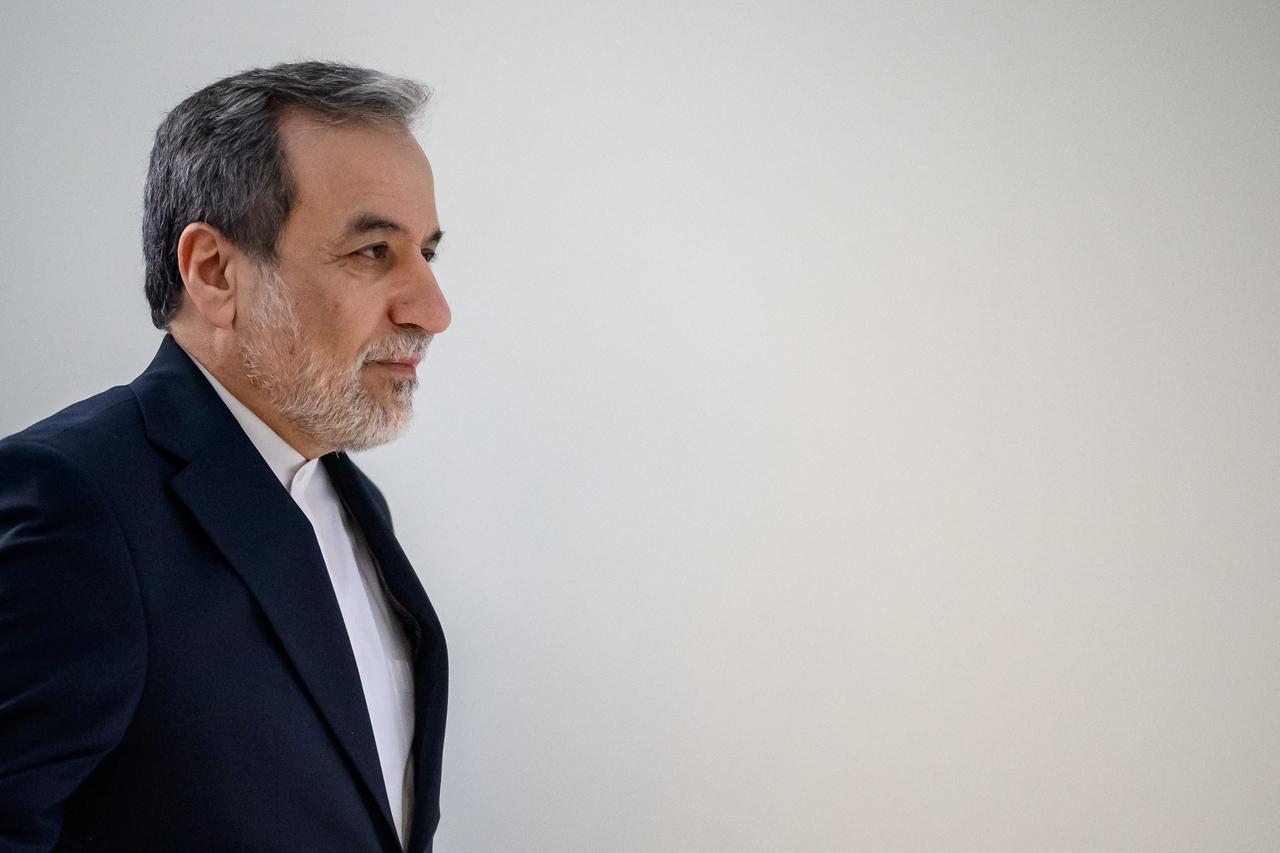
Iranian Foreign Minister Abbas Araghchi praised the mediators' efforts in a post on X following the talks.
"Tireless Pakistani and Qatari mediation has delivered major progress to end Lebanon War," he wrote.
"Oil and petrochem exports are waived, blockade lifted, some frozen assets released, and major reconstruction & development plan launched for Iran. 1st real test: Lebanon deconfliction cell," he added.
U.S. officials had not confirmed Araghchi's specific claims about export waivers and frozen asset releases, according to Axios.
Crude prices slipped while stocks mostly gained in Asia as the reported progress fueled optimism, though there was no immediate reaction from U.S. negotiators following the joint statement.
The talks opened Sunday under strain after Iran's delegation said it had walked out in response to President Donald Trump's threats to strike Iran over its support for Hezbollah. Trump had warned of new attacks on Iran if it did not "immediately stop their highly paid proxies in Lebanon from causing trouble."
Iran's chief negotiator, Ghalibaf, responded with a warning of his own.
"They would do better to be careful with their statements; our armed forces are ready to respond to them in a different manner. No matter what they say, we are the ones who act," he said.
However, a source from one of the mediating countries and a U.S. diplomat told Axios that although Iranian officials told traveling reporters they had pulled out of the talks in protest, in practice the talks continued throughout the day, running into marathon, nearly nonstop negotiations through Sunday night.
Iranian officials privately raised the matter during the talks, arguing Trump's threats violated Article 1 of the memorandum, which stipulates that both parties refrain from threats of force during negotiations.
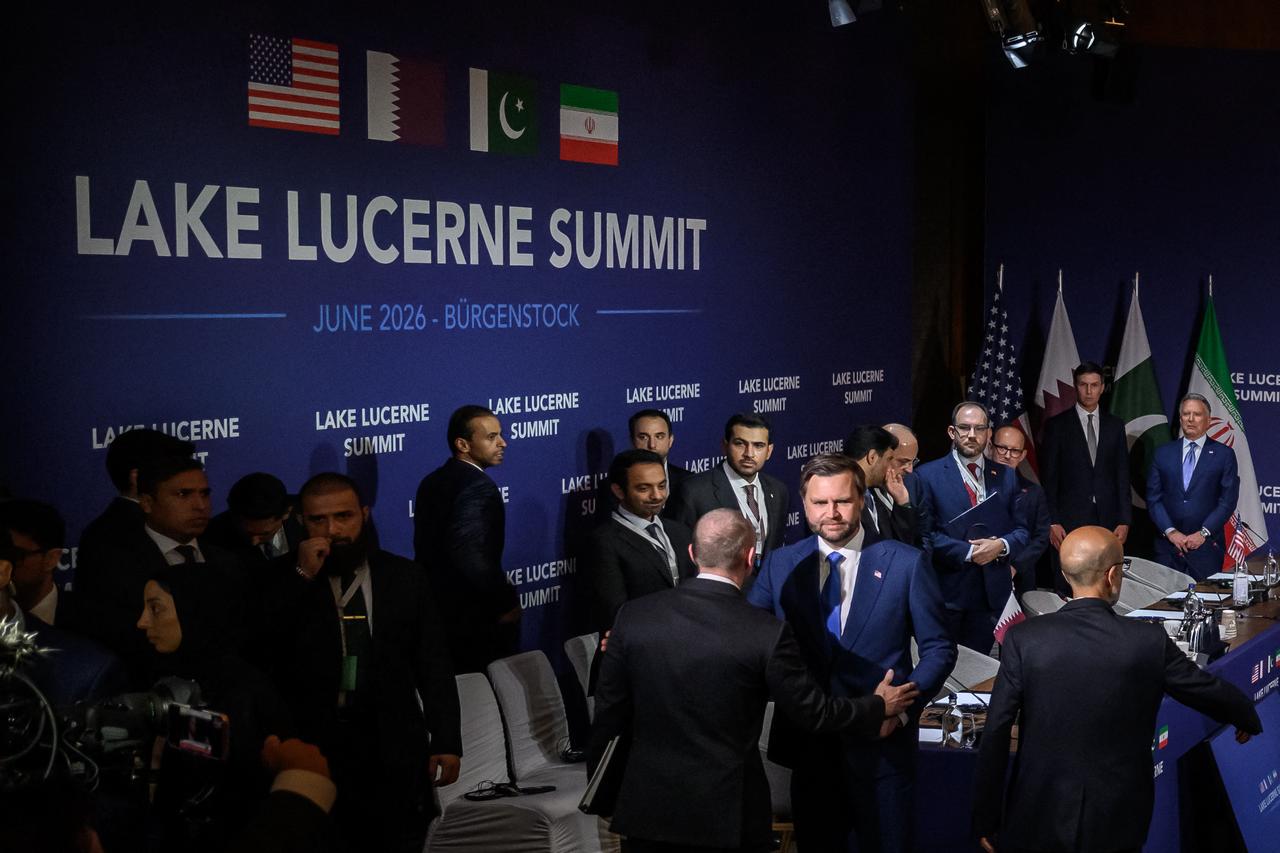
A U.S. diplomat told Axios that one focus of the discussions was "deconfliction mechanisms in Lebanon and enforcing the ceasefire," amid continued clashes between Hezbollah and Israeli troops in southern Lebanon.
A source from one of the mediating countries described the discussion on Lebanon as "tense."
Officials also discussed the Strait of Hormuz and Iran's recent statements about potentially closing it. "We made clear we want to ensure it remains fully open. We made good progress on that front," the U.S. diplomat said.
A second diplomat who attended the talks described them as "tough but good," adding: "We got an outline created that will now guide technical talks in the coming weeks."
Under the broader agreement, Iran is to use its "best efforts" to ensure "safe passage of commercial vessels with no charge" through the strait between the Persian Gulf and the Sea of Oman.
Iran's military command had said Saturday it would close the strait again in response to Israel's continued attacks on Hezbollah and what it called the U.S. "failing to implement" the war-ending agreement.
Trump had threatened Sunday to "take over the Strait" in remarks to Fox News that nearly derailed the negotiations, a threat that was followed by a climb in oil prices.
Vance, flanked by U.S. negotiators Jared Kushner and Steve Witkoff, had earlier hailed what he called "a historic meeting" in Switzerland.
"The question before us now is how much more can we accomplish together?" he said.
"Can we turn over a new leaf? Can we change relations in the Middle East permanently? Or do we go back to doing things the old way, which is not our preference, but it's certainly very much something that can happen," Vance said.
Qatari Prime Minister Sheikh Mohammed bin Abdulrahman Al Thani posted a photo on X featuring Vance, writing: "Live from Lucerne, work continues with @VP and @JaredKushner."


 Set as preferred source
 Set as preferred source


 6 min read