Newsletters


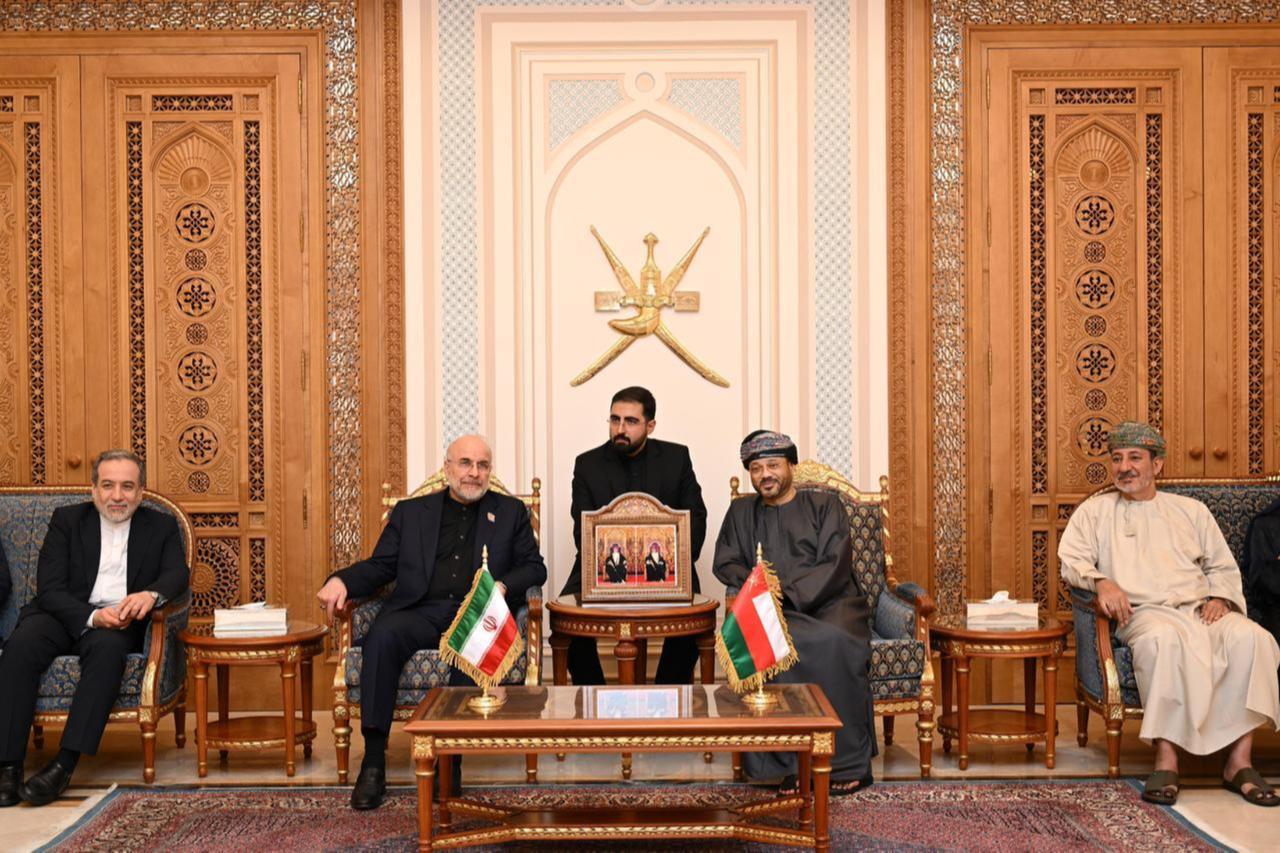


Oman, Iranian Foreign Minister Abbas Araghchi met Saturday with his Omani counterpart Badr Albusaidi in Muscat to discuss bilateral relations, maritime security, and mechanisms to ensure the safe passage of commercial vessels through the Strait of Hormuz, as the two countries grapple with a fragile regional environment following a week of escalating military exchanges.
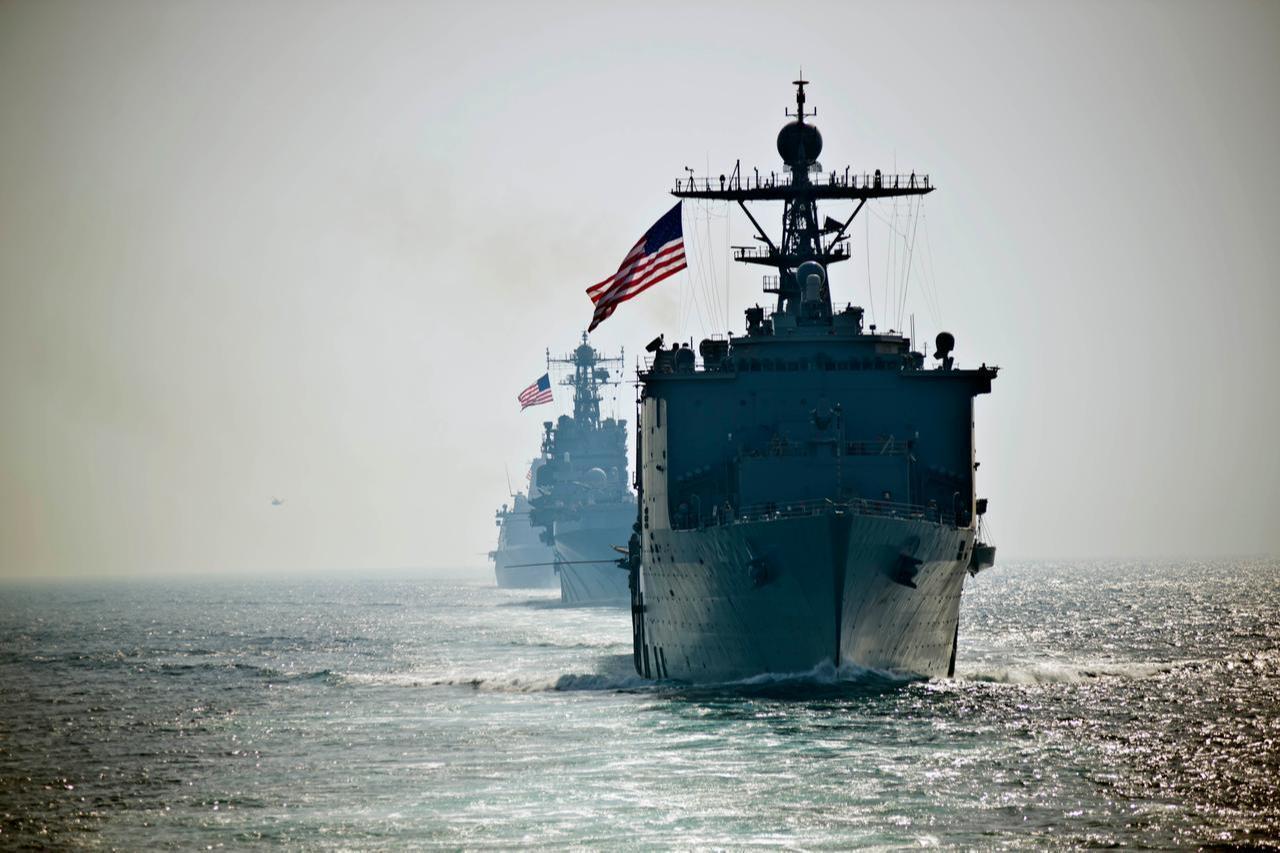
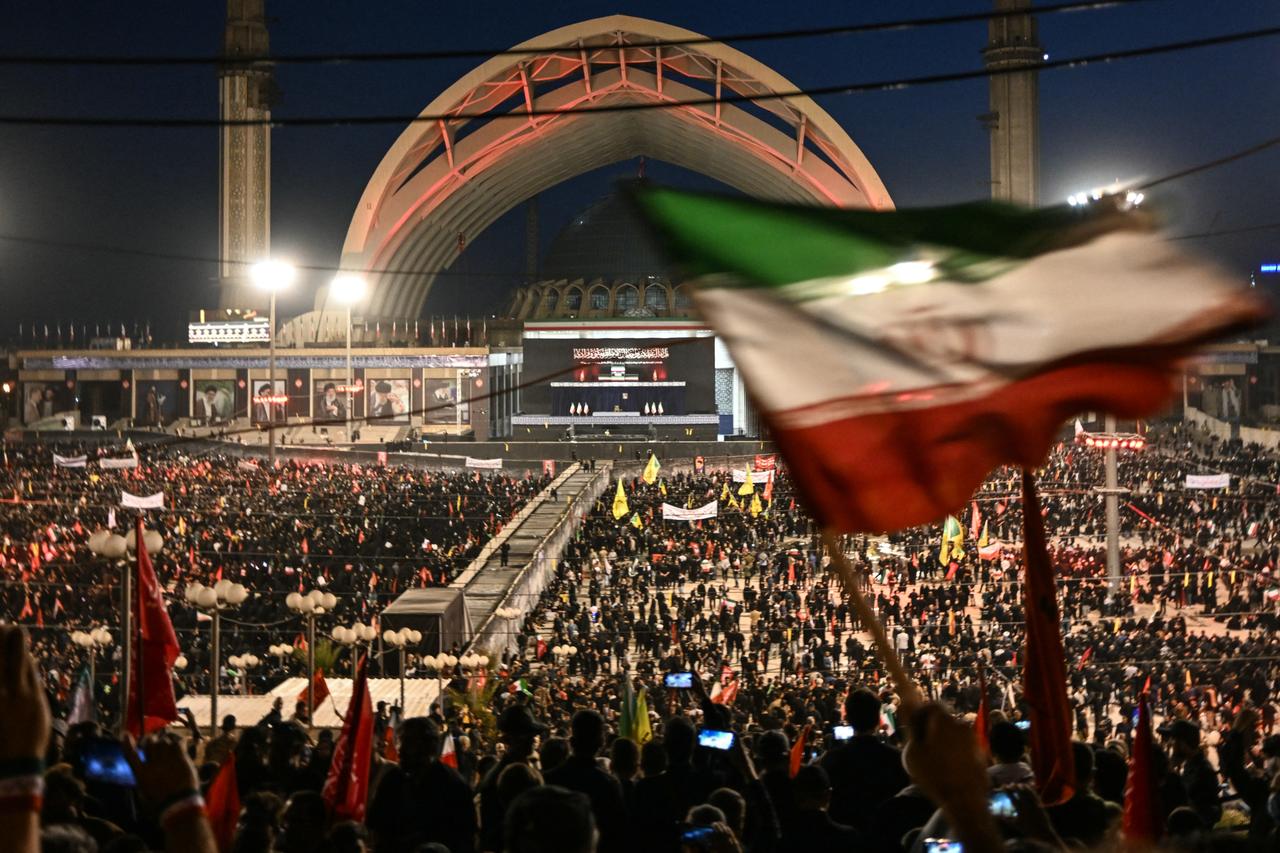
The meeting came days after Tehran launched strikes Thursday on U.S. military infrastructure in Bahrain, Kuwait, Qatar, and Jordan, in retaliation for what Iran described as a second consecutive night of American attacks.
Earlier in the week, Iranian forces had struck three commercial vessels in the Strait of Hormuz, a narrow chokepoint connecting the Persian Gulf to the Gulf of Oman through which a significant share of the world's oil supply passes.

Araghchi arrived in the Omani capital at the head of a political and legal delegation, according to Iran's official IRNA news agency, and affirmed Tehran's commitment to strengthening ties with Muscat.
Albusaidi, for his part, reiterated Oman's longstanding "principled position" in favor of diplomacy to prevent further regional escalation, and expressed hope that the "full implementation" of last month's framework agreement between Iran and the United States would help improve security across the region.
That deal, brokered by Pakistan in mid-June and formally known as the Islamabad Memorandum of Understanding, was intended to end the military conflict between Tehran and Washington and lay the groundwork for a lasting peace. The attacks this week cast doubt on its durability.
 1 min read
A specific focus of Saturday's talks was Article 5 of the Islamabad Memorandum of Understanding, which the two ministers cited as a framework for coordinating mechanisms to guarantee safe passage through the Strait of Hormuz.
The strait is one of the world's most strategically sensitive waterways, and any disruption to navigation there carries significant consequences for global energy markets and international shipping.
The discussion reflected broader concerns about the waterway's stability at a moment when commercial vessels have already come under fire.
The two sides also exchanged views on regional developments more broadly, covering bilateral cooperation across multiple sectors.
Oman has long served as a back-channel interlocutor between Iran and Western powers, a role rooted in its policy of non-alignment and its geographic position at the mouth of the Persian Gulf.
Muscat has previously facilitated sensitive diplomatic contacts, including early negotiations that contributed to the 2015 Iran nuclear agreement.


 Set as preferred source
 Set as preferred source


 1 min read