Newsletters


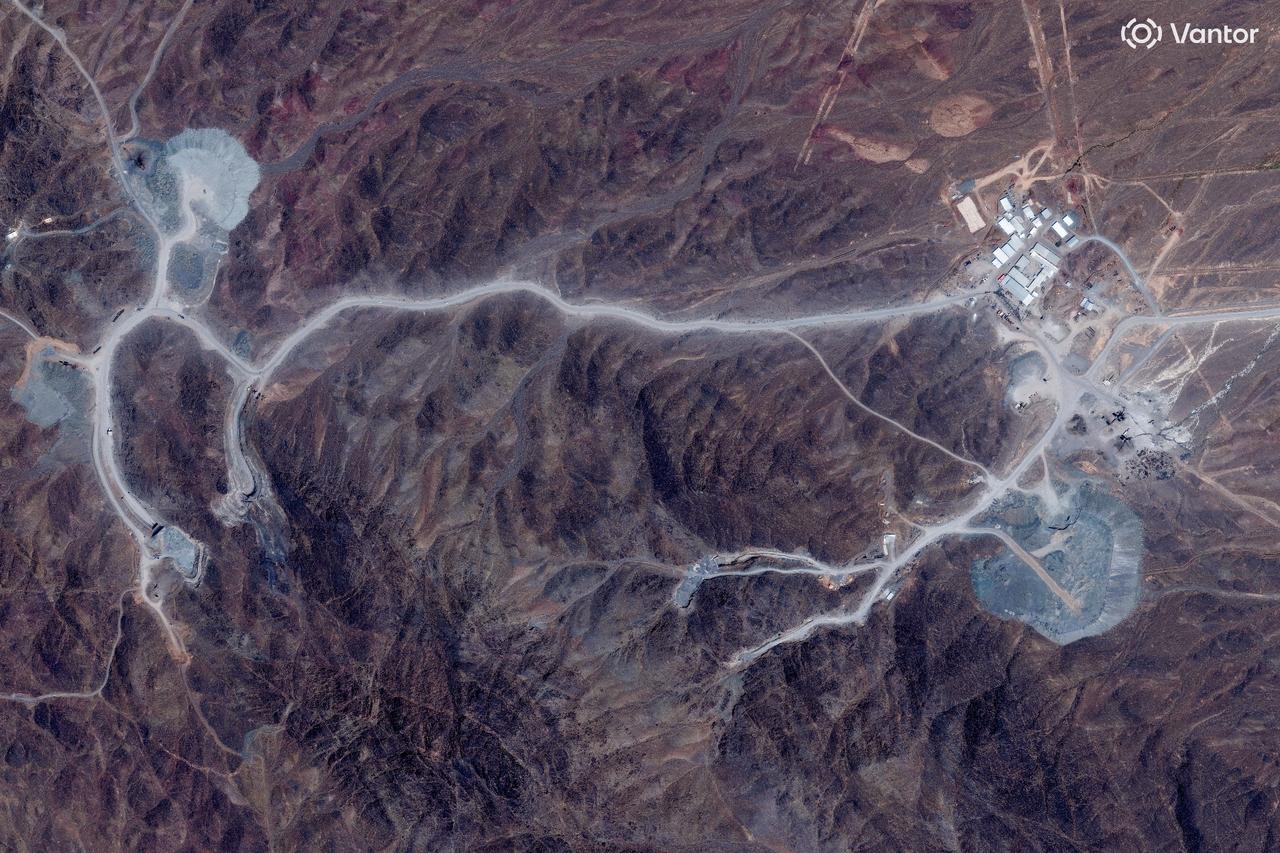


A U.S. official said any nuclear agreement with Iran would depend on Tehran handing over highly enriched uranium that remains buried under rubble following U.S. airstrikes, using the term "nuclear dust" to describe the material, ABC News reported.
"Either they're going to give us the nuclear dust or we have very low-cost military options to ensure that it remains buried underground forever," the U.S. official said.
The official said the nuclear material remains central to any deal.
"We have a lot of options if they resist giving the dust. There are continued military, diplomatic, economic leverage points. That's my point there, is that the United States fundamentally has the cards. We want the dust," the official said, adding: "But I want to be clear here that if we don't get the dust, we do not have a deal with Iran."
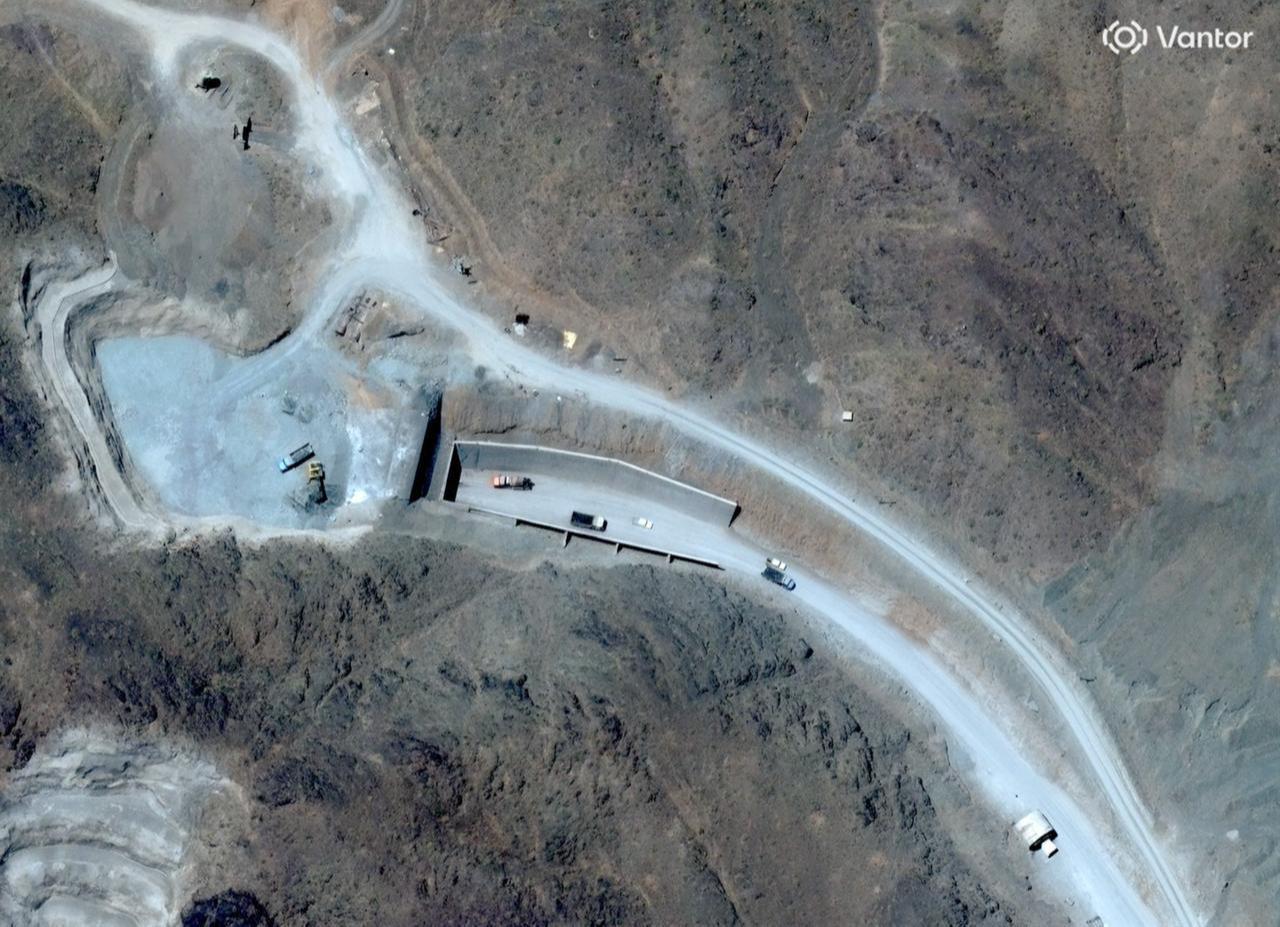

Separately, senior U.S. officials told reporters Friday that the Trump administration believes a nuclear deal with Iran is growing increasingly unlikely, the Wall Street Journal (WSJ) reported, describing it as a rare acknowledgment that capping Tehran's nuclear program might not be achievable through negotiations.
According to the WSJ, the officials said Iran should issue a statement declaring the Strait of Hormuz open and pledging to stop firing on ships.
One official suggested there would be serious consequences if no such statement came by Saturday, though other officials did not describe a firm deadline, the Journal reported.
The comments reportedly raised questions about whether Trump was preparing for a major strategic shift after declaring the ceasefire with Iran over, with his options including resuming full-scale war to prevent Iran from obtaining a nuclear weapon, signing a deal that falls short of his stated demands, or walking away from the conflict altogether.
"They violate the agreement every day, they lie, they cheat, they kill people," Trump told reporters Wednesday, adding, "They'll never build a nuclear weapon under our deal, but I don't know if we're going to have a deal."
Under the interim peace agreement signed in June, Iran committed to making arrangements to restore shipping and ensure safe passage for commercial vessels.
Iranian hardliners have interpreted the agreement as preserving Iranian control over the strait, the Journal reported, resulting in strikes on commercial ships that do not transit along routes designated by Tehran.
The senior U.S. officials told the WSJ that if Iran cannot abide by that arrangement, under which it received financial benefits in exchange for reopening the strait, there is little hope of reaching a more complex agreement on disposing of Iran's nuclear material and imposing long-term caps on its program.
One official said Iran had recently communicated to the U.S. that firing on commercial ships had been a mistake and that both sides should continue negotiations.
The officials also said there can be no nuclear deal unless Iran hands over control of its buried enriched uranium stockpile, the Journal reported, adding that the U.S. has low-cost military options to permanently block access to the material, though there have long been concerns within the administration about confirming how much uranium was actually destroyed in the earlier strikes.
Under the interim deal, the two sides have 60 days, a period that can be extended, to reach a final nuclear agreement. Iran made no explicit commitment to scale back its nuclear program in the interim deal, but agreed that both sides would work toward a satisfactory solution for handling its existing stockpile of highly enriched uranium.
The agreement also called for the U.S. and Iran to maintain the "status quo" on Iran's nuclear work and on U.S. sanctions for the duration of negotiations.
The administration's growing pessimism follows days of skirmishes in the Strait of Hormuz, a waterway through which 20% of the world's oil and gas once flowed, which led Trump to order one of the heaviest waves of U.S. bombardment on Iran in months.


 Set as preferred source
 Set as preferred source


 3 min read