Newsletters


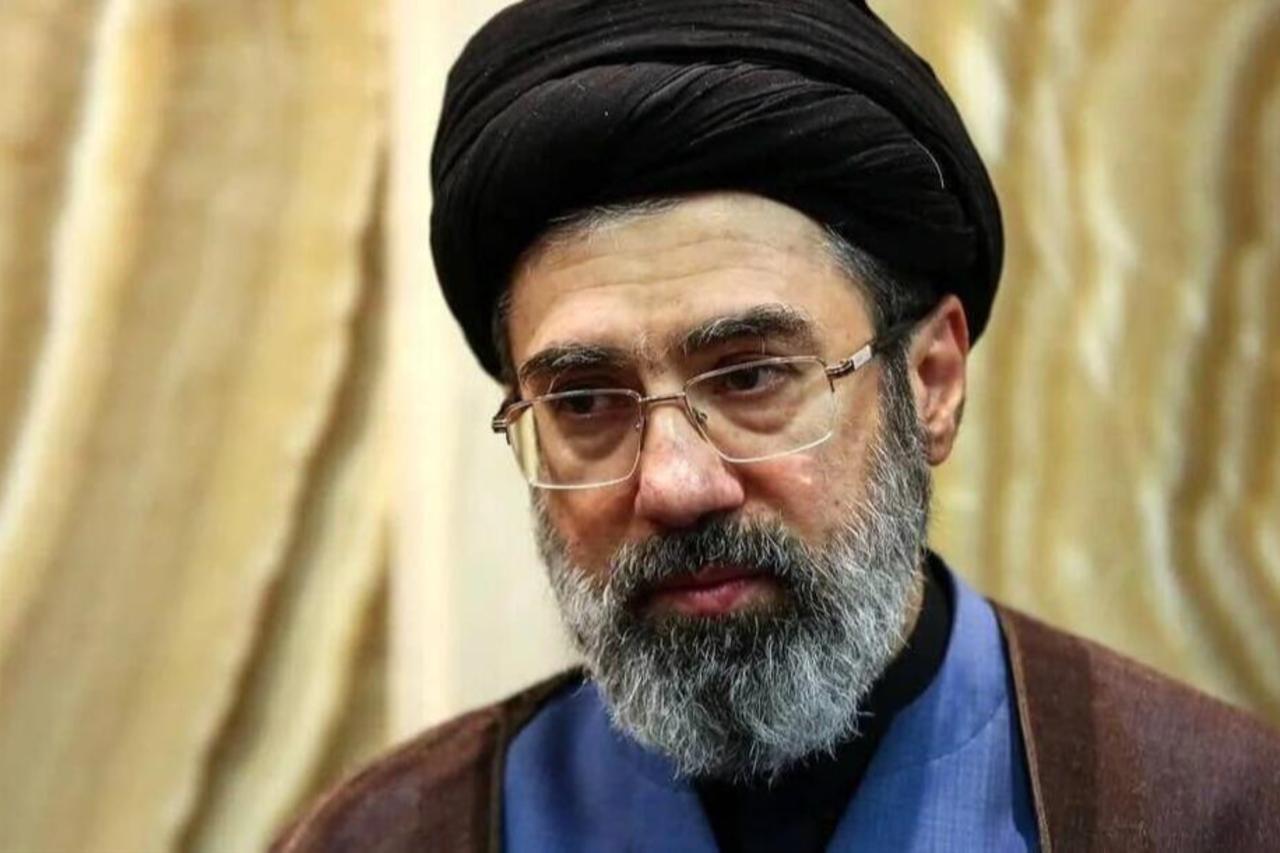


A member of Iran's Assembly of Experts publicly declared Sunday that the majority of the body's members favor Mojtaba Khamenei, son of the late Supreme Leader Ali Khamenei, as the next leader of the Islamic Republic, marking the first time an assembly member has openly addressed the succession question.
Asgar Dirbaz, a member of the Assembly of Experts, told the Mehr News Agency that the body has effectively converged on a choice despite no official decision being announced. "The majority's opinion is in favor of the son of His Eminence," Dirbaz said, referring to Mojtaba Khamenei.
Dirbaz also suggested that external pressures were aimed at disrupting the assembly's work, saying "the enemy is trying to disrupt a majority in-person meeting of the Assembly of Experts by attacks, but the members of the Assembly of Experts have practically reached an option."


The Assembly of Experts is an 88-member elected body of senior clerics enshrined in Iran's constitution with the exclusive authority to appoint, supervise, and, if necessary, dismiss the supreme leader.
The position of supreme leader sits at the apex of Iran's political system, holding ultimate authority over the judiciary, military, and major policy decisions. Since the 1979 Islamic Revolution, only two men have held the post: the republic's founder, Ruhollah Khomeini, and his successor, Ali Khamenei.
Mojtaba Khamenei has maintained a low public profile for most of his career, operating largely behind the scenes within Iran's clerical and political establishment.
He has been widely reported to wield significant informal influence, particularly over key security and intelligence networks, though he has never held a formal government or military title. His potential elevation would represent a dynastic turn in a republic that was founded in opposition to monarchy.
No formal vote or announcement has been issued by the Assembly of Experts, and it remains unclear when the body might convene for an official decision. Dirbaz's remarks, however, represent a significant departure from the assembly's traditionally opaque deliberations and suggest the succession process may be further along than previously understood.


 Set as preferred source
 Set as preferred source


 1 min read
 1 min read