Newsletters


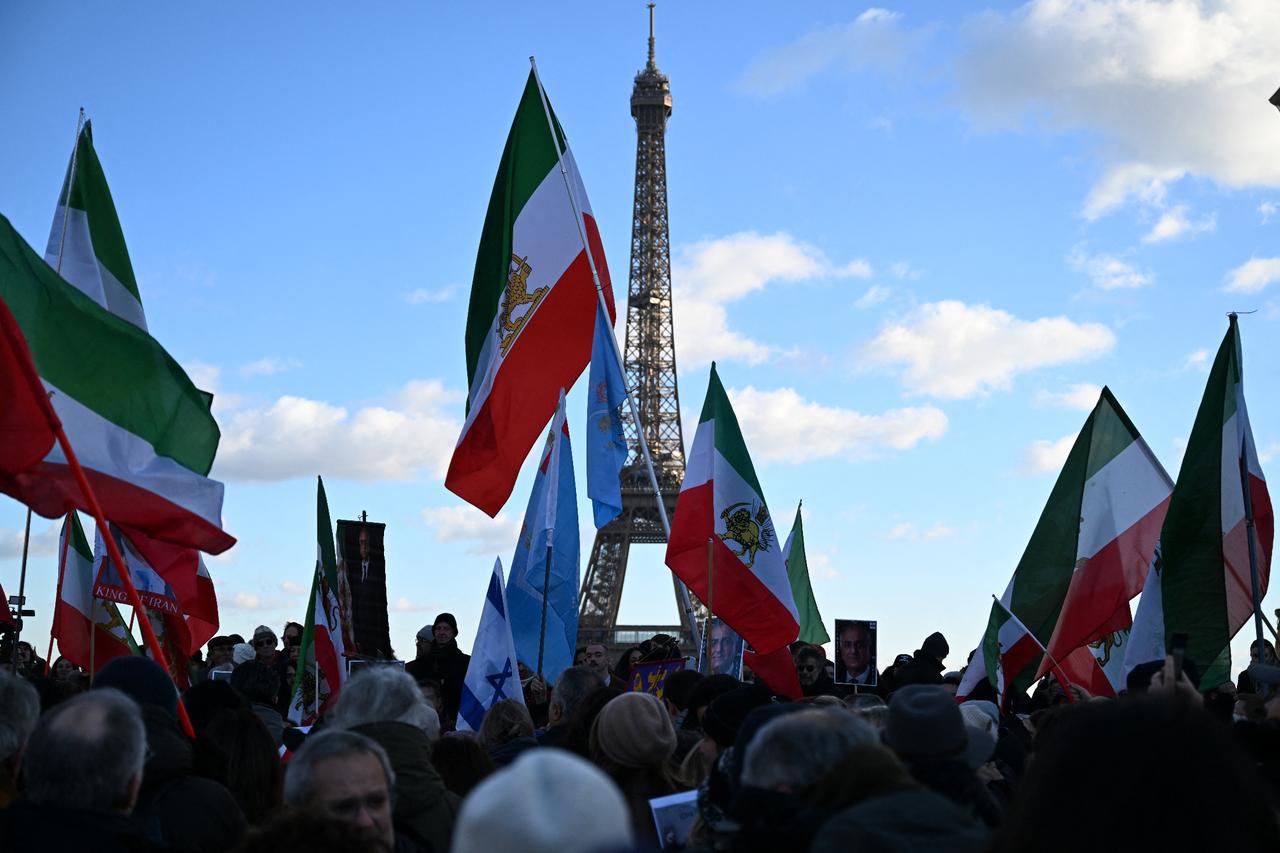


Iran accused Israel on Monday of attempting to undermine its national unity as protests spread across the country, triggered by economic hardship and accompanied by a security crackdown.
Foreign Ministry spokesman Esmail Baqaei said Israel was seeking to exploit unrest to sow division, following statements by Israeli Prime Minister Benjamin Netanyahu expressing support for protests in Iran.
“The Zionist regime is determined to exploit the slightest opportunity to sow division and undermine our national unity,” Baqaei said at a weekly press conference, also accusing Israeli and US leaders of “incitement to violence.”
Iranian authorities said a person was detained in Tehran on suspicion of working with Israel’s intelligence service.
Police released footage of the arrest but did not disclose the suspect’s name.
Officials alleged the individual worked for Israel’s Mossad in exchange for money and had been involved in provoking protests.
Iranian authorities said that during last year’s 12-day conflict triggered by Israeli strikes in June, over 21,000 suspects were detained nationwide.
Among them, 261 were arrested on espionage charges and 172 for unauthorized filming.
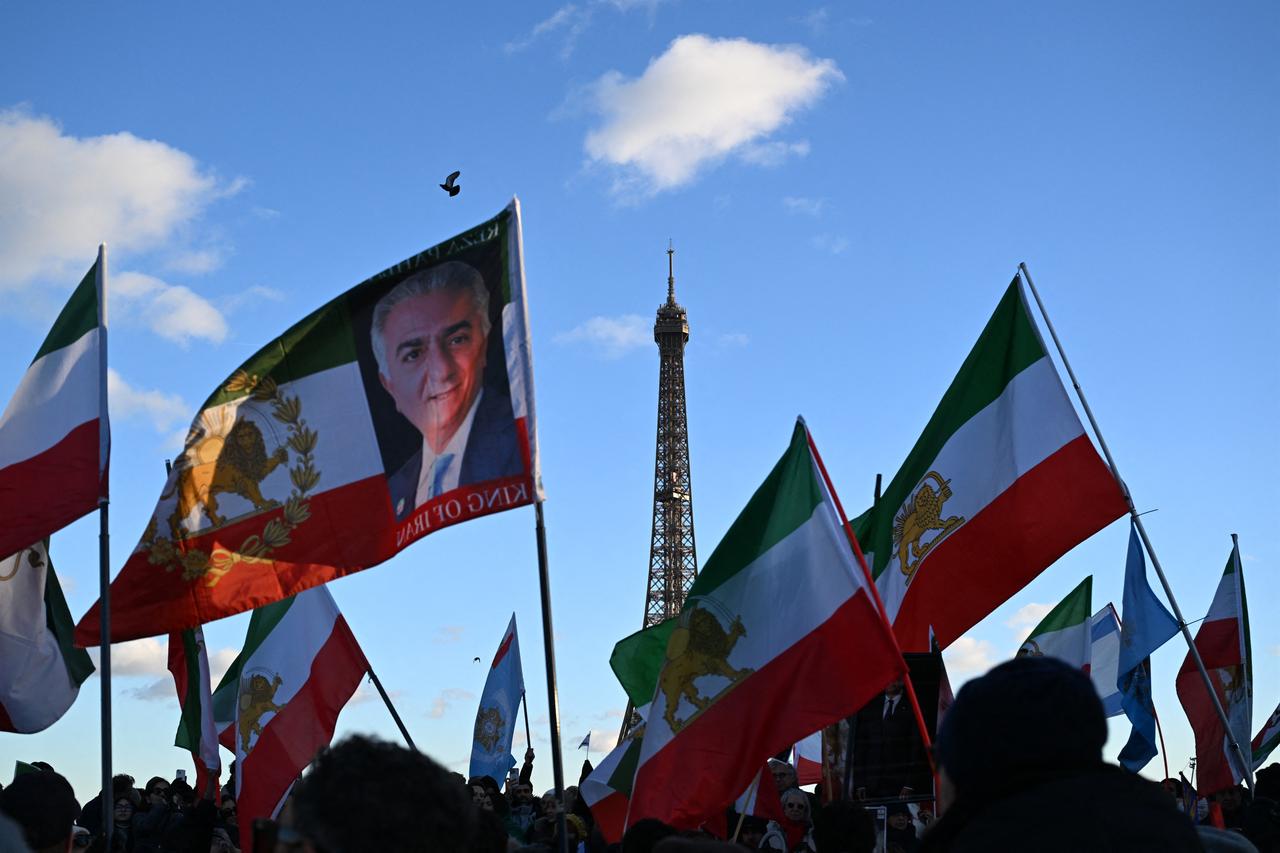

Protests began on Dec. 28, 2025, after the national currency sharply lost value against foreign currencies and economic conditions worsened.
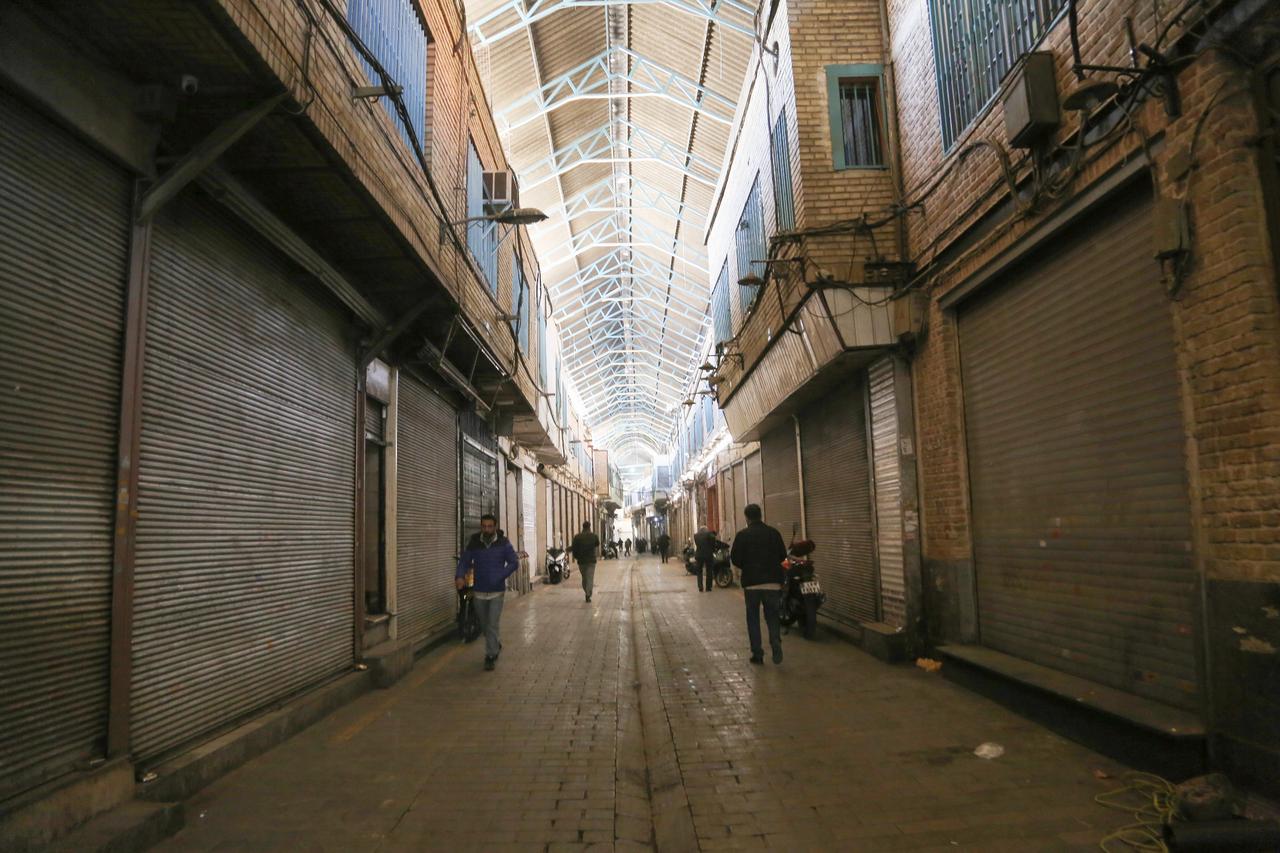
Initially sparked by merchants at Tehran’s Grand Bazaar, demonstrations spread to many cities.
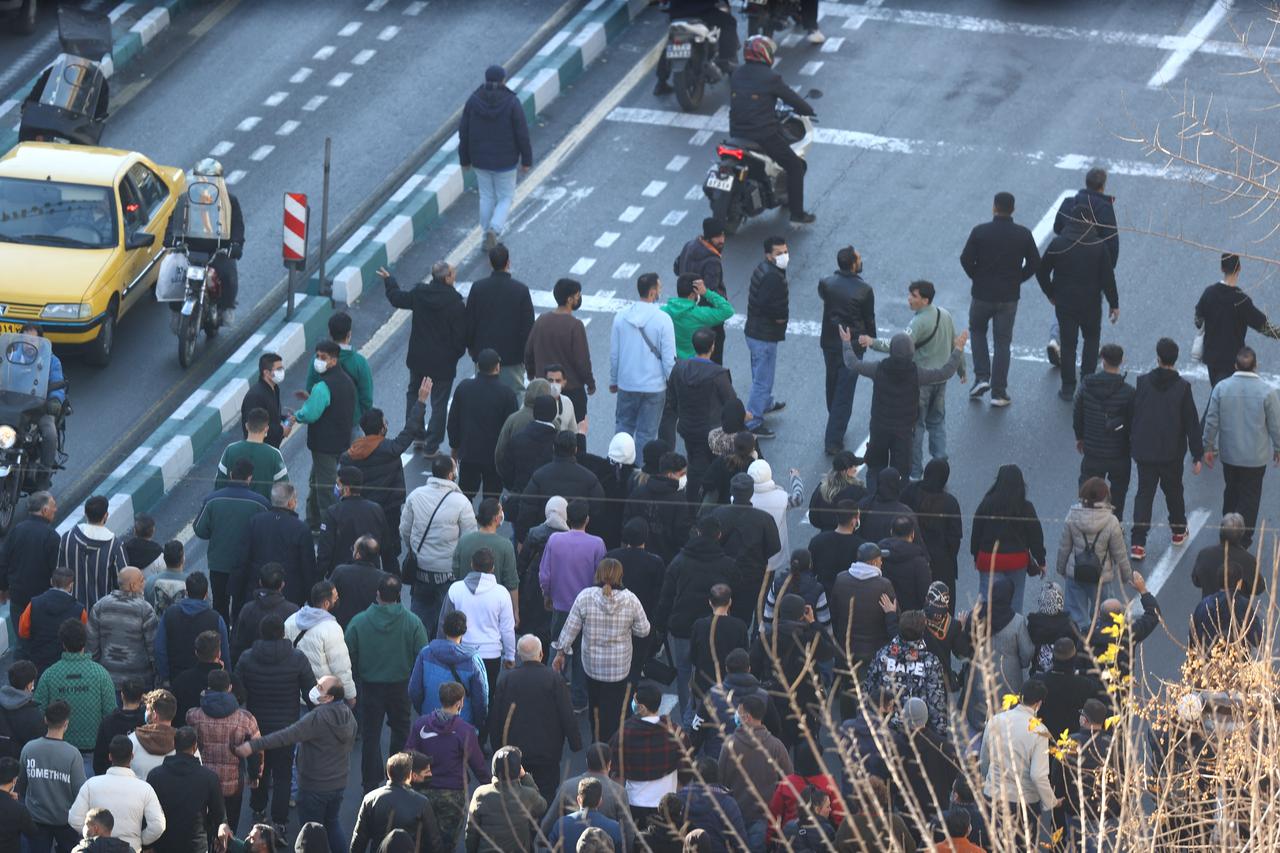
According to the Human Rights Activists News Agency (HRANA), protests entered their eighth day and spread to at least 222 locations in 78 cities across 26 provinces, including street protests, labor strikes, and university-led actions.
At least 20 people, including one security officer, were killed, HRANA reported.
At least 51 others were injured, mostly by pellets and plastic bullets fired by security forces. Those killed included students, laborers and civilians aged between 16 and 45.
Nearly 990 people were arrested, including students, civil society members and more than a dozen minors aged 15 to 17.
Arrests were reported in cities including Yazd, Isfahan, Kermanshah, Shiraz and Behbahan.
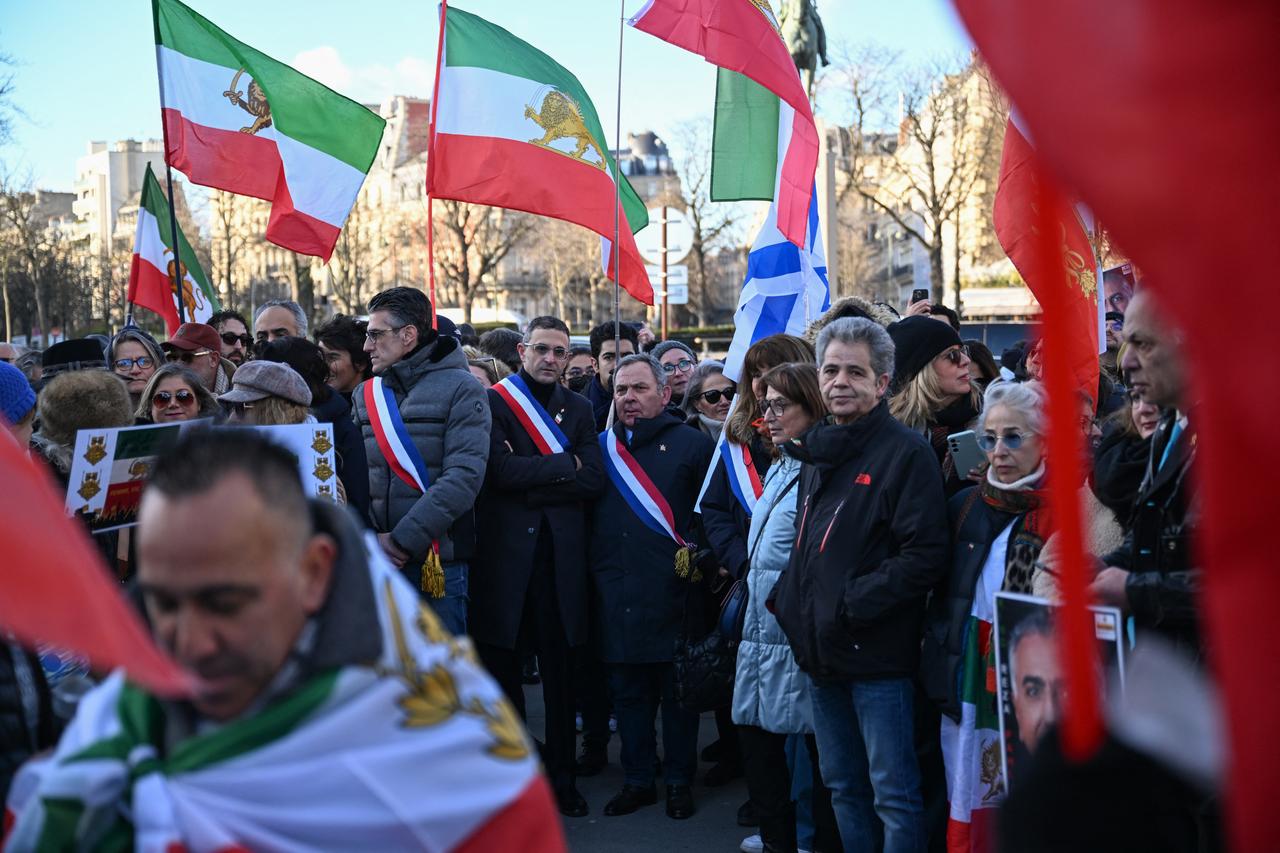
Iran’s Police Chief Ahmadreza Radan said “targeted arrests of protest leaders” had begun, accusing detainees of incitement and receiving foreign currency.
Other officials blamed foreign interference for the unrest.
Fars News Agency reported that 250 police officers and 45 Basij militia members were injured during the demonstrations.
Some civil society groups voiced support for protesters.
The Workers’ House of Iran said citizens had a legitimate right to protest economic conditions, while teacher associations and bar groups cited inflation and policy failures as root causes.
International reactions followed. The European Union’s External Action Service expressed concern over reports of deaths and injuries, urging Iranian authorities to exercise restraint and address grievances through dialogue.
Amnesty International Australia called for an immediate halt to violence and the release of political prisoners.
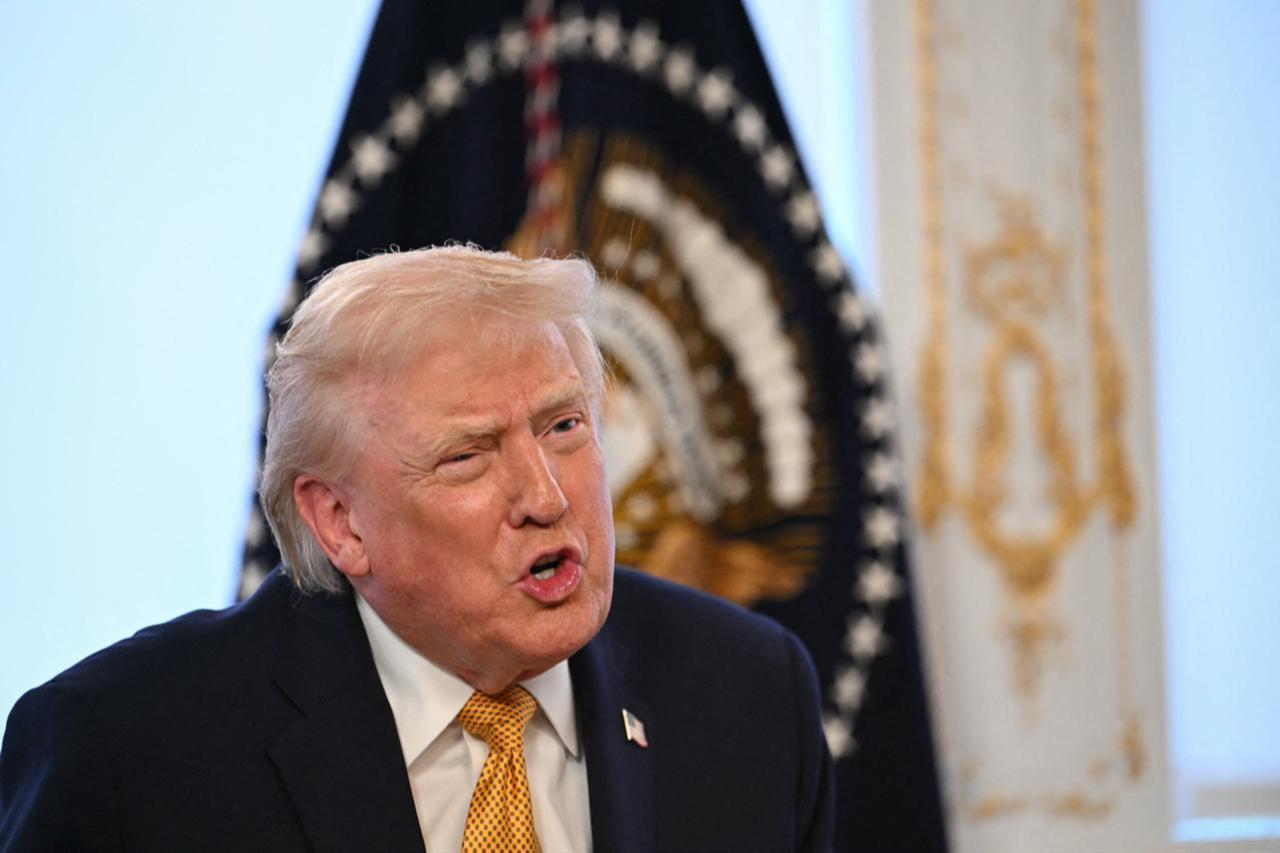
US President Donald Trump said on Jan. 2 that the United States would come to the aid of protesters if Iran used lethal force, repeating the warning on Jan. 4 and saying Washington was closely monitoring developments.
Iranian authorities have not issued official casualty figures related to the protests.


 Set as preferred source
 Set as preferred source


 1 min read
 1 min read