Newsletters


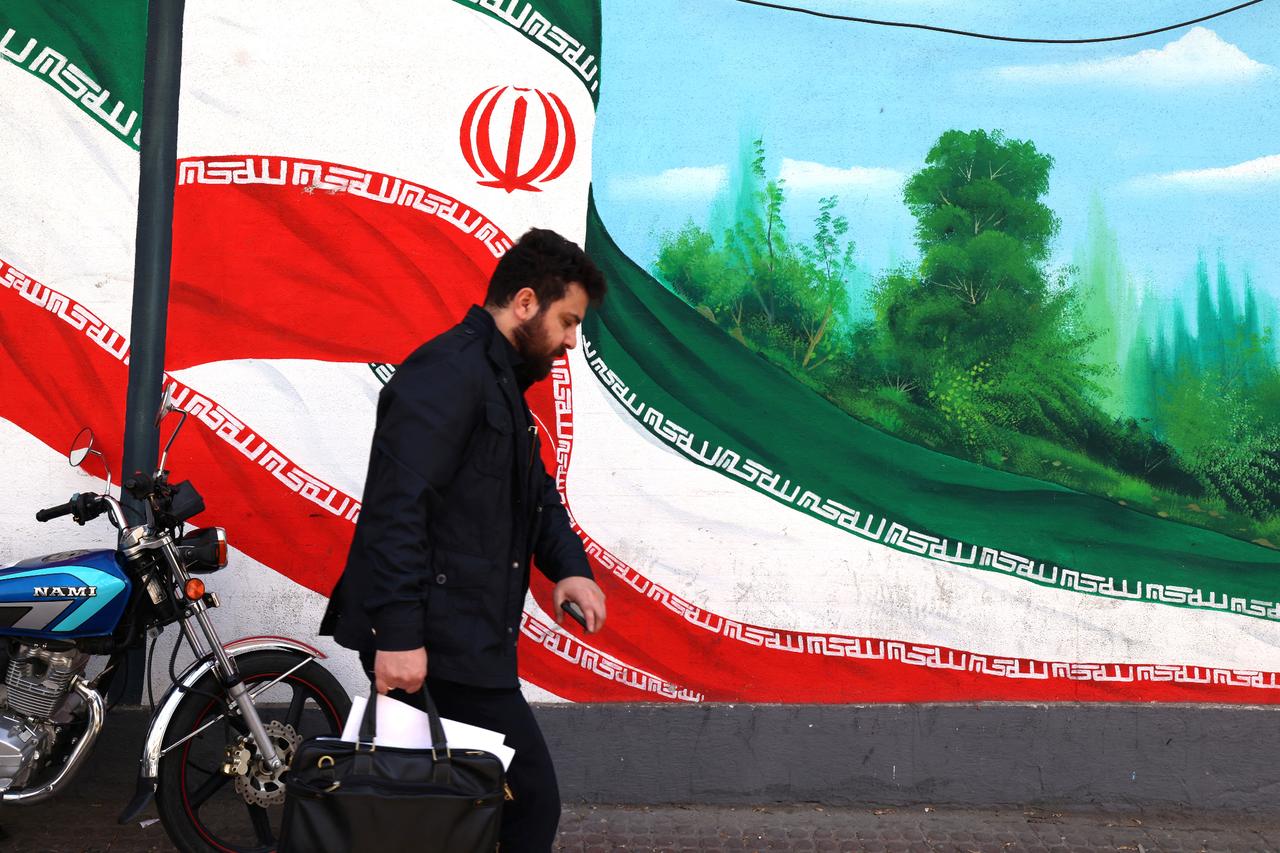


Joint Chiefs Chairman Gen. Dan Caine has been advising President Donald Trump and senior officials that a military campaign against Iran could carry significant risks, including the possibility of becoming entangled in a prolonged conflict, Axios reported, citing sources familiar with internal discussions.
According to the report, there is an ongoing debate within the Trump administration over how to handle the standoff with Iran and the consequences of each option.
Several voices in Trump’s circle are urging caution, though some sources believe the president is leaning toward a strike.
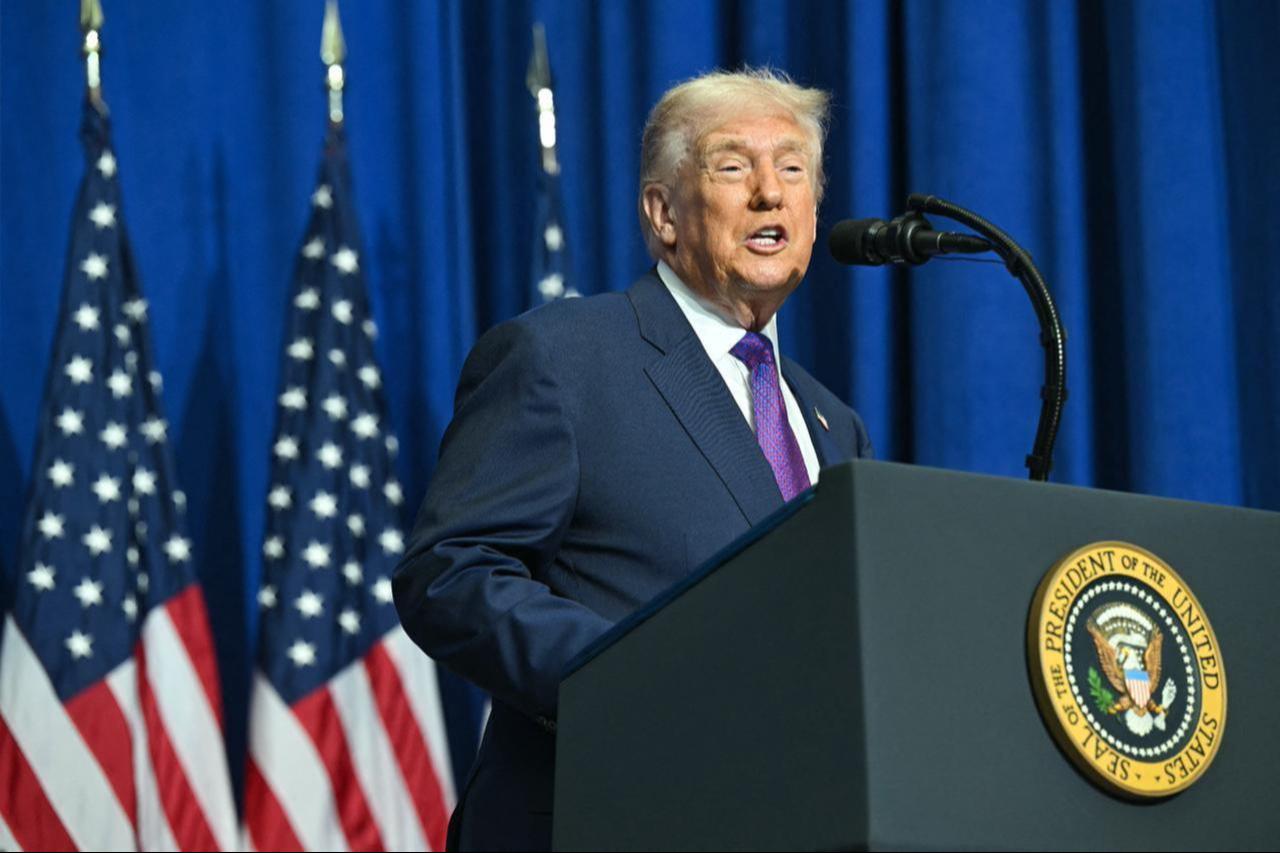

Axios reported that a key question in the discussions is what success would look like in military action and how risky it would be to achieve it. Reaching a nuclear deal, on the other hand, could require walking back some of Trump’s previous red lines.
As Trump considers whether and how to attack Iran, his envoys Jared Kushner and Steve Witkoff have urged him to hold off and give diplomacy more time. Their position is based on conversations with multiple sources who have participated in or been briefed on high-level meetings.
Caine’s stance is seen as particularly influential because he is Trump’s top military adviser and is highly respected by the president. According to the report, no one is advocating for an invasion or “boots on the ground” operation.
A U.S. official told Axios that Trump has empowered a small group to develop options on Iran that maximize leverage and minimize risk.
 1 min read
While Caine strongly supported planning for an operation to capture Nicolas Maduro in Venezuela, two sources described him as more cautious regarding Iran, calling him a “reluctant warrior” in this context. They said he views the stakes as higher, with greater risks of entanglement and U.S. casualties.
One source said Caine is not advocating for a strike but would support and execute any decision Trump makes. Another source said he is not skeptical of military action but is “clear-eyed and realistic” about the chances of success and potential consequences. A senior official denied that Caine expressed skepticism.
Joint Staff spokesperson Joe Holstead told Axios that the chairman provides a range of military options and associated risks confidentially to civilian leaders.
White House spokeswoman Anna Kelly said in a written statement that Caine is a “talented and highly-valued” member of Trump’s national security team and that the president listens to various opinions before making decisions in the interest of U.S. national security.
Axios reported that Caine has been the only military leader briefing Trump in recent weeks on Iran. CENTCOM commander Adm. Brad Cooper has not been invited to the meetings and has not spoken with the president since the crisis began in early January, according to a senior administration official.
Vice President JD Vance has also raised concerns about entanglement during internal deliberations.
One source said Vance is not opposed to a strike but has questioned the risks and complexity of such an operation. He hopes upcoming talks in Geneva could lead to a diplomatic breakthrough, though he is not optimistic.
Secretary of State Marco Rubio has not strongly advocated either for or against a strike, according to two sources. Historically hawkish on Iran, Rubio has recently focused more on Venezuela and Cuba.
Witkoff and Kushner are planning to meet Iranian Foreign Minister Abbas Araghchi in Geneva. They have advised Trump that time may strengthen his position and that he should explore diplomatic options before taking military action.
One source said Trump has leaned toward launching a strike for several days but agreed to allow more time for negotiations. Another said the president wants to ensure all avenues are exhausted.
Sen. Lindsey Graham is among the strongest advocates for military action in Trump’s extended circle. He told Axios that many advisers are counseling against bombing Iran and urged the president to proceed with a strike during a recent phone call.
According to the report, Israeli Prime Minister Benjamin Netanyahu is also advocating for strikes and has expressed concern that the U.S. could stand down. A U.S. source who met Netanyahu said he left a recent meeting with Trump questioning whether the president remained aligned with his position.
A senior administration official told Axios that the decision to strike, and if so when and how, has not been made.
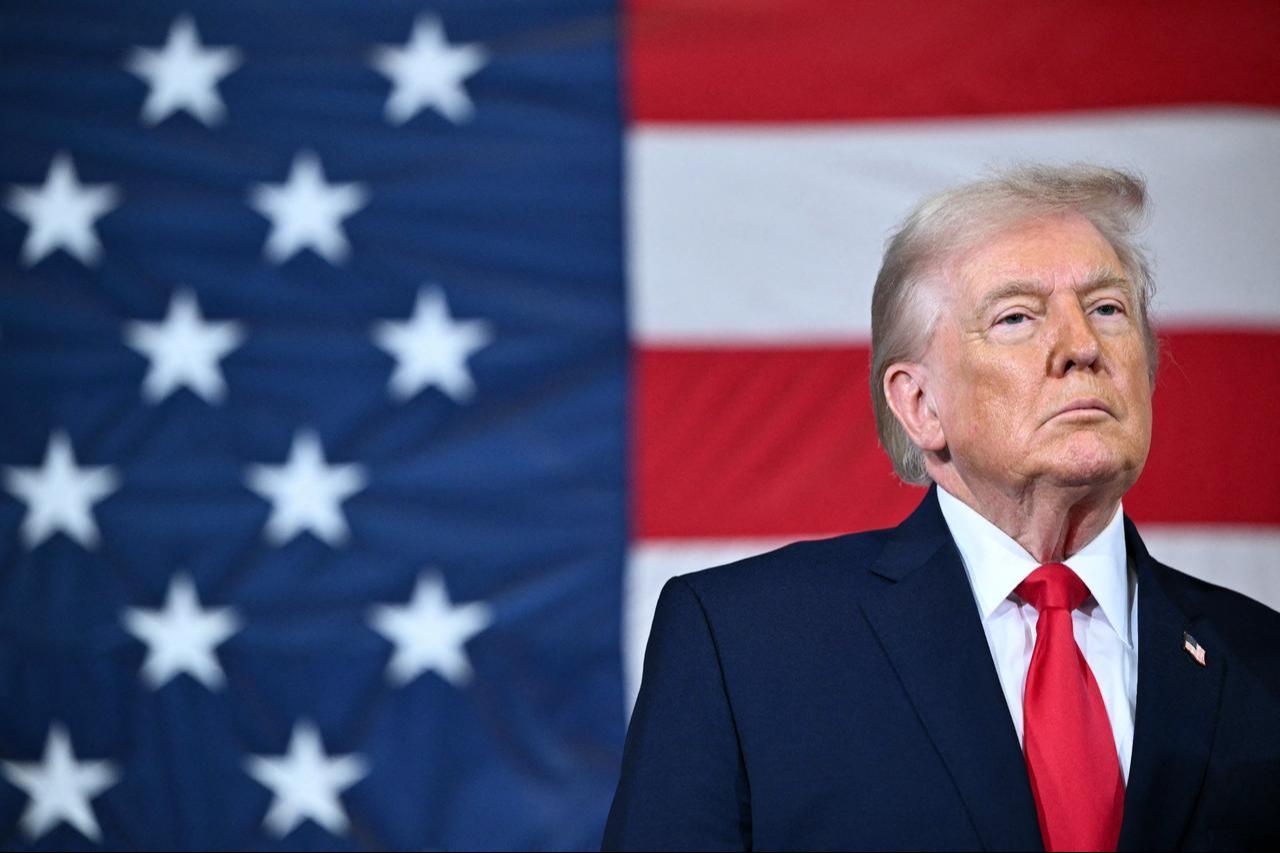
In a post on Truth Social, President Donald Trump dismissed media reports claiming that Gen. Daniel Caine opposes military action against Iran, calling them “100% incorrect” and accusing the “Fake News Media” of spreading false stories without sources.
Trump said Caine, whom he referred to as “Razin,” would prefer to avoid war but believes that if a military decision is made, it would be “easily won.”
He added that Caine previously led “Midnight Hammer,” describing it as an attack on Iran’s nuclear development that he said was “blown to smithereens” by U.S. B-2 bombers.
Trump wrote that Caine “has not spoken of not doing Iran” and stressed that he alone makes the decision on whether to pursue military action. He said he would prefer reaching a deal, but warned that without one, “it will be a very bad day for that Country and, very sadly, its people.”


 Set as preferred source
 Set as preferred source


 1 min read