Newsletters


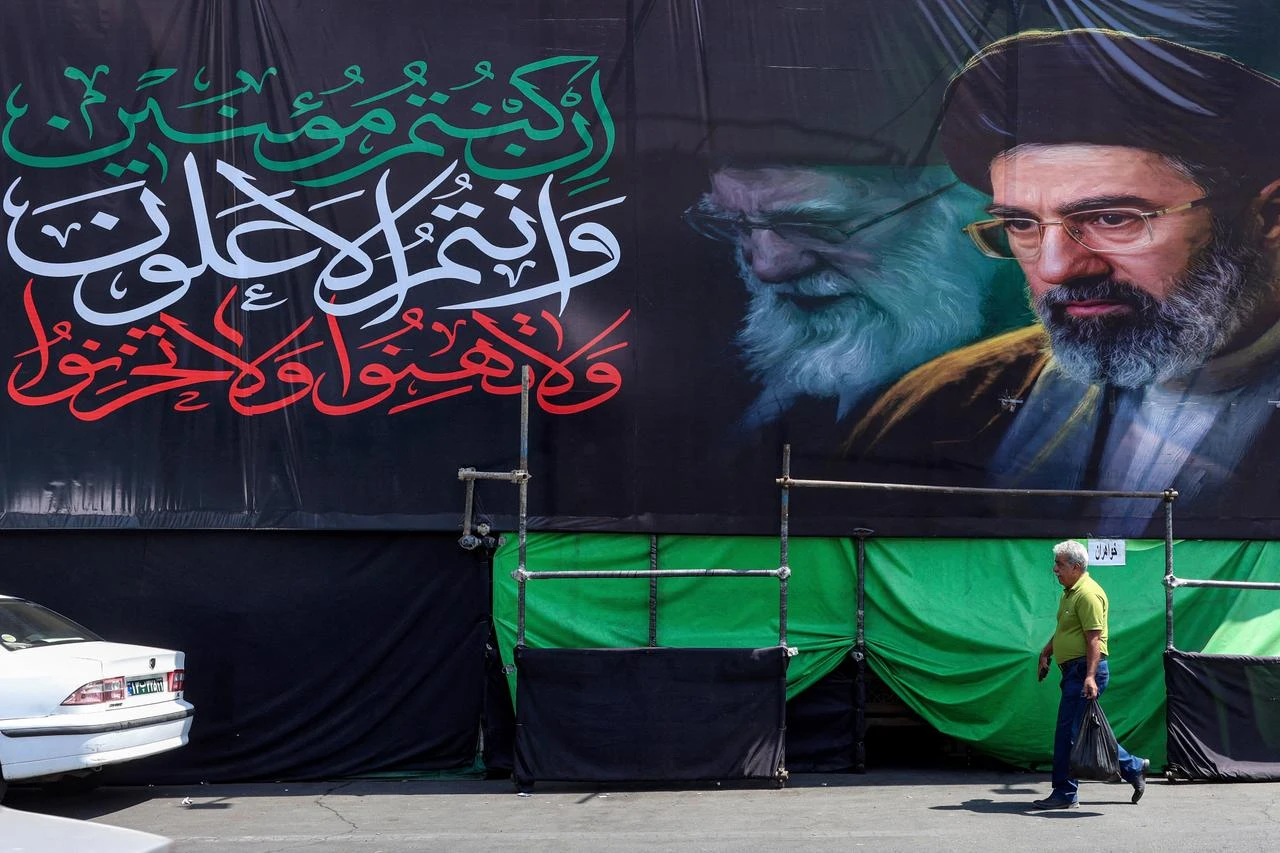


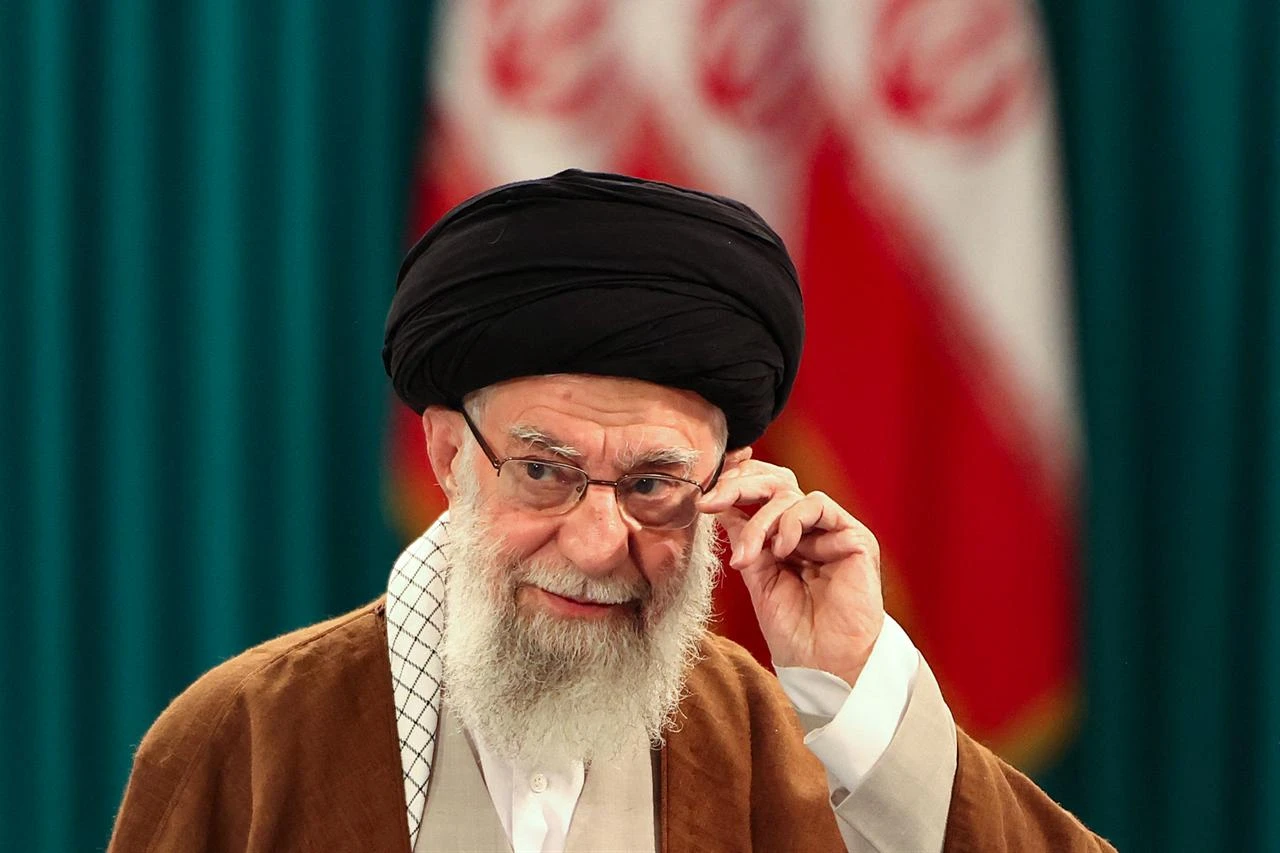
Iran's chief negotiator, Mohammad Bagher Ghalibaf, called Thursday for a massive turnout at the funeral of former Supreme Leader Ali Khamenei, saying the ceremonies should amplify Iran's demand for vengeance over his killing in U.S.-Israeli strikes.
"I invite all the Iranian people ... to write a glorious page in the history of Islamic Iran through your presence" at the funeral ceremonies beginning Saturday, Ghalibaf said in a statement.
"The nation's call for vengeance must ring in the ears of the whole world," he added.
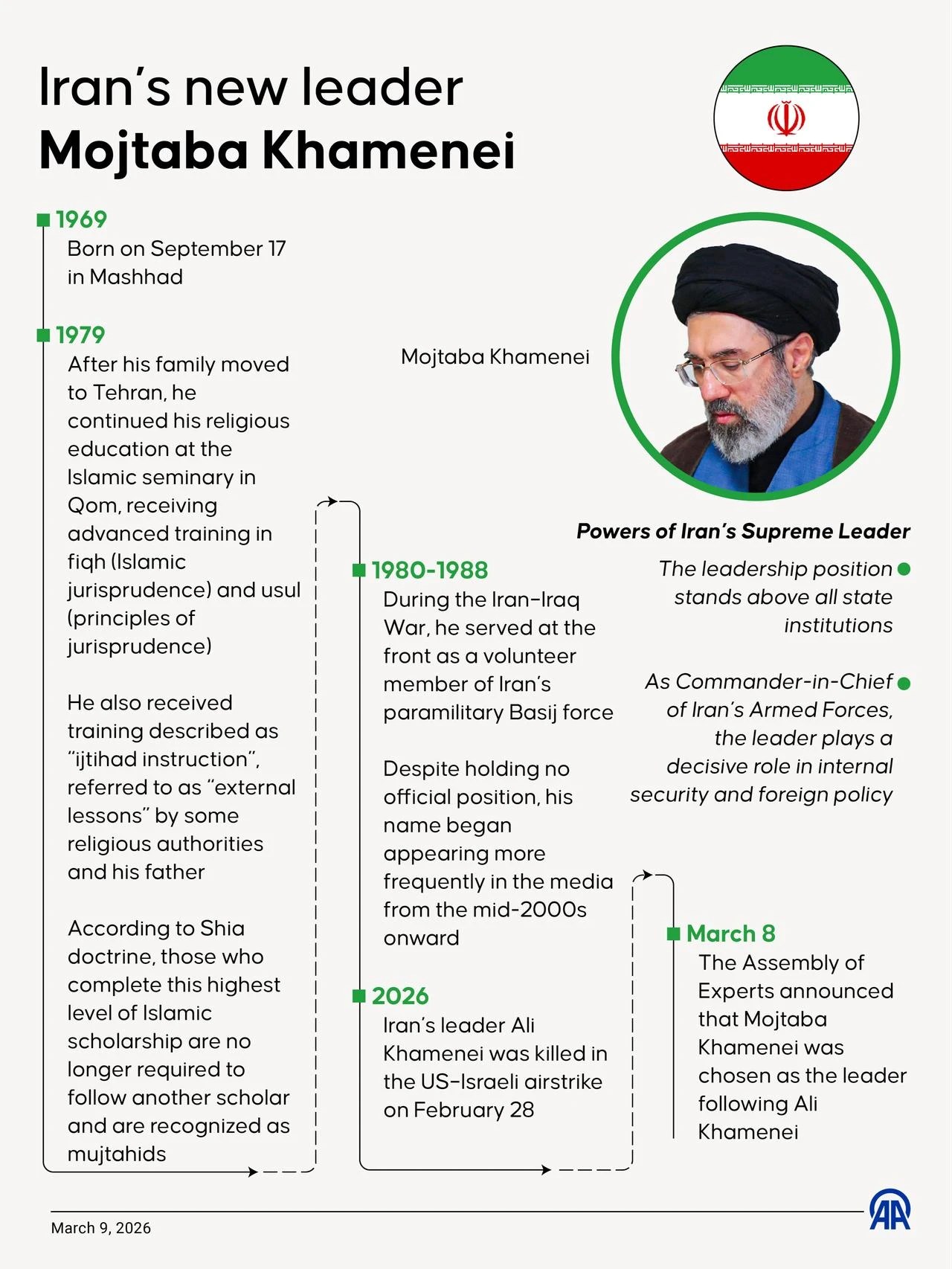
Khamenei, 86, was killed at his compound in central Tehran on Feb. 28, the first day of the war. Power was swiftly transferred to his son, Mojtaba Khamenei.
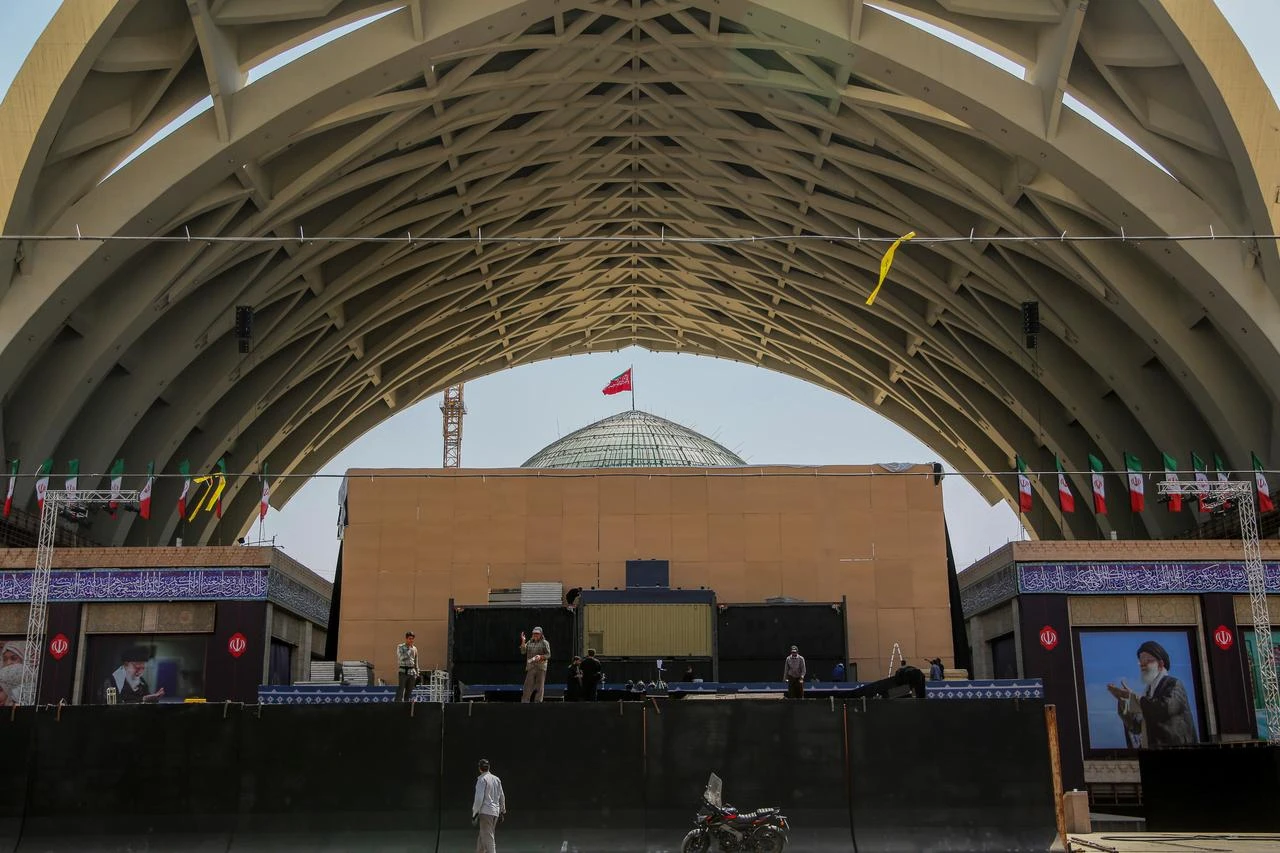
Preparations were underway at the Mosalla Mosque, Tehran's main prayer site, for the public funeral ceremonies.
A large platform was installed in the mosque courtyard to hold Khamenei's coffin and those of other officials killed in the same attack, according to an Anadolu correspondent.
Concrete blocks were placed around the platform, with strict restrictions imposed on access to the site. A cooling system was also installed in the courtyard to reduce the effects of high temperatures on participants.
An official international memorial ceremony is scheduled for Friday, with heads of state, senior officials and religious leaders expected to attend.
Public funeral ceremonies are due to begin Saturday, with mourners gathering from 6 a.m. local time at the Mosalla Mosque to observe a minute of silence and offer condolences.
Authorities plan to bury Khamenei on July 9 at the Imam Reza shrine in Mashhad, his birthplace.

The next round of indirect talks between the United States and Iran will take place after Khamenei's funeral processions, mediators said Thursday.
Following separate discussions with U.S. and Iranian negotiators in Doha on Wednesday, Qatar and Pakistan reported progress in efforts to implement a memorandum of understanding aimed at ending the Middle East war.
"Qatari and Pakistani mediators concluded separate meetings with the U.S. and Iranian negotiators in Doha, with positive progress made," Pakistan said.
Islamabad said both sides agreed to continue talks, "with the next meeting to be set at the earliest possible time following the funeral processions of the former Iranian supreme leader."
The memorandum, reached June 17 and entering into force the following day, provides a framework for ending hostilities and addressing outstanding issues through negotiations.
It covers sanctions relief, Iran's nuclear program, the reopening of the Strait of Hormuz, the Lebanon conflict and broader regional security arrangements.
Iranian Deputy Foreign Minister Kazem Gharibabadi, who led Tehran's delegation, said Wednesday's talks ended with an agreement to establish a communications channel to report and record alleged violations of the memorandum.
Iran insisted that there were no direct negotiations with the United States in Doha.
Foreign Ministry spokesperson Esmaeil Baqaei said Tehran had "no plans for negotiations with the American side at any level over the coming days."
The lower-level discussions were focused on implementing the memorandum and were intended to "build on the progress made at the Lake Lucerne Summit," a diplomat told Agence France-Presse (AFP) on condition of anonymity.
U.S. President Donald Trump said Wednesday that "the denuclearization of Iran is moving along well."
"We hit them very hard ... but we're getting along very well," he added.
Gharibabadi said the talks also covered frozen Iranian assets, whose release Tehran has demanded as part of any settlement.
He said officials reviewed the use of part of an initial $6 billion and agreed that goods needed by Iran would be purchased and made available.
U.S. envoys Jared Kushner and Steve Witkoff did not participate in the technical talks. They met Qatari Prime Minister Sheikh Mohammed bin Abdulrahman Al Thani on Tuesday and Emir Sheikh Tamim bin Hamad Al Thani on Wednesday.
Iranian Foreign Minister Abbas Araghchi warned Wednesday that any threat against the Iranian people or leadership "will receive an immediate powerful response."
"The terms of the Islamabad MoU are crystal clear and public for all to see," Araghchi wrote on X.
Trump "has committed the U.S. to muzzling its pets in Tel Aviv," he said. "If they ignore their master, Iran will school them."
Araghchi posted the remarks alongside what appeared to be a screenshot of a report quoting Israeli Defense Minister Israel Katz as saying Supreme Leader Mojtaba Khamenei was "marked for death."
Despite the memorandum, the United States and Iran have exchanged fire in the Gulf.
Tehran targeted a commercial vessel it said had strayed from an Iran-approved route through the Strait of Hormuz. U.S. Central Command later said it struck 10 Iranian military targets.
Iran then targeted U.S. bases in Kuwait and Bahrain, prompting condemnation from both Gulf states.
CENTCOM said Wednesday that it had led a regional security dialogue in Bahrain with defense officials from 12 countries, most of them Gulf states.
"Leaders underscored their shared commitment to the free flow of commerce through the Strait of Hormuz," CENTCOM said on X.
Gharibabadi responded Thursday by saying the strait "is defined under Iran's command, not CENTCOM."
"A military summit in Bahrain cannot establish legal order and security for the Persian Gulf," he said.
"The region's security will be ensured through the end of interventions and the U.S. withdrawal from the area, respect for countries' sovereignty, and acceptance of new geopolitical realities — not under the military umbrella of America."
Ghalibaf said Tuesday that implementation difficulties were inevitable after a war of such scale, particularly where Israel was involved.
"When a war of this magnitude comes to an end ... it is inevitable that there will be implementation challenges, incidents and differences of opinion, especially where parties such as the Israeli regime are concerned," he said.
Fighting between Israel and Hezbollah has also remained relatively limited.
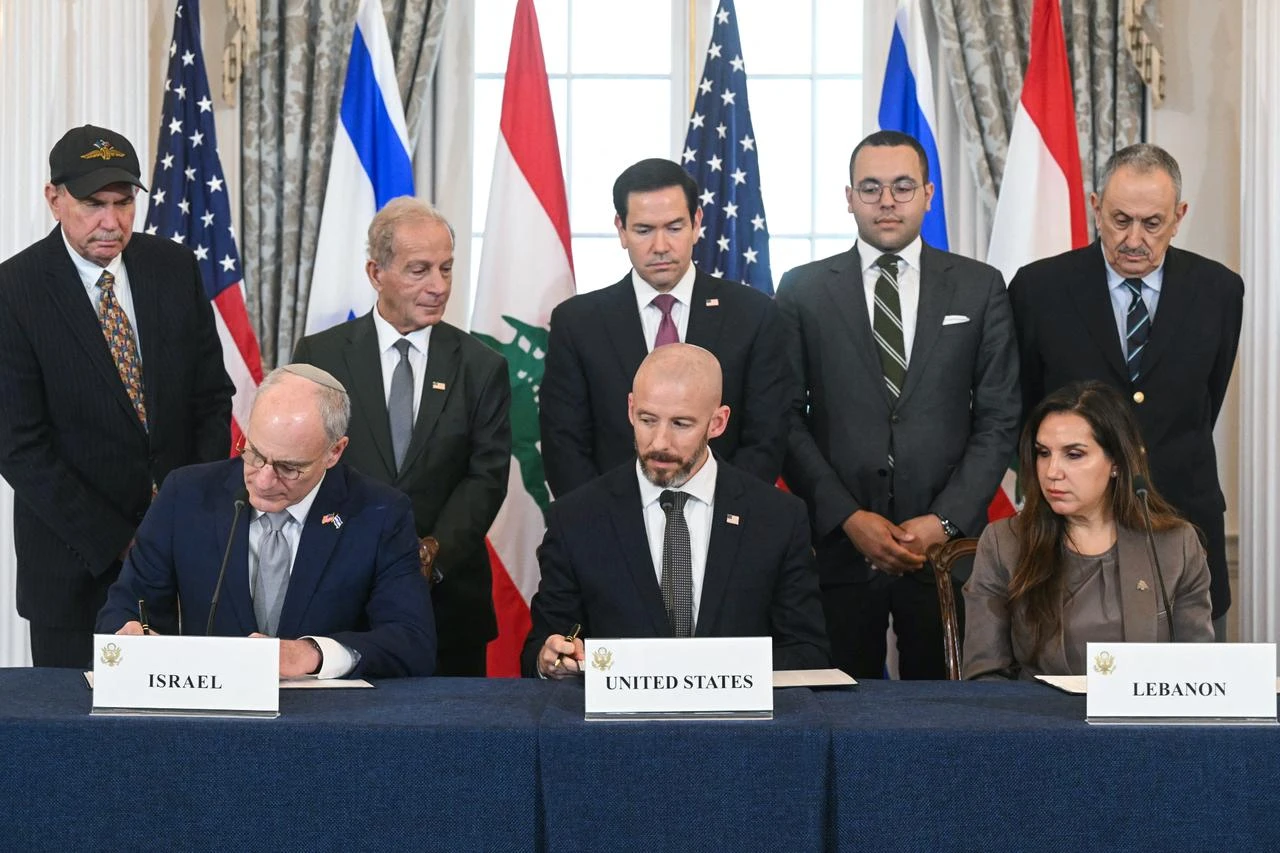
Iran-backed Hezbollah entered the broader Middle East war in March by firing rockets at Israel, triggering Israeli airstrikes and a ground invasion of Lebanon.
Tehran has insisted that any final agreement must include an end to the Lebanon conflict and the withdrawal of Israeli troops from southern Lebanon, parts of which remain under Israeli occupation.


 Set as preferred source
 Set as preferred source


 1 min read
 1 min read