Newsletters




Lebanese Prime Minister Nawaf Salam said Wednesday that a U.S.-sponsored framework with Israel is intended to define the path of negotiations toward a possible deal but is not itself an agreement or treaty.
"The phrase 'framework agreement' causes confusion. We are talking about a guiding framework for negotiations to define their path with the aim of reaching an agreement, not an agreement or treaty," Salam told Lebanon's private broadcaster LBCI.
"We are not enthusiastic for negotiations with Israel, but we reached this stage after two wars that left thousands of victims," he said.
Salam said the first offensive caused more than $7 billion in direct damage, excluding economic losses estimated at around $13 billion.
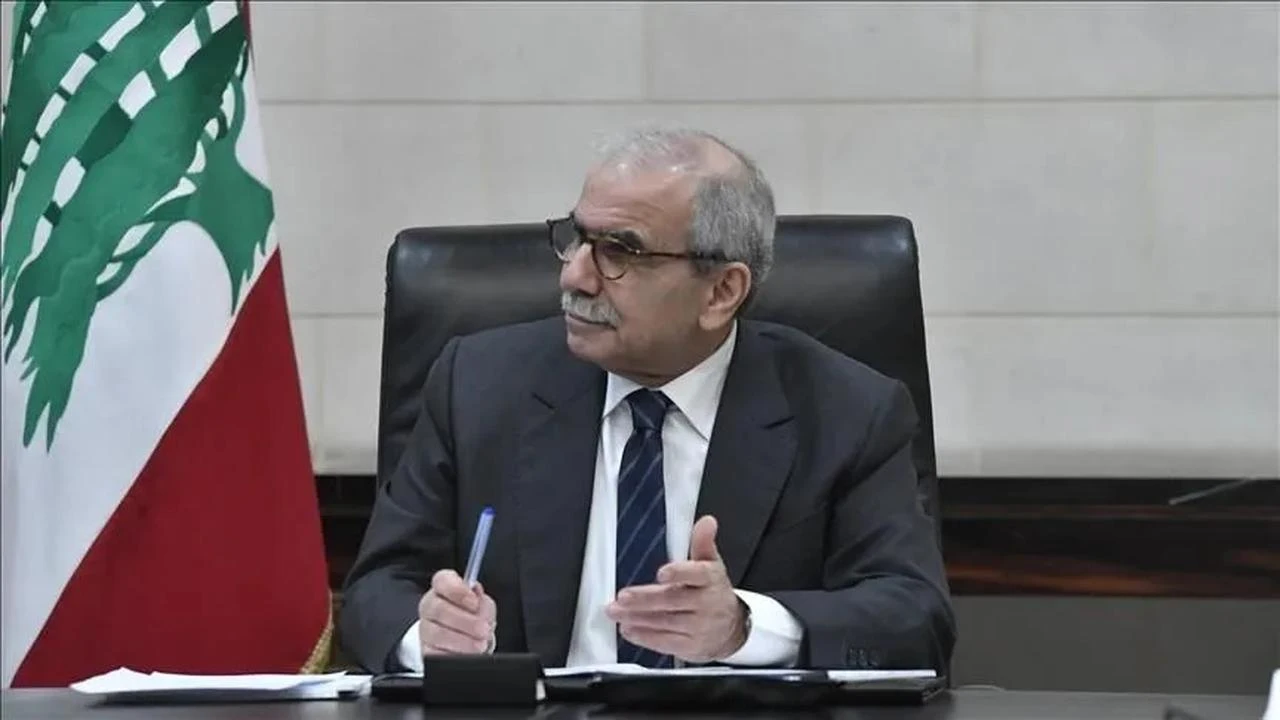

Salam said implementation of the framework should lead to Israel's withdrawal from Lebanon and allow displaced residents to return safely and with dignity to their villages and homes.
"Our goal is the return of southerners to their homes and an end to the killings," he said.
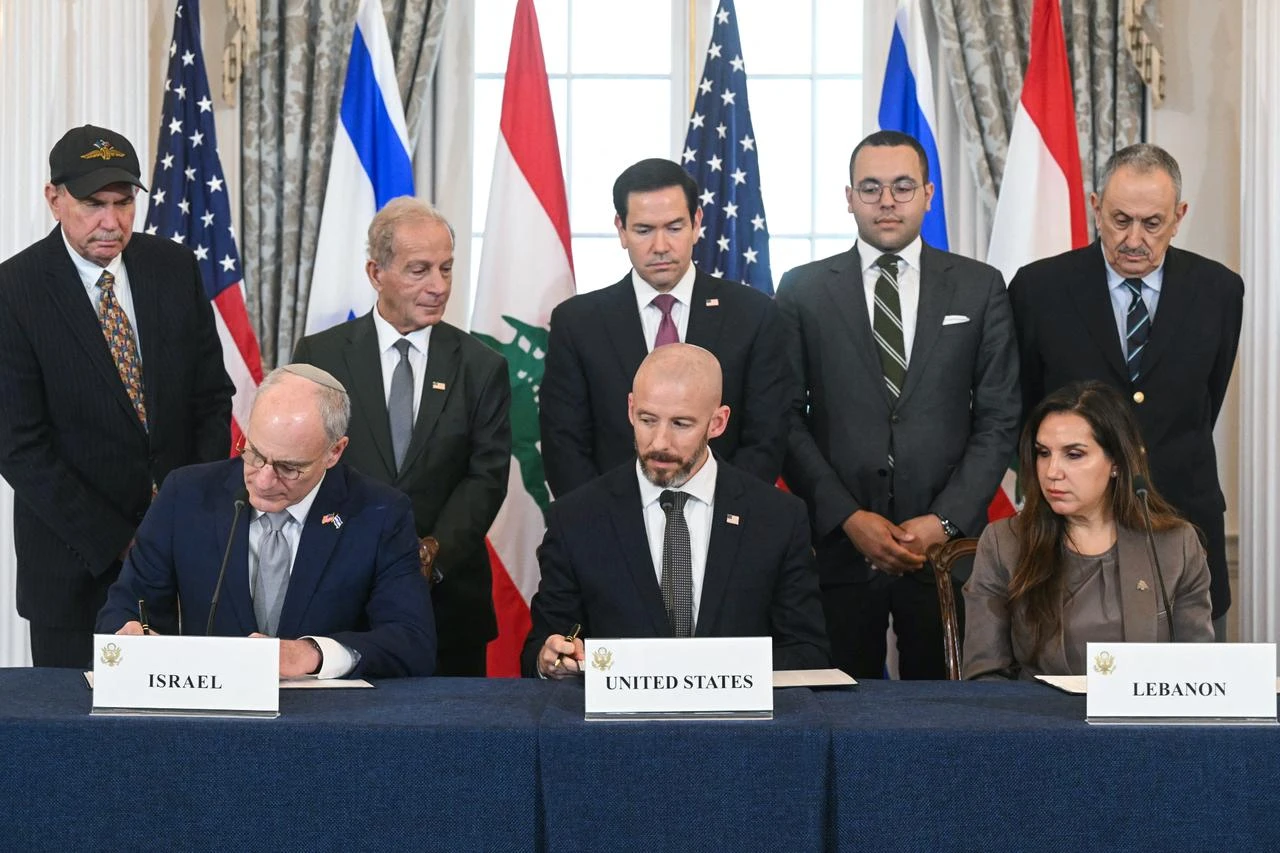
Beirut and Tel Aviv signed a U.S.-sponsored framework on Friday in an effort to facilitate a phased Israeli withdrawal from Lebanese territory and reduce hostilities along the border.
The framework does not set a clear timetable for Israel's withdrawal from the two disputed areas or from all Lebanese territory.
It also links the process to the Lebanese army assuming full responsibility for security in areas vacated by Israeli forces and to the disarmament of all armed groups outside state control, primarily Hezbollah.
Salam said the government did not seek confrontation with Hezbollah but would not abandon its goal of restricting weapons to the state.
"We do not seek confrontation with Hezbollah, and we must seek to prevent armed confrontation with it," he said.
"But we will not submit to blackmail or threats of civil war, and we will not retreat from restricting weapons to the state."
Israel has occupied parts of southern Lebanon for years, some for decades. It also seized additional areas during the 2023-2024 war and advanced more than 10 kilometers, or 6.2 miles, into Lebanese territory during the current offensive.
Since March 2, 2026, Israel's offensive on Lebanon has killed more than 4,000 people, injured over 12,000 and displaced more than 1 million, according to Lebanon's Health Ministry.


 Set as preferred source
 Set as preferred source


 2 min read
 1 min read