Newsletters


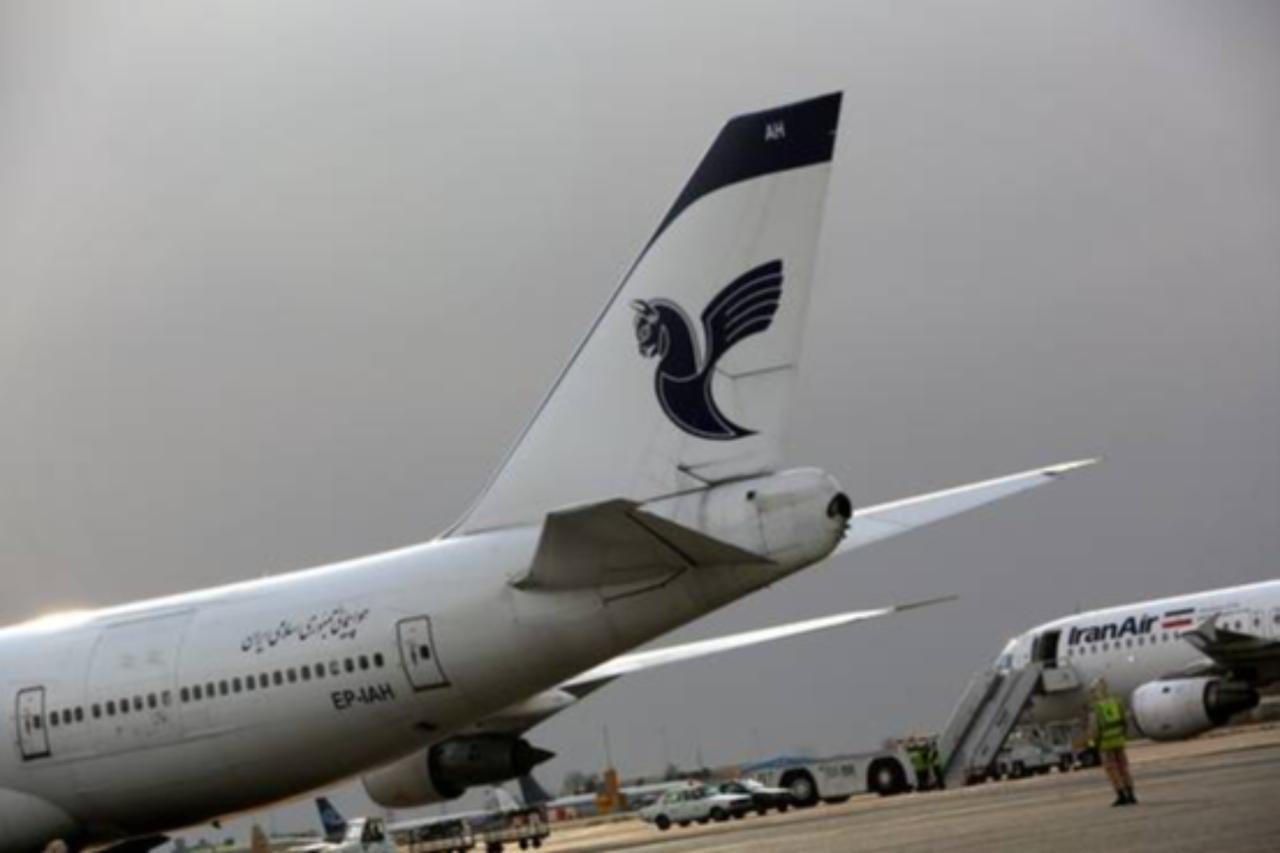


Iran canceled all flights nationwide until further notice on Monday after the country's civil aviation authority issued a notice to air missions (NOTAM), closing western Iranian airspace. The directive was released by Iran's Airports and Air Navigation Company and carried by the country's semi-official Tasnim News Agency.
The notification stated: "Following the issuance of an official aviation notice by the civil aviation authority regarding the closure of the country's western airspace, all flights at airports across the country have been canceled until further notice and will not be carried out."
The statement specified that the Mashhad International Airport was the sole exception, remaining open exclusively for the return of pilgrims.
Flights had already been halted earlier Monday at Tehran's Mehrabad Airport, Mashhad, and airports in western Iran following the mutual strikes between Israel and Iran.
The closure was subsequently expanded to cover all Iranian airports nationwide.
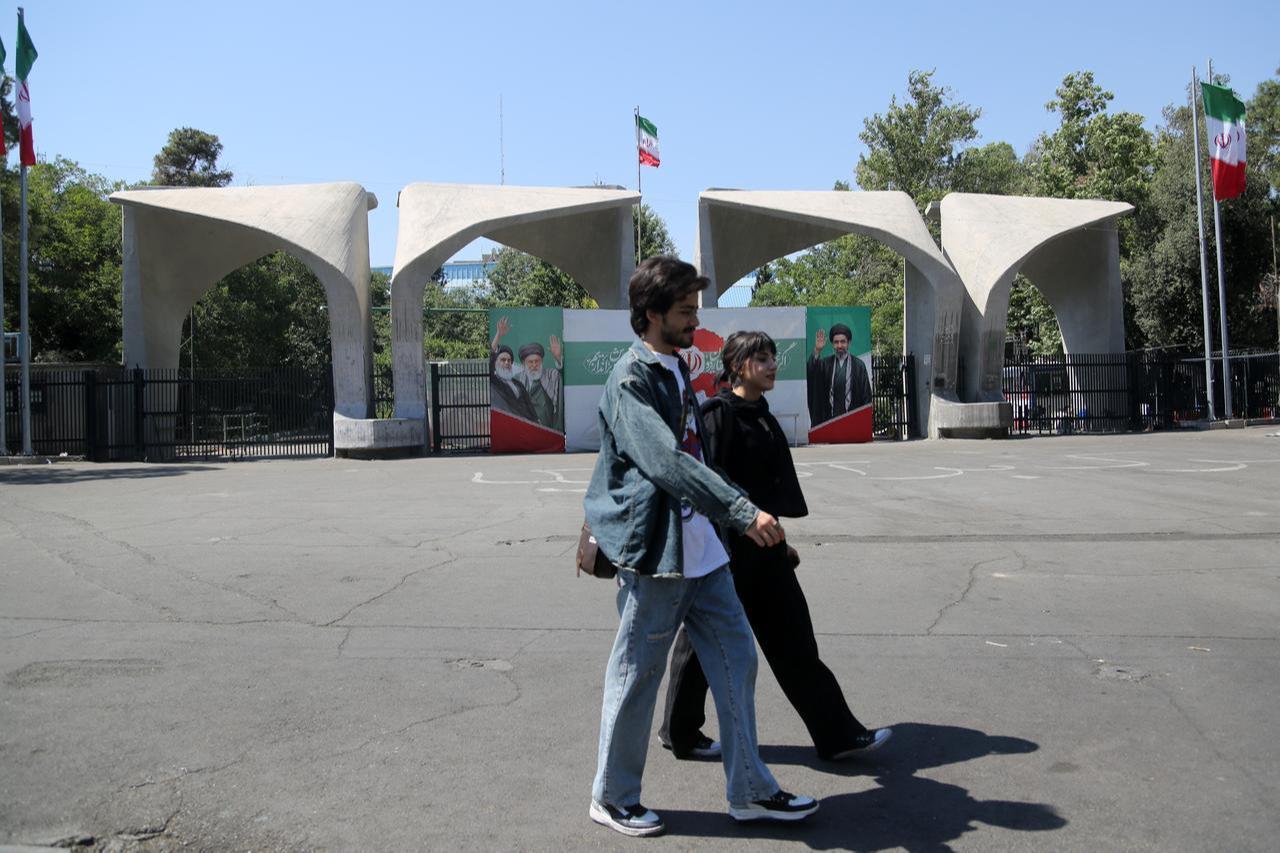

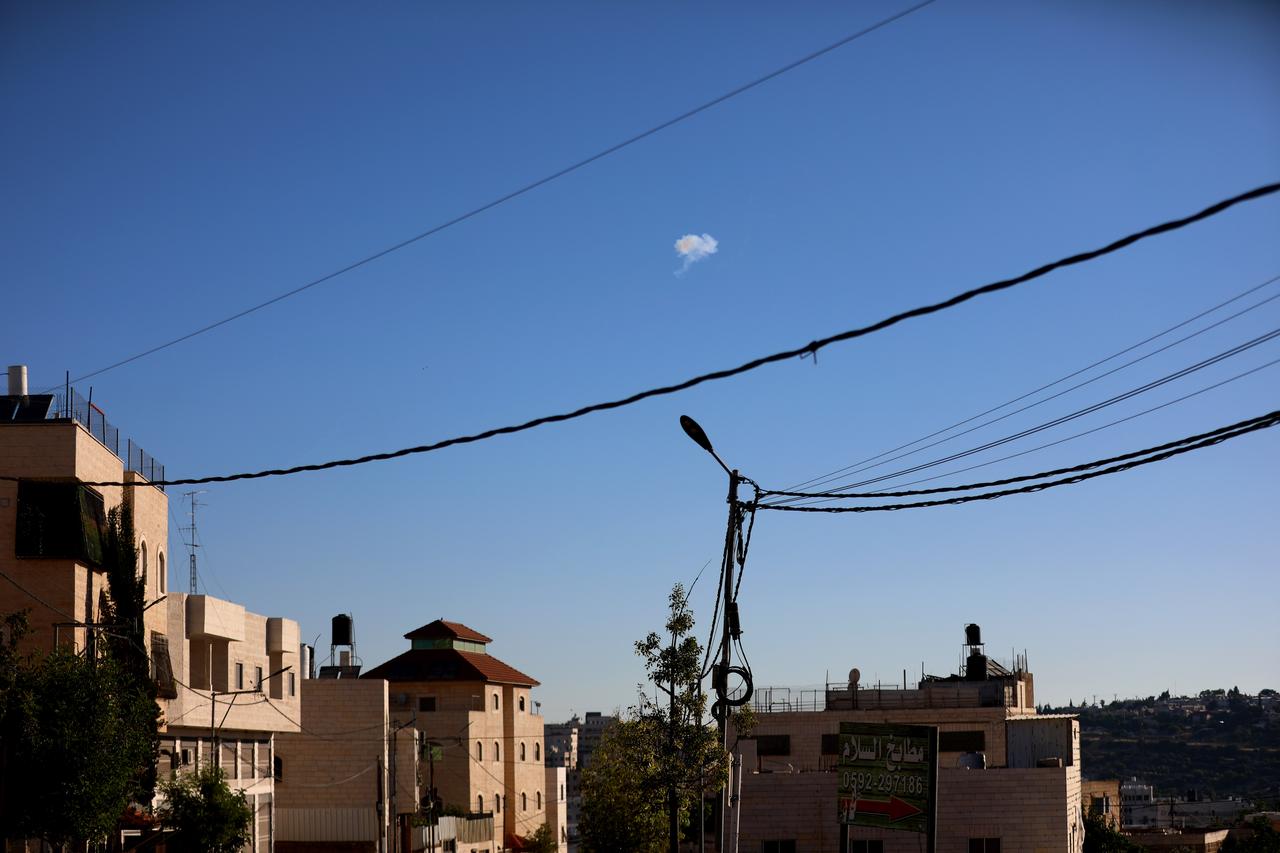
Iran and Israel halted mutual military strikes at the request of U.S. President Donald Trump, while Iraq reopened its airspace on Monday.
Trump declared both sides were seeking "an immediate ceasefire" and insisted in a Financial Times (FT) interview that he "calls all the shots," not Benjamin Netanyahu, who will have "no choice" but to accept whatever deal Washington negotiates with Tehran.
After posting to Truth Social demanding both sides "immediately stop shooting," Trump declared in a follow-up post: "Both sides, Israel and Iran, are looking to do an immediate CEASEFIRE! Final negotiations on 'Peace' are proceeding, subject to ignorance or stupidity getting in its way."
He added: "The Blockade will remain in place, and in full force and effect, until a 'Final Deal' is reached. Things should move quickly. Thank you for your attention to this matter!"
In his FT interview, Trump also said Iran's missile strikes would not affect the peace negotiations. "It's not going to have any impact on the deal," he said.
"The deal may make it on its own merit, or not, but this will not have any effect on it," Trump added.
Trump also described what would happen if negotiations failed on their merits: either a military operation to strike the remaining targets in Iran or continued reliance on the blockade, which he said had been "probably more powerful than any attack that was ever made on that country."
Trump was explicit about the balance of power between Washington and Jerusalem. "He won't have any choice," Trump told the FT, referring to Netanyahu. "I call the shots. I call all the shots. He doesn't call the shots."
Netanyahu and Trump spoke by phone twice in less than 24 hours. The first call, on Sunday, saw Trump urge Netanyahu not to retaliate against Iran. The second call took place on Monday, shortly before Iran announced the suspension of its attacks.
Israel's Channel 12, citing an Israeli official, reported that Tel Aviv was halting its attacks on Iran at Trump's request.
Israel Hayom reported the U.S. and Israel had sent Iran a message that no further attacks would be launched if Tehran agreed not to resume fighting.
Israeli authorities issued no official public statement on either call or on the halt.
Pakistan's Prime Minister Shehbaz Sharif urged all sides to "give peace a little more chance," saying: "We sincerely urge all sides to exercise restraint and give peace a little more chance. Let us continue to remain on the path of peace and diplomacy, which have bright prospects of success instead of violence and destruction."


 Set as preferred source
 Set as preferred source


 3 min read