Newsletters


Iran's Revolutionary Guards (IRGC) stated Friday that they struck a former U.S. special operations command center at al-Tanf in Syria, in what they described as retaliation for the killing of Iranian soldiers in Iranshahr.
This came as the U.S. carried out a sixth consecutive night of strikes on Iran and Tehran hit back at American allies across the Gulf.
The U.S. military said in February it had completed its withdrawal from al-Tanf, and Syria previously said it had taken control of the vacated base.
According to a statement carried by Tasnim News Agency, the IRGC said its aerospace forces destroyed a radar system and several special-operations helicopters in the strike and killed a large number of what it called "criminal American forces," describing the action as retaliation for the killing of what it called "martyred soldiers" in an attack the previous night in Iranshahr.
Syrian President Ahmad al-Sharaa has said his country intends to stay out of the regional conflict "unless Syria is targeted by any party," remarks he made in March at a Chatham House event in London.
The Guards also claimed Iran retained full control of the Strait of Hormuz and said no oil or gas would be exported through the waterway as long as U.S. attacks continued.
The U.S. military said it completed another night of strikes on Iran "to further degrade Iranian military capabilities," including on Qeshm Island and near Bandar Abbas, home to Iran's largest port and key naval and IRGC facilities.
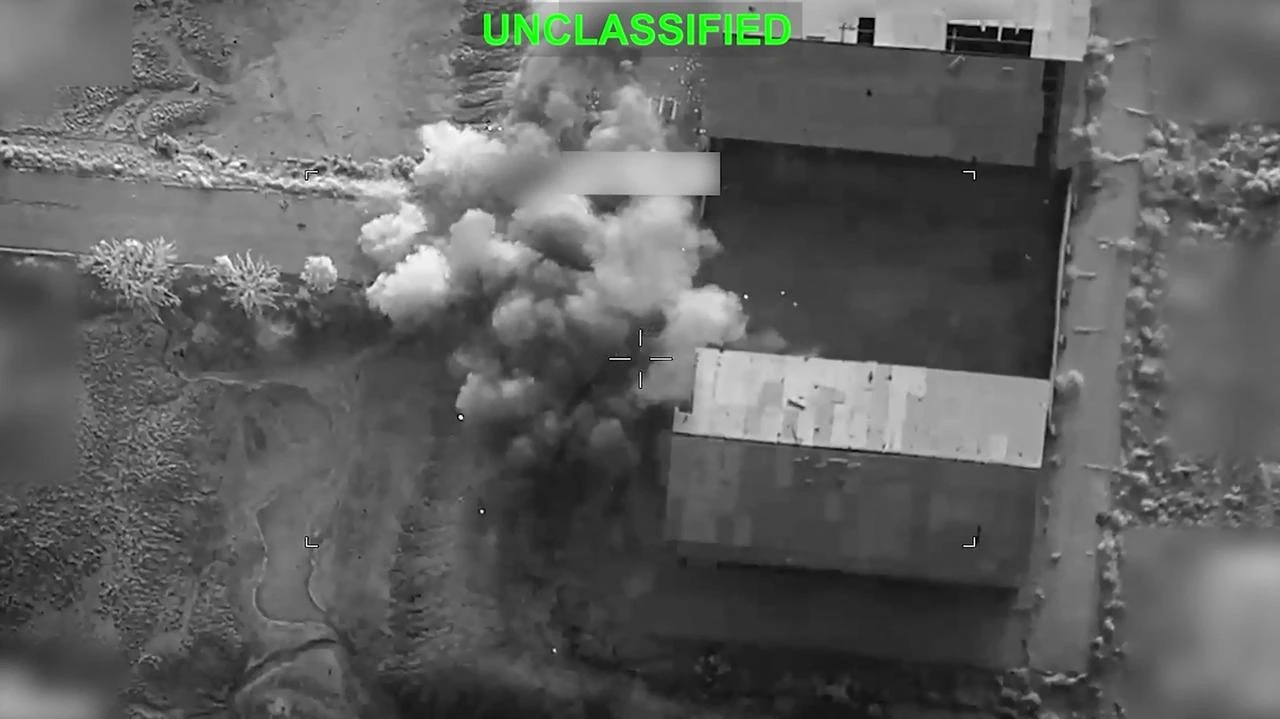
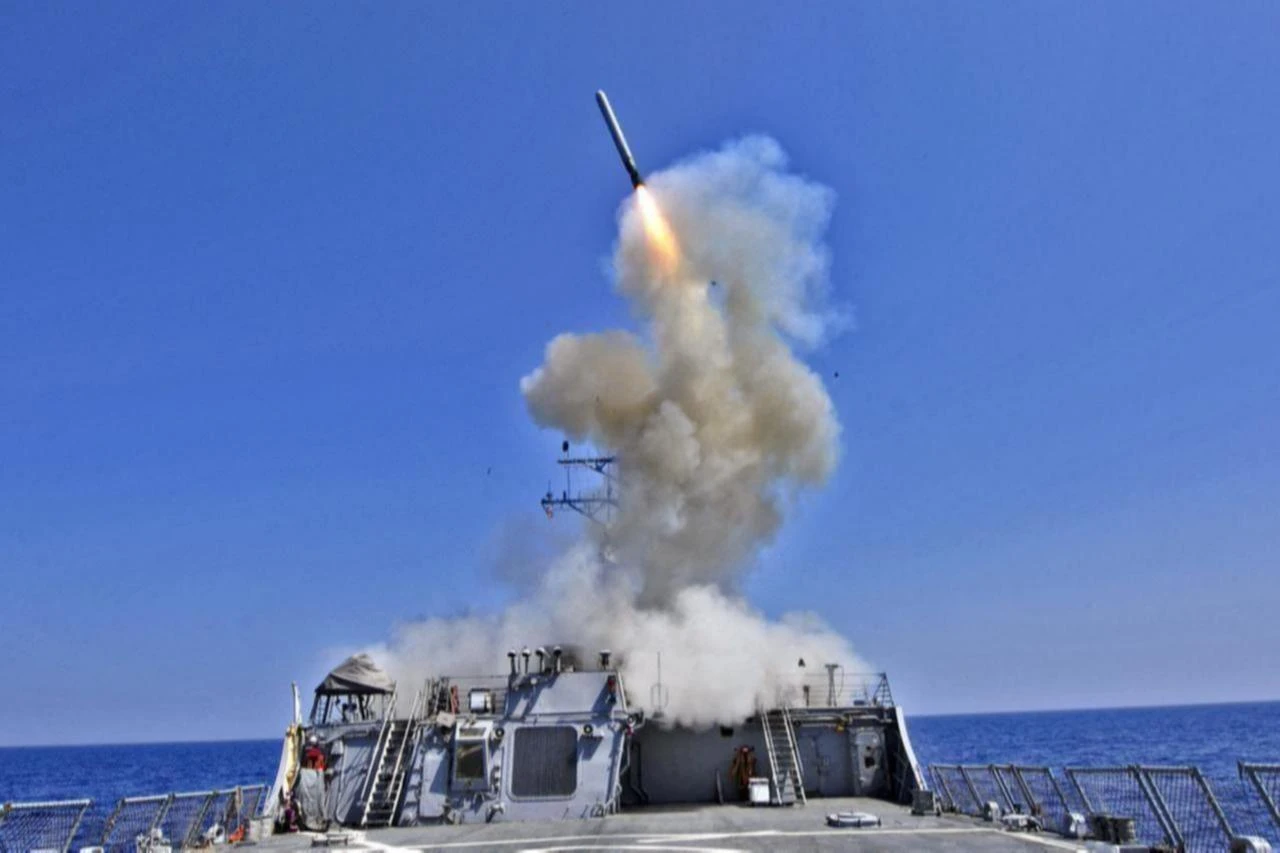
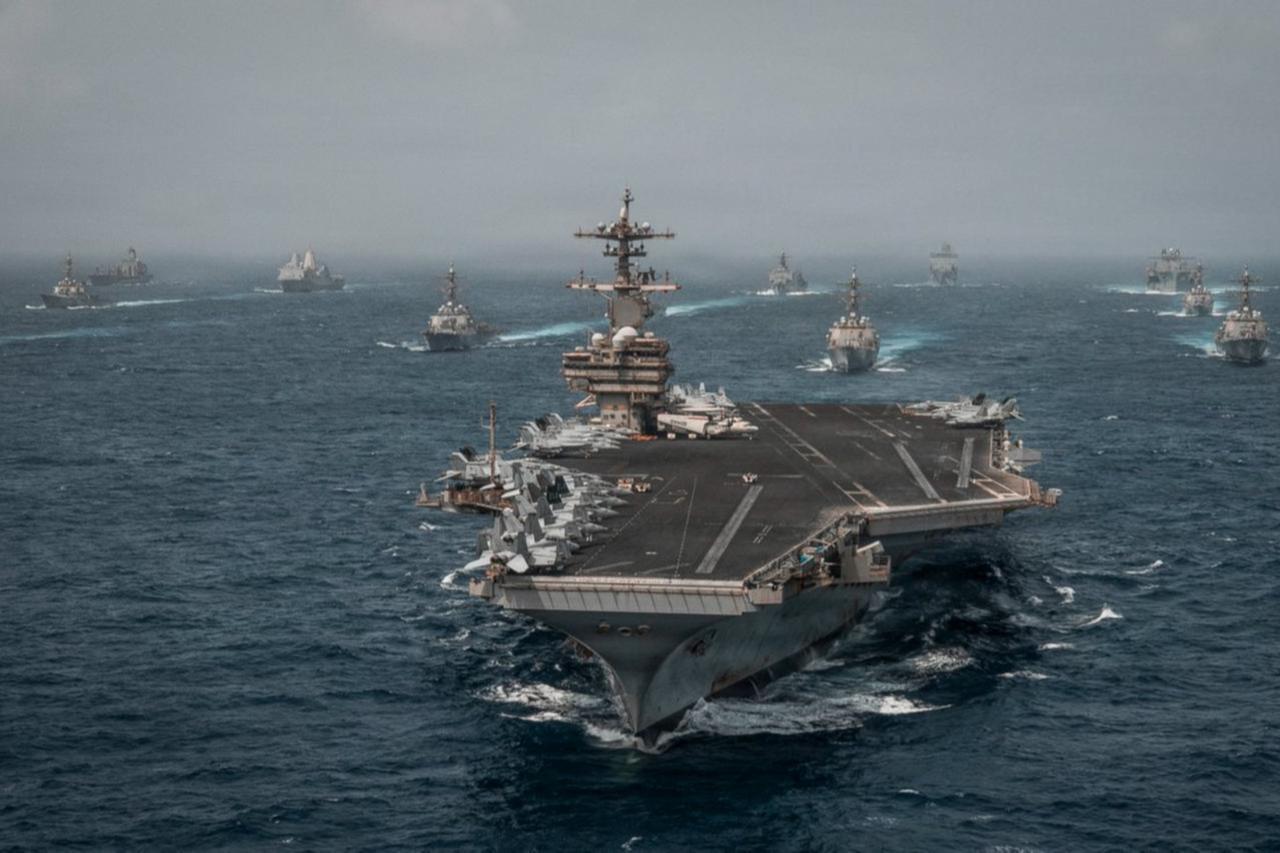
U.S. Central Command (CENTCOM) said in a statement that "U.S. forces, including fighter jets, aerial drones, and warships, launched precision munitions that hit dozens of Iranian military targets such as coastal surveillance and air defense sites, military logistics infrastructure, and maritime capabilities."
Iranian media reported that five bridges were struck in the latest round of U.S. attacks, along with a train station in the coastal city of Bandar Khamir and Iranshahr Airport in southeastern Iran.
Fars News Agency reported that seven people were killed in U.S. strikes on bridges in Bandar Khamir.
Iranian government spokesperson Fatemeh Mohajerani said renewed U.S. attacks have killed at least 30 people in Iran since last week, according to Agence France-Presse (AFP).

Iran said it deployed drones in Kuwait targeting what state TV described as "the deployment sites of US forces and the logistical support centers" of American forces, saying the attacks were "in response to the crimes of the arrogant enemy and in revenge for the blood of the martyrs of the homeland."
Tasnim News Agency, citing Iran's army public relations office, described the action as the 12th phase of an operation named "Saeqeh," using Arash-model destructive drones against U.S. logistics centers in Kuwait.
A separate statement carried by Iran's state media described an 11th phase of the same operation targeting helicopters and P-8 reconnaissance aircraft at Bahrain's Sheikh Isa Air Base.
Iran's army said it would respond "quickly and decisively" to what it called the "hostile enemy's" targeting of urban infrastructure and civilians, and warned that "any miscalculation" of Iran's will, endurance or combat capability would carry a high cost for what it called the "arrogant enemy."
Qatar's Defense Ministry said its armed forces continued "intercepting a number of aerial attacks targeting the State of Qatar."
Qatar's Interior Ministry said a child was injured "due to falling shrapnel resulting from interception operations," and separately urged the public to remain indoors, citing a high security threat level.
AFP journalists in Doha reported hearing several blasts.
Bahrain's Interior Ministry activated air raid sirens and urged citizens and residents to head to the nearest safe location, without specifying the reason for the alert.
Kuwait's Interior Ministry also activated sirens and urged the public to shelter, with the Kuwaiti army saying its air defense systems were responding to hostile missile and drone attacks, without providing further detail.
The escalation has once again largely halted traffic through the Strait of Hormuz, pushing global energy prices higher.
Tehran resumed its blockade of the strait, and Washington reimposed its blockade of Iranian ports from Wednesday. Reuters reported that sources said Iran has signaled it could prompt its Houthi allies in Yemen to close the Bab al-Mandeb strait at the mouth of the Red Sea if Washington strikes Iranian infrastructure.
The U.S. military said Friday that forces had boarded a ship in the Gulf of Oman "to ensure full compliance" with the blockade, adding that three vessels had been redirected since the blockade resumed.
Iranian sources told Reuters that Tehran aimed to establish authority over the strait, though Iran remained reluctant to escalate to the point of torpedoing June's memorandum of understanding (MoU), which it still regards as delivering most of what it sought.
Iran wants ships to transit through a channel close to its own shores and intends to charge passage fees once a 60-day negotiation period set under the memorandum concludes, while Washington has encouraged vessels to use an alternative southern route along the Omani coast.


 Set as preferred source
 Set as preferred source


 1 min read
 1 min read