Newsletters


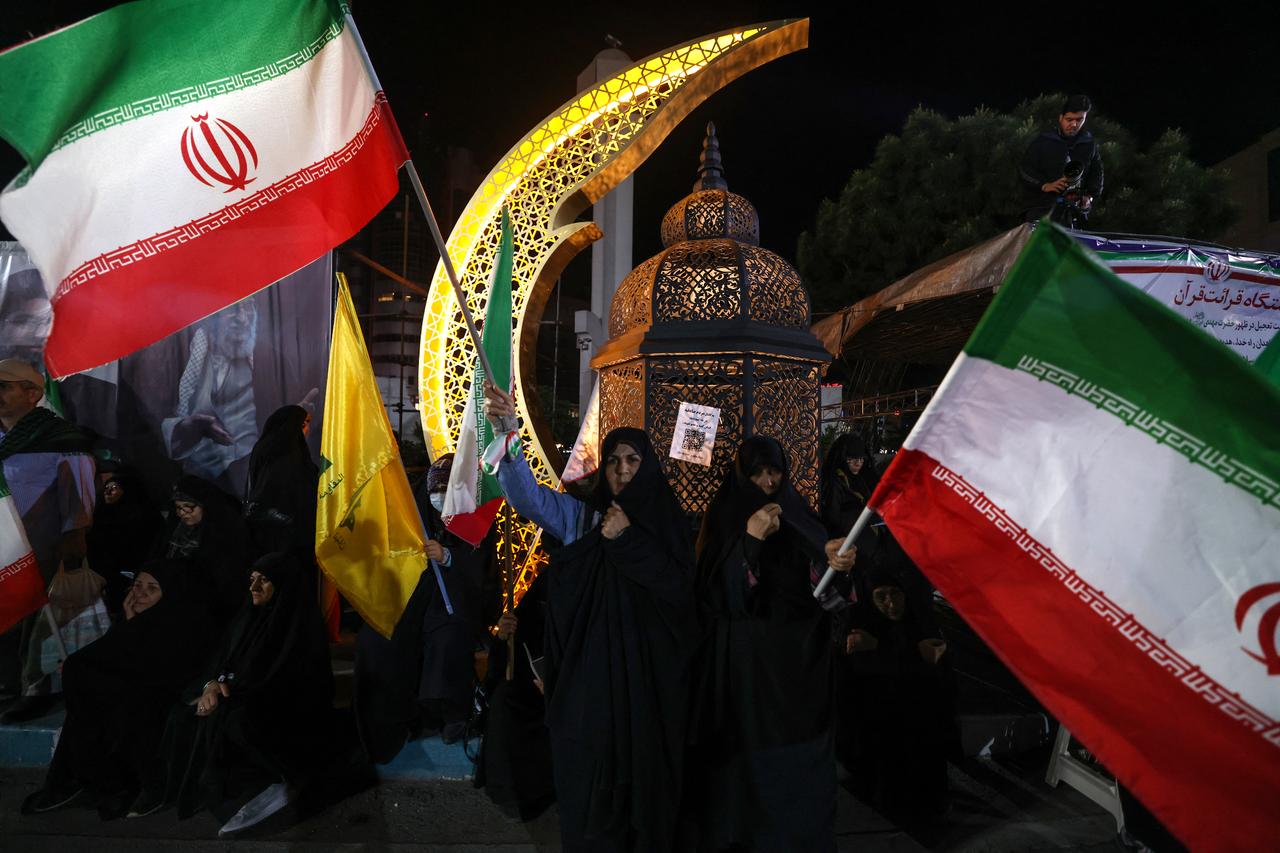


Iran's Foreign Ministry spokesperson Esmaeil Baqaei said Monday that Washington's "habit of maximalism and unreasonable demands" was responsible for the slow pace of diplomacy to end the war.
Tehran confirmed it had received a U.S. response to its 14-point proposal through Pakistani mediation and was reviewing it.
"The U.S. will not easily give up its habit of maximalism and unreasonable demands," Baqaei said, adding, "We are still faced with a side that both changes its views regularly and raises issues that could complicate any diplomatic process."
Baqaei said the U.S. response to Iran's 14-point proposal had been received through the Pakistani intermediary and was under review.
He declined to go into details but said Washington bore primary responsibility for obstruction across all diplomatic processes, citing what he described as a history of American treaty violations, from the 2018 unilateral withdrawal from the JCPOA through military interventions during ongoing negotiations.

Baqaei rejected media reports, including those attributed to Al Jazeera, about the content of Iran's 14-point proposal, saying they referred to a U.S. offer made 20 days earlier that Iran had "firmly rejected."
He said reports suggesting Iran had accepted a 15-year enrichment suspension or a gradual reopening of the Strait of Hormuz were inaccurate.
"The topics under discussion and messages exchanged are solely focused on ending the war," he said, adding that speculation about enrichment and materials issues was "largely conjecture."
According to Fars News Agency, the U.S. has revised its proposal three times since its initial offer. Iran's 14-point response was submitted in reply to the most recent U.S. nine-point framework and includes Iran's stated red lines alongside a specific roadmap for ending the war.
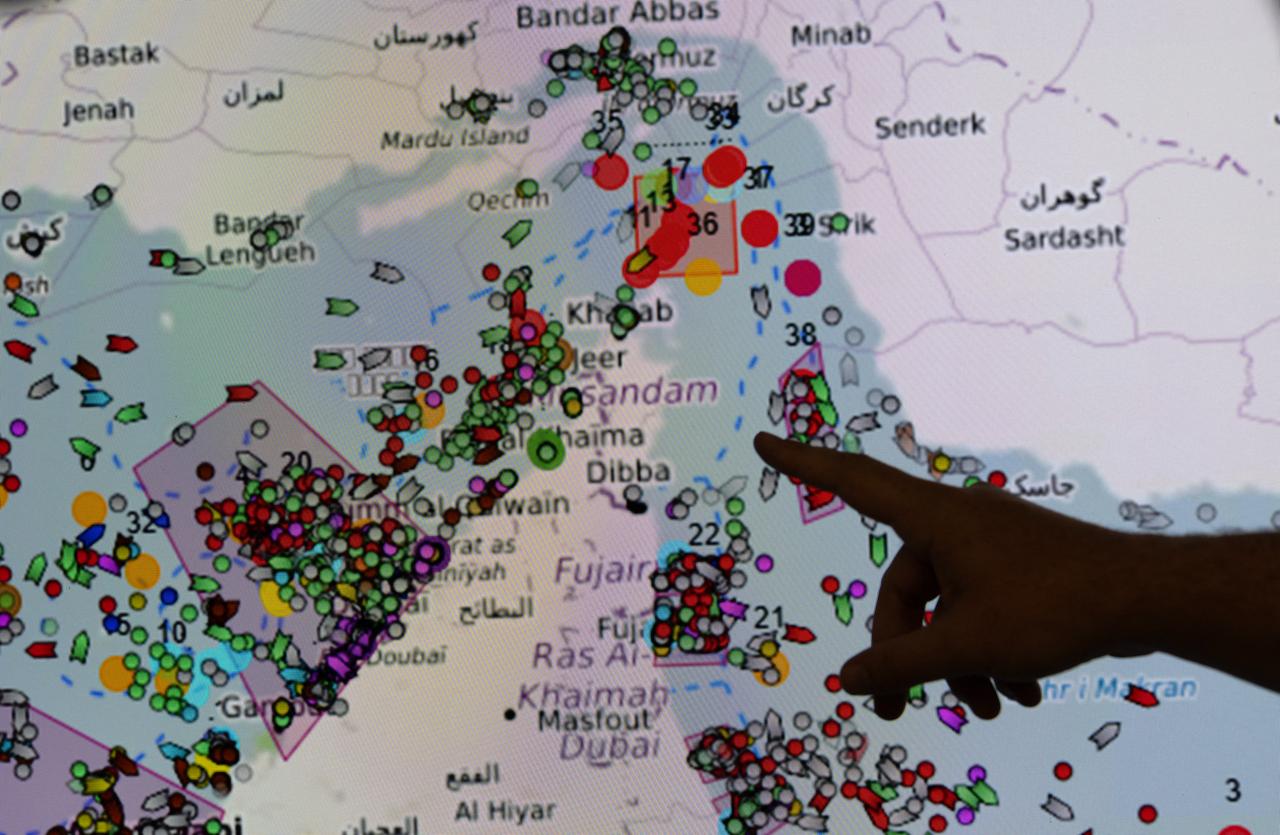
Baqaei also addressed Iran's military posture in the strait, citing the recent statement by the Khatam al-Anbiya Central Headquarters, and said Iran "emphasizes the full readiness of the armed forces to deliver a decisive response to any illegal movement and aggression against national interests."
"American officials must understand that the language of threats and force against the Iranian nation has no effect, and repeating past mistakes will only trap them deeper in their self-made quagmire in the region and in the global community," he said, according to Tasnim News Agency.
Iran considers itself the primary guardian of Hormuz security, Baqaei said, describing the strait as "a waterway that, before Feb. 28, was a symbol of safe and stable passage."
Baqaei also announced that Iran had cancelled a mutual visa-exemption agreement with Lebanon after Beirut unilaterally revoked the exemption for Iranian citizens.
He said Iran had established special visa-on-arrival facilities at entry points to minimize disruption.


 Set as preferred source
 Set as preferred source


 2 min read