Newsletters


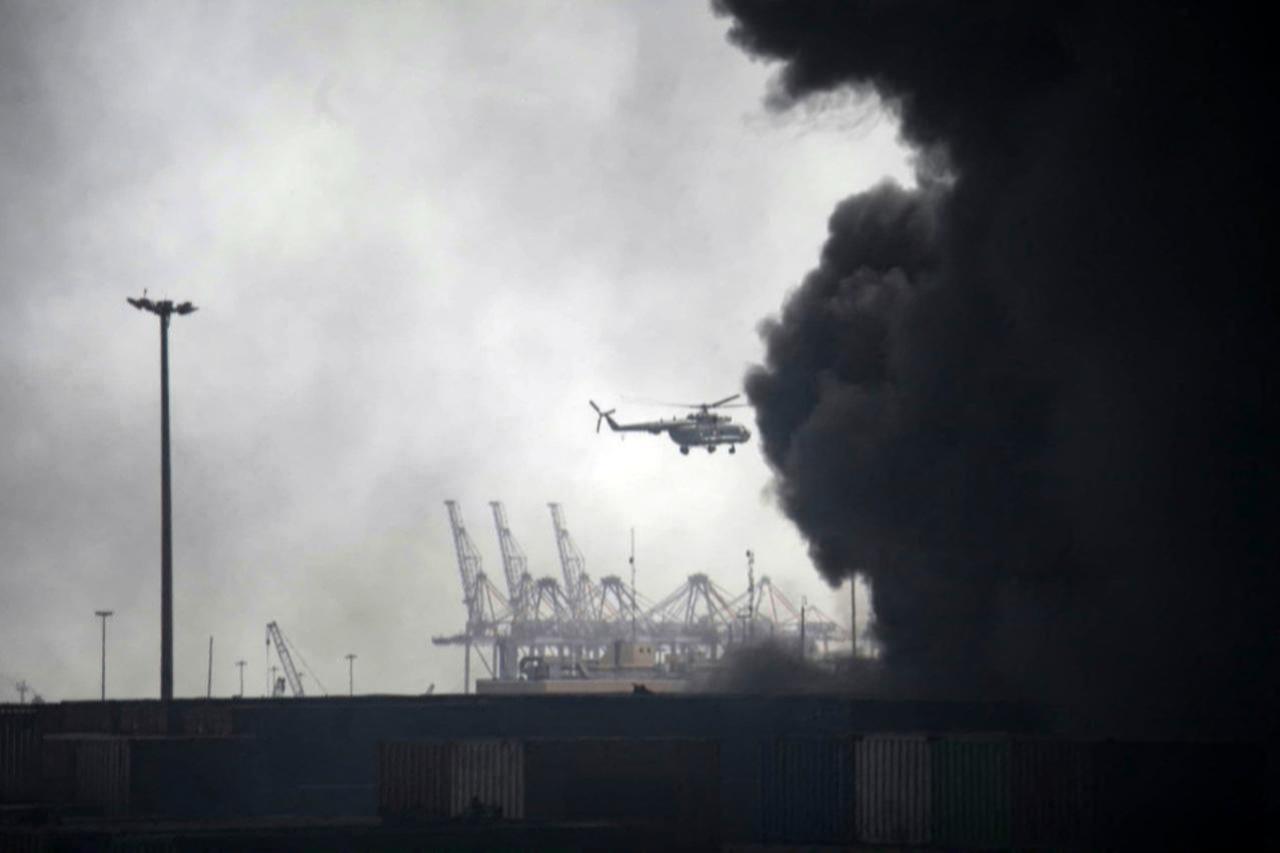


Iran condemned what it called repeated U.S. cease-fire violations after Washington struck an Iranian ground control station near Bandar Abbas on Thursday, prompting the Islamic Revolutionary Guard Corps to target a U.S. airbase in response.
Iranian Foreign Ministry spokesman Esmaeil Baghaei strongly condemned the U.S. military action in areas near Bandar Abbas in the early hours of Thursday, May 28, saying the strikes violated Iran’s territorial integrity and national sovereignty.
Baghaei called the attacks a clear violation of international law and the U.N. Charter, saying the U.N. Security Council has a legal responsibility to hold the U.S. accountable.

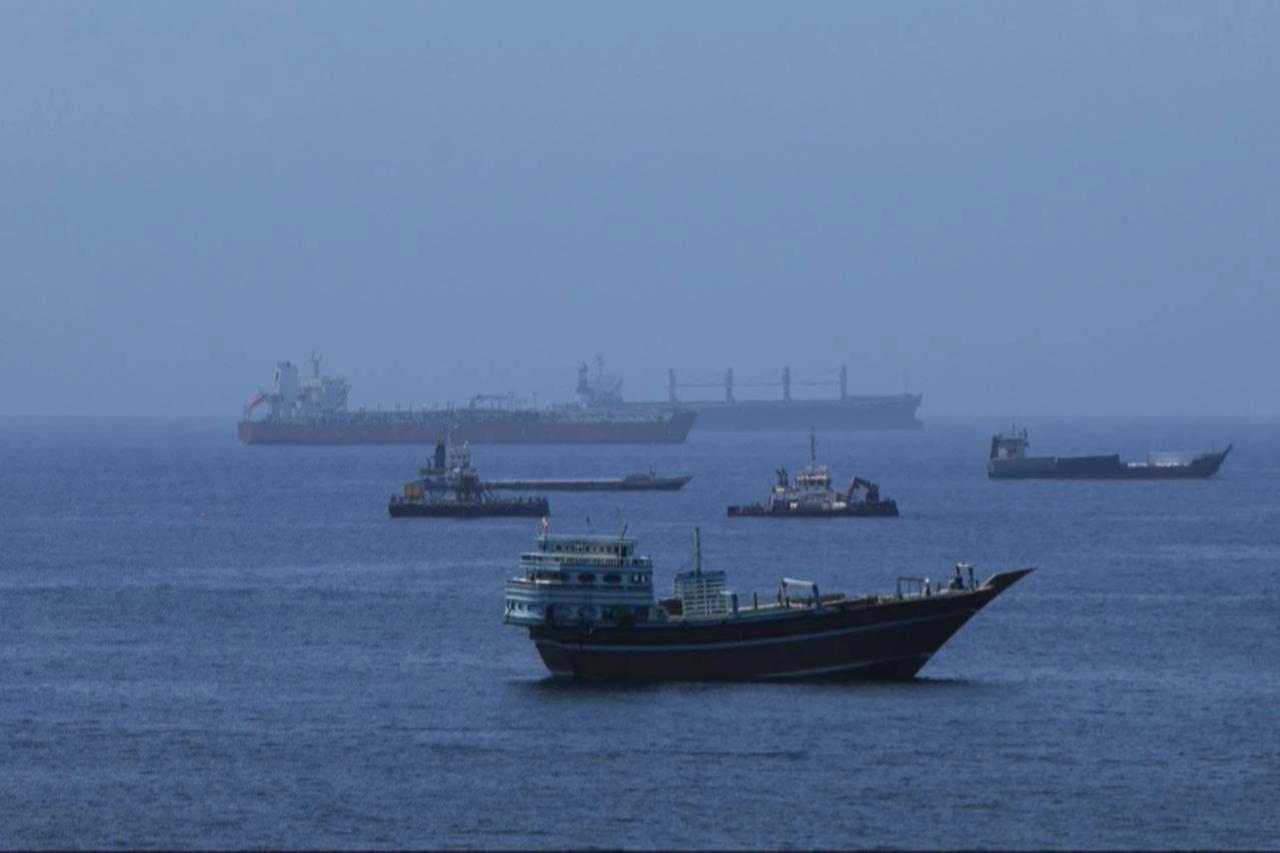
Baghaei accused Washington of repeatedly violating the April 8 cease-fire, pointing to what he described as interference with commercial shipping in the Gulf region and international waters, as well as aerial attacks on southern Iran in recent days.
He emphasized Iran’s determination to take all necessary measures to defend its national sovereignty and territorial integrity under Article 51 of the U.N. Charter.
The military exchange followed clashes near the Strait of Hormuz after Iranian forces fired at ships attempting to cross the waterway.
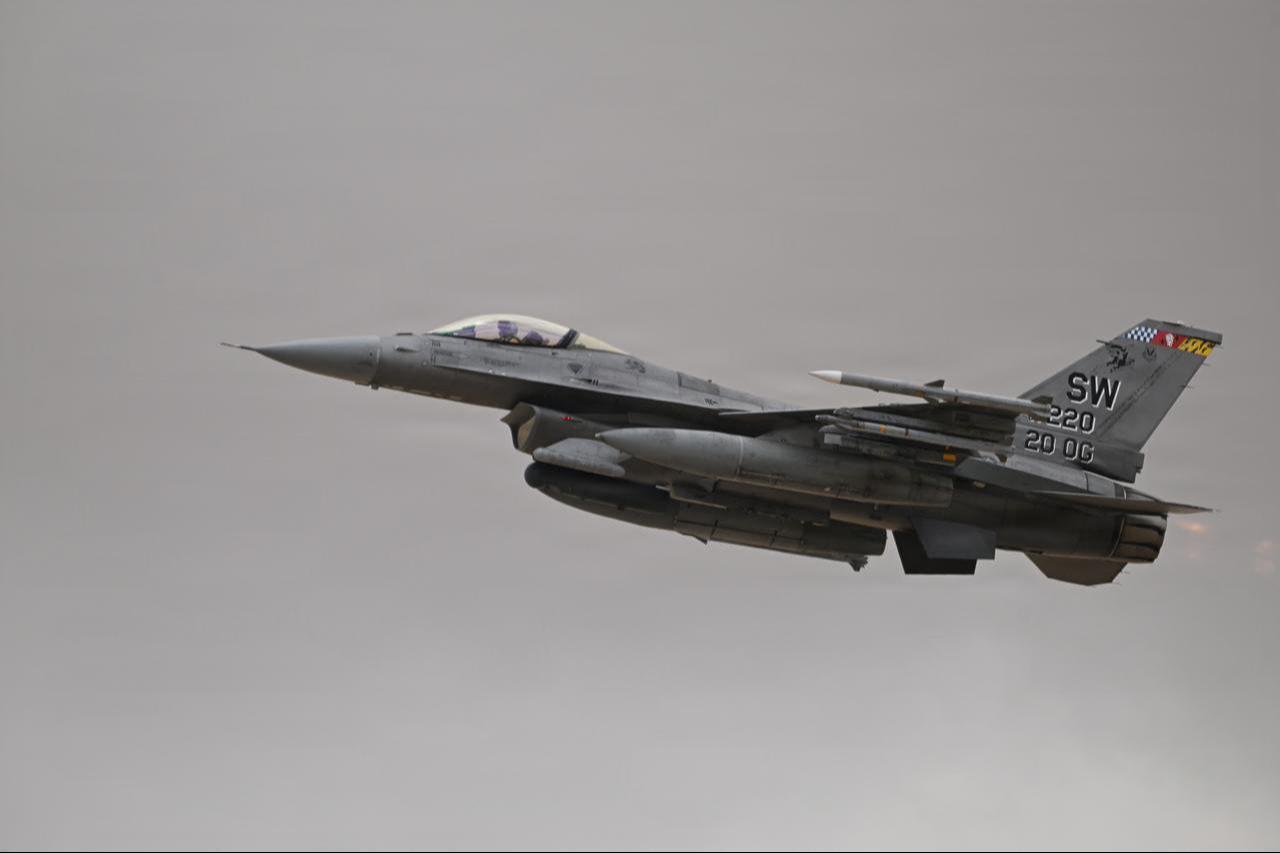
A U.S. official told Agence France-Presse (AFP), Reuters, and Türkiye's state-run Anadolu Agency (AA) on condition of anonymity that U.S. forces shot down four Iranian one-way attack drones near the Strait of Hormuz and struck a ground control station in Bandar Abbas that was preparing to launch a fifth.
“These actions were measured, purely defensive, and intended to maintain the ceasefire,” the official said.
The IRGC said the U.S. military had targeted an area near Bandar Abbas airport with aerial projectiles early Thursday.
It said it targeted a U.S. airbase at 4:50 a.m., describing it as the origin of the attack.
“This response is a serious warning so the enemy knows that aggression will not go unanswered,” the IRGC said.
It warned that if such attacks are repeated, Iran’s response would be more decisive, adding that responsibility and consequences would fall on the aggressor.
The exchange raised questions over fragile peace negotiations and threatened global energy supplies already strained by Tehran’s closure of the Strait of Hormuz.


 Set as preferred source
 Set as preferred source


 1 min read
 1 min read