Newsletters


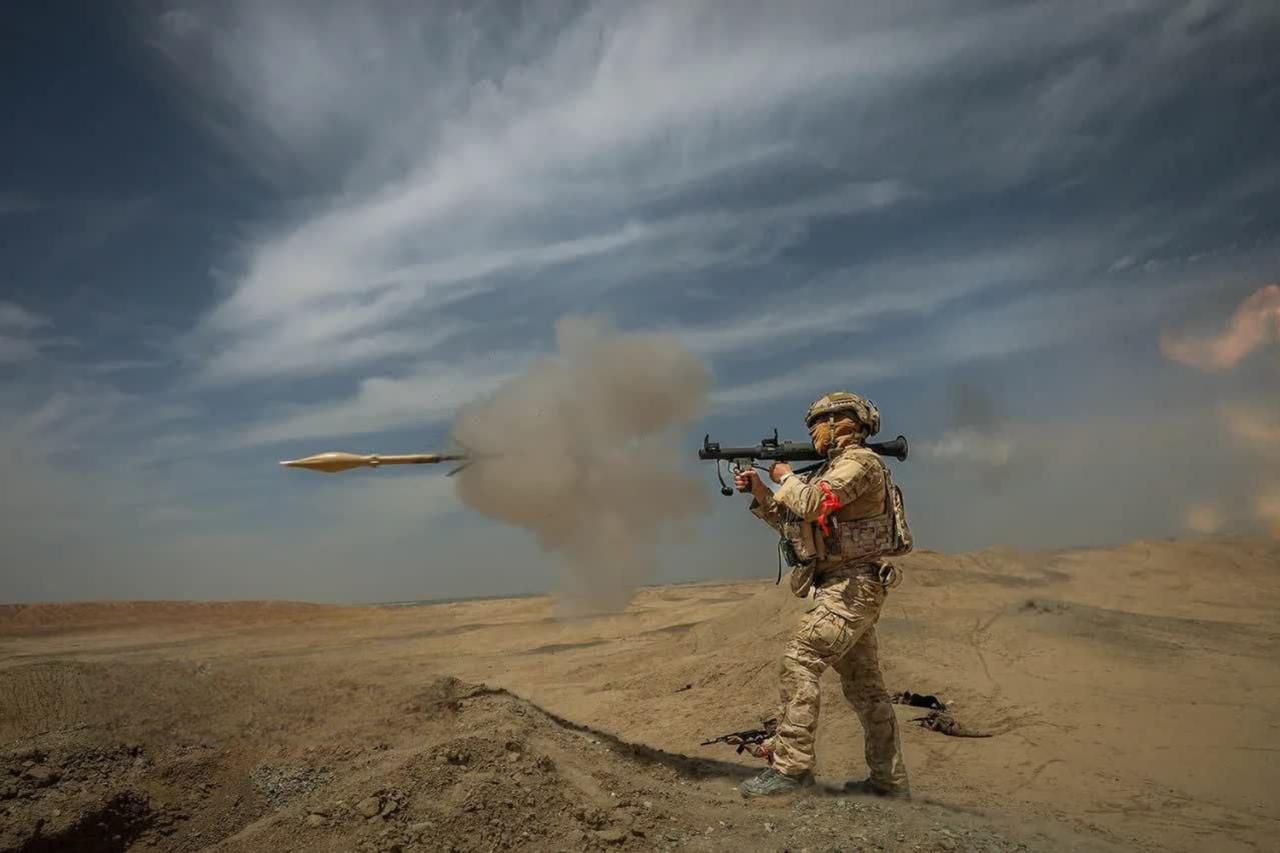


The United States struck an Iranian ground control station near Bandar Abbas on Thursday, prompting Iran's Islamic Revolutionary Guard Corps (IRGC) to retaliate against a U.S. airbase in the most serious military exchange since an April ceasefire took effect.
The clashes, ignited after Iranian forces fired at ships attempting to cross the Strait of Hormuz, threw into question fragile peace negotiations and threatened a global energy supply already strained by Tehran's closure of the strategic waterway.
U.S. forces shot down four Iranian one-way attack drones near the Strait and struck a ground control station in Bandar Abbas that was preparing to launch a fifth, a U.S. official told Agence France-Presse (AFP), Reuters, and Türkiye's state-run Anadolu Agency (AA) on condition of anonymity.
"These actions were measured, purely defensive, and intended to maintain the ceasefire," the official said.
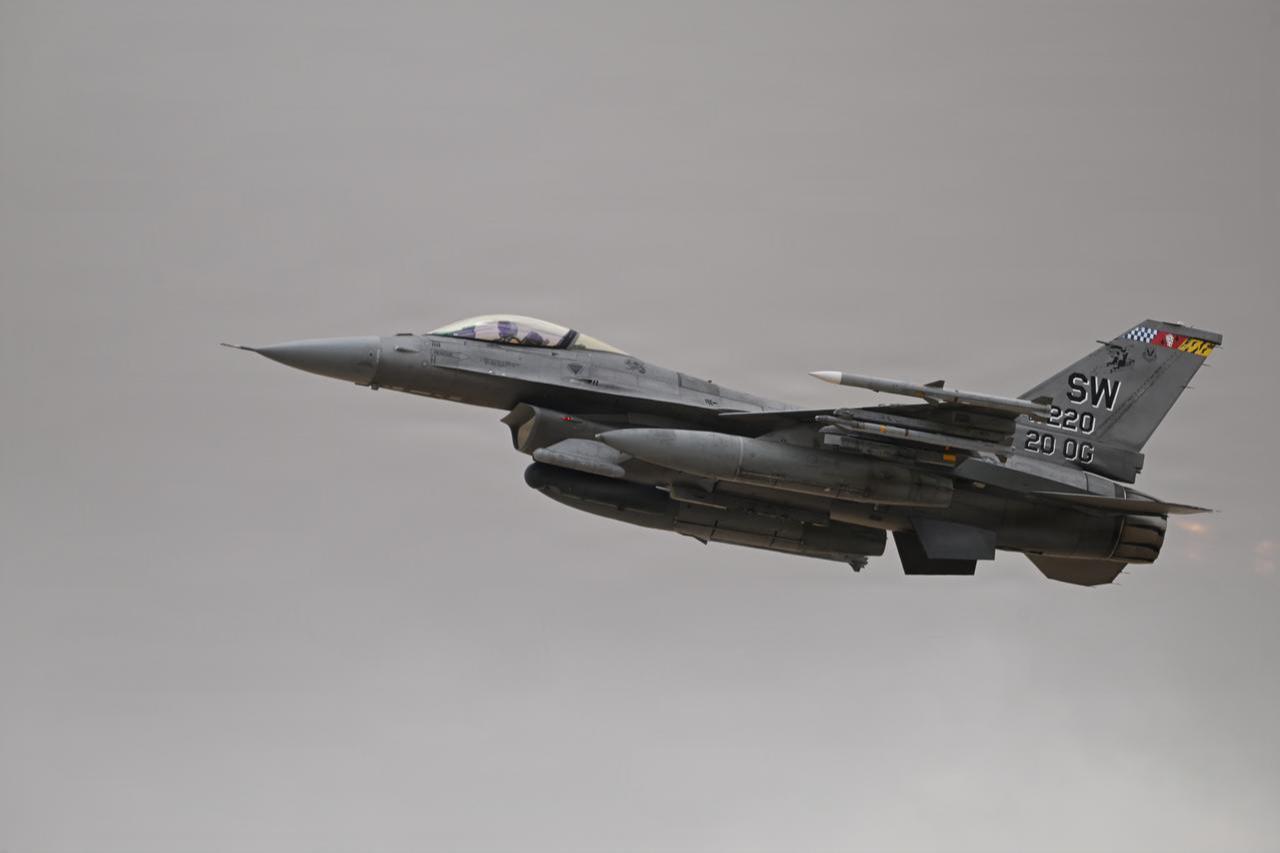

Iran's IRGC responded within hours, targeting the American airbase it identified as the origin of the strike.
"Following this morning's aggression by the invading U.S. military against a location on the outskirts of Bandar Abbas Airport using aerial projectiles, the American air base that served as the source of the attack was targeted at 4:50 a.m. (0120 GMT)," the Guards said, according to Iranian media.
The IRGC did not identify which base it struck. Kuwait's military, however, said its air defenses were intercepting "hostile" drones and missiles Thursday morning, urging the public to follow safety instructions and noting that "any explosions that may be heard are the result of air defense systems intercepting hostile targets."
The Guards framed the strike as a "deliberate warning."
"This response is a serious warning so that the enemy knows that aggression will not go unanswered, and if repeated, our response will be more decisive," the IRGC said, according to Tasnim News Agency.
The U.S. military did not immediately respond to Iran's claims.
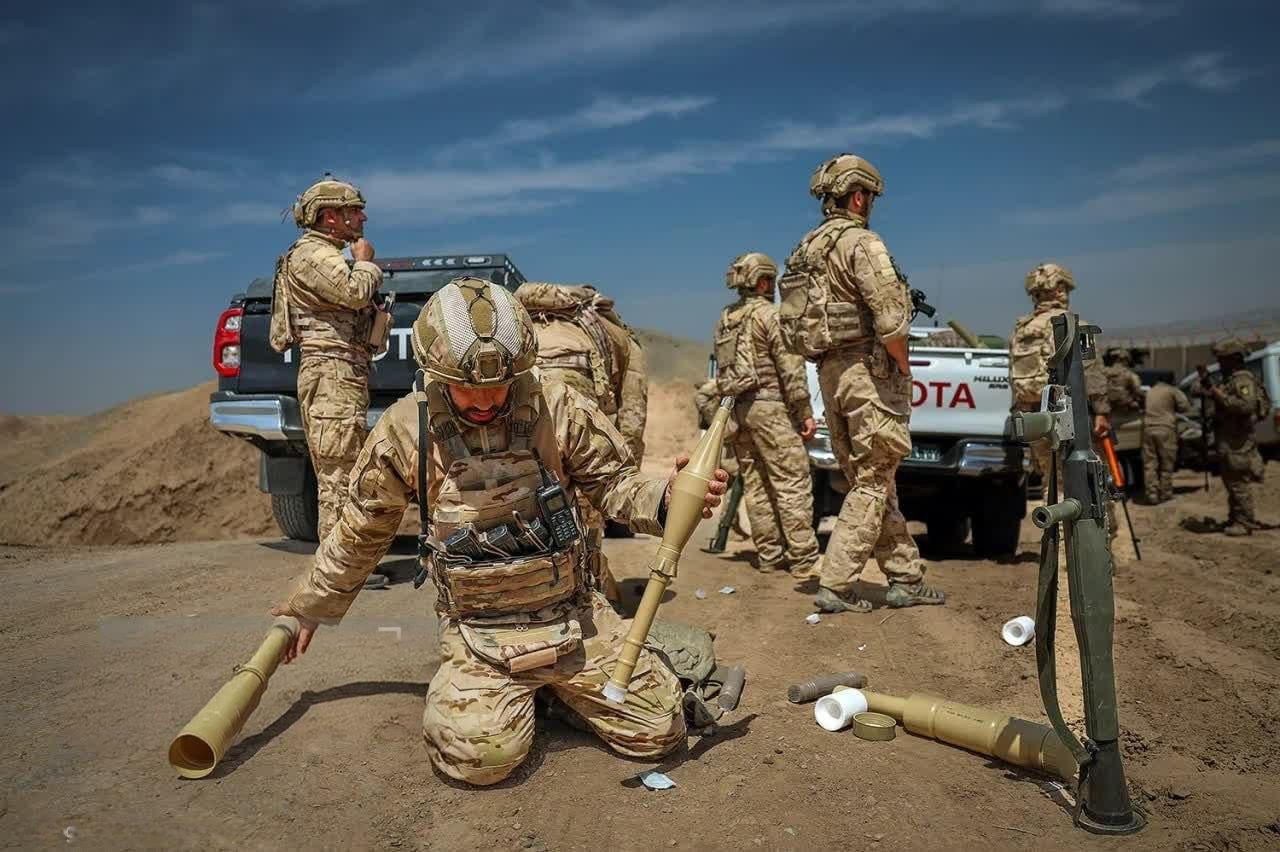
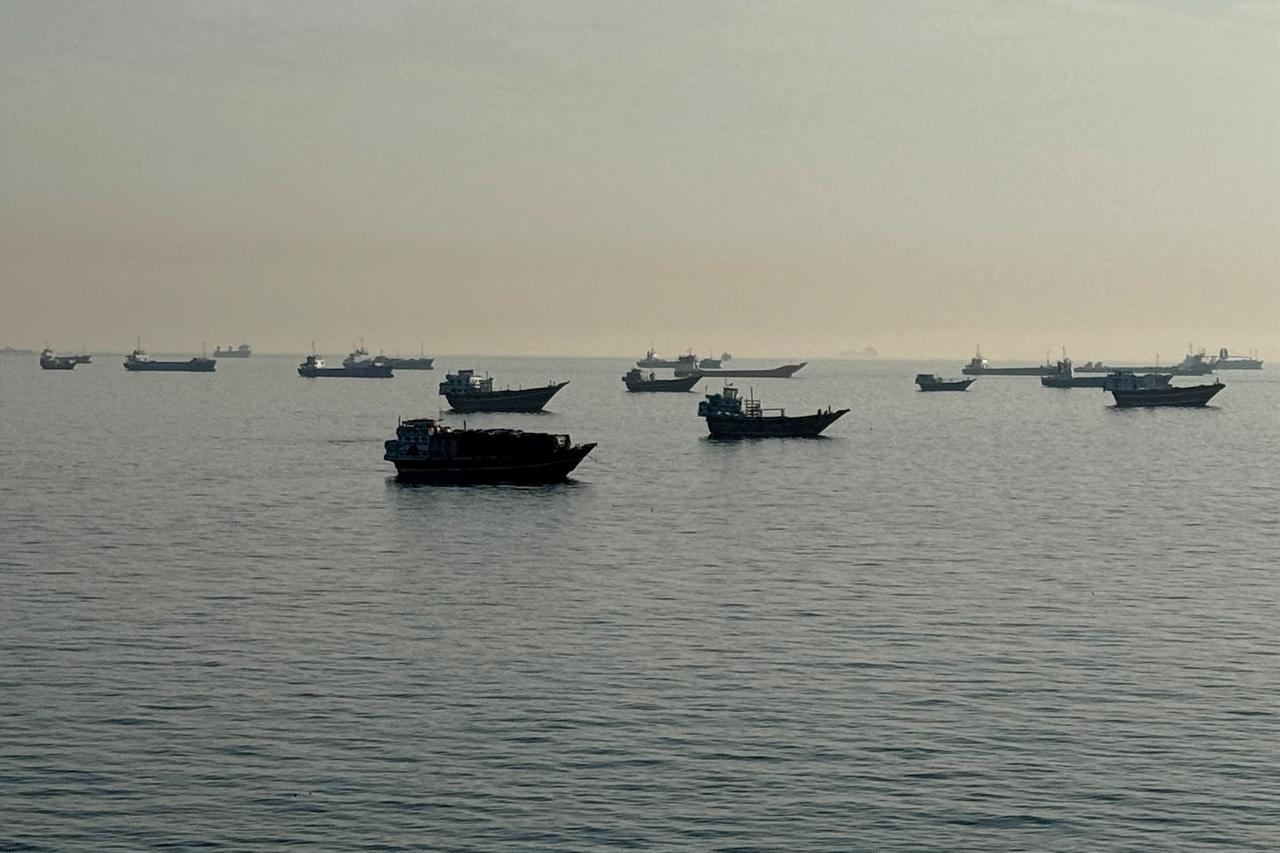
The exchange began, according to Iranian media, when Iranian forces fired at four ships attempting to transit the Strait. Fars News Agency reported the vessels were forced to turn back. Three explosions were heard in the eastern Hormozgan province near Bandar Abbas in the early morning hours.
The Strait of Hormuz has been effectively closed by Tehran since the war's outbreak on Feb. 28, when the U.S. and Israel launched strikes on Iran. Tehran retaliated with drone and missile barrages and shuttered the waterway, disrupting global energy supplies. Oil prices climbed Thursday after reports of fresh U.S.-Iran strikes, reversing much of Wednesday's decline on hopes of a possible imminent deal.
On Wednesday, the Guards' navy said only ships "willing to abide by Iranian order" could pass through Hormuz. U.S. Secretary of State Marco Rubio said Tuesday a deal remained within reach, but the Strait would be reopened "one way or the other."
Iranian state TV reported Wednesday that an "initial unofficial framework for a memorandum of understanding" had been drafted between the two sides. Washington called the claim a "complete fabrication."
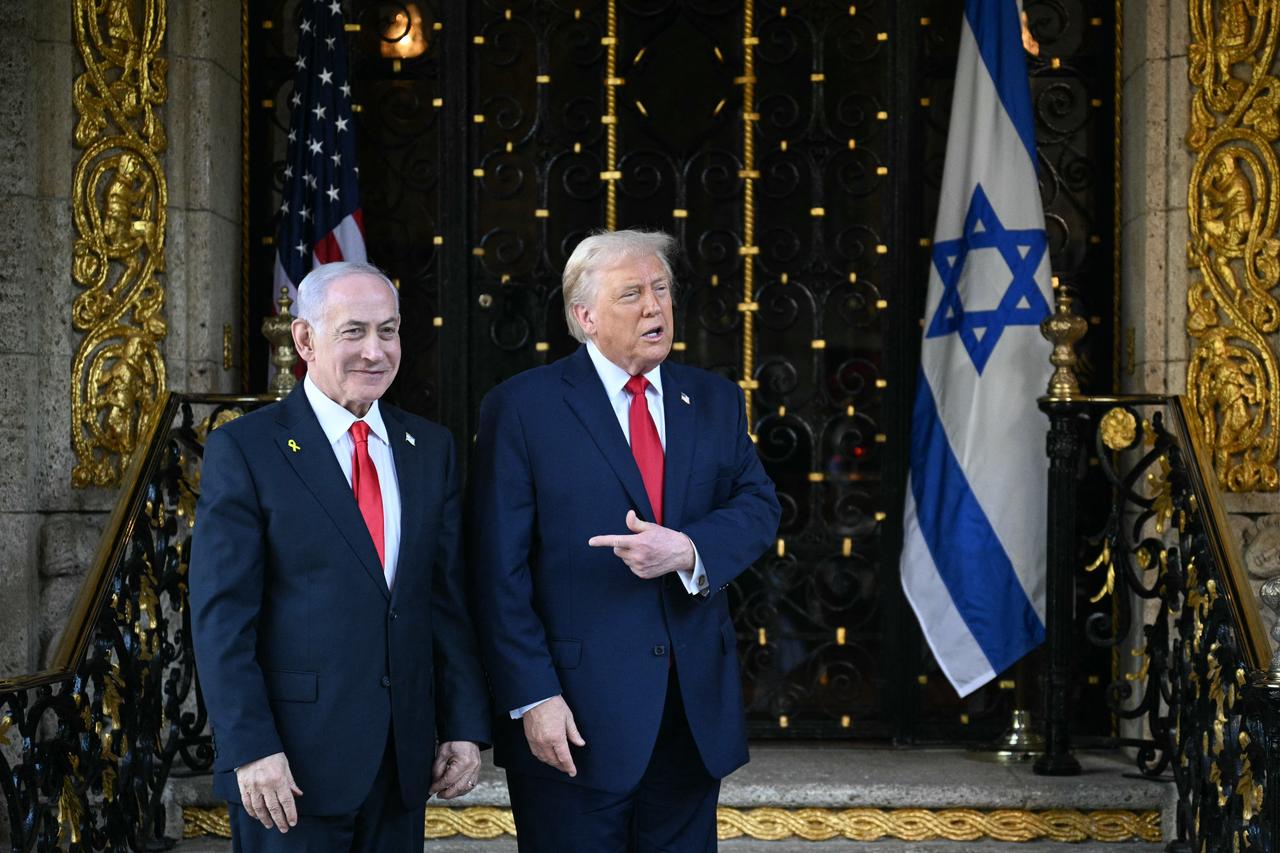
U.S. President Donald Trump appeared to direct a warning at Oman, a U.S. ally and mediator that has itself come under attack from Tehran, when asked about a possible arrangement giving Iran and Oman joint control of the Strait.
"No, the strait is going to be open to everybody," Trump said.
"It's international waters and Oman will behave just like everybody else, or we'll have to blow them up. They understand that, they'll be fine," he added.
The White House did not immediately clarify whether Trump had misspoken.
Trump also said he was "not satisfied" with the state of negotiations, but we will be. Either that, or we'll have just to finish the job."
A ceasefire brokered through Pakistani mediation took effect on April 8. Talks in Islamabad failed to produce a lasting agreement. Trump later extended the truce indefinitely while maintaining a naval blockade on Iranian ports.


 Set as preferred source
 Set as preferred source


 3 min read