Newsletters


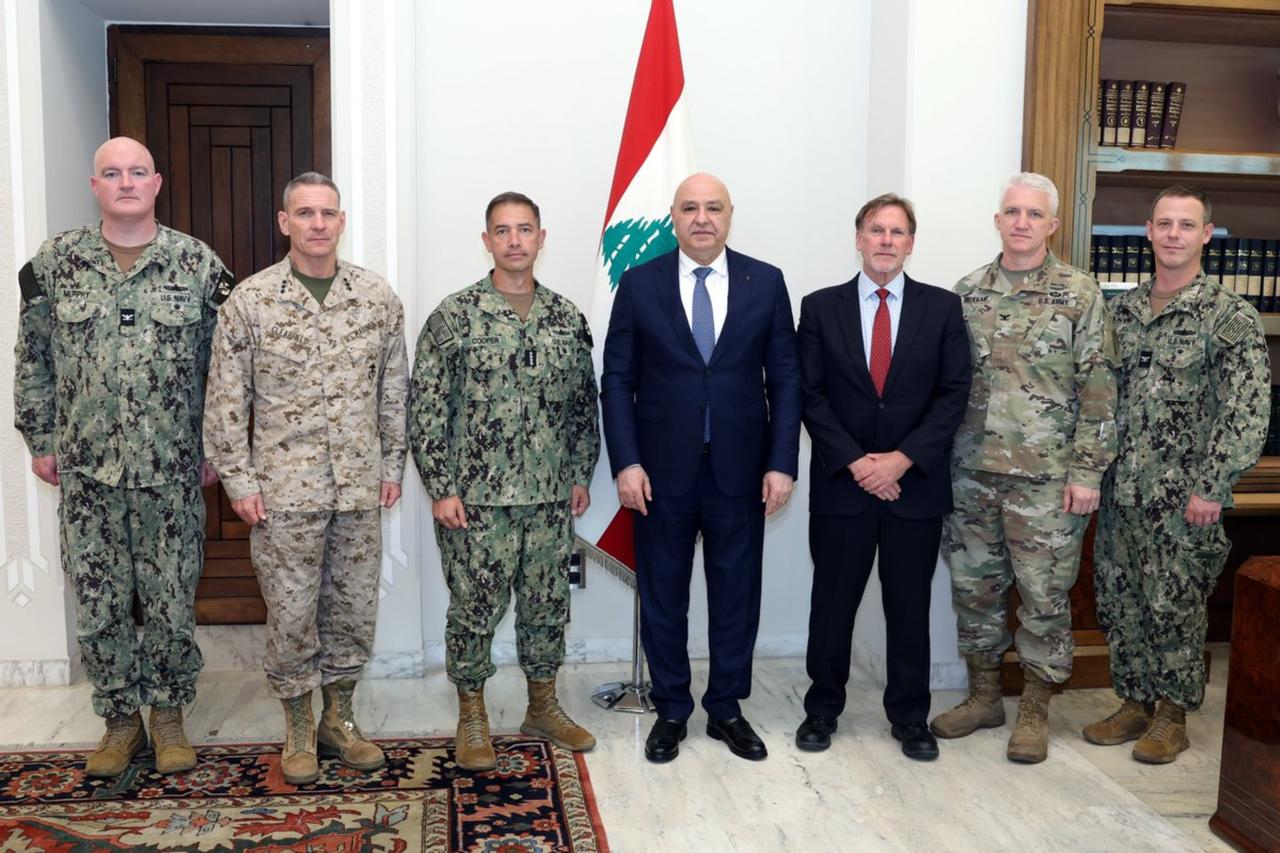


A U.S. military delegation is expected to travel to Lebanon in the coming days to help implement a framework agreement aimed at ending the conflict between Israel and Hezbollah, the Financial Times (FT) reported Friday, citing two senior Lebanese officials.
According to the FT, a delegation from U.S. Central Command (CENTCOM) arrived in Beirut on Friday ahead of technical talks between Lebanon and Israel scheduled in Rome next week, where teams are expected to discuss implementation details of the framework agreement signed on June 26.
Senior Lebanese officials told the FT the implementation process would be overseen by the United States.
A State Department spokesperson, speaking on condition of anonymity, confirmed to Türkiye's state-run Anadolu Agency (AA) that CENTCOM is "coordinating closely" with both countries at the technical and logistical levels, but did not comment on the reported visit.
"We have moved to the implementation stage of the Framework. The first pilot zone will launch in a matter of days, and further pilot zones are being mapped out and planned," the spokesperson said, adding that outreach to international partners would soon begin "to help the Lebanese Government effectively restore sovereignty in these zones and across their country more broadly."

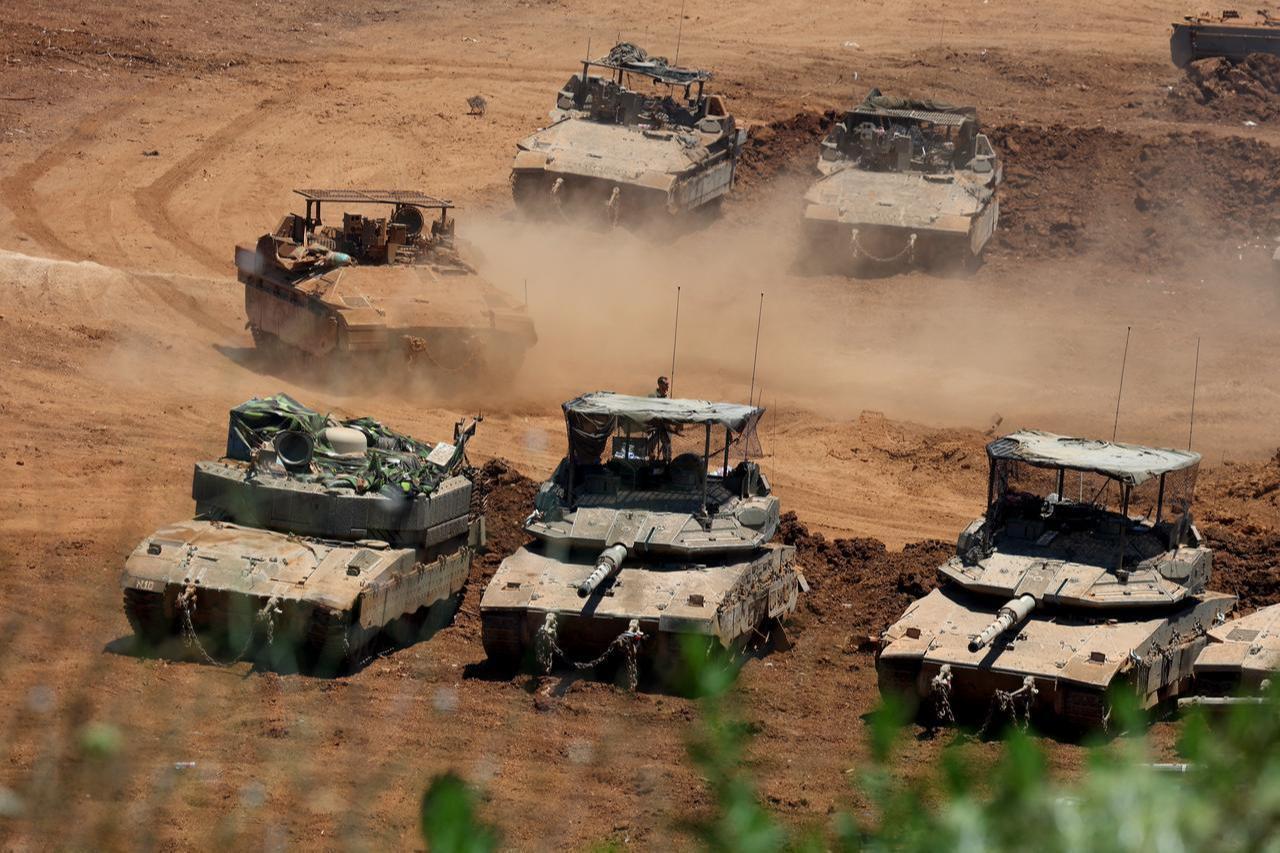
Under the deal, Israel agreed to pull back forces from two "pilot zones" in southern Lebanon, areas currently under Israeli occupation, which would then be taken over by the Lebanese army.
The agreement is intended to pave the way for Israel to "progressively redeploy out of" Lebanon, where it maintains a self-declared security zone extending as far as 10 kilometers into the country, though it did not specify a timeline for full withdrawal.
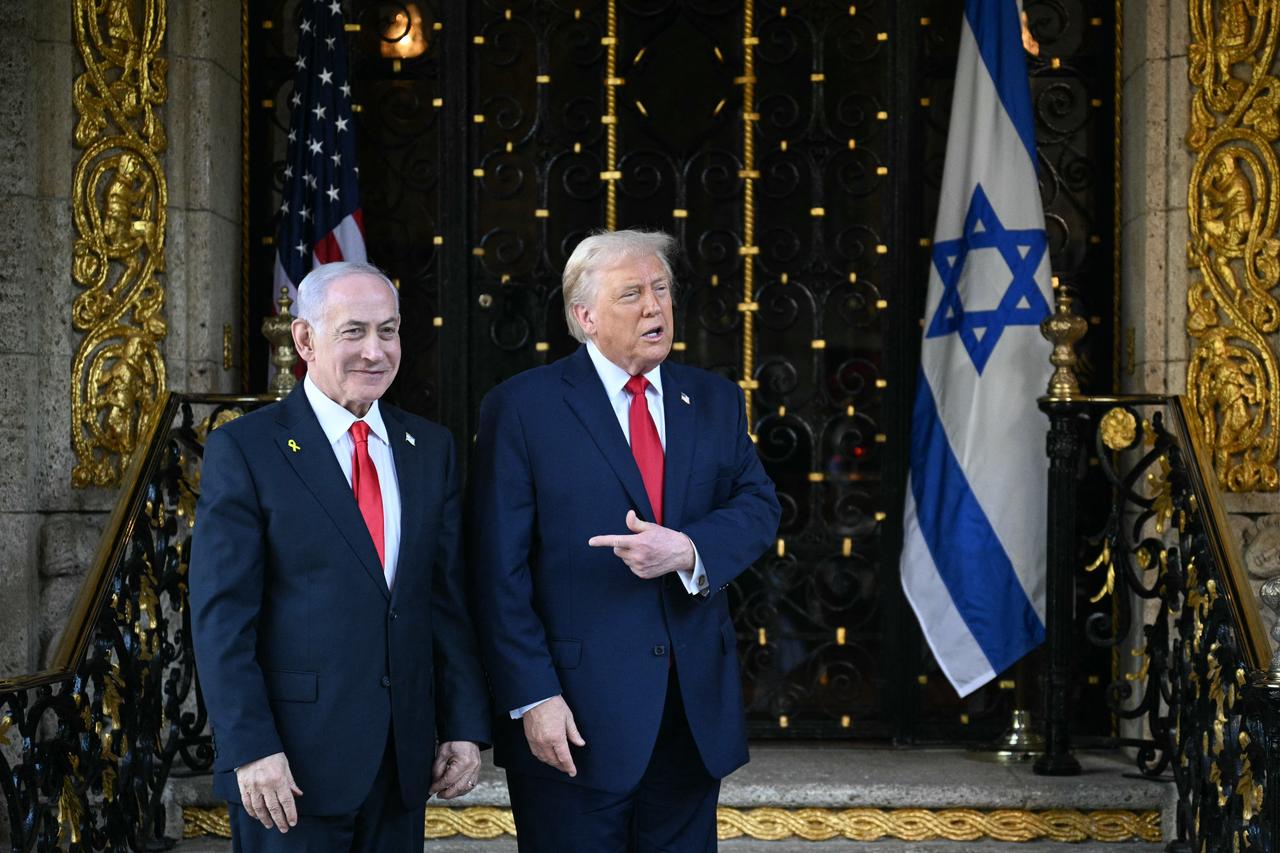
The Israeli Prime Minister Benjamin Netanyahu displayed a map at a press conference showing the two small village clusters intended as pilot zones, which Lebanese officials confirmed to the FT, though most of that territory is not currently under Israeli occupation.
The FT reported that important details about the oversight and verification mechanism had not yet been finalized, according to Lebanese officials and people familiar with the matter.
It added that Lebanese media had reported friction between army commander Rodolphe Haykal and the government over how to implement the deal's requirement that the army dismantle Hezbollah infrastructure.
The agreement, reached through several rounds of U.S.-brokered direct talks between Lebanon and Israel, has proven controversial domestically.
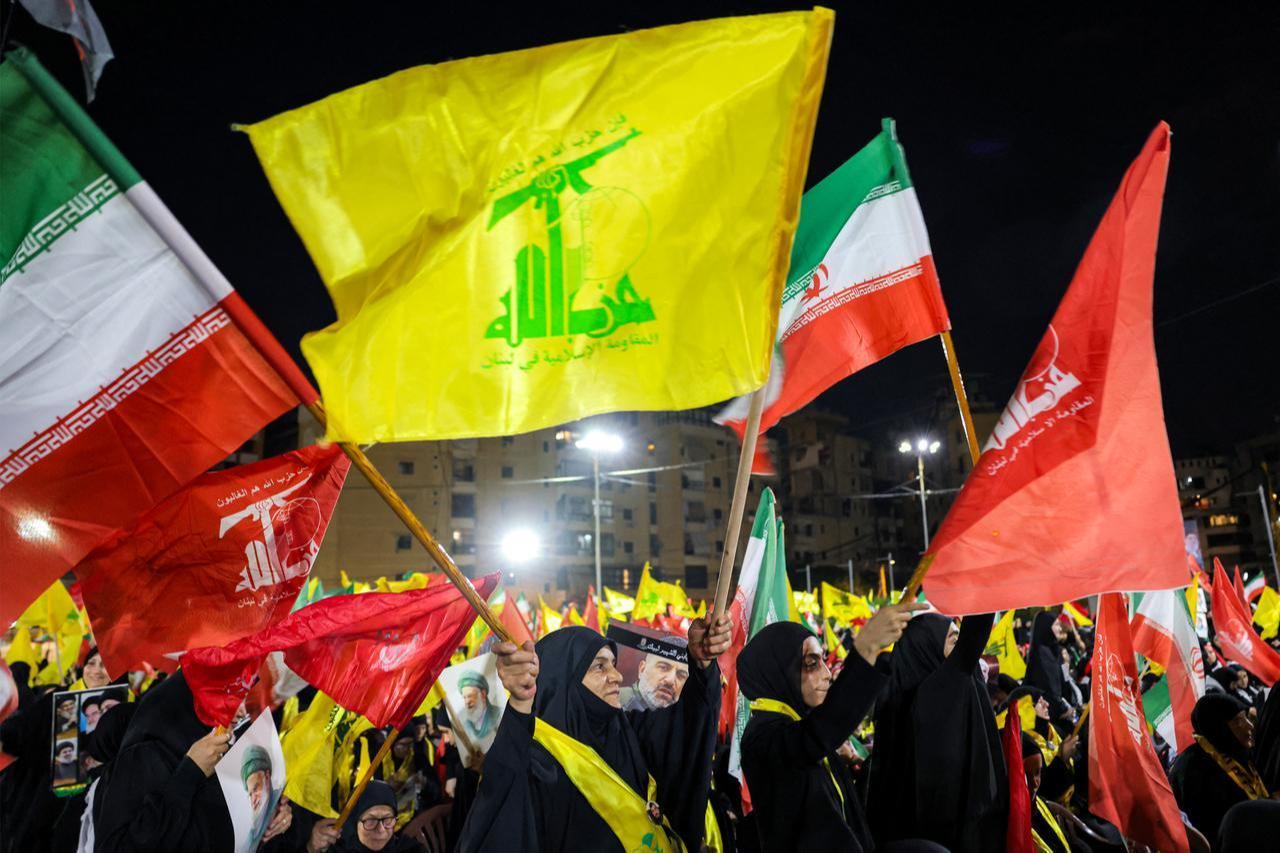
Hezbollah and its supporters have called it a "grave mistake," while other political factions have criticized it as overly deferential to Israel. One particularly contentious clause bars Beirut from pursuing Israel in international courts over alleged war crimes.
Hezbollah Secretary-General Naim Qassem said Wednesday the agreement was "entirely in Israel's interest" and urged President Joseph Aoun to pursue indirect rather than direct negotiations.
Druze leader Walid Jumblatt separately described the framework as "a unilateral agreement imposed by Israel," saying peace with Israel was "impossible."
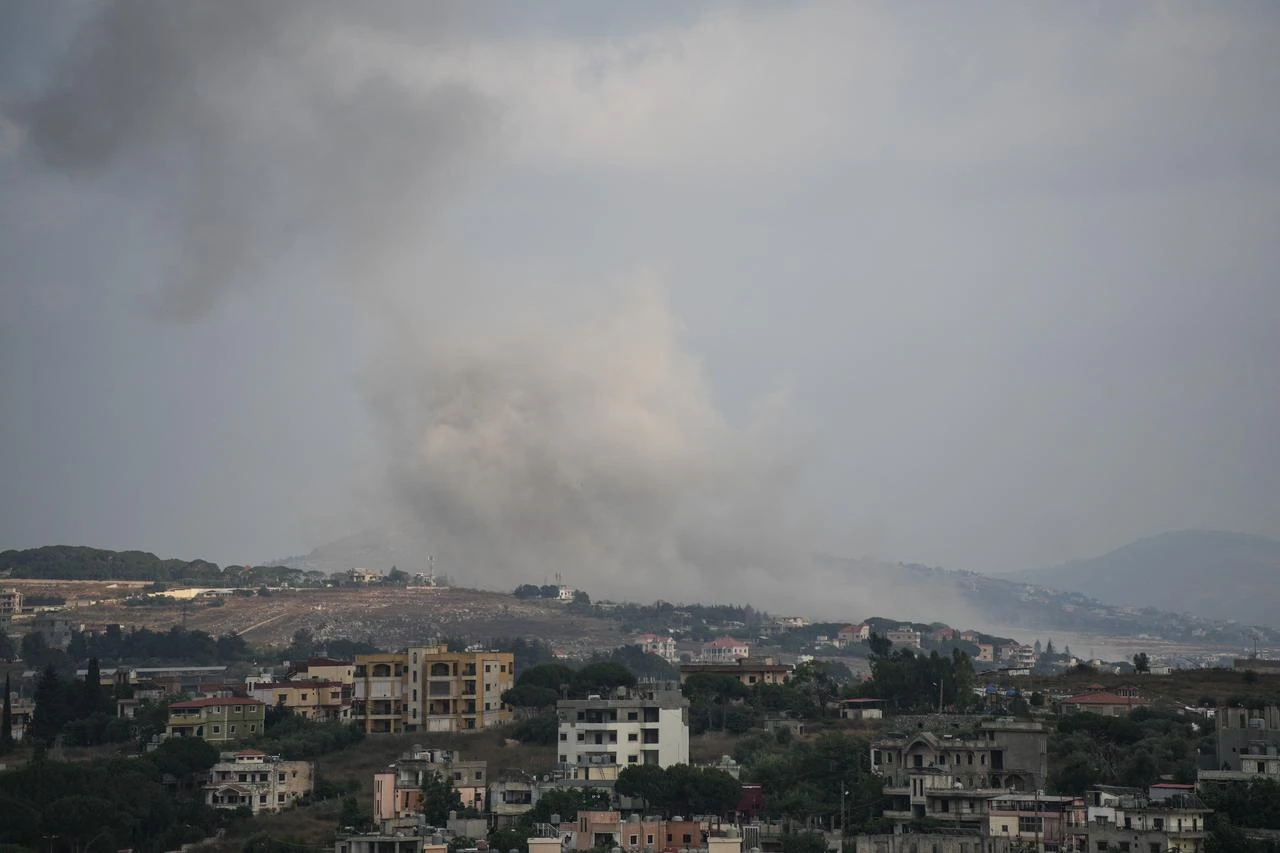
Despite the agreement, Lebanese media reported that the Israeli army has continued operations in southern Lebanon, including a series of home demolitions in Khiam and the detonation of explosives in nearby Taybeh.
Lebanon's Health Ministry said Wednesday that the death toll from Israel's operations in the country had risen to 4,321, with 12,204 injured since March 2.
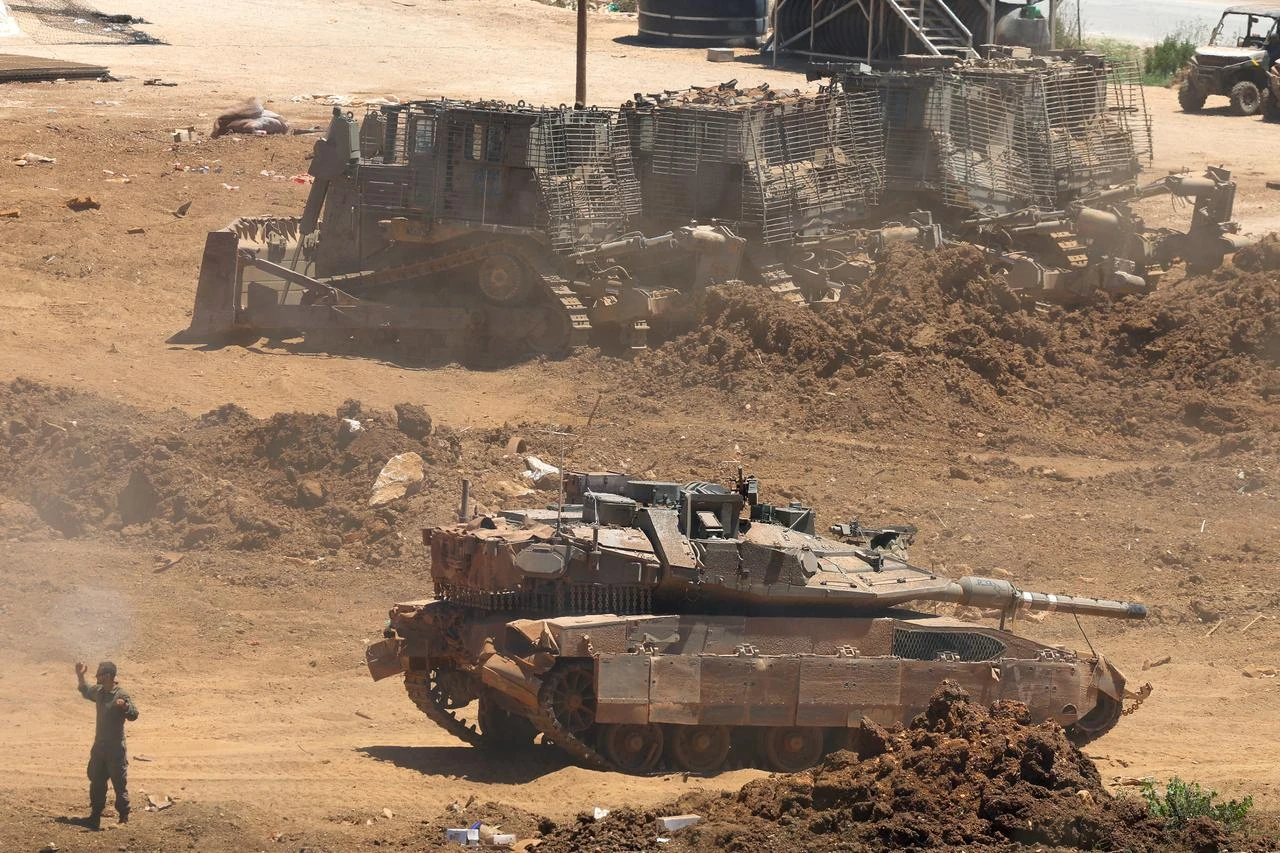
Israeli forces continue to occupy areas of southern Lebanon, some held for decades and others seized during the 2023-2024 war; during the most recent offensive, Israeli troops advanced more than 10 kilometers into Lebanese territory.
Aoun said Friday he would not reverse his decision to pursue negotiations with Israel, according to a statement from the presidency.
Speaking at a meeting with a delegation from the Lebanese Forces' parliamentary bloc, led by party chief Samir Geagea, Aoun said: "Why should the Lebanese people continue paying the price for wars ignited at the behest of external actors and for their interests? I assure you that I will not back down from the decision to negotiate that I have taken."
Aoun said his positions had always included explanations to the Lebanese public "about the importance of the path we are pursuing and Lebanon's commitment to its sovereignty in every step we take."
He said criticism of direct talks "does not deserve a response," noting Lebanon had entered direct negotiations with Israel before, dating to 1949.
He said the framework agreement would restore Lebanon's rights "through diplomatic means" if Israel complied with its provisions and the deal was successfully implemented, adding: "All the criticism targeting this path stems from a desire to return the Lebanese file to being a card in Iran's hands."
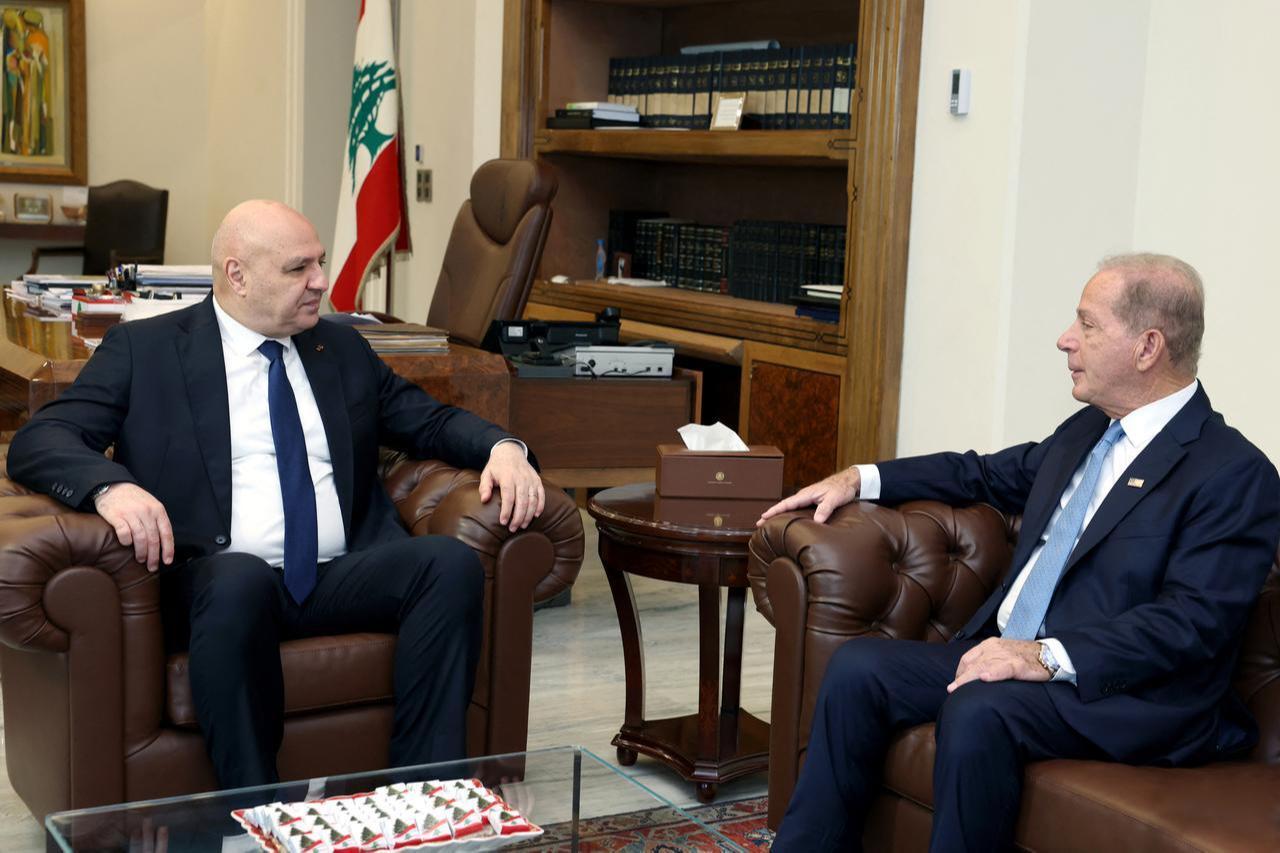
In a separate meeting on Thursday with U.S. Ambassador to Lebanon Michel Issa, Aoun stressed the need to "pressure Israel" to adhere to the ceasefire.
Aoun is expected to visit Washington later this month.
The Lebanon framework agreement is separate from the interim deal signed last month between the U.S. and Iran to reopen the Strait of Hormuz and extend their ceasefire by 60 days, though that agreement also required an end to the Israel-Hezbollah conflict as one of Tehran's conditions for ending the broader regional war, which began when the U.S. and Israel struck Iran on Feb. 28.
Hezbollah entered the fighting on March 2 by launching projectiles at Israel in solidarity with Iran, which reported that Beirut has sought to separate Lebanon's fate from the U.S.-Iran deal in order to reduce Tehran's influence over its domestic affairs, as Hezbollah was not a party to the framework talks between Lebanon and Israel.


 Set as preferred source
 Set as preferred source


 1 min read
 1 min read