Newsletters


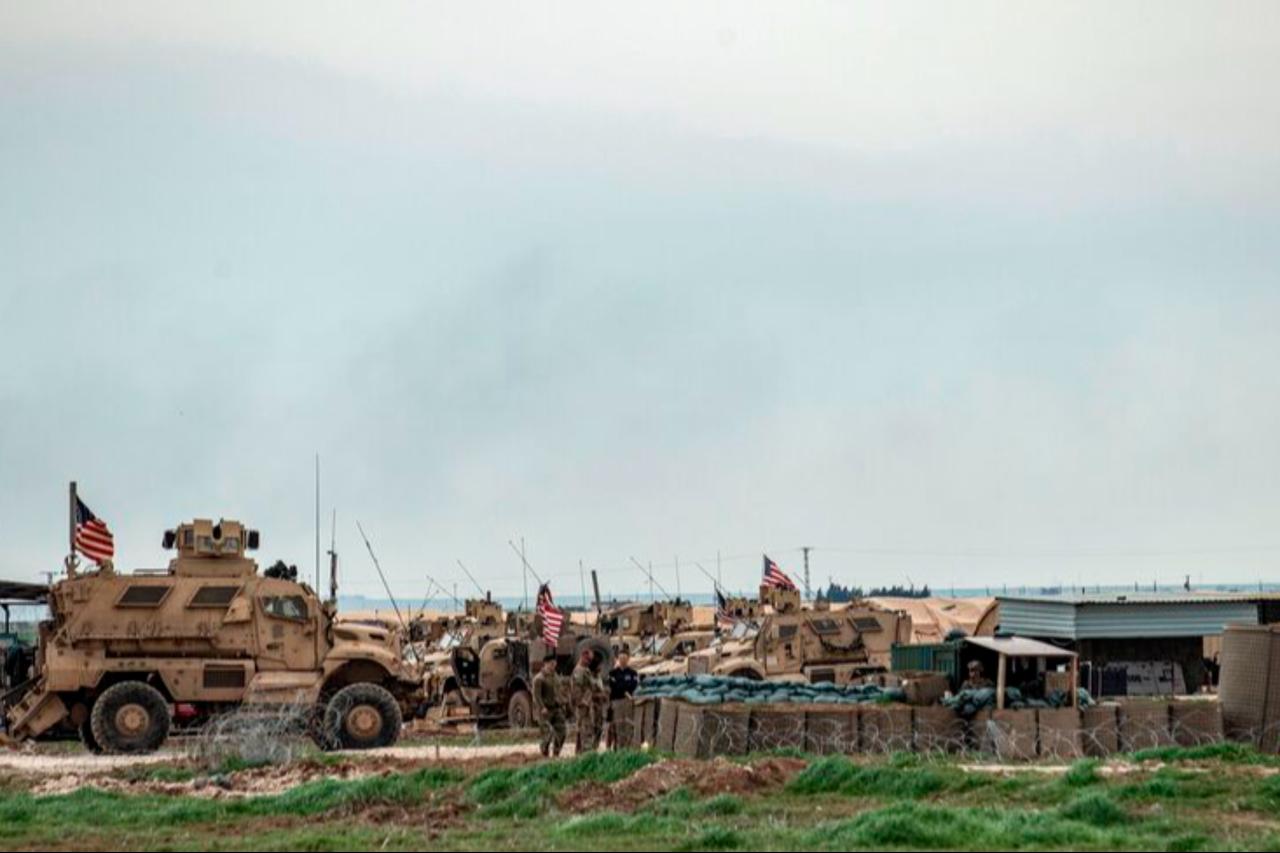


Iranian Foreign Minister Abbas Araghchi declared on Tuesday that U.S. military bases across the Middle East are "legitimate targets" for Iranian forces, as embassies and diplomatic missions shuttered from Riyadh to Islamabad amid the escalating regional conflict.
 Breaking News, Direct to You.
 Follow Türkiye Today on WhatsApp
for real-time updates and key insights from Türkiye and beyond.
Follow Türkiye Today on WhatsApp
for real-time updates and key insights from Türkiye and beyond.
Speaking on Iranian state television, Araghchi said Iran does not have the ability to reach the U.S. mainland but has access to American military installations across the region.
"We do not have access to the American mainland, but we do have access to this country's military bases in the region. These bases are legitimate targets for us because they are both used in attacks against Iran and belong to a country that has committed aggression against us," Araghchi said.
He said Iran had repeatedly warned regional countries that if the United States entered the war directly, the conflict could not remain limited and would inevitably spread across the region, not because Iran wanted to regionalize the war, but because U.S. military bases and facilities are spread throughout the area.
"Even if it is claimed that some bases were not used against Iran, the fact remains that they belong to a country that targets our cities, hospitals and schools every day. When more than 160 innocent schoolgirls are targeted in a school, Iran cannot be expected not to respond against the military infrastructure of the aggressor," Araghchi stated.
He stressed that Iran's conflict was not with regional countries but with U.S. forces stationed at military bases in those nations.
"We expect regional countries, instead of pressuring Iran, to demand that America stop this illegal and unjust war that was started without any legitimate justification and has endangered the stability of the region," he added.
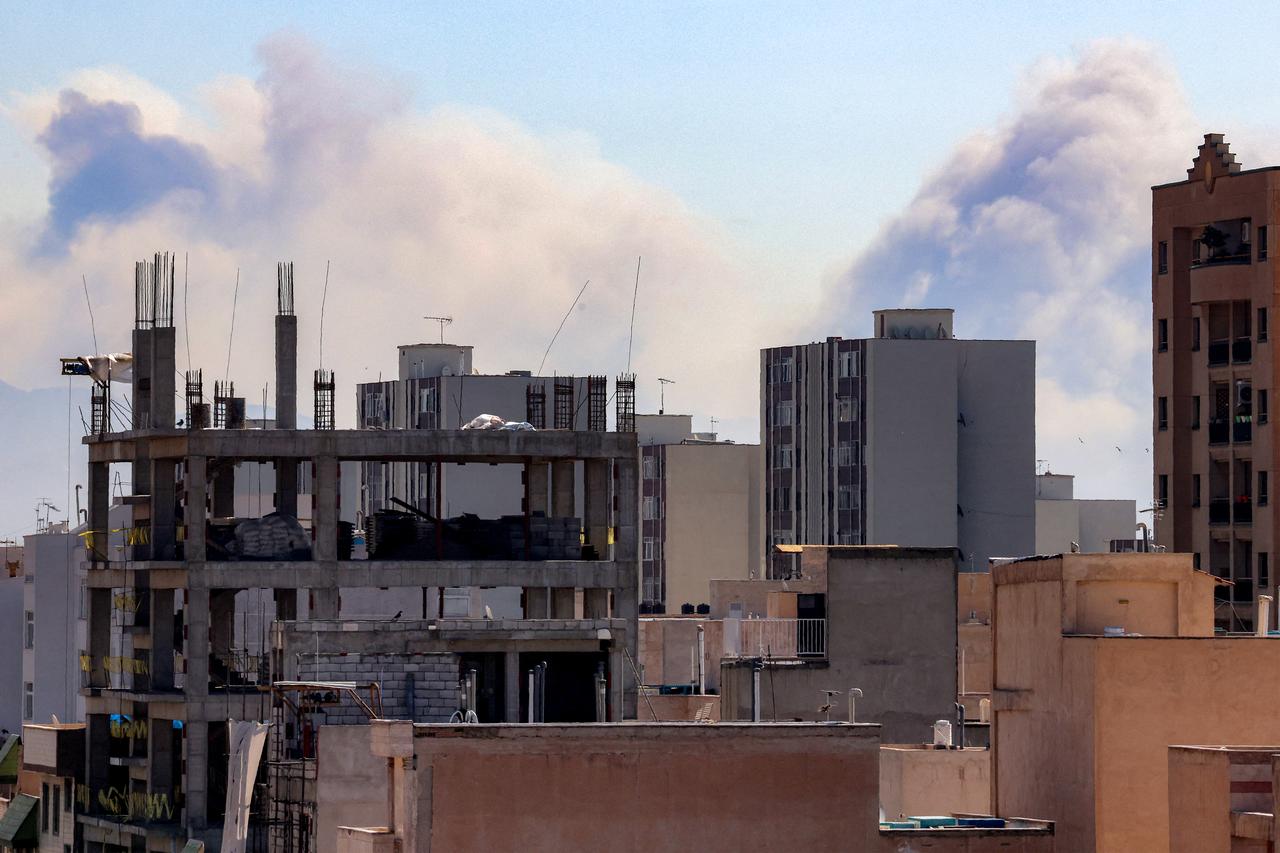

Addressing the killing of Supreme Leader Ali Khamenei, Araghchi described it as a great loss for the Iranian nation but said the path of resistance would continue with greater strength.
"Iran's resilience against great powers demonstrates that this system has a deep-rooted and solid structure. This is not a system that will collapse with the coming and going of individuals," he noted.
Araghchi said the action by the United States and Israel was "not merely a political assassination" but also "a crime with religious dimensions and deep regional and international consequences."
"It appears the planners of this action have not yet fully grasped what consequences await them," he added.
On negotiations, Araghchi said Iran entered talks despite awareness of a possible American deception.
"We entered negotiations to show world public opinion that Iran favors dialogue. It was Washington that betrayed the negotiating table," he said.
"We were not deceived. The armed forces fulfilled their mission, the state was fully prepared, and military response was delivered shortly after the attacks began," Araghchi noted.
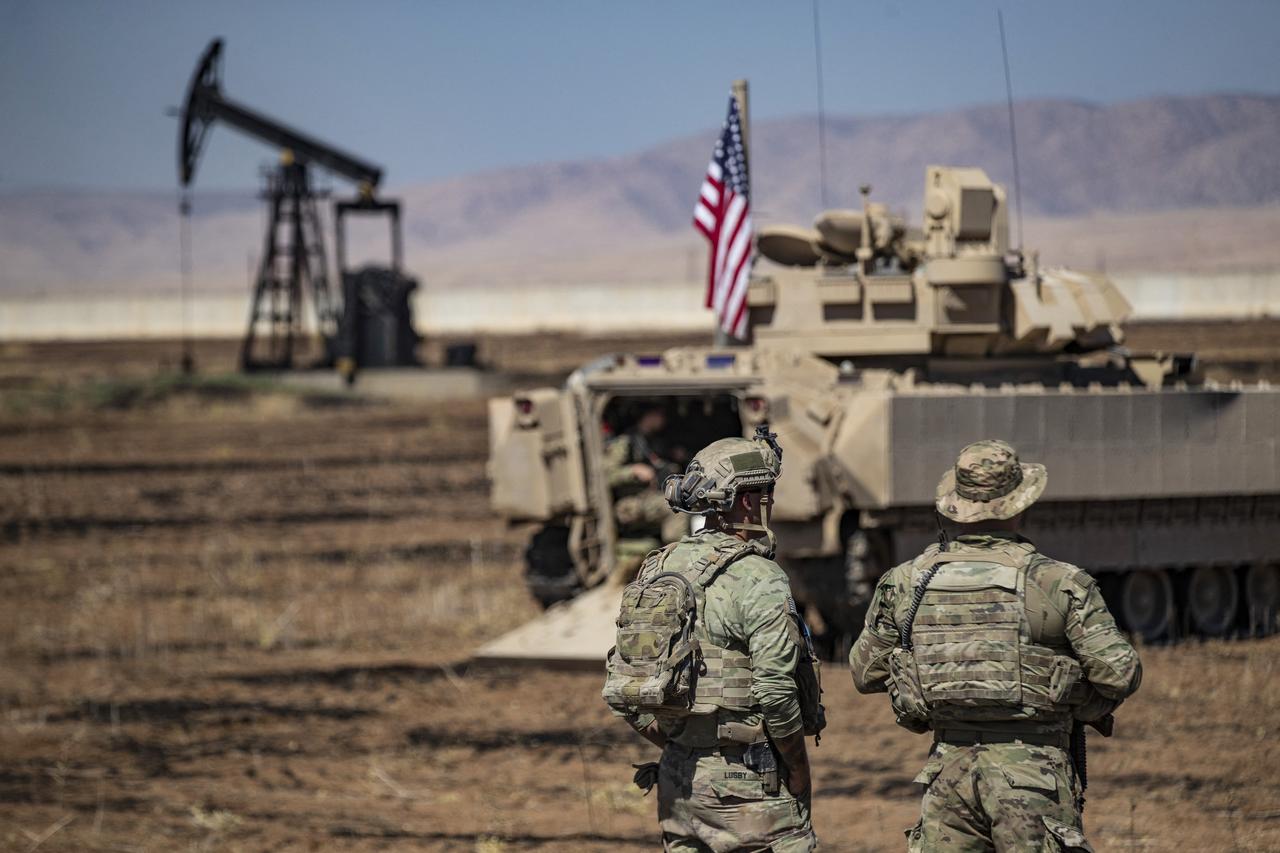
The diplomatic fallout from the conflict widened sharply on Tuesday as U.S. missions across the region closed or curtailed operations.
The U.S. Embassy in Kuwait announced it would be closed "until further notice," canceling all regular and emergency consular appointments.
The U.S. Embassy in Riyadh closed Tuesday following a drone attack, canceling all routine and emergency American Citizen Services appointments.
A shelter-in-place notification for Jeddah, Riyadh and Dhahran remains in effect, the embassy said, urging American citizens in the Kingdom to continue sheltering in place.
The Saudi Defense Ministry said the drone attack on the embassy caused a limited fire and minor material damage but no casualties.
The U.S. Department of State ordered non-emergency government employees and their families to leave Qatar, Jordan, Iraq, Bahrain and Kuwait due to the rapidly escalating regional tensions. The department warned those remaining to prepare alternative plans in case the situation deteriorated further.
The U.S. Embassy in Doha suspended routine consular services as a precautionary measure.
In Iraq, U.S. government personnel in Baghdad were prohibited from using Baghdad International Airport due to security concerns, the U.S. mission said.
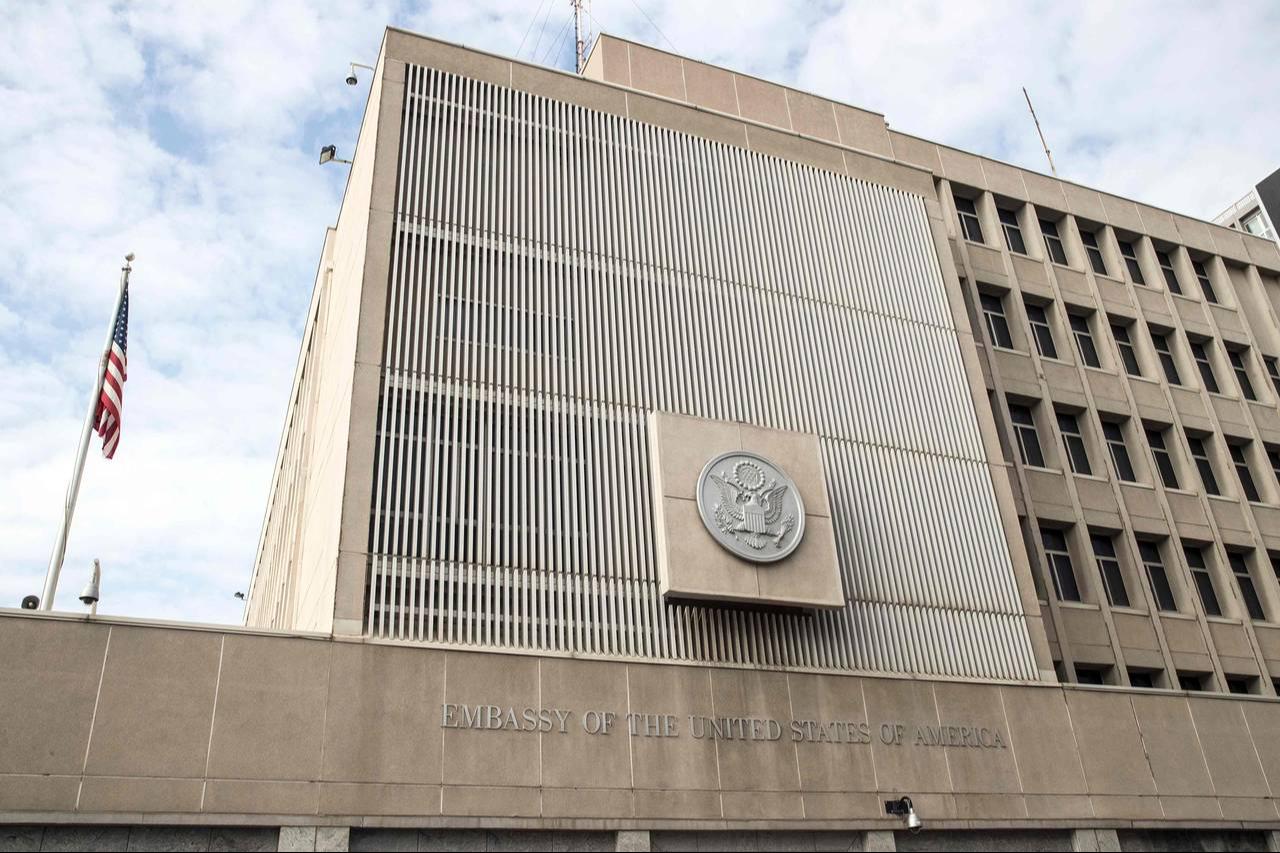
Canada's Embassy in Riyadh closed Tuesday, citing the "current security situation." All in-person appointments were canceled through Friday.
The U.S. Embassy in Islamabad and consulates in Karachi and Lahore suspended all visa appointments through March 6, citing the current security situation.
The killing of Khamenei triggered widespread protests across Pakistan.
In Karachi, clashes between protesters and police on March 1 left 10 people dead and 32 wounded. In Islamabad, two people were killed and more than 30 were injured during demonstrations.
In the Gilgit-Baltistan region, attacks on United Nations offices led to 12 deaths and more than 80 injuries. Police intervened in a protest in Lahore, while demonstrators attempting to march toward the U.S. Consulate in Peshawar were blocked.
The United States and Israel launched military strikes against Iran on Feb. 28 while negotiations between Tehran and Washington were still underway.
Iran has retaliated with drone and missile strikes against Israel and Gulf countries hosting U.S. military assets.
The Iranian Red Crescent has reported 555 people killed and 747 wounded in the bombardments.


 Set as preferred source
 Set as preferred source


 2 min read
 1 min read