Newsletters


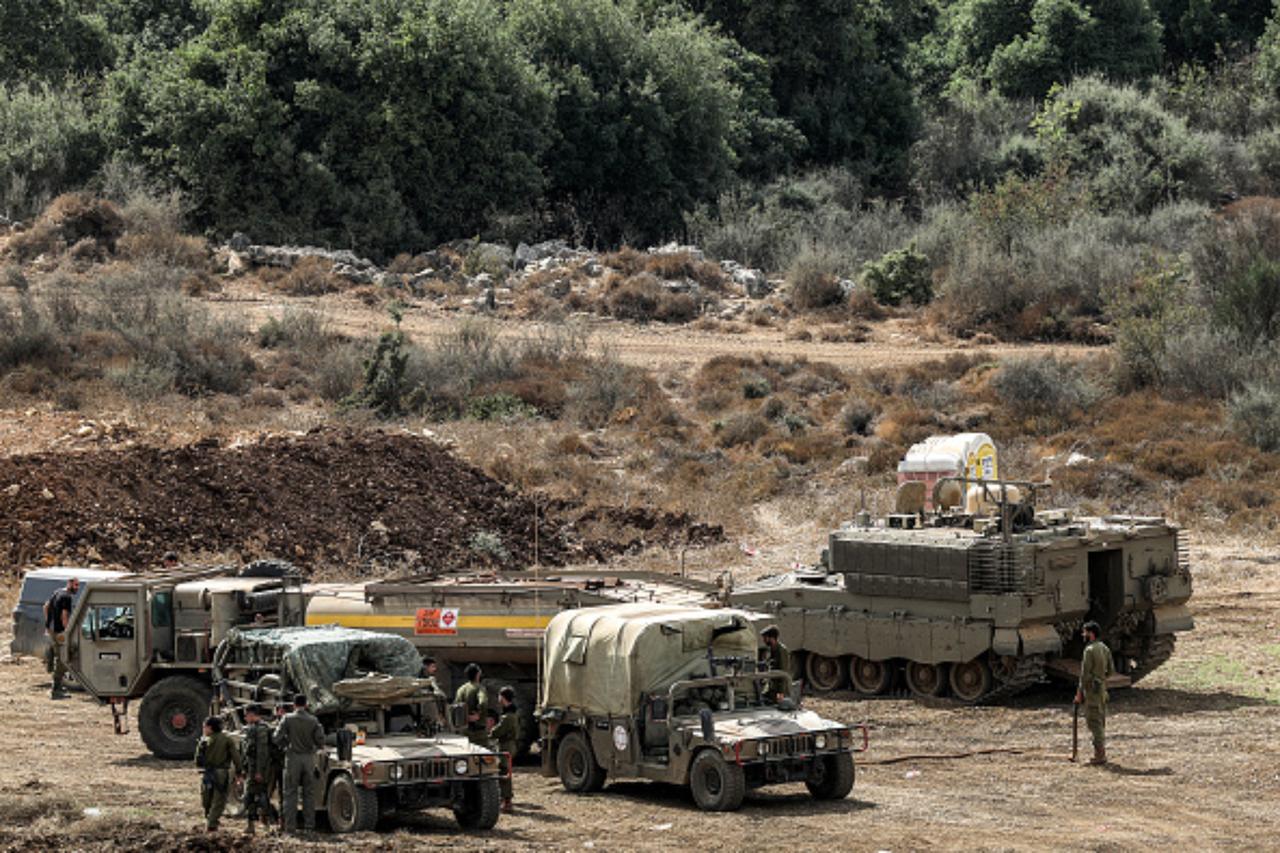


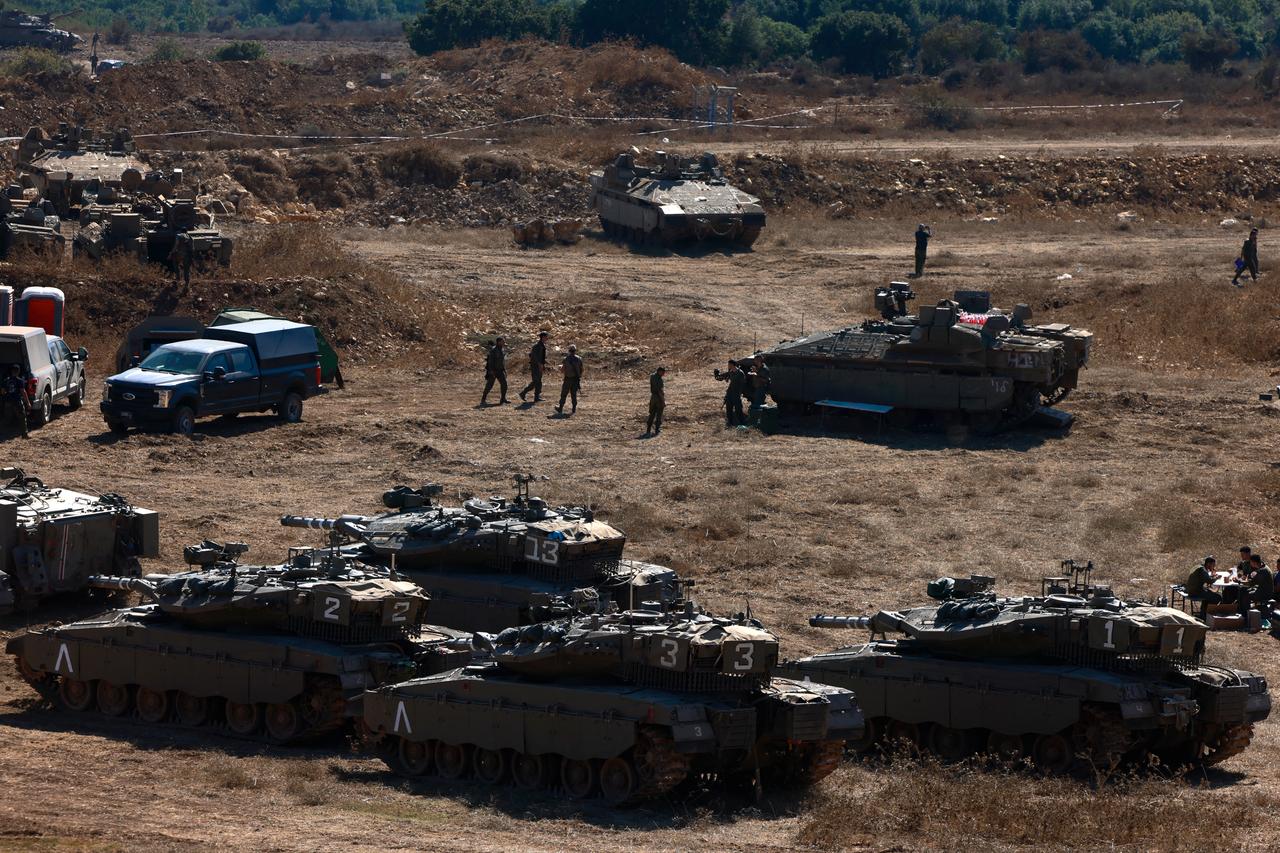
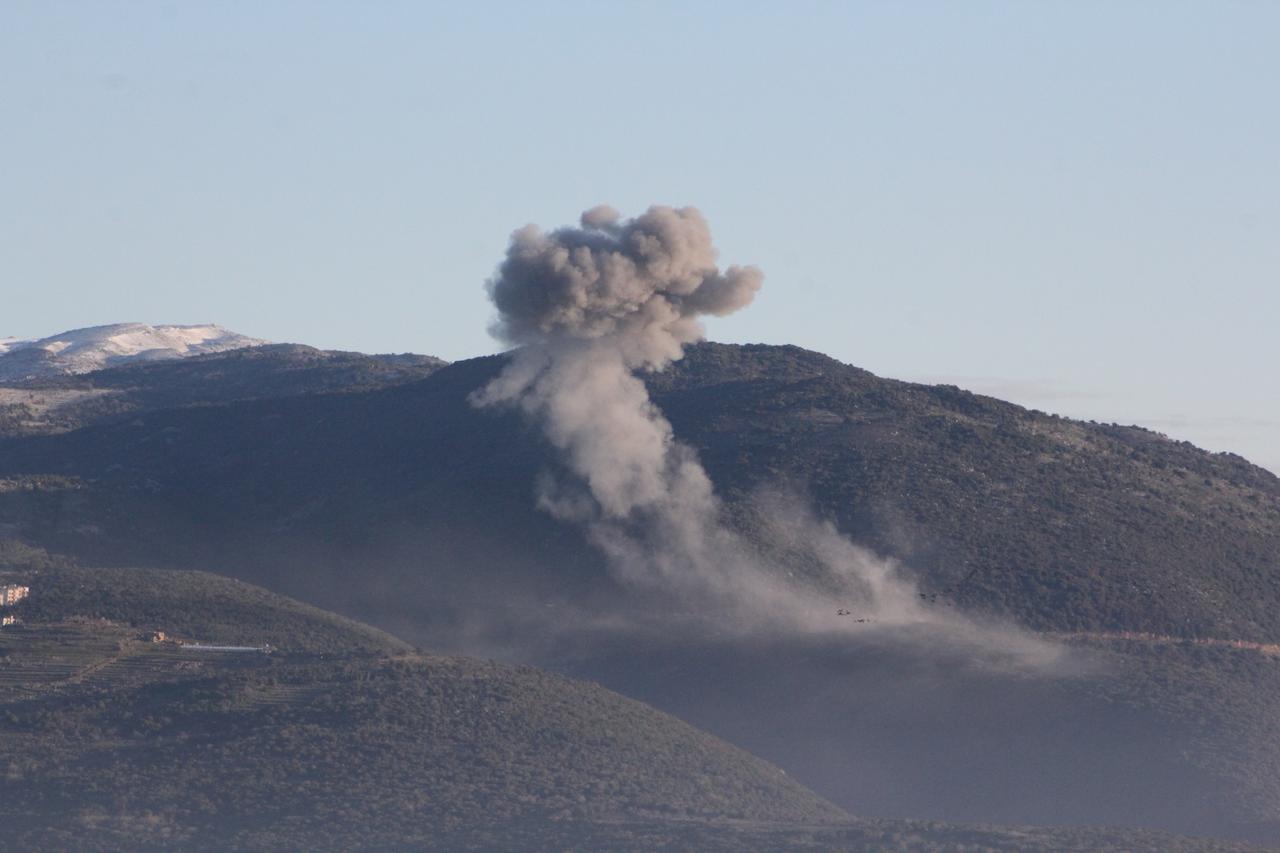
Israeli ground forces moved further into southern Lebanon on Tuesday as part of what the military described as an "enhanced forward defense posture," opening a new front in the expanding regional conflict while simultaneously launching large-scale airstrikes on Tehran and Beirut.
Israeli Defense Minister Israel Katz stated, "Prime Minister Benjamin Netanyahu and I have authorized the IDF to advance and take control of additional commanding areas in Lebanon in order to prevent fire against Israeli border communities."
"The IDF continues to operate forcefully against Hezbollah targets in Lebanon. The terrorist organization is paying and will continue to pay a price for its fire toward Israel," he added.
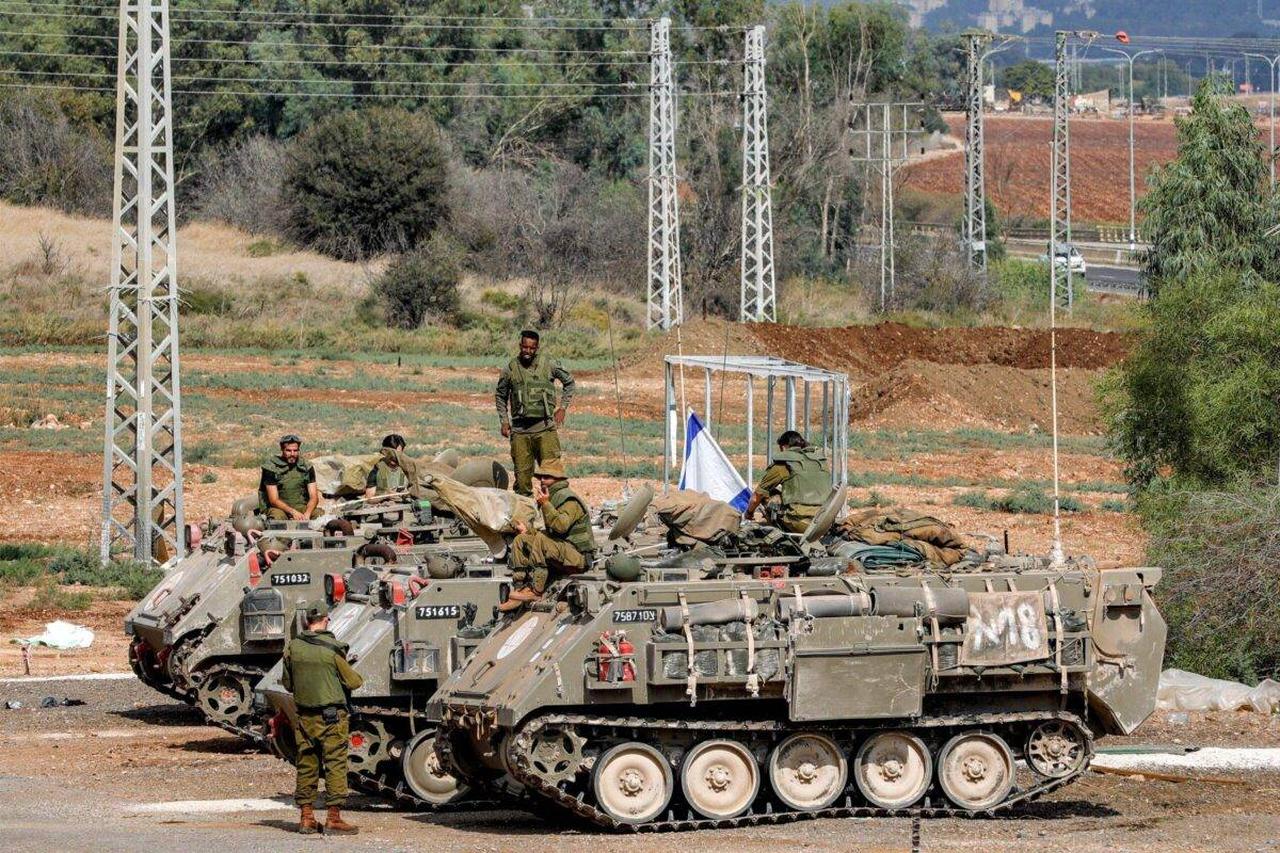

The Israeli army announced that soldiers of the 91st "Galilee" Regional Division are operating in southern Lebanon and holding positions at several points near the border area, moving beyond the five posts currently held by Israel.
"In parallel to Israeli army activity as part of Operation 'Roaring Lion,' Israeli soldiers are operating in southern Lebanon and are positioned at several points near the border area as part of an enhanced forward defense posture," the military said.
The Israeli army described the deployment as a "tactical measure on the border" and not part of a wider ground operation inside Lebanon.
It said it was "working to create an additional security layer for residents of northern Israel through extensive strikes on Hezbollah infrastructure to thwart threats and prevent infiltration attempts into Israeli territory."
"The Hezbollah organization chose to attack Israel on behalf of the Iranian regime, and it will bear the consequences of its actions. The Israeli army will not allow harm to Israeli civilians, and will continue to act to defend the State of Israel and its citizens," the military said.
Separately, the military said it was prepared to operate against Iran "for weeks."
Israel also issued warnings to residents of 59 villages and towns in southern Lebanon, ordering them to evacuate their homes and move at least 1 kilometer away, claiming Hezbollah targets in those areas would be struck.
The army had previously demanded the evacuation of 30 towns along the southern border line.
Hezbollah stated on Tuesday that it targeted three Israeli military bases in response to the strikes on its strongholds in Lebanon, including Beirut's southern suburbs.
"In response to the criminal Israeli aggression on dozens of Lebanese cities and towns," Hezbollah fighters targeted the Ramat David air base and the Meron base in northern Israel with drone strikes, the Iran-backed group said in multiple statements. They added that they also targeted a base in the occupied Golan Heights with a rocket barrage.
The Israeli army said two drones from Lebanon were intercepted overnight, with no reports of impacts in Israel. Five rockets were also launched from Lebanon at northern Israel, setting off sirens in the Galilee Panhandle.
Some were intercepted by air defenses, and others were allowed to hit open areas "according to protocol," the Israeli army said. No injuries were reported.
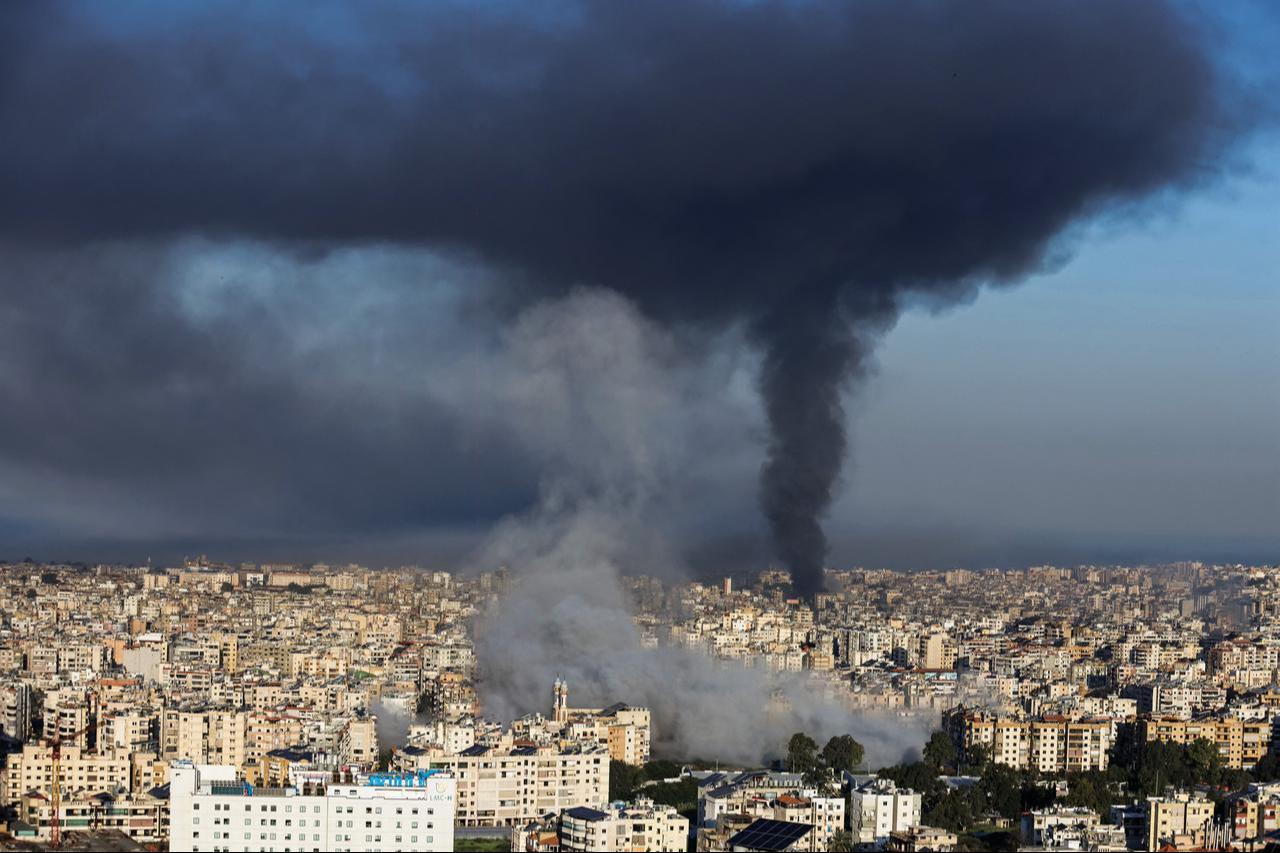
Israeli airstrikes early Monday on Beirut's southern suburbs and southern Lebanon killed 31 people and injured 149, according to Lebanon's Health Ministry.
Strikes continued throughout the day, targeting villages and towns in southern Lebanon as well as areas of Beirut.
Israel also struck the headquarters of Al-Manar TV, the Hezbollah-affiliated broadcaster, in Beirut's Dahiyeh district in the Haret Hreik neighborhood. Loud explosions were heard across the district.
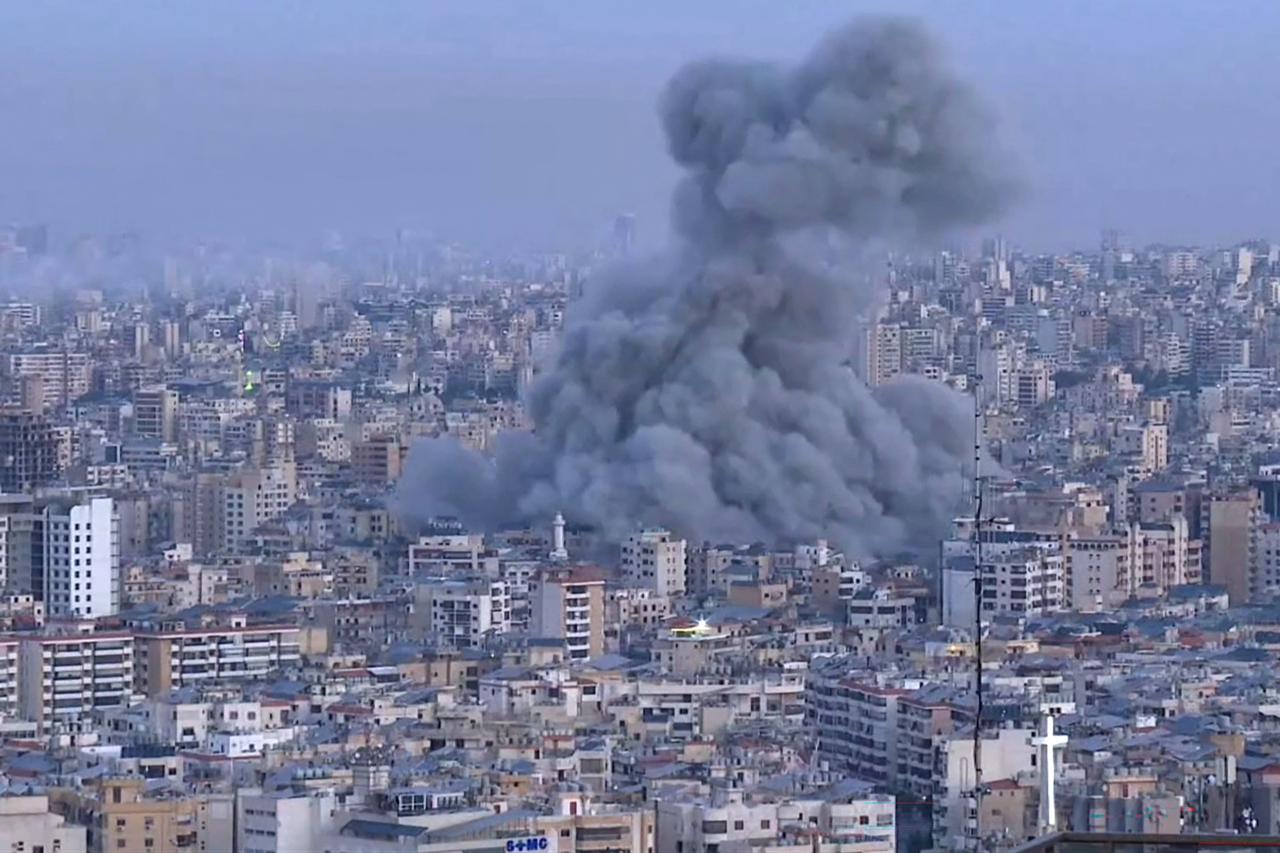
The Israeli military said Tuesday it launched simultaneous large-scale airstrikes on targets in Tehran and Beirut.
The Israeli Air Force carried out coordinated strikes on sites affiliated with the Iranian administration in Tehran and on Hezbollah positions in Lebanon's capital.
The wider escalation continued with Iranian drone strikes hitting the U.S. Embassy in Saudi Arabia. U.S. President Donald Trump responded by saying, "You'll soon know our response to the killing of the soldiers and the attack on the embassy."
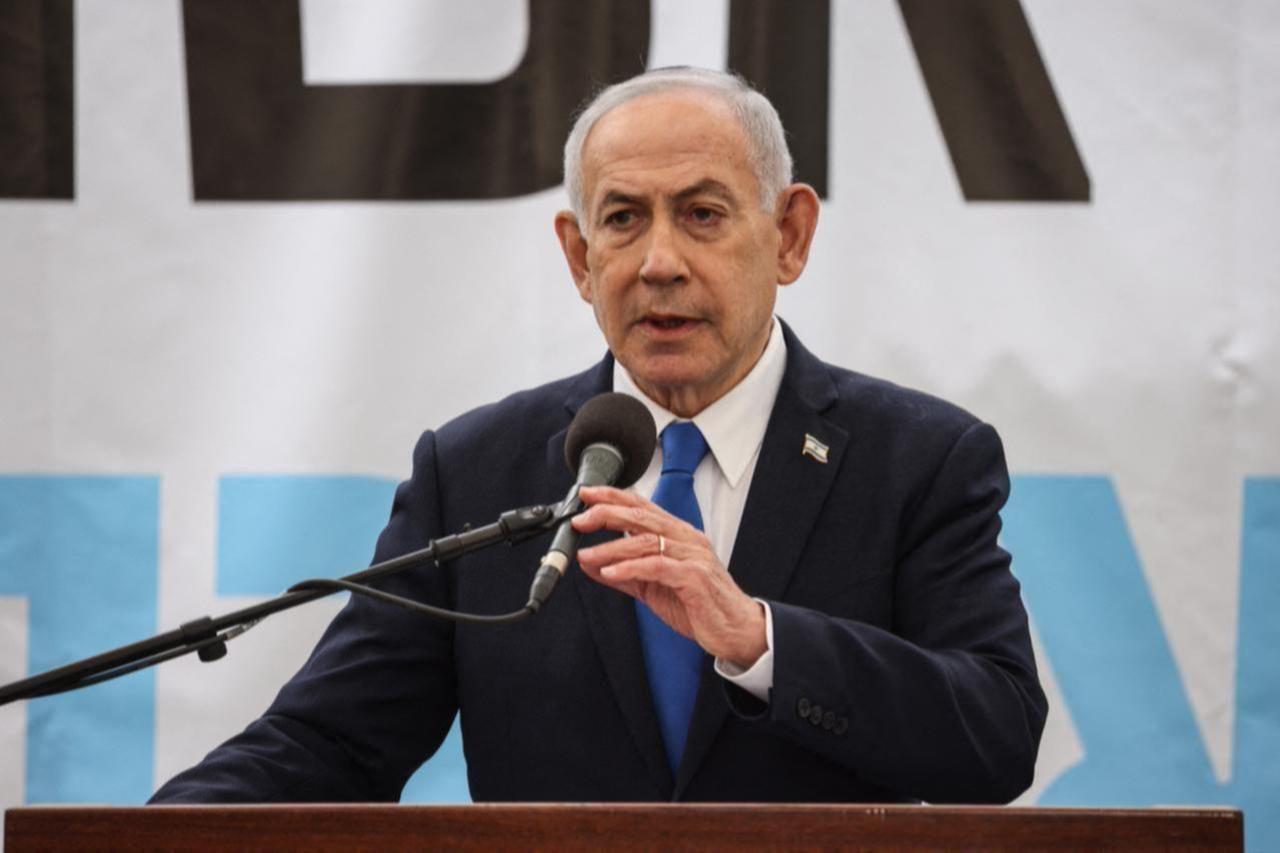
Israeli Prime Minister Benjamin Netanyahu promised swift and decisive action against Iran.
The United States and Israel have continued a large-scale military campaign against Iran since Feb. 28, killing Supreme Leader Ali Khamenei and top military officials.
Iran has retaliated with drone and missile strikes targeting Israel and Gulf countries hosting U.S. assets.
Since a ceasefire agreement between Israel and Lebanon took effect in late November 2024, Israel has committed near-daily violations in Lebanon that have killed hundreds of people.
Israel began its offensive against Lebanon in October 2023 and escalated it into a full-scale war in September 2024, killing more than 4,000 people and wounding around 17,000.


 Set as preferred source
 Set as preferred source


 1 min read
 1 min read