Newsletters


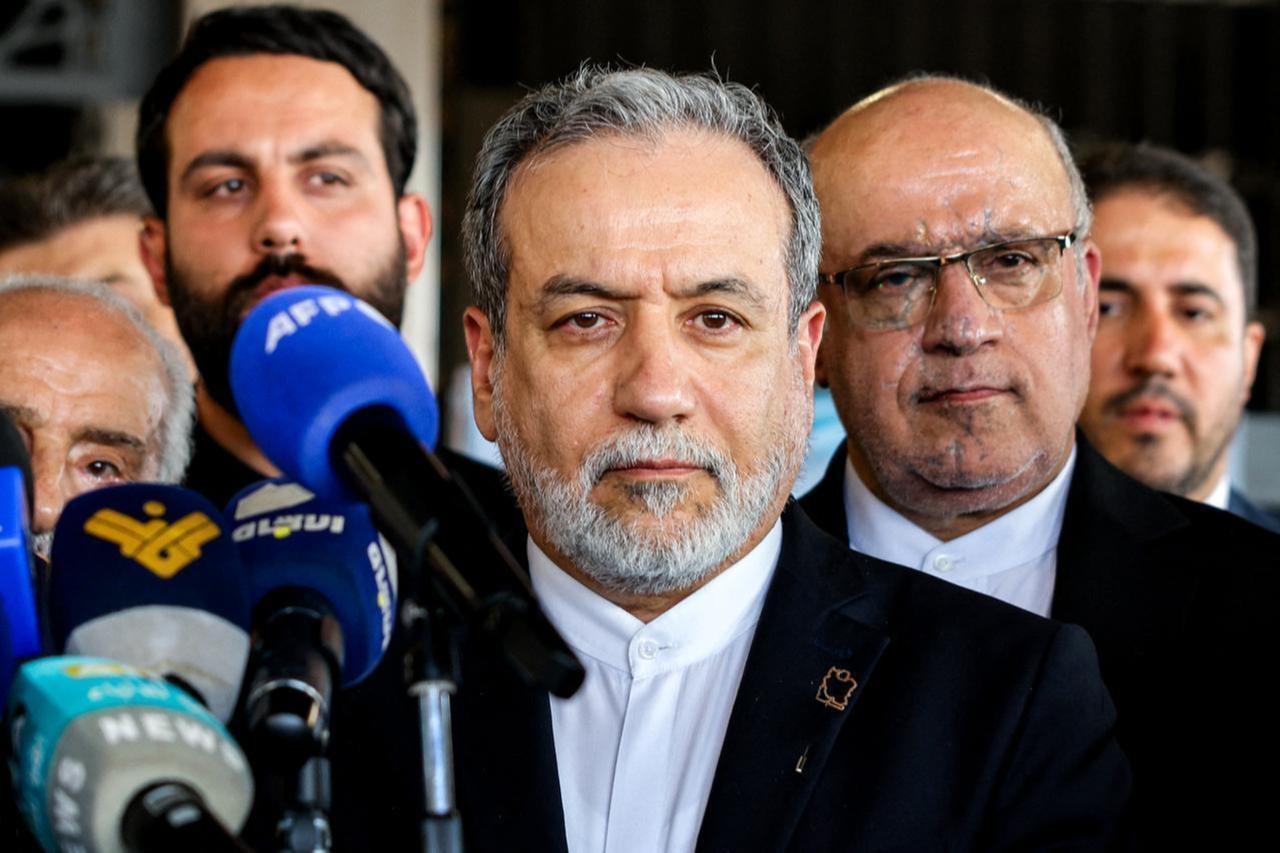


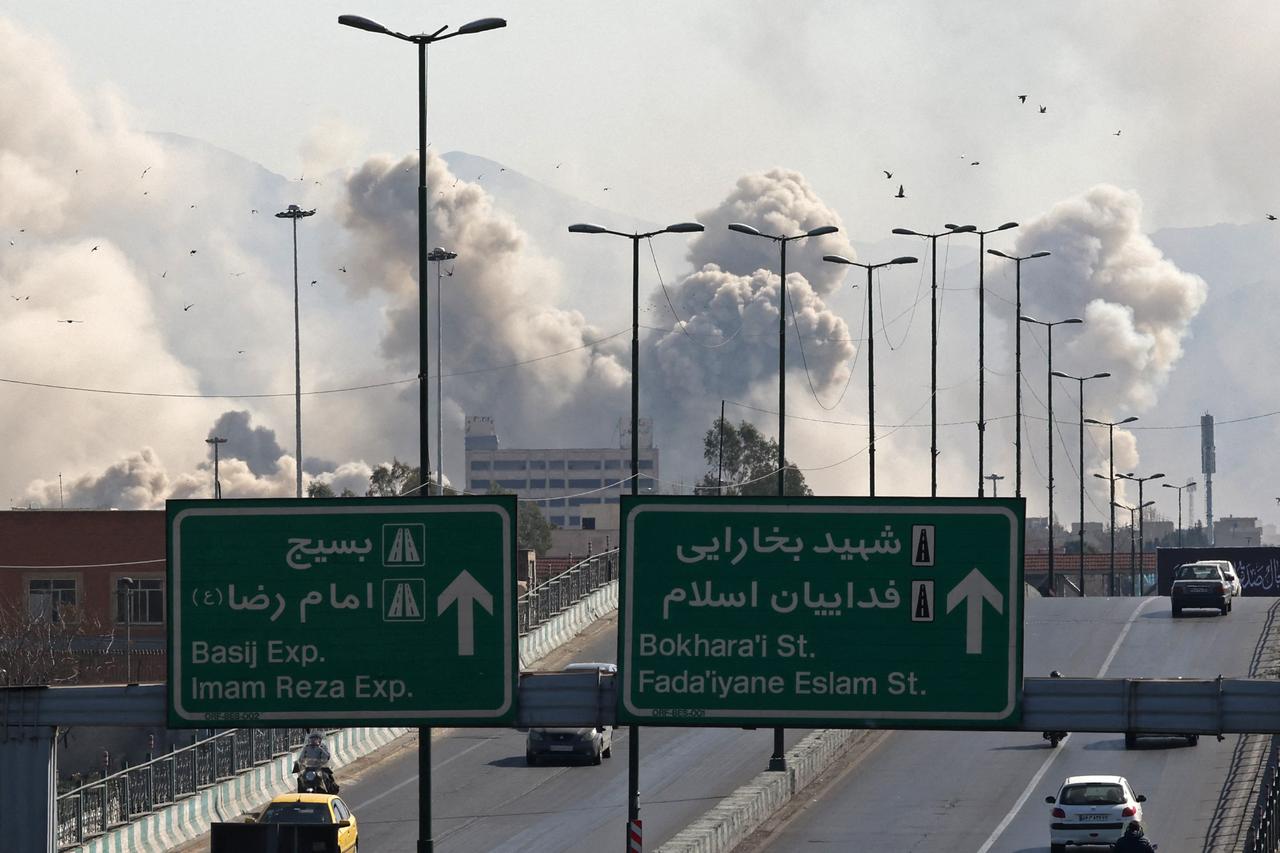
Iranian Foreign Minister Abbas Araghchi has declared that Tehran is ready to face a potential American ground invasion and has ruled out any future negotiations with the United States, as the military conflict engulfing Iran continues to escalate.
Speaking to NBC Nightly News anchor Tom Llamas in a video interview from Tehran, Araghchi struck a defiant posture even as U.S. and Israeli airstrikes continue to pound targets across the country. When asked whether the prospect of a ground invasion concerned him, Araghchi was blunt: "No, we are waiting for them," he said, adding, "we are confident that we can confront them, and that would be a big disaster for them."

Araghchi made clear that Iran has not sought a ceasefire and has no intention of doing so, framing the country's stance as one of resilience rather than capitulation. He pointed to a 12-day war last June, when U.S. and Israeli forces targeted Iran's nuclear facilities, claiming it was Israel that ultimately requested an unconditional ceasefire after Iran held firm for nearly two weeks.
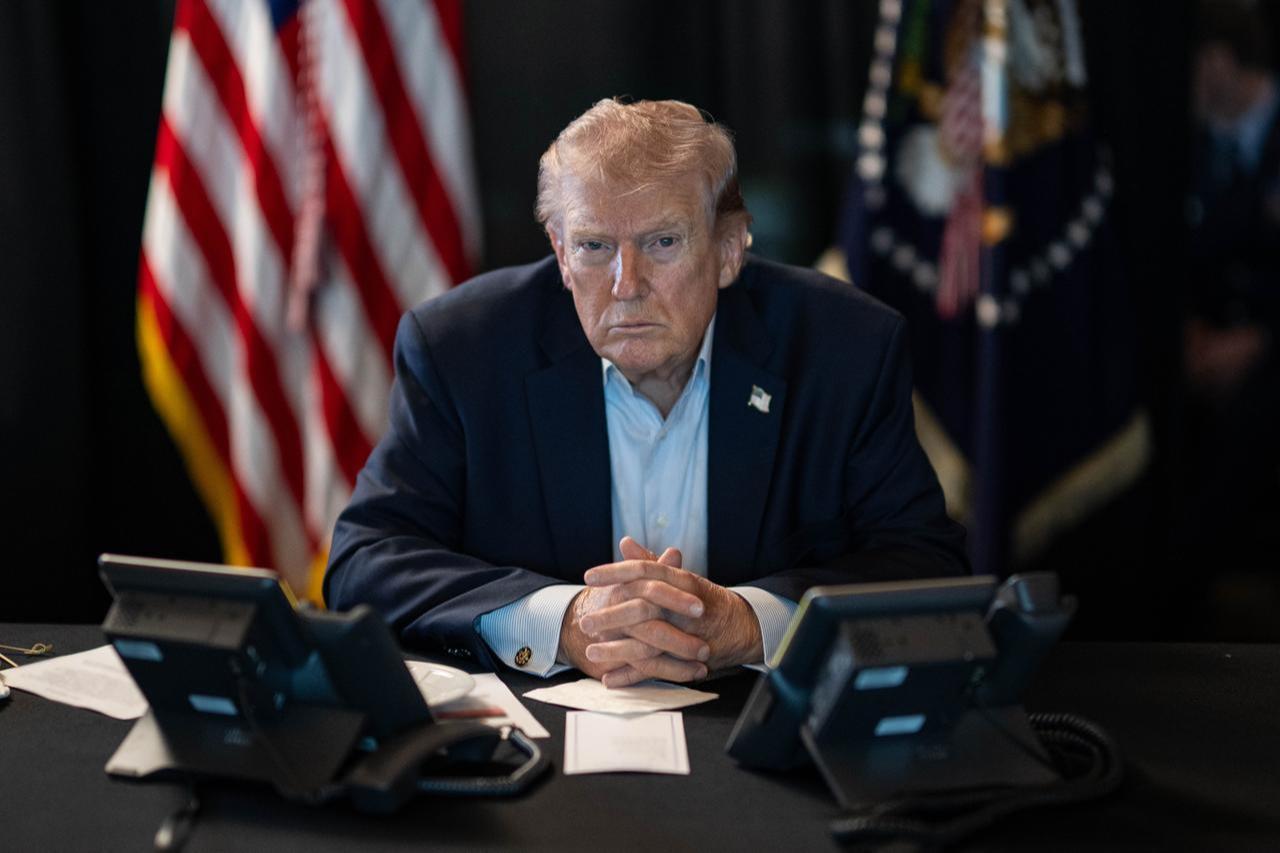
The foreign minister also effectively closed the door on diplomacy with the Trump administration. Just last Thursday, Araghchi had been in Geneva negotiating with President Donald Trump's envoy Steve Witkoff and son-in-law Jared Kushner over a possible deal. The U.S.-Israeli military operation, launched on Saturday while those talks were still notionally active, destroyed any remaining appetite for engagement, Araghchi said.
He told Llamas he has had no communication with either Witkoff or Kushner since last week. "We don't have any positive experience of negotiating with the United States, especially with this administration," he said, noting that on two separate occasions negotiations were followed by military strikes. "We see no reason why we should engage once again with those who are not honest in negotiation and do not enter into negotiation in good faith."
The interview also addressed a devastating attack on an elementary school in the southern city of Minab that has killed dozens of children. The U.S. military has said the incident is under investigation, and Llamas raised the possibility that an errant Iranian military munition may have been responsible.
Araghchi rejected that framing outright, saying 171 children were killed and placing blame squarely on Washington and its ally. "This is what our military said. So it is either U.S. or Israel. What is the difference?" he said.
The sweeping U.S.-Israeli assault, which began Saturday, decimated Iran's military defenses and killed Supreme Leader Ali Khamenei, the country's top authority. His death has opened a power vacuum at the pinnacle of the Islamic Republic, with speculation mounting that Mojtaba Khamenei, the late leader's second son, could emerge as successor.
Such a move would carry significant symbolic weight. The transfer of power from father to son would echo the dynastic monarchy that Iranians overthrew in the 1979 revolution, the very upheaval that established the Islamic Republic and its clerical system of governance.
Araghchi acknowledged the swirl of speculation but urged patience, saying a constitutional process governs succession. "We have to wait for the Assembly of Experts to choose a new supreme leader," he said, noting that the ongoing conflict could extend the timeline. The Assembly of Experts is an 88-member governmental body constitutionally charged with selecting Iran's supreme leader.
On reports that Trump has suggested he should have a role in choosing Khamenei's successor, Araghchi was dismissive. "That is absolutely the business of Iranian people, and nobody can interfere," he said.
Despite the scale of the destruction and the diplomatic collapse, Araghchi offered a somber but unyielding assessment of the war's trajectory. "There is no winner in this war," he said. "Our win is to be able to resist against the illegal goals, and this is what we have done so far."


 Set as preferred source
 Set as preferred source


 1 min read
 1 min read