Newsletters


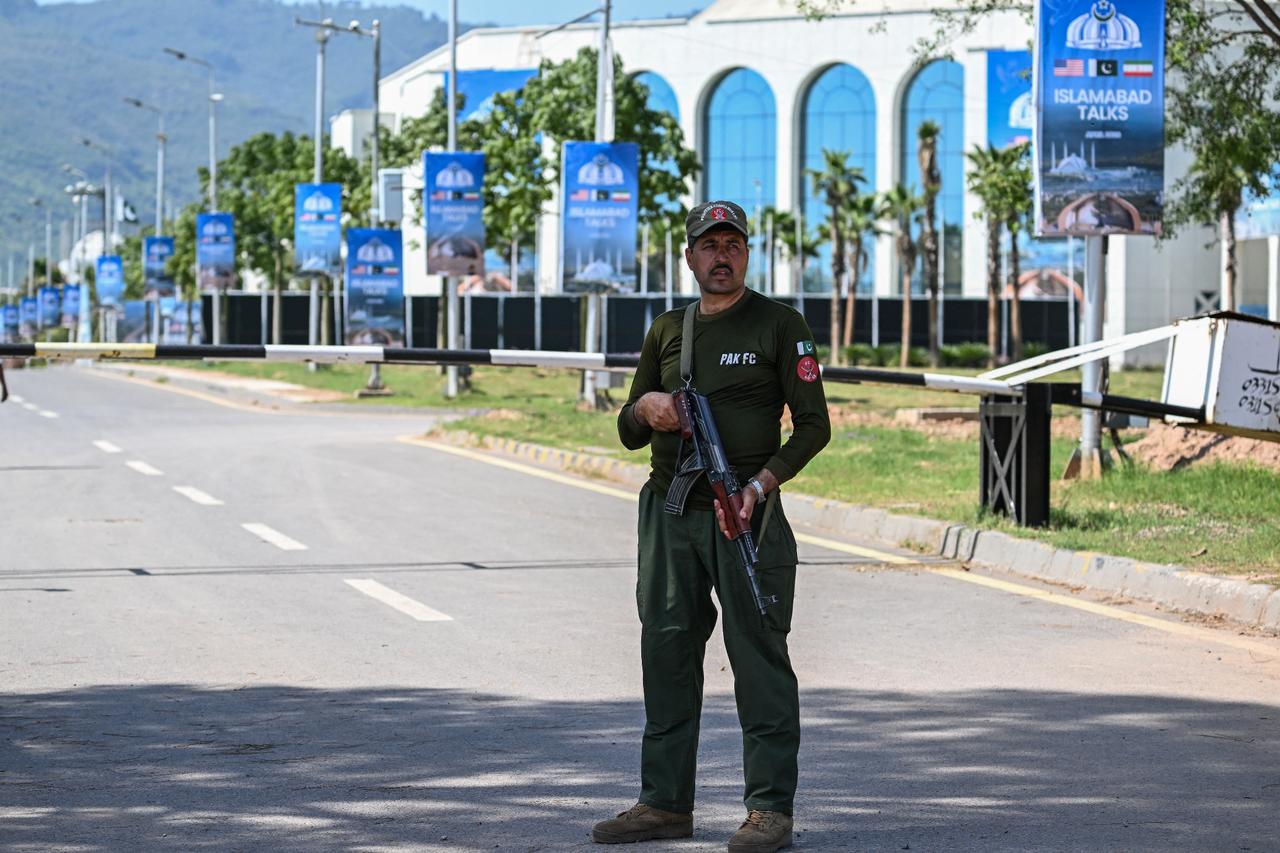


Iran views its talks with the U.S. as an extension of the battlefield and will continue negotiations only within the framework of its national interests, Ebrahim Azizi, head of the Iranian Parliament's National Security Committee, said in his remarks.
Speaking to Al Jazeera, Azizi said Iran's approach to the talks is strictly guided by the country's interests and security, while stressing that participation in any meeting, including possible talks in Islamabad, would depend on whether Tehran receives what he described as positive signals from the American side.


Speaking on the prospect of negotiations with the U.S., Azizi said Iran acts based on national interests and would do whatever is needed to secure the country's interests and security.
He described the current negotiations as a continuation of the battlefield.
"We see the current negotiations as a continuation of the battlefield, and we see nothing other than the battlefield in this," he said.
Azizi added that negotiations could serve as an opportunity for Iran if they produce gains that preserve what he called the achievements of the battlefield.
"If it yields achievements that sustain those of the battlefield, then the negotiation arena is also an opportunity for us," he said. "But not if the Americans intend to turn this into a field of excessive demands, based on their bullying approach."
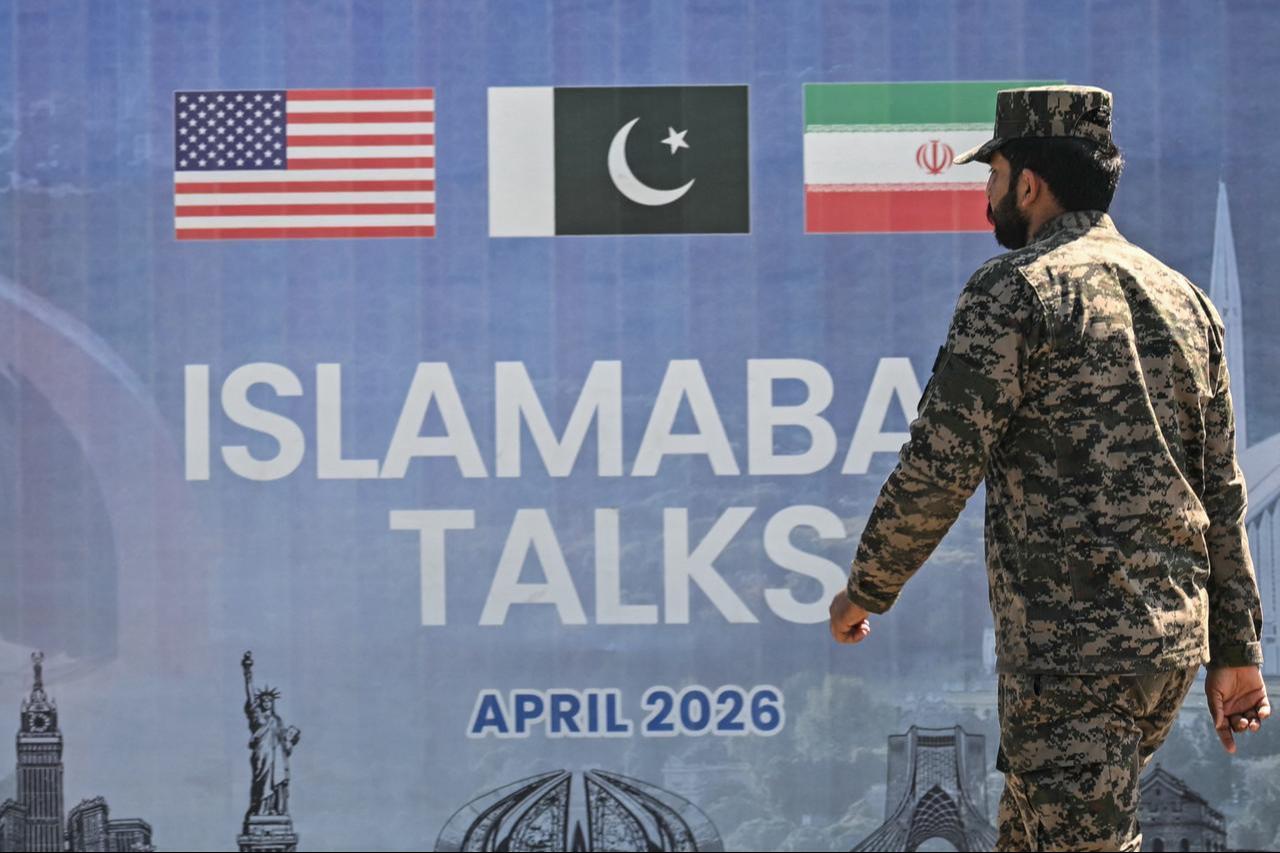
Azizi said Iran has decided to continue talks with the U.S., but added that this does not mean Tehran is prepared to negotiate under any conditions or accept any approach taken by the other side.
The lawmaker, identified as a former IRGC commander, said Iran has set red lines and that those limits must be respected.
"We have never feared the principle of negotiation," he said.
He said a decision on whether Iran would send a team to Islamabad would depend on further assessment and on signals received from the American negotiating team.
"Perhaps today or tomorrow, with further assessment, we consider it likely, providing that the American negotiating team and the messages they have received from Iran give a positive signal," he said.
 1 min read
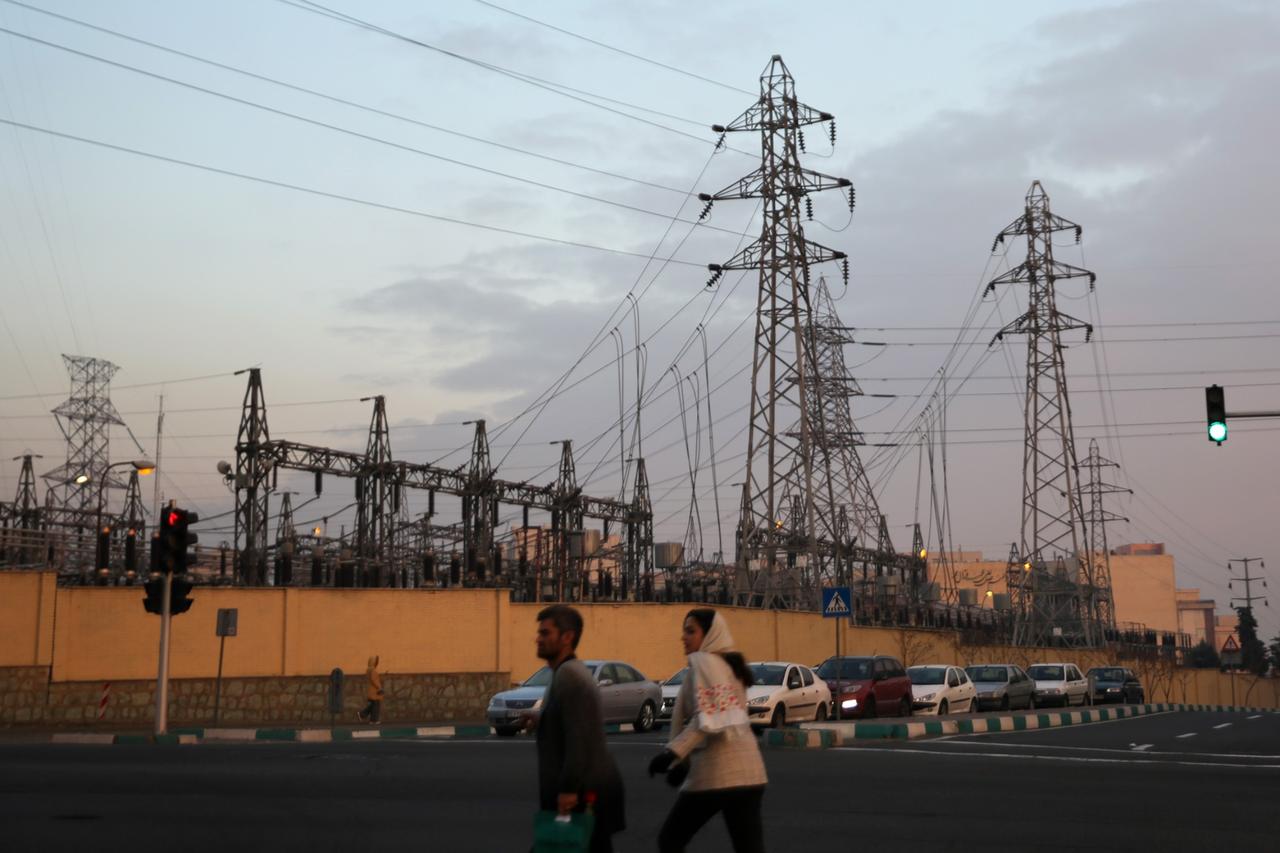
Azizi also said Iran remains firm on its conditions in the talks, including matters related to Lebanon and frozen Iranian assets.
"The issue of Lebanon has been very important for us. The release of frozen assets has been among the preconditions of the Islamic Republic of Iran. Naturally, the Islamic Republic still stands on these very principles," he said.
He said those conditions remain in place and warned of consequences if the U.S. and Israel act against what he called the interests of the resistance front or fail to honor previous commitments.
"If actions are taken that are contrary to the interests of the resistance front—which is part of our field of battle—or if they do not adhere to previous commitments, then it means they have not accepted Iran's preconditions, and this naturally has an effect," he said.
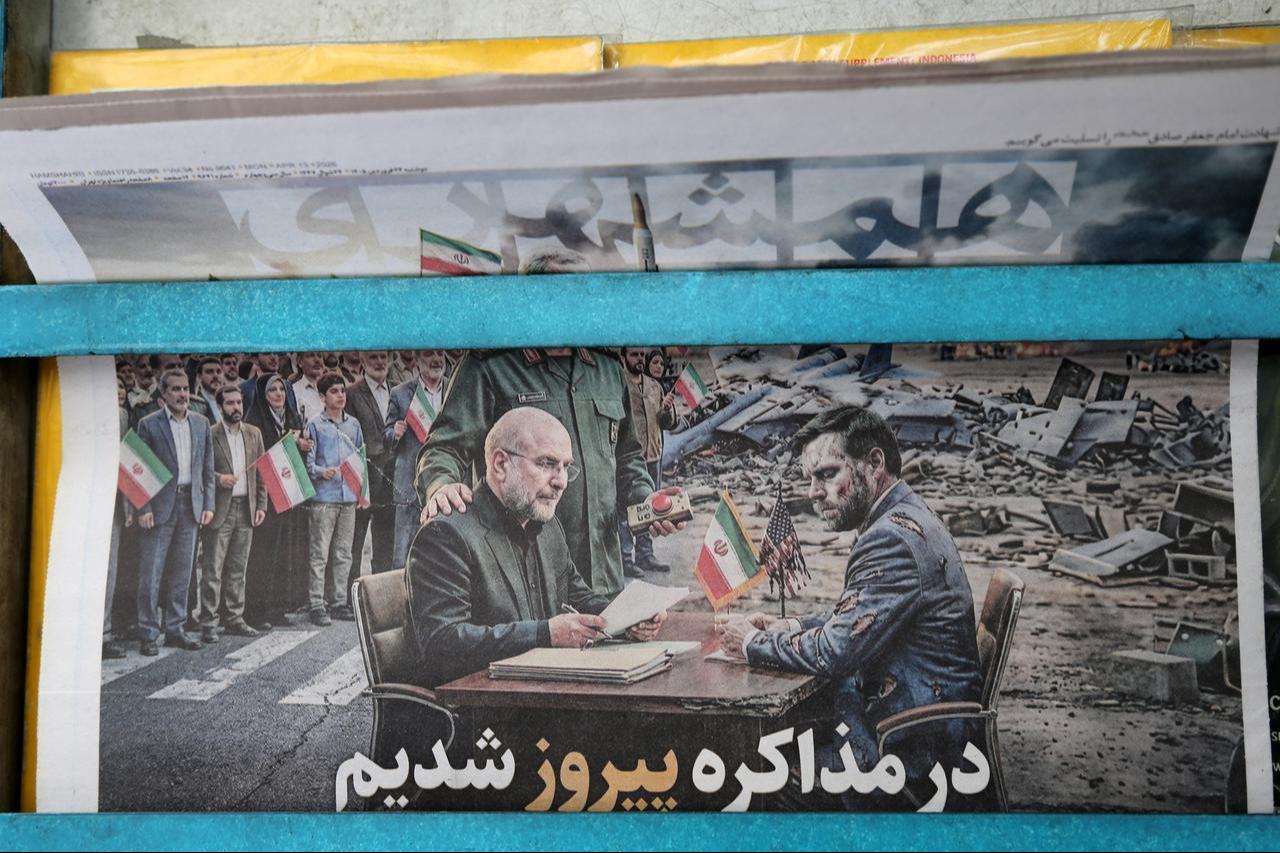
Asked specifically whether Tehran intends to take part in talks in Islamabad, Azizi said Iran's decision would be based on national interest.
He said participation would depend on whether the U.S. side sends positive signals and whether Iran's assessment supports moving forward.
Azizi's remarks indicated that while Iran is prepared to continue talks with the U.S., it will do so only within the limits of its stated preconditions and red lines.


 Set as preferred source
 Set as preferred source


 1 min read