Newsletters


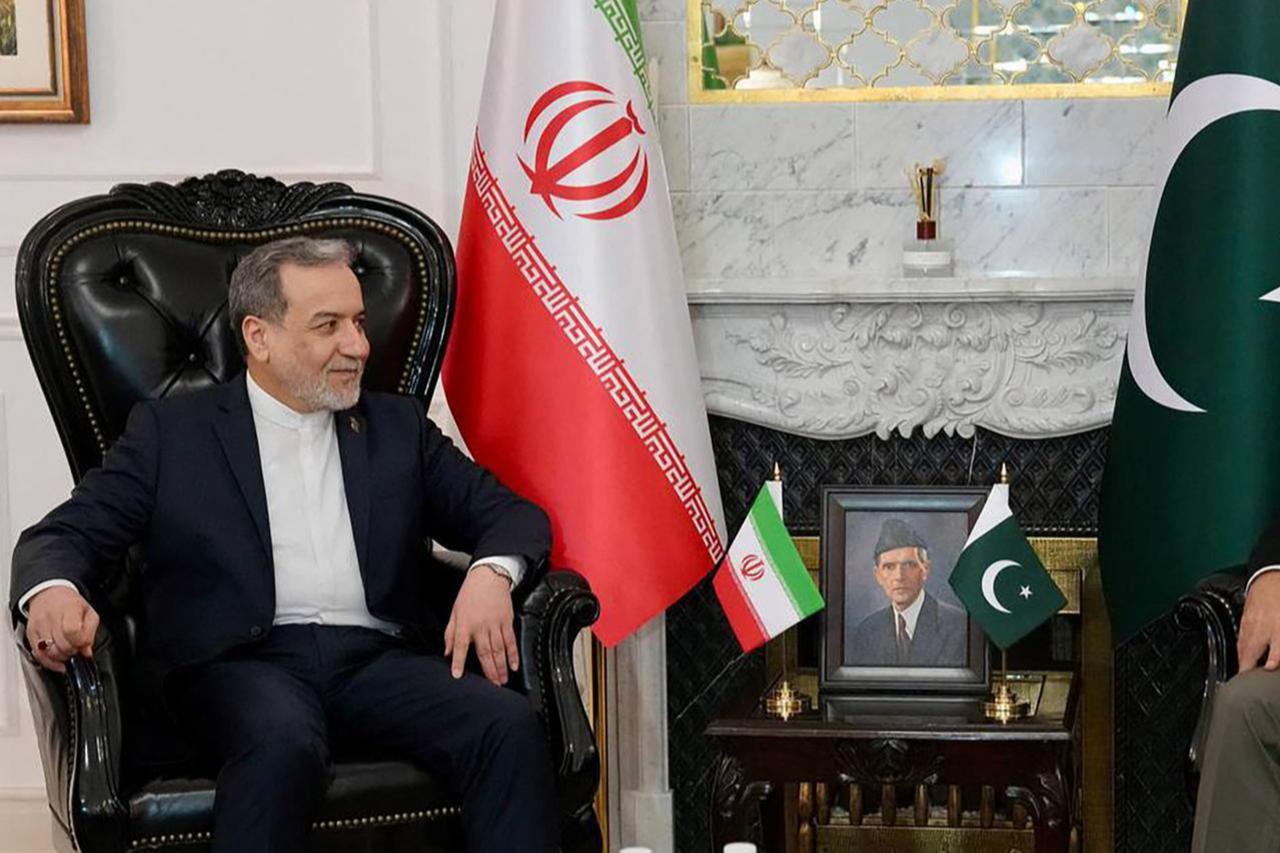


Iran's foreign minister presented what he described as a workable framework for permanently ending the ongoing conflict with the United States during a visit to Pakistan on Saturday, as U.S. President Donald Trump abruptly cancelled a planned diplomatic mission by his top envoys to Islamabad, casting fresh uncertainty over already fragile peace efforts.
Foreign Minister Abbas Araghchi met with Pakistani Prime Minister Shehbaz Sharif in the capital and said discussions centered on restoring regional stability and ending an eight-week war that has engulfed the Middle East since hostilities began on February 28.
"We shared Iran's position concerning a workable framework to permanently end the war on Iran," Araghchi said in a post on X following the meetings. He described the visit as "very fruitful," crediting Pakistan's "brotherly efforts" to help bring peace back to the region.
Araghchi, who arrived in Islamabad late Friday, is also scheduled to travel to Muscat and Moscow as part of a broader diplomatic circuit. Despite his upbeat tone, he expressed doubt about Washington's commitment to a negotiated solution. "Have yet to see if the US is truly serious about diplomacy," he said.
Pakistan has emerged as a key intermediary between Tehran and Washington since the conflict escalated, having brokered a two-week ceasefire on April 8 that Trump subsequently extended.
A first round of indirect talks was held in Islamabad two weeks ago but ended without agreement. Iran has declined to engage in direct negotiations with the United States, instead conveying its positions through Pakistani intermediaries.
The use of third-party mediators is a longstanding pattern in US-Iran relations, which have lacked formal diplomatic channels since Washington severed ties with Tehran following the 1979 Islamic Revolution.
 1 min read
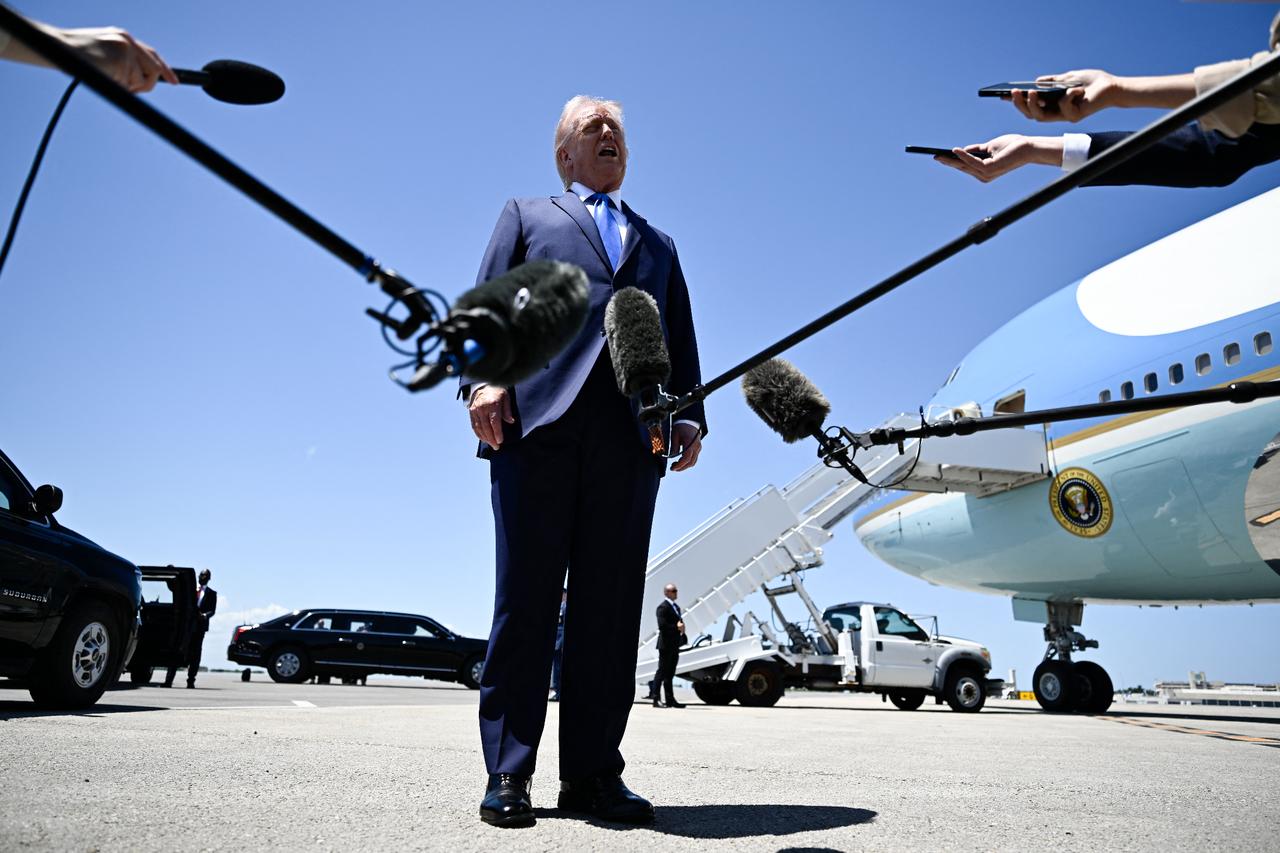
Hours after Araghchi's meetings in Islamabad, Trump told Fox News by phone that he had called off the trip by special envoy Steve Witkoff and senior adviser Jared Kushner, who had been preparing to depart.
"I said, 'Nope, you're not making an 18 hour flight to go there. We have all the cards. They can call us anytime they want, but you're not going to be making any more 18 hour flights to sit around talking about nothing,'" Trump said.
The sticking points between the two sides are said to include control of the Strait of Hormuz, a critical global oil chokepoint, the US blockade of Iranian ports, and the status of Iran's enriched uranium stockpile.
These issues have long been at the center of international concerns over Iran's nuclear program and its strategic leverage in the Persian Gulf.
No date for a second round of talks has been announced.


 Set as preferred source
 Set as preferred source


 1 min read