Newsletters




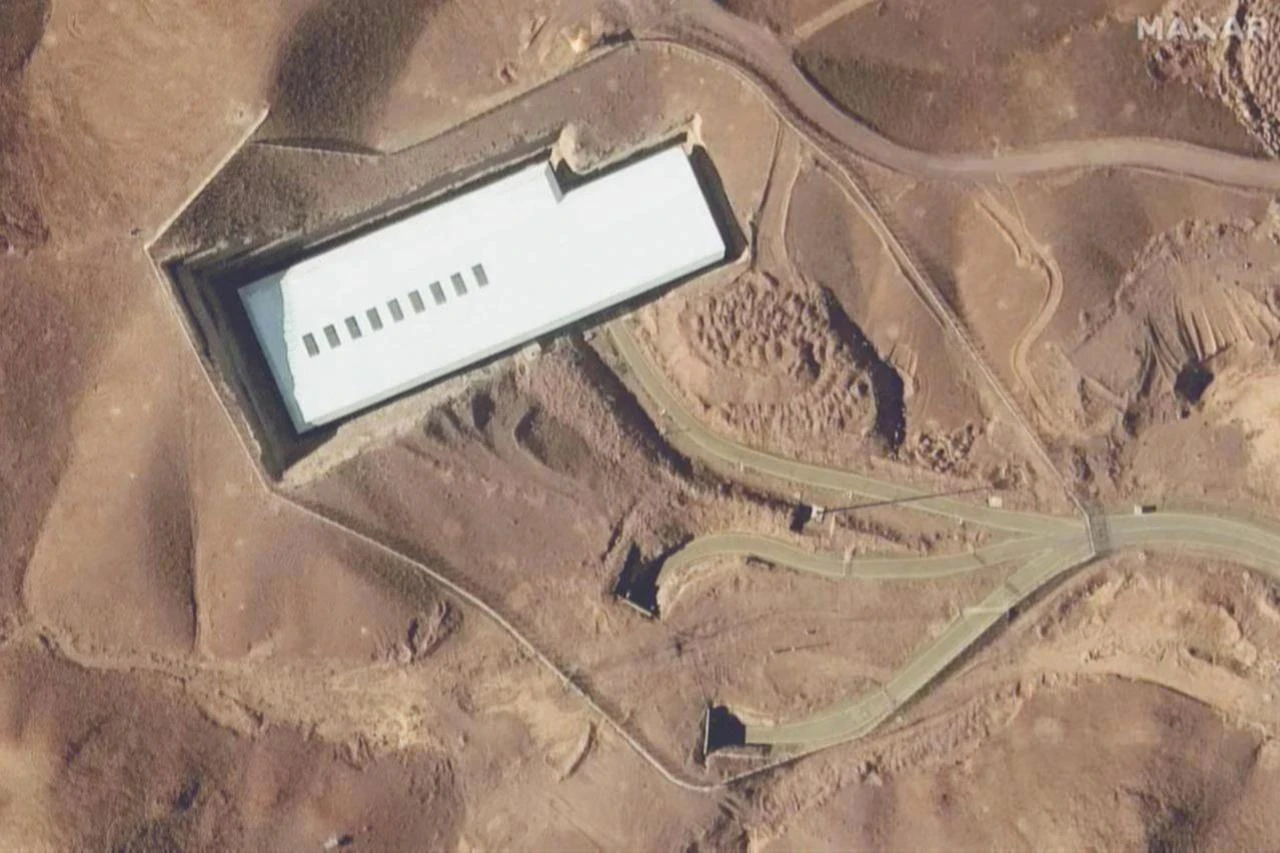
Iranian hardliners are reportedly increasingly and publicly demanding that Tehran pursue a nuclear weapon in defiance of the ongoing U.S.-Israeli attack.
Voices affiliated with the Islamic Revolutionary Guard Corps (IRGC) are calling for withdrawal from the Nuclear Non-Proliferation Treaty (NPT).
Meanwhile, the International Atomic Energy Agency (IAEA) chief warned that strikes near the Bushehr nuclear power plant could trigger a "major radiological accident affecting a large area in Iran and beyond."

The debate over whether Iran should seek a nuclear bomb is "getting louder, more public and more insistent," senior Iranian sources told Reuters.
With the IRGC now dominant following the killing of Supreme Leader Ali Khamenei at the start of the war on Feb. 28, hardline views on Iran's nuclear approach are in the ascendant, two senior Iranian sources said.
"There is no plan to change Iran's nuclear doctrine yet, and no decision has been made to seek a bomb," one source said, "but serious voices in the establishment are questioning existing policy and demanding a change."
Tasnim News Agency, affiliated with the Guards, published an article on Thursday, March 26, saying Iran should withdraw from the NPT as soon as possible while maintaining a civilian nuclear program.
The idea of quitting the NPT, something hardliners have previously threatened, has been increasingly aired on state media, along with the idea, once taboo in public, that Iran should pursue a bomb outright.
Hardline politician Mohammad Javad Larijani, brother of Supreme National Security Council Secretary Ali Larijani, who was killed in a strike this month, was quoted by state media as urging Iran to suspend its NPT membership.
"The NPT should be suspended. We should form a committee to assess whether the NPT is of any use to us at all. If it proves useful, we will return to it. If not, they can keep it," he said.
State television earlier this month aired a segment with conservative commentator Nasser Torabi in which he said the Iranian public demanded, "We need to act in order to build a nuclear weapon. Either we build it or we acquire it."
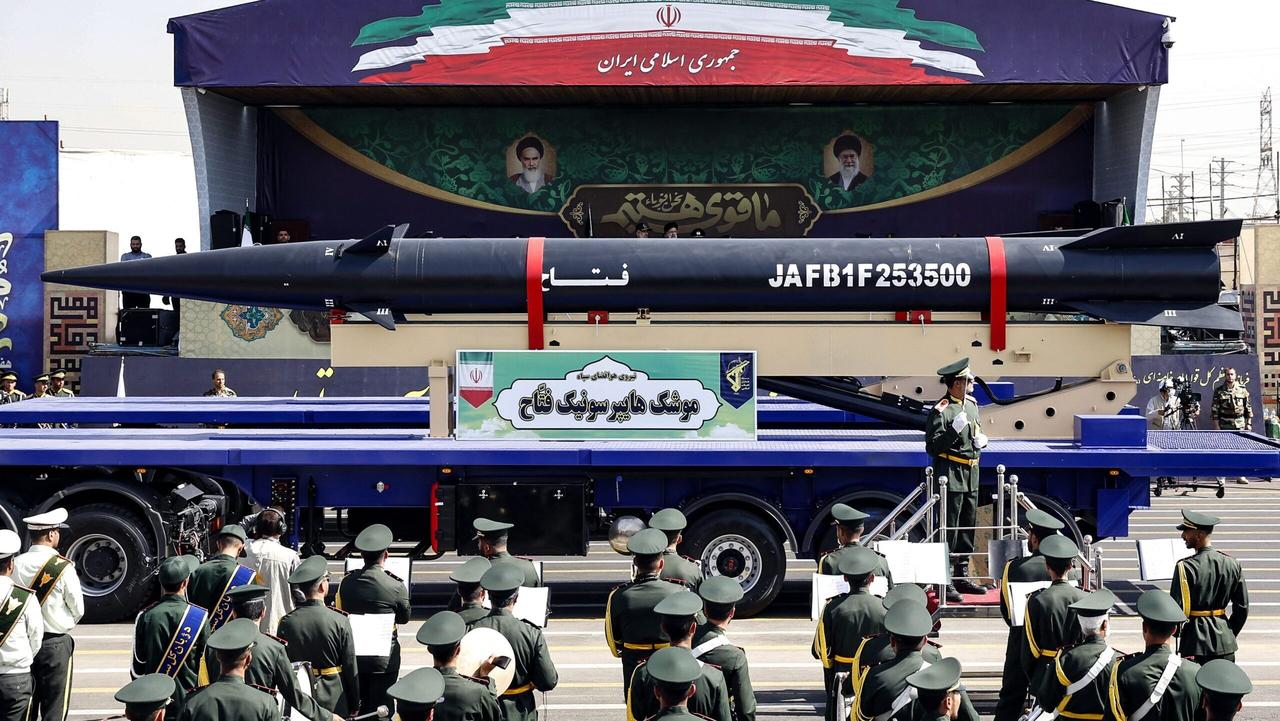
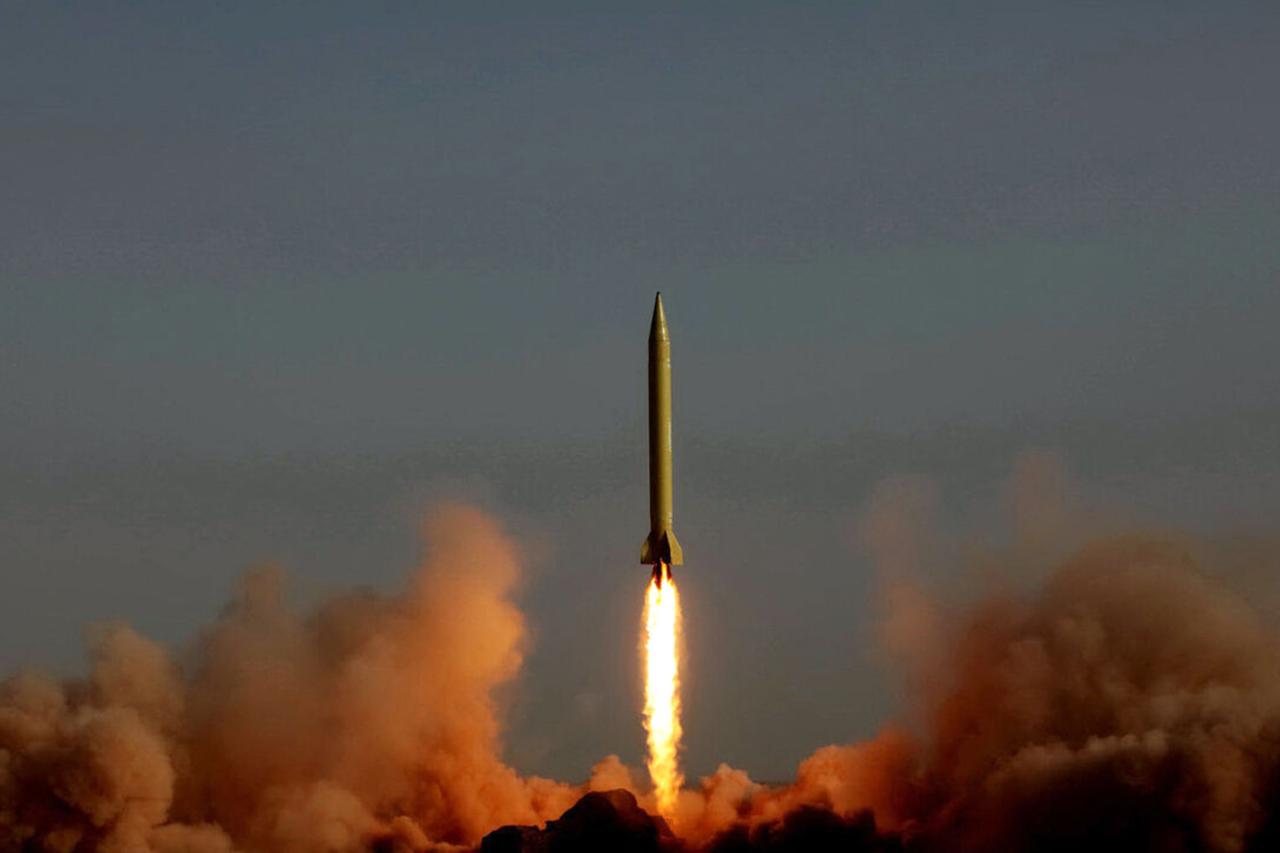
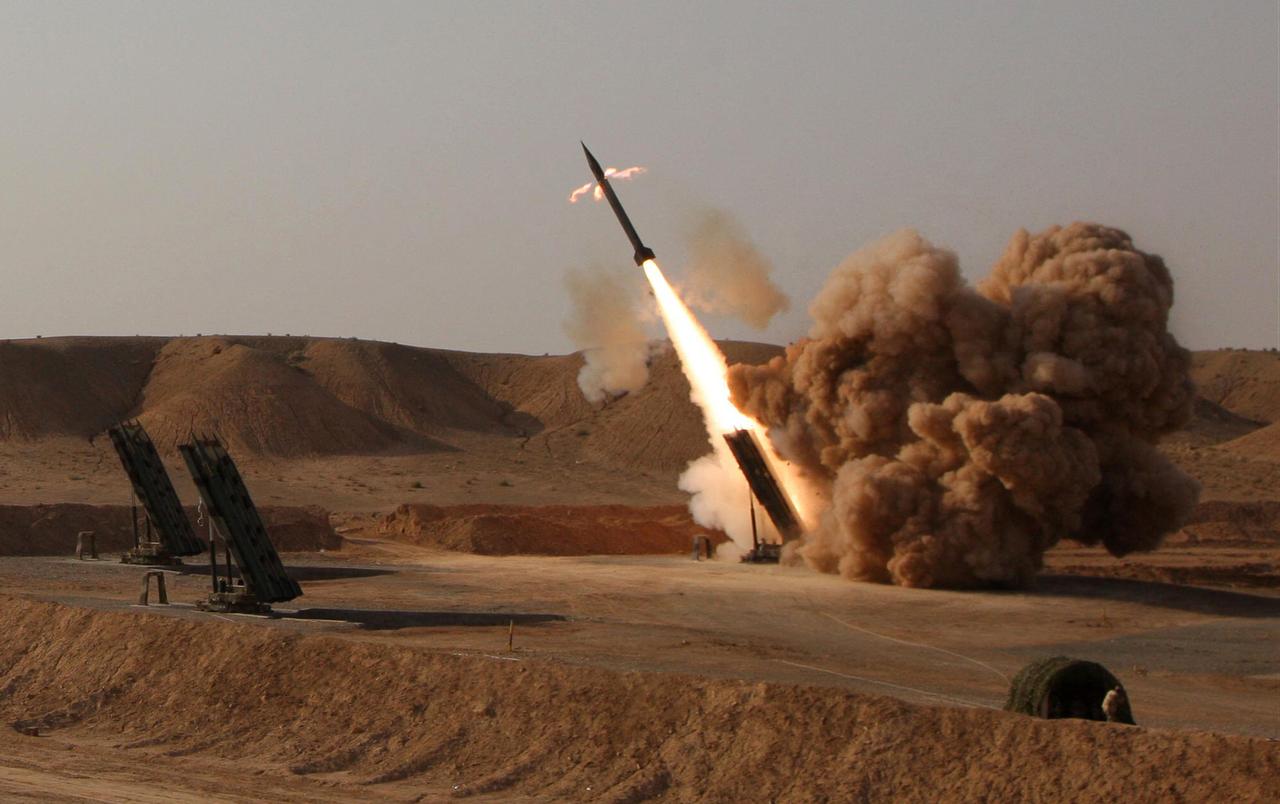
The U.S.-Israeli attacks on Iran, which came midway through nuclear talks, may have convinced Iranian strategists they have little to gain by forswearing a bomb or staying in the NPT, sources who spoke to Reuters said.
Nuclear policy has also been a subject of private discussion in ruling circles, with divergence between hardline elements, including the Guards, and those in the political hierarchy over the wisdom of such a move.
Iranian officials have threatened in the past to reconsider NPT membership as a negotiating tactic over more than two decades of talks without ever having done so.
The more public debate may represent just such a tactic. It is also far from clear how quickly Iran might be able to push for a bomb after weeks of airstrikes on its nuclear, ballistic and scientific facilities.
"Guards commanders and other senior figures had in the past warned Iran would have to go straight for a bomb if the Islamic Republic's survival was threatened, a condition that the present war may meet," an analyst who spoke to Reuters said.
Khamenei's fatwa, or religious opinion, that nuclear weapons were not permissible in Islam, was issued in the early 2000s, though never in written form, and reiterated in 2019.
It is not clear whether the obligation to obey the unwritten fatwa survives his death, though it would likely remain valid unless revoked by new Supreme Leader Mojtaba Khamenei, who has not been seen in public since his father's death.
One senior Iranian source said that with the deaths of Khamenei and Ali Larijani, who had also pushed back against hardliners on the nuclear question, it was becoming more difficult to counter the more hawkish arguments.
Analysts have said Iran's goal has historically been to attain the status of a "threshold state", able to produce a bomb quickly if needed without incurring the international pariah status that would come with possessing the weapon itself.
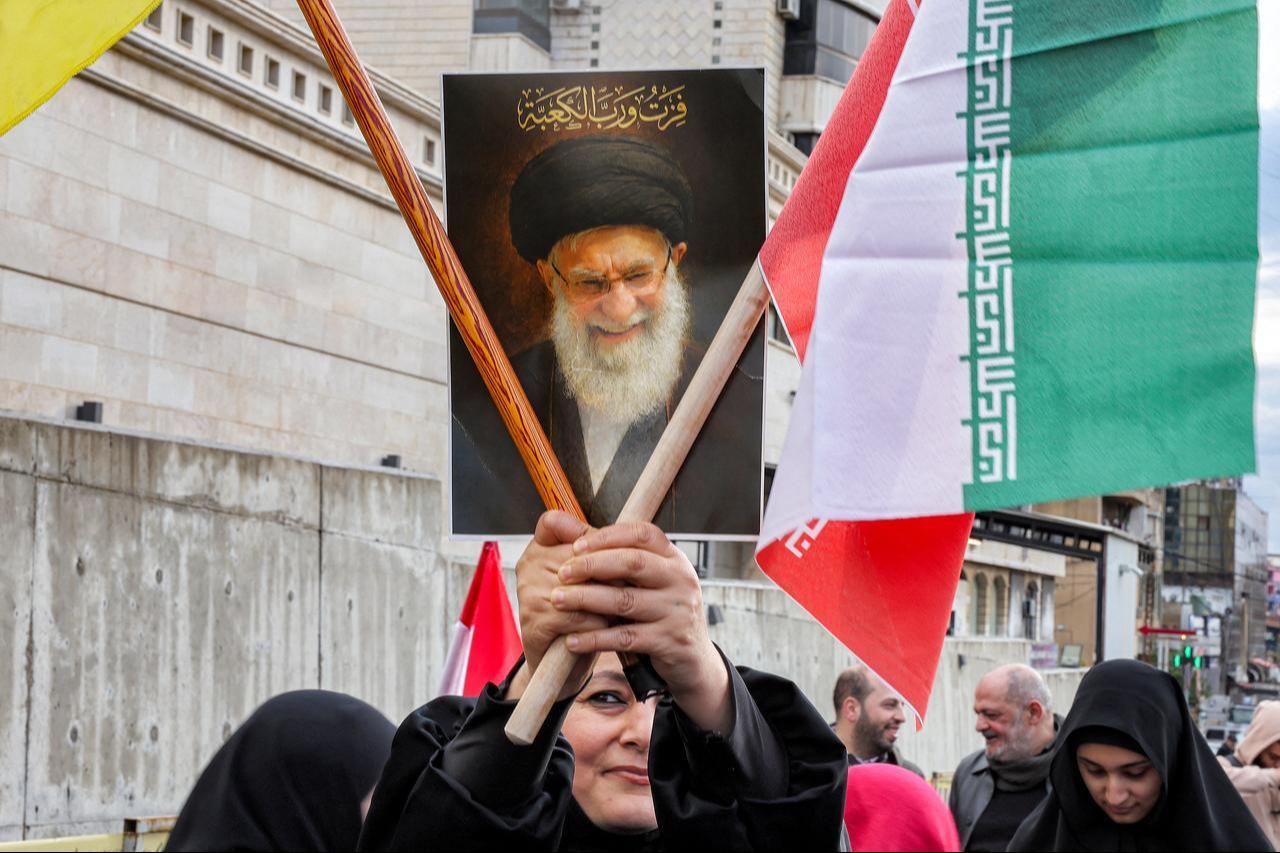
IAEA Director General Rafael Grossi expressed "deep concern" Thursday over reported strikes near Iran's Bushehr nuclear power plant on Tuesday evening, warning the facility contains a large amount of nuclear material and any damage could have severe implications.
"An attack on the site could lead to a major radiological accident affecting a large area in Iran and beyond," Grossi warned in a post on X.
He called for "maximum restraint" from all parties and stressed the importance of adhering to the agency's seven-pillar framework designed to ensure nuclear safety and security during armed conflict.
Regional escalation has continued since the U.S. and Israel launched a joint offensive on Iran on Feb. 28, killing over 1,340 people, including then-Supreme Leader Ali Khamenei.


 Set as preferred source
 Set as preferred source


 1 min read
 1 min read