Newsletters


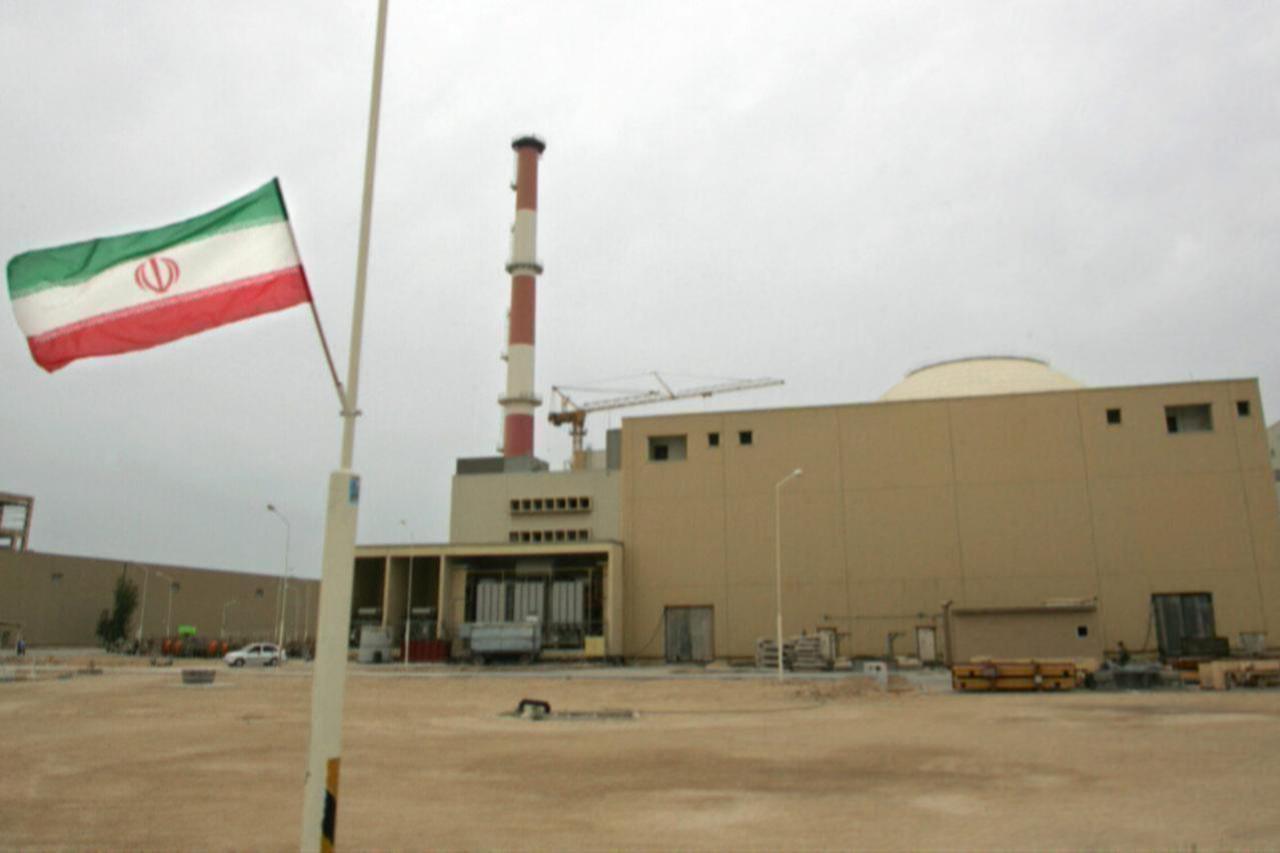


Iran has not significantly advanced its nuclear program since the clashes that erupted in June 2025, according to an analysis by the New York Times based on interviews with U.S. and European officials as well as independent groups monitoring Iran’s nuclear activities.
The analysis said there are only “limited indications” that Tehran has made notable progress in restructuring or advancing its nuclear program since the conflict began with Israeli attacks on June 13.

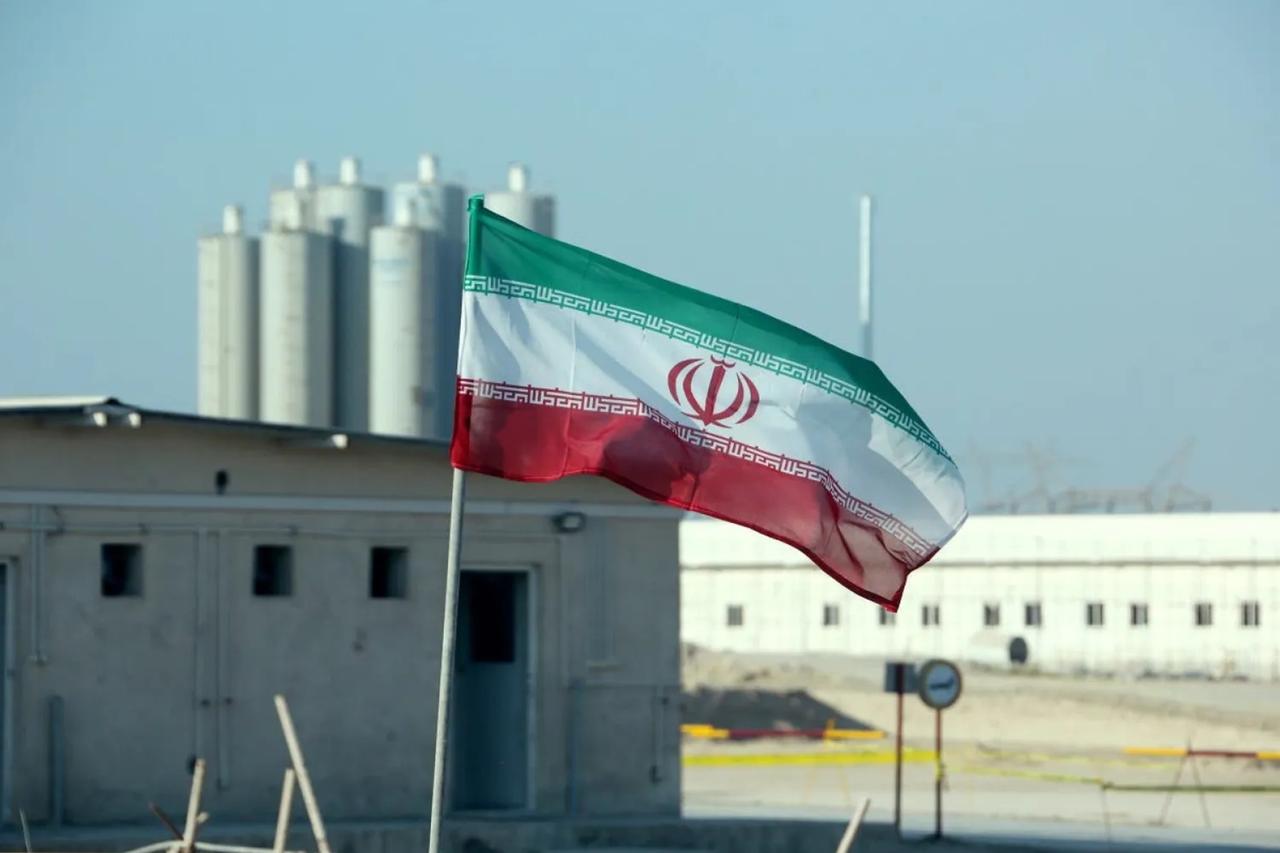
According to the report, intelligence agencies believe that enriched uranium at Iran’s Natanz, Fordo and Isfahan nuclear facilities remains buried and intact following the attacks.
This assessment has led officials to conclude that Iran is not currently in a position to rapidly produce a nuclear weapon.
The analysis noted that over the past six months there have been limited signs that Iran has taken major steps toward rebuilding its uranium enrichment or nuclear warhead development capabilities.
However, it added that Tehran has increased excavation work near nuclear facilities around Natanz and Isfahan.
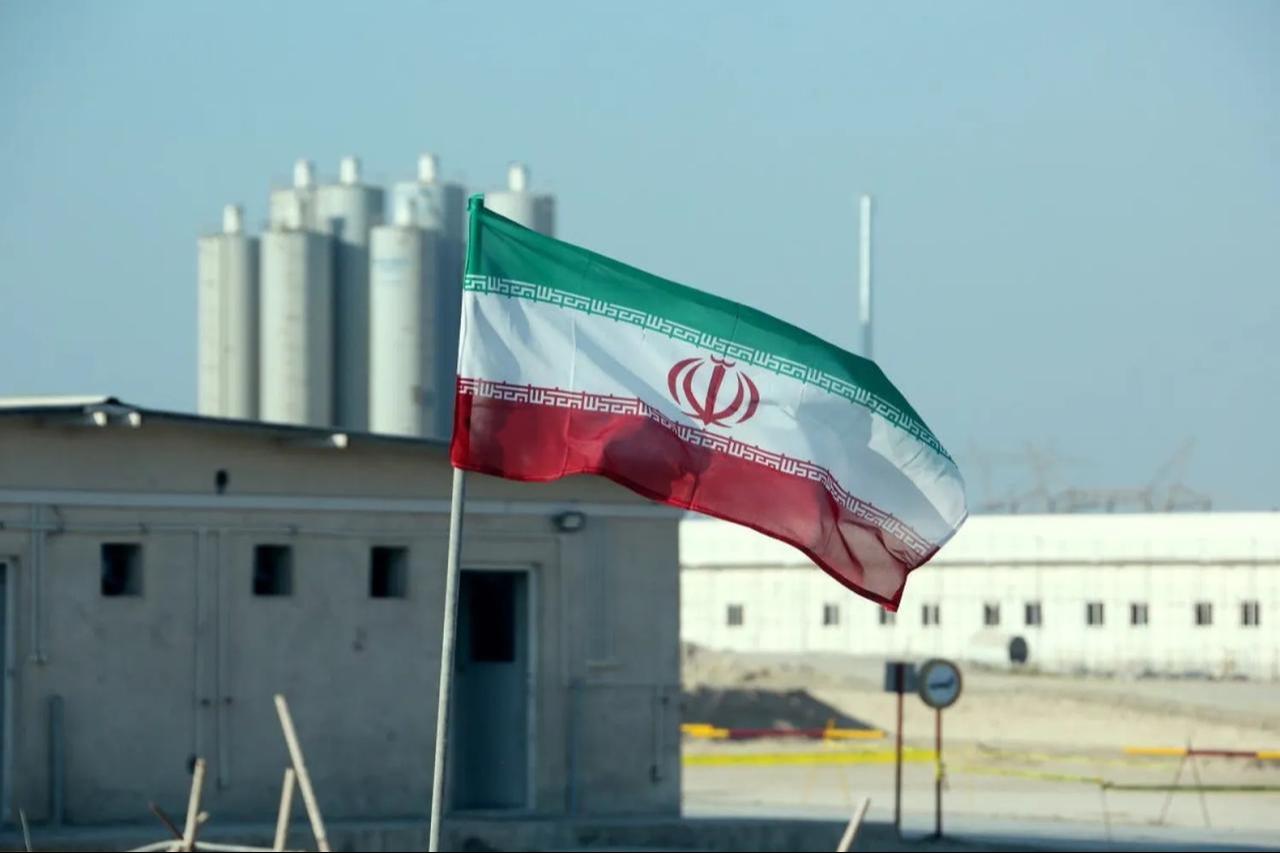
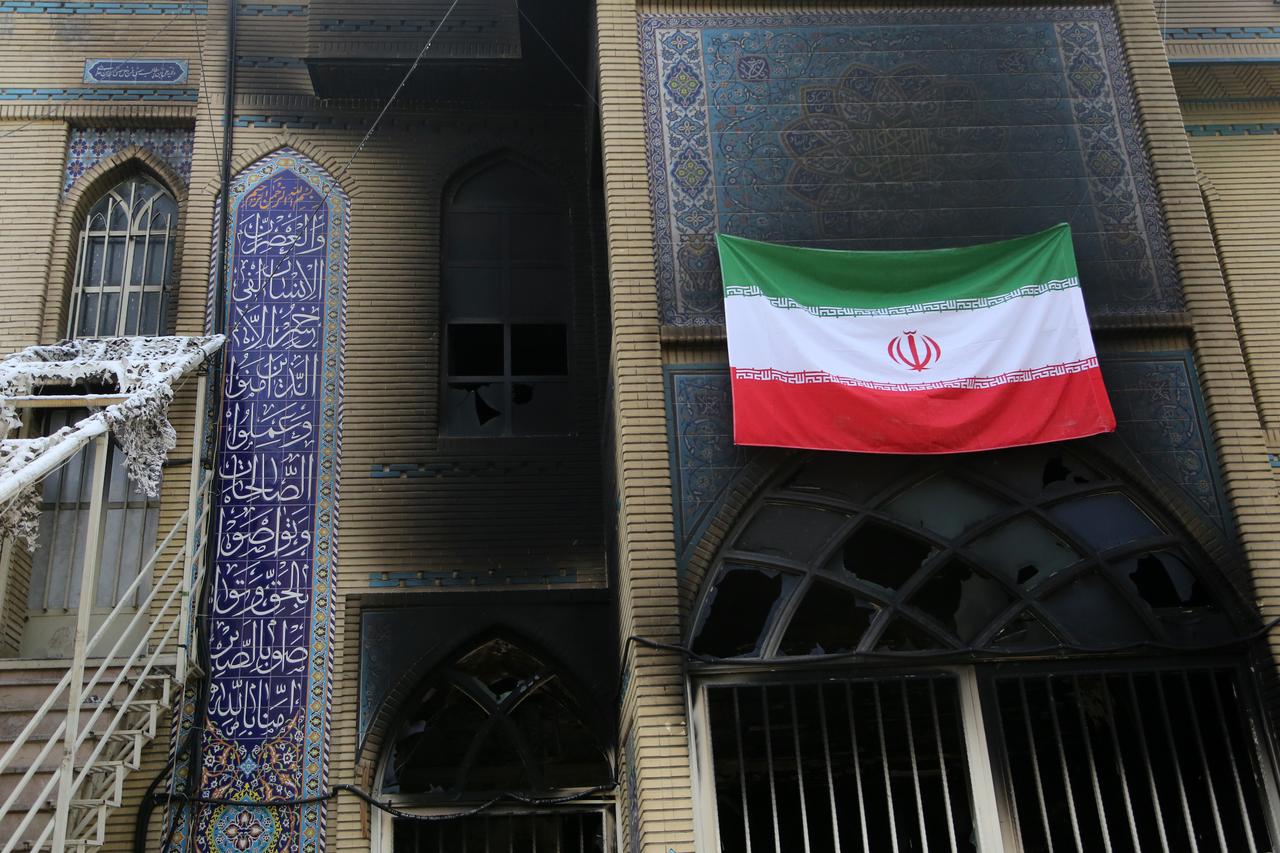
The June 2025 conflict began while nuclear negotiations between Iran and the United States were ongoing, when Israel launched attacks on nuclear and military sites as well as civilian areas across Iran on June 13.
The United States, which openly supported Israel, carried out strikes on June 22 targeting Iran’s nuclear facilities in Natanz, Fordo and Isfahan using bunker-buster bombs in an operation named “Midnight Hammer.”
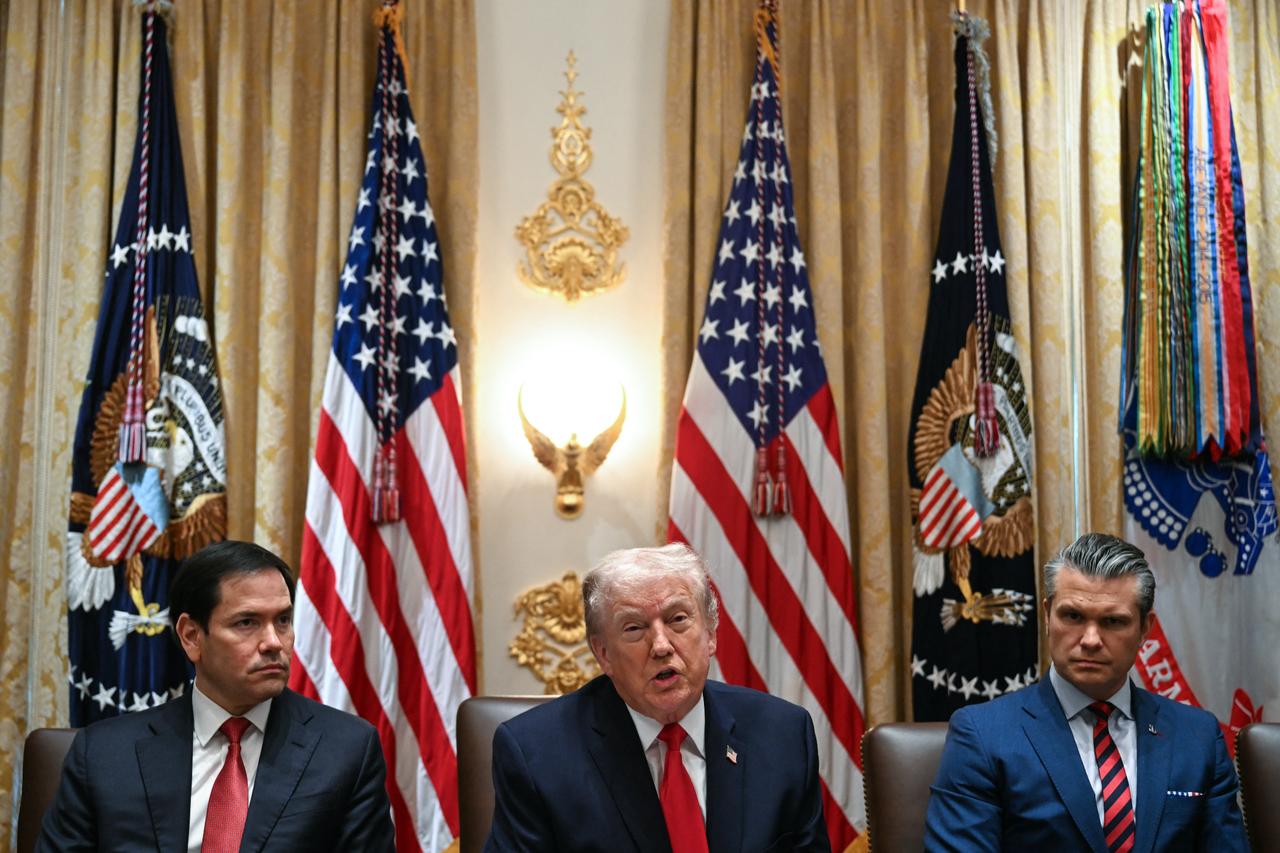
US President Donald Trump described the strikes as a “major success,” though an initial leaked damage assessment report suggested the attacks did not destroy Iran’s nuclear program but set it back by only a few months.
Following media reports on the damage assessment, the Trump administration strongly criticized the coverage. The Pentagon and the Federal Bureau of Investigation announced investigations into the leak of the report.
Separately, the Wall Street Journal reported that Trump had been briefed by the White House and the Pentagon on potential military options against Iran, including a large-scale plan targeting facilities linked to Iran’s leadership and the Islamic Revolutionary Guard Corps.


 Set as preferred source
 Set as preferred source


 1 min read
 1 min read