Newsletters


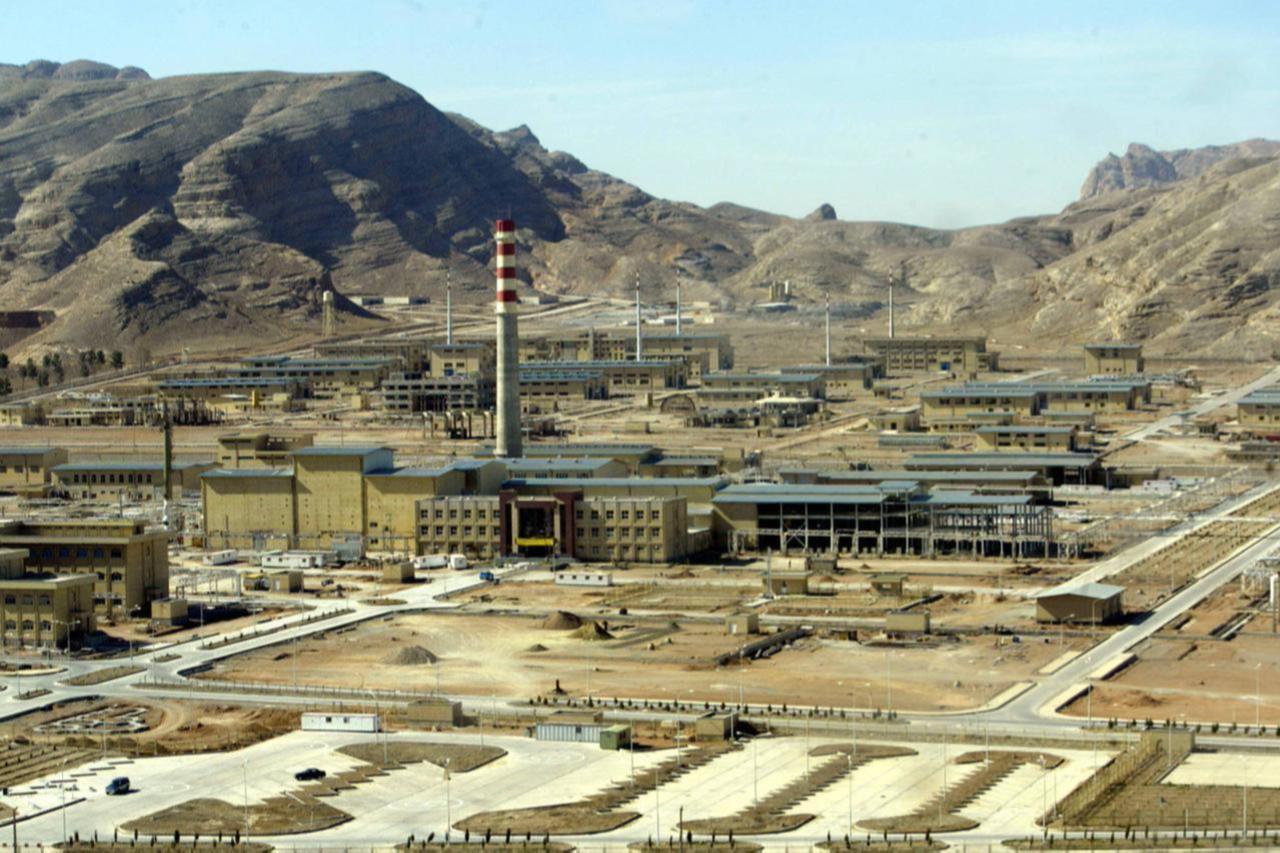


Iran holds 441kg of uranium enriched to 60% purity, enough to potentially produce material for up to 10 nuclear weapons if further enriched, with a significant portion believed to remain at the Isfahan nuclear complex, according to the International Atomic Energy Agency (IAEA).
IAEA Director-General Rafael Grossi said that a significant portion of Iran’s enriched uranium was believed to be stored at Isfahan when the 12-day conflict began in June 2025, in which the United States struck three Iranian nuclear facilities.
Grossi added that the material likely remains there, noting inspectors have been unable to verify its status since access was disrupted, leaving the agency to rely on satellite imagery and indirect information to track developments.
"I hope we’ll be able to do that, so what I tell you is our best estimate," he told AP.
Satellite images taken just before the war showed trucks carrying 18 containers, believed to contain enriched uranium, going into underground tunnels at the Isfahan Nuclear Technology Center.
According to IAEA estimates, Iran’s stockpile is a short technical step from the 90% level considered weapons-grade, with roughly 200kg believed to be stored in underground tunnels at Isfahan.
Tehran continues to maintain that its nuclear activities are peaceful. Meanwhile, U.S. President Donald Trump has argued that last year’s strikes severely damaged Iran’s nuclear capabilities.
The IAEA is also seeking access to Iran’s other key nuclear facilities, including Natanz and Fordo, where additional nuclear material is believed to be held.
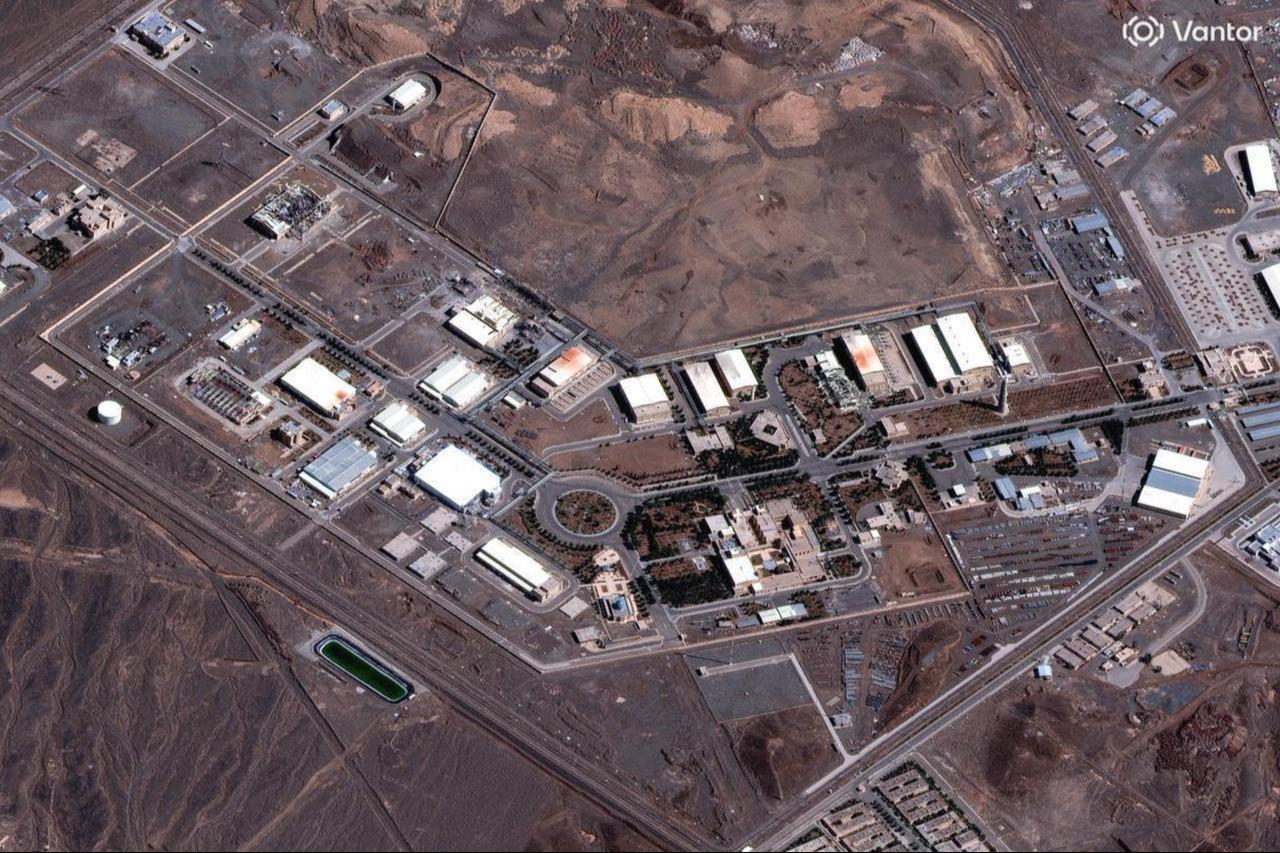

As a signatory to the Nuclear Nonproliferation Treaty (NPT), Iran is required to allow inspections of its nuclear infrastructure. Grossi stressed that full access remains essential to verify compliance.
The agency has discussed with Russia and other countries the possibility of transferring Iran’s enriched uranium abroad or diluting it to lower enrichment levels. Grossi described such steps as complex, requiring either political agreement or significant military involvement.
"What’s going to be important is that that material leaves Iran or is blended," he noted.
Grossi said the IAEA took part in earlier rounds of U.S.-Iran nuclear talks but has not joined recent ceasefire negotiations mediated by Pakistan. Separate discussions with both Washington and Tehran are ongoing.
Iran’s latest proposal suggests delaying nuclear negotiations while offering to ease pressure on the Strait of Hormuz, provided the U.S. lifts its blockade and ends hostilities.
Grossi described this as an attempt by Tehran to manage the sequence of broader demands, including limits on its missile program and regional alliances.
Reaching an agreement will depend on political will from both sides, Grossi said, noting that disagreements persist over sequencing and priorities. "One important thing is that there is apparently an interest on both sides to come to an agreement," he said.


 Set as preferred source
 Set as preferred source


 1 min read
 1 min read